Sardinia Travel Guide: Everything You Need to Know for 2026
Last Updated: March 2026
Your complete guide to visiting the jewel of the Mediterranean — Italy's most stunning island
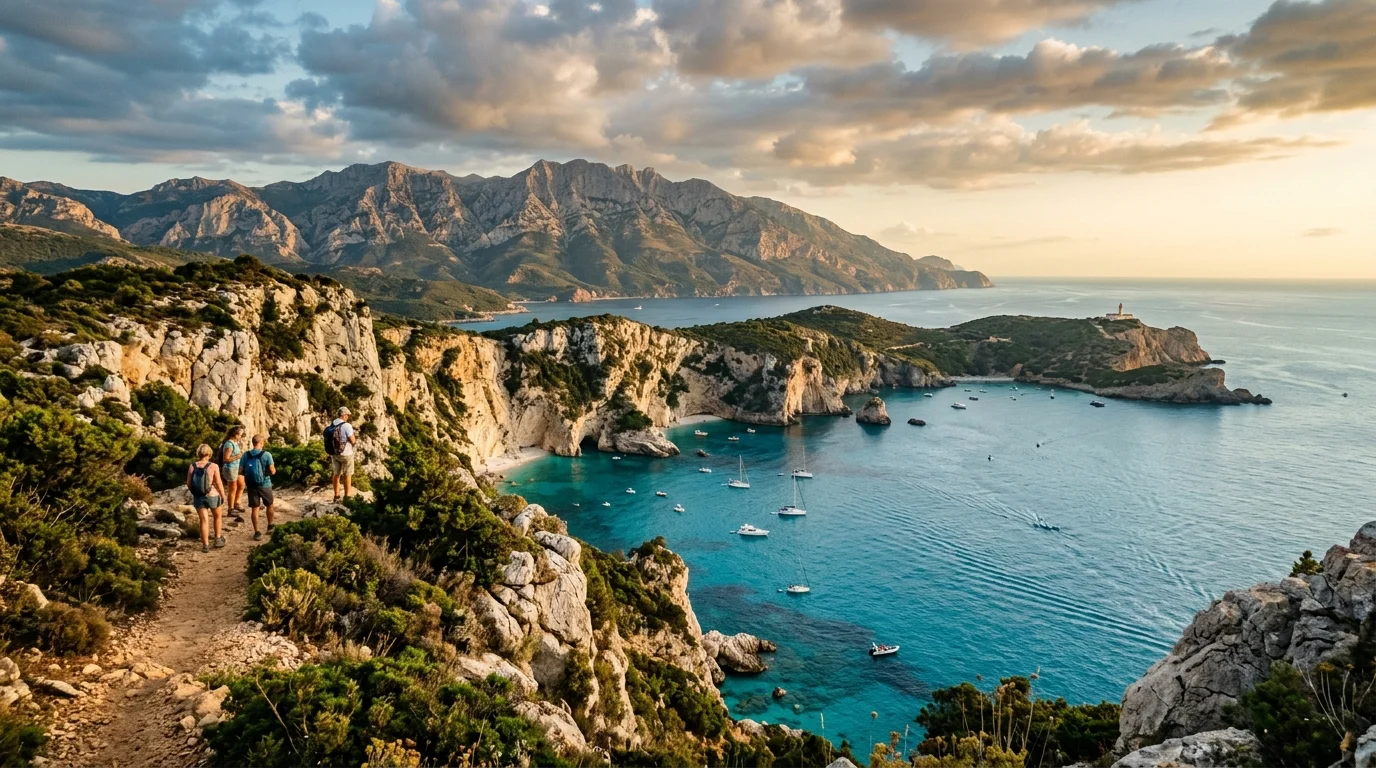
Sardinia is a large Italian island located in the western Mediterranean Sea, southwest of mainland Italy and just north of Tunisia, making it the second-largest island in the Mediterranean. It is best known for its impossibly turquoise waters, pristine white-sand beaches, ancient Nuragic ruins, and rugged interior mountains. Visitors come here for world-class beach holidays, hiking through dramatic gorges, exploring thousands of years of unique history, and eating some of the finest seafood and traditional cuisine in all of Italy.
Table of Contents
- Sardinia Overview
- Getting There & Around
- Top Attractions & Landmarks
- Neighborhoods & Districts
- Food & Dining
- Nightlife & Entertainment
- Shopping
- Seasonal Events & Festivals
- Accommodation Recommendations
- Practical Information
- Day Trips & Nearby Destinations
- Insider Tips & Hidden Gems
- Money-Saving Tips
- Common Tourist Mistakes to Avoid
- Sample Itineraries
- Frequently Asked Questions
What Is Sardinia and Why Should You Visit?
Sardinia (Sardegna in Italian) is a semi-autonomous Italian island region in the western Mediterranean, covering 24,100 square kilometres — large enough to contain mountains, ancient forests, rolling farmland, and over 1,800 km of coastline all in one place. What makes Sardinia truly special is how dramatically different it feels from mainland Italy: the culture, dialect, food, and ancient history here are entirely its own. You'll find beaches that rival the Maldives, archaeological sites that predate the Roman Empire by 1,500 years, and a relaxed pace of life that is deeply, authentically Sardinian.
People visit Sardinia for so many different reasons. Beach lovers flock to the Costa Smeralda and the shores of the Maddalena Archipelago for waters that shimmer in impossible shades of aquamarine and emerald. History enthusiasts explore the mysterious nuraghi — ancient stone towers scattered across the island by the 8,000. Hikers tackle the Gorropu Gorge, one of Europe's deepest canyons, or trek the rugged Supramonte plateau. Foodies discover aged Pecorino Sardo cheese, fragrant myrtle liqueur, and freshly caught lobster cooked the Algherese way. This is an island that rewards any kind of traveller.
Sardinia does come with a few challenges: getting around without a car is difficult, summer crowds on the most famous beaches can be intense, and accommodation prices in July and August rise sharply. But these are easy to plan around, and the reward — one of Europe's most strikingly beautiful and culturally rich destinations — is absolutely worth it.
When Is the Best Time to Visit Sardinia?
Peak Season (July–August): Temperatures regularly hit 30–35°C (86–95°F), the sea is warm and crystal clear, and the island buzzes with energy. Prices are at their highest — expect to pay double or even triple the off-season rates for accommodation. Book flights and hotels months in advance. The beaches are beautiful but crowded, especially along the Costa Smeralda. This is the most glamorous and lively time to visit, with beach clubs, sailing regattas, and outdoor concerts filling the calendar.
Off-Peak Season (November–March): Sardinia in winter is quiet, green, and very affordable. Temperatures stay mild at 10–15°C (50–59°F) compared to northern Europe, and the island's interior becomes lush and green after autumn rains. Many coastal resorts and restaurants close from October to April, so base yourself in Cagliari, Alghero, or Nuoro for a rewarding off-season visit. This is the best time for hiking, exploring archaeological sites, and meeting real locals without tourist pressure.
Shoulder Season (May–June and September–October): This is the smartest time to visit Sardinia by almost any measure. The sea is warm enough to swim in from late May, beaches are uncrowded, prices are reasonable, and the wildflowers paint the countryside in vivid colour. September is particularly magical — the summer heat softens, the water is at its warmest after months of sunshine, and the island feels relaxed and authentic. Visiting in May–June or September–October is the locals' secret for the perfect Sardinia experience.
Festival Season (February–March): The island's most spectacular and authentic festivals take place before and during Lent. Carnival celebrations in Oristano (the Sartiglia) and Mamoiada (the Mamuthones) are among the most visually striking and emotionally powerful traditional festivals in all of Europe — absolutely worth planning a trip around.
How Many Days Do You Need in Sardinia?
- 1-2 days: Barely enough to scratch the surface — you might see Cagliari's old town and one beach. Good if you're on a stopover or cruise day trip.
- 3-4 days: A solid short break focusing on one region, such as the Costa Smeralda and Olbia, or Cagliari and the southern beaches. Ideal for first-time visitors wanting beach and city in one trip.
- 5-7 days: The sweet spot for a first visit — you can cover two or three regions, see major archaeological sites, eat your way through Sardinian cuisine, and enjoy multiple beaches. Most first-time visitors choose this length.
- 1 week+: For those who want to truly explore — drive the interior, hike in the Barbagia, discover hidden coves, visit local villages, and experience the island at a genuine Sardinian pace. The island easily fills two to three weeks for curious travellers.
Quick Facts About Sardinia
- Population: Approximately 1.6 million (island-wide)
- Language: Italian (official); Sardinian (Sardu) widely spoken; English is common in tourist areas and good among younger Sardinians
- Currency: Euro (€)
- Time Zone: Central European Time (CET) / UTC+1 (UTC+2 in summer, CEST)
- Country Code: +39 (Italy)
- Area Codes: Cagliari 070, Olbia 0789, Sassari 079, Nuoro 0784
- Climate: Mediterranean — hot dry summers, mild wet winters
- Altitude: Sea level to 1,834 m (Punta La Marmora, highest peak)
How Do You Get To and Around Sardinia?
The easiest way to reach Sardinia is by direct flight from major European cities to one of three international airports, with ferries from mainland Italy as an excellent slower alternative — especially if you want to bring a car.
Which Airports Serve Sardinia?
Cagliari–Elmas Airport (CAG)
Via dei Trasvolatori, 09030 Elmas CA, Sardinia, Italy
Located 7 km northwest of Cagliari city centre, this is the island's busiest airport with the most international connections. Airlines including Ryanair, easyJet, Vueling, Alitalia (ITA Airways), and many others fly here from across Europe. The airport is modern and well-equipped with car rental desks, cafés, and ATMs.
Olbia Costa Smeralda Airport (OLB)
Via Aeroporto, 07026 Olbia SS, Sardinia, Italy
Sardinia's second busiest airport, serving the glamorous Costa Smeralda region in the northeast. This is the best arrival point if you're heading to Porto Cervo, San Teodoro, or the Maddalena Archipelago. Direct flights from London, Paris, Amsterdam, and many European cities operate here, especially in summer.
Alghero–Fertilia Airport (AHO)
Via Enrico Fermi, 07041 Alghero SS, Sardinia, Italy
A smaller but very convenient airport 12 km from the charming medieval city of Alghero. Ryanair is the main carrier. A good option if northwestern Sardinia is your base.
How Do You Get from the Airport to the City Center?
Official Taxi (from Cagliari Airport): Fixed fare of approximately €15–20 (2026) to the city centre, taking about 15–20 minutes. Only use white taxis from the official rank outside arrivals. The taxi consortiums in Sardinia are licensed and metered or fixed-price — always confirm the price before getting in.
Rideshare (Uber/local app): Uber does not operate widely in Sardinia. Use the official taxi apps or book through your accommodation. Ride-hailing via the ItTaxi app works in Cagliari for slightly better pricing than street taxis — expect €12–18 to the centre.
Public Bus (from Cagliari Airport): ARST and CTM buses connect the airport to central Cagliari (Piazza Matteotti) for around €1.50 (2026), taking about 20–25 minutes. The 8 (Arbus) bus runs this route frequently throughout the day — a great budget option.
Private Transfer: Pre-booked private transfers cost €25–40 (2026) for a sedan to Cagliari centre and are worth it if you're arriving late or with a large group. They meet you in arrivals with a name sign and assist with luggage.
What Is the Best Way to Get Around Sardinia?
The best way to get around Sardinia is by rental car — there is no question about this. The island's best beaches, archaeological sites, mountain villages, and hidden valleys are almost all off public transport routes, and a car gives you the freedom Sardinia truly rewards. That said, within cities like Cagliari and Alghero, walking and public buses are excellent.
Renting a Car in Sardinia
All three airports have major car rental desks (Hertz, Avis, Europcar, Sixt, Budget) and local Sardinian rental companies that are often cheaper. A small car costs from €30–50 per day in shoulder season (2026) and €60–120+ per day in peak summer. Book well ahead for summer trips. Roads in the interior can be narrow and winding — a smaller car is genuinely more practical than a large SUV on mountain roads.
Useful driving notes: Sardinia drives on the right (same as mainland Italy). The SS131 Carlo Felice motorway connects Cagliari to Sassari and is the fastest north-south route. Mountain roads can be steep, unlit, and narrow — take your time and don't drive them at night.
Public Transport
Sardinia has a public bus network run by ARST (regional) and local operators. It connects major towns reasonably well but is slow, infrequent, and does not reach most beaches or archaeological sites. Trains run between Cagliari, Sassari, Oristano, and a few other towns on the narrow-gauge Trenitalia network. There is also a charming Trenino Verde (Green Train) tourist narrow-gauge railway through the Barbagia interior — a slow scenic experience worth doing for its own sake rather than as transport.
Bus Tickets & Passes:
- Single city bus ride (Cagliari CTM): €1.50 (2026)
- Daily bus pass (CTM Cagliari): €4.00 (2026)
- Regional ARST intercity bus: varies by route, typically €3–15
- Train Cagliari–Sassari: approximately €13–17 (2026) depending on service
Taxis & Rideshare
Official white taxis operate in all main cities and towns. Fares are metered within cities and fixed or negotiated for longer runs. Always check that the meter is running or agree a price before departure. In Cagliari, a short city journey costs €5–10 (2026). There are no Uber or Bolt services outside of the very largest cities, and even there availability is limited — Sardinia is very much taxi country.
Walking
Cagliari's historic centre (Castello, Villanova, Stampace, and Marina districts) is very walkable, with most sights within 20–30 minutes of each other on foot. Alghero's old town is also compact and pedestrian-friendly. However, summer heat (35°C+) makes midday walking uncomfortable — go out early morning or late afternoon.
Walkability Score: 72/100 for Cagliari's historic centre. The city is hilly in parts (Castello district sits on a steep hill above the port) but the main tourist areas are manageable on foot. Outside the main cities, walking between sights is not practical.
Smart travellers always compare transfer options before booking — prices for the same route can vary by 40% or more. Take 60 seconds to check all options and choose what works best for your arrival.
What Are the Top Attractions and Landmarks in Sardinia?
Sardinia's top attractions range from ancient stone tower complexes and Roman ruins to the most beautiful beaches in the Mediterranean and dramatic mountain gorges — making it one of Europe's most diverse destinations for sightseeing.
Su Nuraxi di Barumini — Sardinia's Most Famous Archaeological Site
Via Su Nuraxi, 09021 Barumini SU, Sardinia, Italy
Su Nuraxi di Barumini is the most impressive and best-preserved nuraghe (ancient stone tower) complex in all of Sardinia, and it is a UNESCO World Heritage Site. Built between 1500 and 800 BCE by the Nuragic civilization — a culture unique to Sardinia about which we still know surprisingly little — this massive stone fortress rises 15 metres high and is surrounded by the ruins of an ancient village. Walking through this site is genuinely awe-inspiring: these towers were built without mortar, using precisely fitted stones, and they have stood for over 3,000 years.
The central tower (the mastio) consists of four smaller towers clustered around a central keep, all built from dark basalt stone quarried locally. Surrounding it are the foundations of dozens of circular stone huts where an ancient community once lived. Guided tours (included in the ticket price) bring the archaeology vividly to life.
Why visit: This is genuinely unlike anything else in Europe. The Nuragic civilisation built over 7,000 nuraghi across Sardinia and left almost no written record — Su Nuraxi is your best chance to feel the weight of this ancient, mysterious culture.
Entrance: Adults €15, children (6–14) €9, under 6 free (2026)
Best time: Morning on weekdays to avoid tour groups
Hours: Daily 9:00 AM – one hour before sunset; closed January 1 and December 25
Costa Smeralda — The Emerald Coast
Porto Cervo, 07021 Arzachena SS, Sardinia, Italy
The Costa Smeralda is a 55-kilometre stretch of Sardinia's northeastern coastline that is widely considered one of the most beautiful and glamorous coastlines in the world. Named for the emerald colour of its waters, this area was developed in the 1960s by the Aga Khan as a luxury resort destination and quickly became the summer playground of European royalty, billionaires, and celebrities. The beaches here — La Celvia, Liscia Ruja, Romazzino, Capriccioli — are among the finest in the Mediterranean, with powdery white sand and water that shifts from pale turquoise in the shallows to deep sapphire further out.
The hub of the Costa Smeralda is Porto Cervo, a yacht-filled harbour village designed by architect Michele Busiri Vici in a deliberately rustic Sardinian style. The marina here is one of the most exclusive in Europe, regularly hosting superyachts worth tens of millions of euros during the summer season.
Why visit: Even if you're not a billionaire, the beaches here are public and free to access (though beach club sunbeds cost extra). The scenery is simply extraordinary — these are some of the most photogenic beaches on the planet.
Entrance: Beach access free; sunbed and umbrella rental €20–50 per day at beach clubs (2026)
Best time: June and September for fewer crowds; July–August for the full glamorous atmosphere
Hours: Beaches accessible year-round
Cagliari — The Island's Capital City
Piazza Yenne, 09124 Cagliari CA, Sardinia, Italy
Cagliari is Sardinia's capital and largest city, a sun-bleached port city of around 430,000 people that tumbles down from a medieval hilltop fortress to the deep blue waters of the Gulf of Angels. The Castello (castle) district at the top of the hill is the historic heart of the city, with Pisan towers, a cathedral, Roman ruins, and sweeping views across the lagoons and sea that are truly spectacular. Below it, the Marina district is a maze of narrow streets packed with trattorias, wine bars, and independent shops.
Cagliari is one of those cities that rewards slow exploration. The National Archaeological Museum holds the finest collection of Nuragic bronzetti (bronze figurines) in the world. The Poetto beach — 8 km of pale sand just minutes from the city centre — is one of Europe's most accessible urban beaches. The pink flamingos that wade in the Molentargius lagoon just behind Poetto are one of Cagliari's most charming and unexpected sights.
Why visit: Cagliari is a real, living city with a genuine Sardinian character — it's not a tourist set-piece but a place where people actually live, work, and eat extraordinarily well. It's also the perfect base for exploring southern Sardinia.
Entrance: Free to wander; National Archaeological Museum adults €5 (2026)
Best time: Year-round; spring and autumn are ideal for exploring on foot
Hours: City always open; museum Tue–Sun 9:00 AM – 8:00 PM
Gola di Gorropu — Europe's Grand Canyon
Gorropu Canyon trailhead, Urzulei, 08040 Ogliastra OG, Sardinia, Italy
The Gola di Gorropu is one of Europe's deepest gorges, with limestone walls rising 500 metres on either side of a narrow canyon floor. Carved by the Rio Flumineddu river through the Supramonte plateau over millions of years, this extraordinary natural wonder is only 4–8 metres wide in its narrowest sections. Walking into it feels like walking into a different world — the rock walls block out the sky, the temperature drops, and the silence is profound.
The hike to Gorropu starts from the Su Gorroppu bridge on the SS125 road near Urzulei or from the Hotel Su Gologone near Oliena, depending on which trail you choose. The easier approach from the bridge (about 3 km each way) involves scrambling over boulders and requires some agility. The deeper sections of the gorge require canyoning equipment and a guide.
Why visit: This is one of the most dramatic natural landscapes in Italy. Even the standard short hike into the lower canyon is a genuinely unforgettable experience that feels completely different from anything else in Europe.
Entrance: Free; guided tours from €25–45 per person (2026)
Best time: Spring (April–May) or autumn (September–October); avoid in summer heat
Hours: Always accessible; guided services seasonal
Alghero — The Catalan City
Piazza Civica, 07041 Alghero SS, Sardinia, Italy
Alghero is one of the most charming towns in Sardinia — a compact medieval walled city on the northwest coast with a Catalan heritage so strong that the local dialect is still partly Catalan, and street signs appear in both Italian and Catalan. The old town sits on a small headland jutting into the sea, surrounded by honey-coloured stone walls and bastions that create one of Sardinia's most photogenic waterfronts. The view along the bastions at sunset, looking over the blue-green bay backed by the cliffs of Capo Caccia, is picture-perfect.
Inside the old town, narrow lanes are lined with coral jewellery shops (Alghero is famous for its Mediterranean red coral), seafood restaurants, wine bars, and gelaterie. The Cathedral of Santa Maria and the Church of San Michele with its coloured majolica dome are both worth visiting. Just outside the city, the Grotte di Nettuno (Neptune's Caves) carved into the Capo Caccia cliffs are among the most spectacular sea caves in the Mediterranean.
Why visit: Alghero combines the best of Sardinia in one accessible location — beautiful beaches, excellent food, fascinating history, dramatic scenery, and a lively, attractive town that genuinely enchants visitors.
Entrance: Old town free; Grotte di Nettuno adults €16, children €8 (2026)
Best time: May–June or September–October
Hours: Old town always open; Grotte di Nettuno Apr–Sep 9:00 AM – 7:00 PM; Oct–Mar reduced hours
La Maddalena Archipelago National Park
Via Amendola 2, 07024 La Maddalena OT, Sardinia, Italy
The Maddalena Archipelago is a group of seven main islands and dozens of smaller islets off the northeastern tip of Sardinia, protected as a national park since 1994. The waters here are part of the Bonifacio Strait between Sardinia and Corsica and are internationally recognised as some of the clearest and most beautiful in the Mediterranean. The main island, La Maddalena, has a charming town with colourful harbour buildings and a relaxed, island atmosphere. The smaller islands — Spargi, Budelli, Razzoli, Santa Maria — are accessible only by boat and have beaches of extraordinary beauty.
Budelli Island is famous for the Spiaggia Rosa (Pink Beach), named for its unique pinkish sand coloured by fragments of coral and shells. Swimming near (but not on — it's protected) this beach is a highlight of any boat tour. The national park operates strict environmental protections: anchoring, camping, and fishing are all heavily regulated to preserve the ecosystem.
Why visit: The waters of the Maddalena Archipelago are genuinely some of the most beautiful in the world — this is a bucket-list destination for anyone who loves the sea, sailing, snorkelling, or simply breathtaking natural scenery.
Entrance: Ferry to La Maddalena: €5–7 return (2026); boat tours of archipelago €40–70 per person
Best time: June–September for swimming; May and October for quieter visits
Hours: Ferries from Palau run year-round, approximately every 30 minutes in summer
Tharros — Ancient Phoenician and Roman City
Loc. Tharros, 09072 Cabras OR, Sardinia, Italy
Tharros is one of the most dramatically situated archaeological sites in the entire Mediterranean — a Phoenician and Roman city built on a narrow peninsula jutting into the Gulf of Oristano, with the sea visible on three sides. Founded by the Phoenicians around 800 BCE and later occupied by the Carthaginians and then Romans, the city was eventually abandoned in 1070 CE when residents fled to Oristano to escape Saracen raids. What remains today is a haunting landscape of mosaic floors, column stumps, Roman baths, street paving stones, and a two-column temple portico that stands against a backdrop of shimmering blue sea.
The site is part of the Sinis Peninsula, a flat, windswept area that is also home to beautiful beaches with unusual white quartz sand (Is Arutas, Mari Ermi) and one of Italy's most important wetland reserves, where flamingos, herons, and rare Eleonora's falcons are regularly spotted.
Why visit: Tharros combines outstanding archaeology with extraordinary natural scenery in a way that almost no other site in Italy can match. The combination of ancient ruins, dramatic sea views, and the wild Sinis landscape makes this one of Sardinia's most rewarding half-day excursions.
Entrance: Adults €7, children (6–14) €4, under 6 free (2026)
Best time: Morning, before midday heat; spring for wildflowers
Hours: Daily 9:00 AM – 7:00 PM (Apr–Oct); 9:00 AM – 5:00 PM (Nov–Mar)
Nuoro and the Barbagia — The Heart of Sardinia
Piazza Satta, 08100 Nuoro NU, Sardinia, Italy
Nuoro is a rugged mountain city in the centre of Sardinia, the capital of the most traditional and least touristy part of the island. It was the birthplace of Nobel Prize-winning author Grazia Deledda, and the city has a strong literary and artistic identity unusual for a town of its size. The Museo della Vita e delle Tradizioni Sarde (Museum of Sardinian Life and Traditions) here is one of the finest folk museums in Italy, housing extraordinary costumes, jewellery, carpets, and ceremonial objects that illuminate the depth and beauty of Sardinian culture.
The Barbagia region surrounding Nuoro — a highland area of ancient oak forests, granite peaks, and tiny villages where time seems to have stopped — is one of Sardinia's great secrets. Villages like Orgosolo are covered in political murals (murales) that narrate 100 years of Sardinian history and resistance. Oliena sits below Monte Corrasi and produces some of the island's most celebrated red wine (Nepente di Oliena). Mamoiada is home to the extraordinary Mamuthones carnival masks, which are among the most ancient and powerful carnival traditions in Europe.
Why visit: If you want to understand what Sardinia really is — beyond the beaches and glamour — the Barbagia is essential. This is where traditional culture, ancient festivals, extraordinary landscapes, and genuine Sardinian hospitality come together.
Entrance: Museo della Vita e delle Tradizioni Sarde: adults €5, reduced €3 (2026)
Best time: February for carnival festivals; May–June and September for hiking
Hours: Museum Tue–Sun 9:00 AM – 8:00 PM; villages always accessible
Cala Goloritzé — The Most Beautiful Beach in Italy
Cala Goloritzé, 08040 Baunei OG, Sardinia, Italy
Cala Goloritzé is regularly voted the most beautiful beach in Italy and one of the finest in Europe — a dramatic cove of white rock and impossibly clear turquoise water accessible only by boat or by a steep 45-minute hike down from the Altopiano del Golgo plateau. The beach is enclosed by towering limestone cliffs and features a spectacular rock pinnacle (the Aguglia, 143 metres high) that is a famous destination for free climbers. The water here is so clear you can see the bottom in 10 metres depth.
The beach was carved by a landslide in 1962 and is protected as part of the Gulf of Orosei and Gennargentu National Park. Access is by permit only (with a daily limit of visitors) and the beach has no facilities — no bars, no sunbeds, no toilets. This is deliberate: it keeps Cala Goloritzé pristine. You must carry everything in and out with you.
Why visit: This is simply one of the most beautiful natural places in Europe, full stop. The combination of white rock, turquoise water, limestone cliffs, and dramatic pinnacle creates a landscape of almost surreal beauty. Every person who makes the effort to reach it says it was worth it.
Entrance: Free but permit required; boat tours from €35–55 per person from Santa Maria Navarrese or Cala Gonone (2026)
Best time: June–September for swimming; May for fewer visitors
Hours: Daily; access limited by permit numbers
Gulf of Orosei — Sardinia's Most Spectacular Coastline
Cala Gonone harbour, 08022 Cala Gonone NU, Sardinia, Italy
The Gulf of Orosei stretches for 40 kilometres along Sardinia's east coast, bounded by the Supramonte limestone massif whose cliffs plunge hundreds of metres straight into the sea. There are no roads along this coastline — it is entirely accessible only by boat or on foot via demanding trekking routes. This means the beaches here (Cala Goloritzé, Cala Mariolu, Cala Biriola, Cala Sisine) are among the least disturbed and most beautiful in the entire Mediterranean. The limestone has been sculpted into extraordinary shapes by millennia of wave action, creating sea caves, arches, and cathedral-like grottos.
The main hub for exploring the Gulf is the small resort town of Cala Gonone, reachable from Dorgali via a spectacular winding mountain road. From Cala Gonone's harbour, daily boat tours depart to visit multiple beaches along the Gulf. The Bue Marino cave (named for the monk seals that once lived here) is accessible by boat from the harbour and features extraordinary stalactite formations.
Why visit: The Gulf of Orosei represents Sardinia's coastline at its absolute wildest and most magnificent. Nowhere else in Italy — arguably nowhere else in the Mediterranean — offers such a combination of dramatic cliff scenery, pristine beaches, and complete natural isolation.
Entrance: Boat day tours €40–70 per person; Bue Marino cave €15 adults (2026)
Best time: June–September for boat tours; May and October for hiking
Hours: Boat services run April–October; Bue Marino cave daily 9:00 AM – 5:00 PM
Book your tours and tickets in advance — it saves hours of queuing and often gets you a better price. These two platforms cover different options, so it's worth checking both.
What Are the Best Neighborhoods to Explore in Sardinia?
Sardinia's most interesting areas each have a completely distinct character — from the cosmopolitan glamour of the Costa Smeralda to the raw, ancient culture of the Barbagia mountains. Here are the best areas to explore and base yourself in.
Cagliari — Castello and Marina Districts
Character: Cagliari's old town divides into the hilltop Castello (castle district), with medieval walls, towers, and panoramic views, and the flat Marina district below, packed with restaurants, cafés, and boutiques. Together they form one of southern Italy's most atmospheric historic centres.
What makes it special: The juxtaposition of a real, living city with extraordinary history is powerful here. You'll find elderly locals playing cards outside ancient doorways, excellent Sardinian restaurants tucked into medieval arches, and sweeping lagoon views at every turn. The Via Sardegna and Via Garibaldi in the Marina district are the best streets for restaurant hopping.
Best for: History enthusiasts, foodies, solo travellers, those wanting a full city experience
Must-see in this area: Bastione di Saint Remy, Cagliari Cathedral, National Archaeological Museum, Via Garibaldi trattorias, Poetto beach (10 minutes away)
How to get there: Direct flights to Cagliari Airport; ferries from Civitavecchia (Rome), Genoa, Naples
Location: Piazza Castello, 09129 Cagliari CA, Sardinia, Italy
Alghero — Medieval Catalan Old Town
Character: Alghero's old town is one of the prettiest in Sardinia — a compact, walkable grid of medieval streets enclosed by sea-facing bastions, with Catalan Gothic architecture, coral jewellery shops, excellent seafood restaurants, and a lively, welcoming atmosphere.
What makes it special: The unique Catalan heritage sets Alghero apart from every other Sardinian city — it genuinely feels different, with Catalan-dialect greetings, different architectural details, and a distinctive culinary tradition focused on lobster (aragosta all'Algherese). The seafront bastions at sunset are stunning.
Best for: Couples, first-time visitors, food lovers, those who want a beautiful base for beach day trips
Must-see in this area: City bastions, Cathedral of Santa Maria, Grotte di Nettuno, Fertilia beaches, Capo Caccia cliffs
How to get there: Fly to Alghero AHO Airport (12 km); or from Sassari by bus (45 min)
Location: Piazza Civica, 07041 Alghero SS, Sardinia, Italy
Costa Smeralda and Porto Cervo
Character: The Costa Smeralda is Sardinia's most luxurious and internationally famous area — a carefully planned resort coastline of designer boutiques, Michelin-starred restaurants, superyacht marinas, and the most beautiful beaches in Europe. Porto Cervo is its glamorous hub.
What makes it special: The scenery here is genuinely extraordinary — the colour of the water, the white granite rocks, the wild macchia scrubland, and the extraordinary quality of the beaches create a landscape of unique natural and aesthetic beauty. Even without money to spend at the designer boutiques, simply being here feels special.
Best for: Luxury travellers, beach lovers, sailing enthusiasts, those who want Europe's best beaches
Must-see in this area: Spiaggia del Principe, Liscia Ruja, Porto Cervo marina, Capriccioli beach, Baja Sardinia
How to get there: Fly to Olbia OLB Airport (30 km south); or by boat from the mainland
Location: Porto Cervo, 07021 Arzachena SS, Sardinia, Italy
Ogliastra — Wild East Coast
Character: The Ogliastra region on Sardinia's east coast is the island's most dramatic and least developed area — a zone of towering limestone mountains, hidden coves, ancient forests, and a famously long-lived population (Sardinia is a Blue Zone, and the area around Villagrande Strisaili has one of the world's highest concentrations of centenarians).
What makes it special: Everything here feels authentic and unhurried. The beaches — Cala Mariolu, Cala Goloritzé, Cala Sisine — are among Europe's finest. The Supramonte plateau above is a hiker's paradise. The local food (culurgiones pasta, roasted suckling pig, Cannonau wine) is outstanding.
Best for: Hikers, adventure travellers, those seeking authentic Sardinian culture away from tourist crowds
Must-see in this area: Cala Goloritzé, Gulf of Orosei boat tours, Gorropu Gorge, Tortolì, Gairo Vecchio ghost town
How to get there: Fly to Cagliari (2.5h drive north) or Olbia (2.5h drive south); rental car essential
Location: Tortolì, 08048 Tortolì OG, Sardinia, Italy
Oristano and the Sinis Peninsula
Character: Oristano is a quiet, elegant city at the heart of Sardinia's western plain — less visited than Cagliari or Alghero but with a strong cultural identity, excellent food, and easy access to the extraordinary Sinis Peninsula with its ancient ruins, flamingo-filled lagoons, and unusual quartz-sand beaches.
What makes it special: The Sinis Peninsula is one of Sardinia's great secrets — a flat, windswept area of lagoons, dunes, and ancient ruins that feels almost otherworldly. The beaches at Is Arutas and Mari Ermi, with their white quartz pebble sand, look unlike anything else in Europe.
Best for: Archaeology enthusiasts, birdwatchers, those who want fewer tourists and more authentic Sardinia
Must-see in this area: Tharros archaeological site, Is Arutas beach, Stagno di Cabras (flamingo lagoon), Oristano Cathedral, Sa Sartiglia festival (February)
How to get there: 1 hour north of Cagliari on the SS131; or by train from Cagliari (75 min)
Location: Piazza Roma, 09170 Oristano OR, Sardinia, Italy
Nuoro and the Barbagia Highlands
Character: This is the most authentically traditional part of Sardinia — a rugged mountain region where ancient customs, festivals, costumes, and languages have been preserved for centuries. The landscape of granite peaks, ancient cork oak forests, and stone villages is dramatic and beautiful in a completely different way from the coast.
What makes it special: The Barbagia offers a window into a Sardinian culture that predates mass tourism by centuries. The carnival festivals here are ancient and extraordinary. The food and wine are superb. And the people, though reserved with strangers, are genuinely warm once they accept you.
Best for: Cultural travellers, hikers, those seeking genuine off-the-beaten-path Sardinian experiences
Must-see in this area: Nuoro's Museo della Vita e delle Tradizioni Sarde, Mamoiada (Mamuthones), Orgosolo murales, Oliena, Monte Corrasi trekking
How to get there: 1.5 hours north of Cagliari on the SS131, then east to Nuoro; rental car essential
Location: Piazza Satta, 08100 Nuoro NU, Sardinia, Italy
What Food Should You Try in Sardinia?
Sardinia is famous for a culinary tradition entirely unlike mainland Italian cooking — ancient, hearty, and deeply connected to the land and sea, with dishes that have been made the same way for centuries.
What Are the Must-Try Local Dishes in Sardinia?
- Porceddu (Roast Suckling Pig) — The king of Sardinian food: a whole young pig slow-roasted over myrtle wood until the skin is crackling-crisp and the meat is meltingly tender. Eaten at festivals, family celebrations, and restaurants throughout the island. The myrtle wood infuses the meat with a subtle herbal perfume that is uniquely Sardinian.
- Culurgiones — Fresh handmade pasta parcels from Ogliastra, shaped like wheat sheaves using a pinching technique passed down through generations. The filling is typically potato, pecorino cheese, and fresh mint — earthy, creamy, and deeply satisfying. They are traditionally dressed simply with fresh tomato sauce and basil.
- Malloreddus alla Campidanese — Small ridged pasta shapes (also called Sardinian gnocchi) served with a rich sausage and saffron tomato sauce. The pasta's ridged surface catches the sauce beautifully and saffron — grown in the Campidano plain near Cagliari since antiquity — gives the dish its distinctive golden colour and floral aroma.
- Bottarga di Muggine (Mullet Roe) — Pressed and dried mullet roe from the Cabras lagoon near Oristano — Sardinia's version of the "truffle of the sea." It has a powerful, intensely savoury, briny flavour and is typically shaved over pasta or eaten on buttered bread. The Cabras bottarga is considered the finest in Italy.
- Aragosta all'Algherese (Lobster Catalan Style) — A signature dish of Alghero: local spiny lobster sliced and served at room temperature with diced onion, tomato, olive oil, lemon, and fresh herbs. Simple, fresh, and extraordinary when the lobster is truly local and just-caught.
- Pecorino Sardo — Sardinia's beloved sheep's milk cheese, ranging from fresh and milky (fresco) to hard and pungent (stagionato maturo). The aged version is used grated like Parmesan in cooking; the younger versions are eaten at the start of meals with honey and walnuts. Sardinia has more sheep than people, and the cheese reflects centuries of shepherding culture.
- Seadas (or Sebadas) — Large deep-fried pastry parcels filled with fresh cheese and lemon zest, served drizzled with dark, bitter honey. This uniquely Sardinian dessert manages to be simultaneously sweet, savoury, crispy, and creamy. The contrast between the bittersweet honey and the fresh cheese filling is addictive.
- Pane Carasau (Carasau Bread) — Sardinia's famous paper-thin, crispy flatbread, baked twice to create its distinctive cracker-like texture. It is eaten with everything — dipped in olive oil, broken into soups, served with cheese, or used as a base for pane frattau (a layered dish with tomato sauce, pecorino, and poached egg).
Where Should You Eat in Sardinia?
Budget-Friendly (Under €15 per meal)
- Sa Domu Sarda — Via Sassari 31, 09124 Cagliari CA — A beloved, no-frills Cagliari trattoria popular with locals for its authentic malloreddus, fregola, and daily specials at honest prices. Arrive early or wait for a table — it fills up fast at lunch.
- Trattoria la Piola — Via Eleonora d'Arborea 10, 07041 Alghero SS — Simple, home-cooked Algherese food in a tiny old-town trattoria. The set lunch menu (€12–14 including wine) is one of the best deals in Alghero. Ask what's fresh that day.
- Pizzeria-Trattoria Sa Grutta — Via Lamarmora 2, 08100 Nuoro NU — Casual family-run spot in Nuoro serving excellent wood-fired pizza and local pasta. The culurgiones here are made fresh daily and are among the best in the Barbagia.
Mid-Range (€20–45 per meal)
- Ristorante Dal Corsaro — Viale Regina Margherita 28, 09125 Cagliari CA — One of Cagliari's finest traditional restaurants, serving refined versions of Sardinian classics with an outstanding wine list focused on island producers. The bottarga pasta and roast lamb are particularly celebrated.
- Il Refettorio — Via Carlo Alberto 135, 07041 Alghero SS — A warm, convivial Alghero restaurant in a converted monastery refectory, serving excellent local seafood and a superb version of aragosta all'Algherese. The atmosphere is lovely and the staff genuinely passionate about local food.
- Ristorante Ispinigoli — SP46, 08022 Dorgali NU — Set in the mountains above Dorgali with stunning views over the coast, this restaurant serves outstanding Barbagia cuisine — roasted meats, handmade pasta, local cheeses, and excellent Cannonau wine. Worth the drive for the combination of food and scenery.
- Sa Cardiga e Su Schironi — Loc. Marina Piccola, 09126 Cagliari CA — A legendary seafood restaurant right on the edge of the Stagno di Molentargius lagoon near Cagliari's Poetto beach. The burrida di gattucci (marinated dogfish) and spaghetti with sea urchin are outstanding.
Fine Dining (€60+ per meal)
- Ristorante Andreini — Via Ardoino 45, 07041 Alghero SS — Alghero's most celebrated fine dining restaurant, with a sophisticated approach to Sardinian ingredients and an extensive wine cellar. The tasting menu changes seasonally and showcases the best of Algherese seafood tradition. Book at least one week ahead in summer.
- Ristorante Sardegna — Via Porcile 23, 07026 Olbia OT — An elegant restaurant near Olbia serving creative Sardinian cuisine with French-influenced technique. The suckling pig and lobster dishes here are among the finest on the island. Smart casual dress code; book ahead.
What Are the Dining Customs in Sardinia?
Meal times: Sardinians eat breakfast (colazione) from 7:30–9:00 AM, typically a coffee and a cornetto pastry standing at a bar. Lunch (pranzo) runs from 1:00–3:00 PM and is still the main meal of the day outside of cities. Dinner (cena) starts at 8:00–9:00 PM — arriving before 8:00 PM at a restaurant will often find it empty or not yet serving.
Tipping: Service is not automatically included in Sardinian restaurants. A coperto (cover charge) of €1.50–3.00 per person is common and is charged just for sitting down and receiving bread. An additional tip of 5–10% for good service is appreciated but not obligatory — leaving €2–5 for a good meal is perfectly appropriate.
Reservations: Essential at mid-range and fine dining restaurants throughout the year; in summer, book popular places 3–7 days ahead. Most restaurants accept reservations by phone and increasingly via WhatsApp.
Dress code: Sardinians dress well for dinner — avoid arriving at a restaurant in beachwear or flip-flops. Smart casual is appropriate for most restaurants; fine dining establishments expect neat, stylish clothing.
What Is the Nightlife Like in Sardinia?
Sardinia's nightlife scene ranges from the ultra-glamorous beach clubs and VIP venues of the Costa Smeralda to relaxed wine bars in Cagliari's ancient streets and traditional folk music events in the Barbagia — there's something for every taste, but the pace is distinctly Mediterranean: late, relaxed, and sociable.
Where Are the Best Areas for Nightlife in Sardinia?
- Marina District, Cagliari: Via Sardegna and surrounding streets, 09124 Cagliari CA — Cagliari's best nightlife neighbourhood, with wine bars, cocktail bars, craft beer spots, and live music venues in a compact area that's lively from 9:00 PM through midnight on weekends year-round.
- Porto Cervo Marina, Costa Smeralda: Via Porto Cervo, 07021 Arzachena OT — In July and August, Porto Cervo is one of the most glamorous nightlife spots in Europe. Expect beach clubs that transform into evening venues, exclusive bars on yacht-lined terraces, and clubs that don't fill up until after midnight.
- Alghero Old Town Bastions: Bastioni Marco Polo, 07041 Alghero SS — The bastion cafés and bars along the seafront are Alghero's hub for aperitivo hour and evening drinks, with outdoor seating, sea views, and a beautiful crowd from 7:00 PM onwards.
What Are the Best Bars and Clubs in Sardinia?
Bars & Pubs
- Caffè Svizzero — Largo Carlo Felice 6, 09124 Cagliari CA — One of Cagliari's most historic cafés, dating to 1897, with an elegant interior and terrace on Cagliari's main square. Perfect for a morning coffee or an early evening Aperol Spritz watching Cagliari life unfold.
- Il Refettorio Wine Bar — Via Carlo Alberto 135, 07041 Alghero SS — An outstanding wine bar with the best selection of Sardinian DOC wines by the glass in Alghero — Vermentino di Gallura, Cannonau di Sardegna, Carignano del Sulcis. The staff will guide you expertly through regional varieties.
- Libarium Nostrum — Bastioni Cristoforo Colombo, 07041 Alghero SS — A wonderfully atmospheric wine and cocktail bar built into the city bastions with stunning views over the sea from its terrace. Busy from aperitivo time (6:30 PM) and ideal for sunset drinks.
Clubs & Dancing
- Sottovento Beach Club — Loc. Ira, Porto Cervo, 07021 Arzachena OT — One of the Costa Smeralda's legendary beach clubs that transitions to a full nightclub in the evening with international DJs. Cover charges €20–50 (2026), minimum spend at tables. The crowd is international, glamorous, and wealthy — arrive dressed accordingly.
- Cala di Volpe Lounge — Hotel Cala di Volpe, Porto Cervo, 07020 Arzachena OT — The lounge bar and terrace of the iconic Cala di Volpe hotel hosts elegant evening parties in July and August. This is Costa Smeralda nightlife at its most exclusive.
Live Music & Shows
- Teatro Civico di Cagliari — Via Santa Croce 2, 09124 Cagliari CA — Cagliari's main civic theatre hosts concerts, opera, and theatrical performances year-round. Check the programme ahead — the quality of performances here is surprisingly high for a city of this size. Tickets from €15 (2026).
- Folk Music at Village Festivals: Throughout Sardinia in summer — Folk music events (Cantu a Tenore — four-part polyphonic singing recognised by UNESCO) happen at local sagre (village festivals) throughout the summer months across the Barbagia and Logudoro regions. These are free, authentic, and deeply moving experiences. Ask your accommodation for local festival listings.
What Family-Friendly Evening Entertainment Is Available?
Sardinia is wonderfully family-friendly in the evenings. Outdoor cinemas (cinema estivo) operate in most towns from June to September. The evening passeggiata — a slow stroll along the main street or seafront — is a universal Sardinian evening ritual that families participate in together. Ice cream (gelato) shops stay open until 11:00 PM or later. Most town squares host free summer concerts and folk performances that are excellent for all ages.
What and Where Should You Shop in Sardinia?
The best things to buy in Sardinia are handcrafted goods with deep roots in the island's artisan traditions — Mediterranean red coral jewellery, hand-woven carpets and rugs, ceramic ware, local foods and wines, and traditional craft items that you genuinely cannot find anywhere else in Italy.
What Are the Best Shopping Districts in Sardinia?
- Via Roma and Via Garibaldi, Cagliari: Via Roma, 09124 Cagliari CA — Cagliari's main shopping streets run from the port through the Marina district, with a mix of international brands, local boutiques, artisan food shops, and the covered market of San Benedetto (one of the largest covered markets in Europe).
- Via Carlo Alberto, Alghero: Via Carlo Alberto, 07041 Alghero SS — The old town's main shopping street is lined with coral jewellery ateliers, ceramic shops, wine and food boutiques, and souvenir shops. The quality of the coral jewellery here is generally good — look for shops that display certification of authenticity.
- Porto Cervo designer strip, Costa Smeralda: Piazzetta, Porto Cervo, 07021 Arzachena OT — For luxury shopping: Gucci, Bulgari, Hermès, Louis Vuitton, Bottega Veneta, and many other international luxury brands have boutiques in Porto Cervo's Piazzetta area. Prices are standard European retail.
What Markets Should You Visit in Sardinia?
Mercato di San Benedetto — Via Cocco Ortu, 09128 Cagliari CA — Open Monday–Saturday 8:00 AM–2:00 PM; this massive two-floor covered market is one of the finest food markets in Italy, with floors of fresh fish, meat, vegetables, cheese, and prepared foods. Go to the upper floor for local produce; the lower floor is the spectacular fresh fish section. This is not a tourist market — it's where Cagliari's restaurants and households shop daily.
Mercato Artigianato, Cagliari: ISOLA showroom, Via Bacaredda 184, 09127 Cagliari CA — The ISOLA (Istituto Sardo Organizzazione Lavoro Artigiano) centres showcase and sell certified authentic Sardinian handicrafts — carpets, ceramics, jewellery, baskets, and textiles produced by island artisans. Outlets in Cagliari, Sassari, and Nuoro.
Sagre and Village Markets: Throughout the island in summer — Local villages hold sagre (food festivals) and antique/craft markets, particularly on weekends. These are wonderful for finding genuine local products at honest prices. Ask your accommodation what's happening locally that weekend.
What Should You Buy in Sardinia?
- Mediterranean Red Coral Jewellery — Sardinia, particularly Alghero, has worked Mediterranean red coral (Corallium rubrum) into jewellery for centuries. Authentic coral pieces can range from €50 to several thousand euros depending on the quality and design. Always request a certificate of authenticity confirming legal sourcing.
- Pecorino Sardo Cheese — The aged stagionato maturo variety travels well and makes an outstanding gift. Buy directly from specialist cheese shops (formaggi) for the best selection and freshest product. Vacuum-packed versions are available at larger shops for easier transport.
- Mirto (Myrtle Liqueur) — Sardinia's beloved after-dinner digestivo made from wild myrtle berries. Every Sardinian family has a bottle. The best versions come from artisan producers in the Barbagia. Look for rosso (red/sweet) and bianco (white/drier) varieties — both are excellent.
- Bottarga — Pressed and dried mullet roe from Cabras is a prized food gift. Buy it vacuum-packed whole or pre-grated. Prices range from €15–50 for a good-sized piece (2026). Available at Cagliari's San Benedetto market and specialty food shops.
- Sardinian Carpets and Rugs — Hand-woven carpets (tappeti) from the village of Aggius and the Barbagia region are extraordinary pieces of craft. Traditional geometric patterns in natural dyed wool have been made by Sardinian women for generations. A good-sized authentic carpet costs €100–500+.
- Cannonau and Vermentino Wine — Sardinia's signature red (Cannonau di Sardegna DOC, made from Grenache) and white (Vermentino di Gallura DOCG) wines are outstanding and underpriced compared to Tuscany or Piedmont. Buy directly from cantinas (wineries) throughout the island for the best prices and freshest selection.
What Are the Shopping Hours and Customs?
Shops in Sardinia typically open 9:00 AM–1:00 PM and reopen 4:00–8:00 PM, Monday–Saturday. Many shops, especially in smaller towns, close completely on Sunday and for the pausa pranzo (lunch break) from 1:00–4:00 PM. Supermarkets and shops in tourist areas often keep longer hours and Sunday opening in summer. Bargaining is not the culture in fixed-price shops but is accepted at street markets and antique fairs. International visitors from non-EU countries may be eligible for VAT refunds (22% standard rate) on purchases over €154.94 — ask for the tax-free form at purchase.
Can Non-EU Visitors Claim a VAT Tax Refund in Sardinia?
Yes — if you are a visitor from outside the European Union (including travellers from the USA, Canada, Australia, the UK, and most of Asia and Latin America), you are entitled to a refund of the VAT (Value Added Tax) included in the price of goods you buy in Italy. VAT in Italy is 22% on most goods; 10% on some food items, which means this refund can be significant on high-value purchases like clothing, leather goods, jewellery, designer fashion, and electronics.
How to Claim Your VAT Refund — Step by Step
- Spend at least €154.94 in a single shop in a single day. This is the minimum threshold for a VAT refund claim in Italy. It does not apply across multiple shops — the full amount must be spent in one store.
- Look for the "Tax Free" sign. Participating shops display a "Tax Free Shopping," "Global Blue," or "Planet" logo in the window or at the register.
- Ask for the tax refund form at the register before you pay. Present your non-EU passport — the shop will fill out the form with your details and the purchase amount. Keep the form with your receipt.
- Get the form stamped at customs before you leave. Go to the Customs office at Cagliari Elmas Airport (CAG) before check-in and have an officer stamp your tax refund form. Keep your purchases accessible in hand luggage — do not pack them deep in your checked bags.
- Collect your refund. Hand the stamped form to the Global Blue or Planet desk at the airport. You can receive the refund in cash (minus a processing fee) or as a credit card refund (lower fees, takes a few weeks).
VAT Refund Quick Facts for Sardinia
- Minimum spend: €154.94 in one shop in one day
- VAT rate on most goods: 22% on most goods; 10% on some food items
- Typical refund after fees: 10–15% of the purchase price
- Refund processors: Global Blue and Planet (formerly Premier Tax Free) at Cagliari Elmas Airport (CAG)
- Who qualifies: Anyone with a non-EU passport who is not a resident of an EU country
- UK visitors: British passport holders qualify since Brexit — the UK is no longer in the EU
- Deadline: Purchases must be exported within 3 months of the date of purchase
- Full guide: VAT Refund in Europe — Complete Guide for Non-EU Travelers
What Festivals and Events Happen in Sardinia?
Sardinia's festival calendar is one of the richest and most ancient in Europe — ranging from extraordinary masked carnival processions that predate Christianity to religious processions, horse races, and the great summer culture and music festivals that fill the island's calendar from June through August.
What Is the Annual Events Calendar for Sardinia?
| Month/Season | Event Name | Description |
|---|---|---|
| January | Sant'Antonio Abate Bonfires | On January 17th, villages across Sardinia light enormous bonfires in honour of St. Anthony the Abbot — a pre-Christian tradition of driving away evil and purifying the community for the year ahead. Oristano, Orosei, and Pozzomaggiore host particularly spectacular bonfires with traditional songs and free wine shared with bystanders. |
| February | Sa Sartiglia, Oristano | One of Italy's most spectacular and ancient equestrian festivals — costumed masked riders on horseback attempt to spear a hanging metal star with a sword at full gallop. The costume and mask preparations on the morning of the festival are as extraordinary as the riding itself. Held on the Sunday and Tuesday of Carnival (usually February). Free to watch from the streets. |
| February | Mamuthones e Issohadores, Mamoiada | The most mysterious and powerful carnival in Sardinia — men dress in ancient wooden masks and heavy cowbell harnesses (the Mamuthones) and are "captured" by the Issohadores (who throw lassos) in a ritual procession whose origins are disputed by scholars but are certainly pre-Christian. UNESCO-listed. Held at Carnival (February) and repeated on January 17th. |
| April | Sant'Efisio Procession, Cagliari | The island's largest religious festival — on May 1st, a statue of Sant'Efisio (Sardinia's patron saint) is carried in procession from Cagliari to Nora and back over four days, accompanied by hundreds of people in traditional costume from every town and village on the island. It is one of Italy's most spectacular and moving traditional processions, entirely free to watch. |
| May | Sant'Efisio (May 1–4), Cagliari | See above — the procession leaves Cagliari on May 1st and the return procession arrives back on May 4th. The departing procession on May 1st, with thousands of costumed participants, is particularly spectacular. Line the route along Viale Regina Margherita from 9:00 AM. |
| June | Cavalcata Sarda, Sassari | A grand parade of traditional Sardinian costume held in Sassari on the penultimate Sunday in May. Hundreds of horsemen and women in traditional dress from towns across the island parade through the streets. The costumes represent the extraordinary regional diversity of Sardinian tradition. Free to watch from the route. |
| July | Time in Jazz, Berchidda | A world-renowned jazz festival held in the tiny village of Berchidda in northern Sardinia over one week in August, founded by trumpeter Paolo Fresu. International jazz artists perform in village squares, farmyards, nuraghi, and under the stars. One of Italy's finest music festivals in one of its most unlikely settings. Tickets €15–35 per concert (2026). |
| August | Ferragosto (August 15) | Italy's national summer holiday, celebrated with particular intensity in Sardinia. Beach fireworks, village festivals, outdoor concerts, and family gatherings throughout the island. The most important day in the Italian summer calendar — be prepared for everything to close and all transport to be packed. |
| August | Palio di Serri and Village Sagre | Horse races, food festivals (sagre), and village celebrations happen throughout August in towns across Sardinia. Each sagre focuses on a local product — roasted lamb in the Barbagia, malloreddus pasta near Cagliari, tuna near Carloforte. These informal village events are some of Sardinia's most authentic experiences. |
| September | Autunno in Barbagia begins | A rolling programme of village open days across the Barbagia highlands runs September through December — each village hosts one weekend of open houses, food tastings, craft demonstrations, and traditional music. Participating villages rotate each weekend. See the official programme at autunnoinbarbagia.it. Free or nominal entry. |
| October | Eurochocolate and Sagra del Vino | Wine harvest festivals take place across Sardinia's wine-producing regions (Cannonau in Barbagia, Vermentino in Gallura, Carignano in Sulcis) in September and October. Cantina open days, wine tastings, and harvest celebrations are typically free or low-cost and are a wonderful way to meet local producers. |
| December | Christmas Markets and Presepi Viventi | Sardinian Christmas is celebrated with nativity scenes (presepi viventi — living nativities) in historic town centres, Christmas markets selling local food and craft, and candlelit midnight masses in ancient churches throughout the island. Cagliari's Christmas market on Via Roma is particularly atmospheric. |
How Do Festivals Affect Hotel Prices and Availability?
The Sant'Efisio procession (May 1–4) fills Cagliari completely and prices rise 50–100% — book at least 2–3 months ahead. Sa Sartiglia in Oristano (February) books out hotels months ahead for such a small city; consider staying in Cagliari and driving. The Time in Jazz festival in Berchidda affects accommodation across all of northern Sardinia in August — book in June or July. The peak summer period July 15 – August 20 is when the entire island is at its most expensive and accommodation must be booked months in advance for coastal areas.
Where Should You Stay in Sardinia?
The best neighborhood to stay in Sardinia depends entirely on your travel style and what you want from the island — the glamorous Costa Smeralda, the cultural richness of Cagliari, the charm of Alghero, or the wild authenticity of the Ogliastra coast all offer fundamentally different experiences.
What Are the Best Neighborhoods to Stay in Sardinia?
| Area | Vibe | Price Range per Night (2026) | Best For |
|---|---|---|---|
| Cagliari (Marina/Castello) | City culture, history, food, year-round buzz | €60–200 (budget–mid); €200–500 (luxury) | Cultural travellers, foodies, city explorers, off-season visitors |
| Costa Smeralda/Porto Cervo | Ultra-luxury, glamour, world-class beaches | €300–600 (standard); €600–3,000+ (luxury villas) | Luxury travellers, beach lovers, sailing enthusiasts, the affluent |
| Alghero | Charming medieval town, beaches, culture mix | €70–180 (standard); €180–400 (boutique) | Couples, first-timers, those wanting charm plus beaches |
| Olbia area | Gateway to the northeast, practical base | €50–150 (standard); €150–350 (good quality) | Budget-conscious visitors wanting Costa Smeralda access |
| Cala Gonone/Dorgali | Wild, remote, dramatic scenery, best for hiking | €60–160 (standard); €160–350 (boutique) | Hikers, adventure travellers, those wanting the real Sardinia |
| Agriturismo farms (island-wide) | Farm stays, local food, total authenticity | €50–120 per person (usually half-board) | Those seeking authentic Sardinian rural culture and food |
What Are the Pros and Cons of Each Area?
Cagliari (Marina/Castello):
Pros: Year-round services and restaurants, best food scene on the island, easy airport access, cultural richness, good transport links, affordable compared to coastal resorts.
Cons: Not a beach resort destination (Poetto beach is 10 minutes away but you need transport); city noise; limited luxury hotel options compared to the north.
Costa Smeralda/Porto Cervo:
Pros: World-class beaches on your doorstep, extraordinary scenery, exciting summer atmosphere, excellent sailing and water sports.
Cons: Extremely expensive July–August; most facilities closed October–May; inauthentic tourist-resort atmosphere; requires a car for everything.
Alghero:
Pros: Beautiful, walkable old town, excellent food and wine scene, great beaches within 20 minutes, year-round services, genuinely charming atmosphere.
Cons: Crowded in July–August; limited luxury options; some distance from the east coast highlights.
Cala Gonone/Dorgali:
Pros: Best access to the extraordinary Gulf of Orosei beaches; hiking from the door; dramatic scenery; genuinely off-the-beaten-path atmosphere.
Cons: Very remote — long drives to most other parts of the island; limited services in winter; winding mountain access road can be slow.
How Far in Advance Should You Book in Sardinia?
For July and August, book accommodation at least 3–5 months ahead for the Costa Smeralda, and at least 2–3 months ahead for Alghero and Cagliari. Popular agriturismo farms and small boutique hotels book out months in advance for summer peak periods. For shoulder season (May–June, September–October), 4–6 weeks ahead is generally sufficient for mid-range accommodation. Winter (November–March) can usually be booked 1–2 weeks ahead. Always check cancellation policies — flexible cancellation is worth a small premium given Sardinia's seasonal weather variability.
What Do You Need to Know Before Visiting Sardinia?
Here are the essential practical details every visitor to Sardinia needs to know before they arrive — from money and language to safety and health.
Essential Travel Details for Sardinia
- Currency: Euro (€). Widely accepted everywhere. Exchange at banks or ATMs for the best rates — avoid airport exchange bureaux.
- Credit Cards: Visa and Mastercard widely accepted at hotels, larger restaurants, and shops. Smaller trattorias, markets, and rural businesses often cash-only — always carry some cash.
- ATMs: Available in all towns and many villages. Fees charged by foreign-bank ATM networks vary — check with your home bank. Postmat (Post Office ATMs) typically charge lower fees for foreign cards.
- Language: Italian is the official language. Sardinian (Sardu) is spoken widely as a second language. English is good in tourist areas (hotels, larger restaurants, tourism businesses) and among younger Sardinians aged 20–40; less reliable in rural villages.
- Tipping: Not obligatory but appreciated. 5–10% at restaurants for good service; €1–2 for hotel porters; round up taxi fares. A coperto of €1.50–3.00 per person is standard at most restaurants.
- Electrical Plugs: Type F (two-round-pin European standard). 230V/50Hz. UK and US visitors need adapters. Most modern devices (phone chargers, laptops) accept both 110V and 230V.
- Emergency Number: 112 (European universal emergency number — police, ambulance, fire)
- Tourist Police (Carabinieri): 112 (same number for all emergencies in Italy)
- SIM Cards: Available at TIM, Vodafone, WindTre, and Iliad stores in all cities. A tourist SIM with 10–20 GB data costs €10–20 (2026). Bring your passport for registration. EU citizens can use their home SIM with EU roaming at no extra cost.
- WiFi: Good WiFi at hotels, B&Bs, and cafés throughout. Signal drops significantly in rural areas and mountain villages. Download offline maps before leaving cities.
- Tap Water: Generally safe to drink in cities and towns. In rural areas and some villages, tap water may have a slight mineral taste but is still safe. Locals in tourist areas sometimes drink bottled water — bottled water (acqua naturale o frizzante) is inexpensive and widely available.
Skip the airport queue — order your eSIM before you travel and activate it the moment you land. Prices and data allowances vary, so it pays to compare providers.
How Much Does It Cost to Visit Sardinia?
| Budget Type | Daily Cost (2026) | What's Included |
|---|---|---|
| Budget Traveler | €60–90 per day | Hostel dormitory or simple B&B, cooking some own meals, trattorias for lunch menù del giorno, local buses, free beaches and archaeological sites with student discounts |
| Mid-Range Traveler | €120–220 per day | 3-star hotel or nice B&B (not Costa Smeralda), two restaurant meals per day, rental car (shared cost), paid attraction entry, occasional guided tour |
| Luxury Traveler | €400–1,500+ per day | 4–5 star hotel or villa, fine dining at top restaurants, private boat hire, private guided tours, designer shopping, premium beach clubs on the Costa Smeralda |
What Are the Most Useful Phrases in Sardinia?
- Hello: Ciao (informal) / Buongiorno (formal) / Beni bènnidu (Sardinian)
- Thank you: Grazie (Italian) / Grazzias (Sardinian)
- Please: Per favore / Per piacere
- Excuse me: Mi scusi (formal) / Scusa (informal)
- How much?: Quanto costa?
- Where is...?: Dov'è...?
- I don't understand: Non capisco
- Help!: Aiuto!
- Bathroom: Il bagno / Il gabinetto
- Check, please: Il conto, per favore
Is Sardinia Safe for Tourists?
Yes, Sardinia is a very safe destination for tourists. Crime rates are low, violent crime against tourists is extremely rare, and Sardinians are generally honest and helpful toward visitors. The island has historically had a reputation for banditry in its interior (the famous "Anonima Sarda" kidnapping cases of the 1970s–90s are part of Sardinian folklore), but this is entirely irrelevant to modern tourist travel — these issues have long since ended.
Areas to avoid: There are no serious no-go zones for tourists in Sardinia. Exercise the same urban common sense you would in any Italian city — be aware of your surroundings in busy city centres, keep bags close in crowded markets and on public transport.
Common scams: Inflated menus without prices shown (look at the menu board before sitting down); unauthorised taxi drivers at airports and ferry ports; fake "fixed price" deals for beach sunbeds that become more expensive once you're seated; unofficial tour guides at archaeological sites charging for services that should be free. All of these are avoidable with basic alertness.
Pickpocketing: Low by southern European standards but not zero — tourist areas of Cagliari (especially the Marina district in summer), Alghero old town, and busy ferry ports are the places to be most aware of your belongings.
Solo traveler safety: Sardinia is excellent for solo travellers of all genders. Women travelling alone report feeling very safe throughout the island. LGBTQ+ travellers are generally treated with respect, especially in Cagliari and tourist areas, though more conservative attitudes may be encountered in rural villages.
What Are the Cultural Customs in Sardinia?
- Greetings: Italians and Sardinians greet with a handshake (formal) or kiss on both cheeks (informal, when meeting someone you know). Use Buongiorno (good morning) and Buonasera (good evening) when entering shops or restaurants.
- Dress code: Smart casual for restaurants and towns — no beachwear in city streets or shops. When visiting churches, cover shoulders and knees (carry a light scarf or layer). Some religious festivals request modest dress.
- Photography: Generally fine in public spaces. Always ask permission before photographing people at festivals, markets, or in villages — Sardinians can be private and may object. Never photograph inside churches without permission.
- Public behavior: Sardinians are more reserved in public than Neapolitans or Romans. Loud, boisterous behaviour in villages and non-tourist areas is noticed and not always appreciated. Respect local pace and customs, especially in the Barbagia.
- Dining: Wait to be seated, don't expect fast service (eating is relaxed and unhurried), and never ask for your bill until you're ready — it's considered rude to rush a table in Italy.
- Gestures to avoid: The "mano cornuta" (horns gesture) is used to ward off evil in Sardinia and is not generally offensive, but pointing with one finger is considered rude — use an open hand instead.
Do You Need a Visa to Visit Sardinia?
Sardinia is part of Italy and the European Union, so the same visa rules that apply to Italy apply here. Citizens of EU/EEA countries and Switzerland need only a valid national ID card or passport and can stay indefinitely. Citizens of the USA, Canada, Australia, New Zealand, Japan, and most other developed countries can visit visa-free for up to 90 days within the Schengen Area without any advance application. Citizens of many other countries will need a Schengen tourist visa applied for in advance through the Italian embassy in their home country. Always check the most current requirements at the official Italian Foreign Ministry website before travel, as rules can change.
What Health Precautions Should You Take in Sardinia?
Vaccinations: No special vaccinations are required or recommended for visiting Sardinia beyond standard European travel (routine vaccinations up to date). No malaria risk; no yellow fever requirement.
Pharmacies: Farmacie (pharmacies) are widely available in all towns, identifiable by the green cross sign. They are well-stocked and pharmacists are trained to advise on minor ailments without a doctor's appointment. Larger towns have 24-hour (farmacia di turno) services — posted on all pharmacy doors. Common medications including ibuprofen, antihistamines, and stomach remedies are available over the counter.
Hospitals: Sardinia has public hospitals (ospedali) in Cagliari, Sassari, Nuoro, Olbia, and Oristano, and private clinics in main cities. EU citizens with a European Health Insurance Card (EHIC or GHIC for UK citizens) receive public healthcare at the same cost as Italian citizens. Non-EU tourists should carry comprehensive travel insurance including medical evacuation coverage — private treatment for a serious incident can cost thousands of euros.
Common health issues: Summer heat exhaustion is the most common health issue for tourists — stay hydrated, avoid strenuous activity in the midday heat (12:00–4:00 PM), and always carry water when hiking. Jellyfish (meduse) occasionally appear on beaches in late summer. Strong sun means sunburn risk is high — use SPF 50+ sunscreen, especially on boat trips where wind and reflection intensify UV exposure.
Do You Need Travel Insurance for Sardinia?
Yes — and you should buy it before you board your flight, not after. Travel insurance covers the situations that can turn a great trip into a financial disaster: a medical emergency (a single ambulance ride and hospital stay in Europe can cost €3,000–€10,000 without coverage), a cancelled or delayed flight, lost or stolen baggage, or a last-minute trip cancellation. EU citizens with an EHIC or GHIC card receive reciprocal state healthcare, but this does not cover repatriation, trip cancellation, or lost luggage — a full travel policy fills those gaps. Non-EU travellers have no state coverage at all and should never visit without insurance.
Choosing the right policy matters — coverage limits, exclusions, and pre-existing condition terms vary significantly between providers. Read our full guide before you buy: Best Travel Insurance for Europe — Honest Comparison for 2026.
Travel insurance is strongly recommended for Sardinia — an unexpected medical bill, flight cancellation, or lost luggage can cost far more than the policy. Get covered before you go.
What Are Your Rights If Your Flight to Sardinia Is Delayed or Cancelled?
Under EU Regulation 261/2004, if your flight to or from Sardinia is delayed by more than 3 hours or cancelled without sufficient notice, you are entitled to compensation of up to €600 per passenger — regardless of which airline you flew with, and regardless of how long ago it happened (claims can go back up to 6 years in some countries). This applies to all flights departing from an EU airport, and all flights arriving into an EU airport on an EU-based carrier. Most travellers don't realise they are owed money, and airlines rarely volunteer to pay. A claims service handles everything on your behalf and only charges a fee if they win — so there is no risk to you.
Both services check your eligibility for free with no upfront cost — they only charge a commission if they successfully recover your compensation.
Is Sardinia Accessible for People with Disabilities?
Accessibility varies greatly in Sardinia. Cagliari and Alghero have made efforts to improve accessibility in their historic centres, with some wheelchair ramps and adapted facilities, but the steep cobbled streets of the Castello district and many old-town areas remain challenging for wheelchair users. Most beaches have limited accessibility, though Poetto in Cagliari has some adapted beach access points. Major museums have lifts and accessible facilities. The wild natural attractions — gorges, sea caves, coastal hikes — are generally not accessible for wheelchair users. Rental cars with hand controls can be arranged with advance notice from major rental companies.
Is Sardinia Good for Families with Kids?
Sardinia is wonderful for families. The calm, shallow waters of many beaches (particularly along the west coast and in sheltered coves) are perfect for young children. Italians adore children and restaurants and accommodation are uniformly welcoming to families. High chairs are available in virtually all restaurants; changing facilities are standard in hotels and most modern restaurants. Sandy beaches, boat trips, sea caves, and archaeological sites are naturally exciting for older children. The summer heat can be challenging for very young children in July–August — plan outdoor activities for early morning and late afternoon.
What Are the Best Day Trips from Sardinia's Main Cities?
The best day trips from Sardinia's main cities include visits to ancient ruins, extraordinary beaches, remote islands, and mountain villages that showcase the full diversity of this remarkable island.
From Cagliari: Nora Archaeological Site and Pula Beach
Distance: 40 km southwest of Cagliari, 45 minutes by car
What to see: Nora is one of the oldest cities in Sardinia — founded by Phoenicians around 900 BCE, developed by Carthaginians, and extensively rebuilt by Romans. The site has extraordinary remains including a Roman theatre, thermal baths, mosaic floors, a temple to Tanit, and the earliest known Phoenician inscription found in Sardinia (the Nora Stone, now in Cagliari's National Museum). After the ruins, Santa Margherita di Pula beach is one of the finest in the south — long, wide, and backed by low dunes.
How to get there: By car on the SS195 south from Cagliari; ARST buses run from Cagliari to Pula (1 hour, approximately €3.50 one way) but the site is a further 5 km — a taxi from Pula or cycling is needed.
Time needed: Full day — 2 hours at the site, rest of the day at the beach
Best for: History enthusiasts, beach lovers, those wanting both archaeology and sea in one day
Location: Nora Archaeological Park, Via Nora, 09010 Pula CA, Sardinia, Italy
From Cagliari: Barumini (Su Nuraxi) and Marmilla
Distance: 60 km north of Cagliari, 1 hour by car
What to see: The UNESCO-listed Su Nuraxi di Barumini nuraghe (see Attractions section) combined with the extraordinary flat-topped basalt hill of Giara di Gesturi — a natural plateau where wild Sardinian horses (cavallini della Giara) roam freely — and the medieval village of Las Plassas with its hilltop castle ruins.
How to get there: Car only — no practical public transport to Barumini. Drive north on SS131, then follow signs to Barumini.
Time needed: Full day: 2 hours at Su Nuraxi, 2 hours at Giara di Gesturi, lunch in Barumini
Best for: Archaeology enthusiasts, nature lovers, photographers, those wanting to see wild Sardinian horses
Location: Su Nuraxi, Via Su Nuraxi, 09021 Barumini SU, Sardinia, Italy
From Olbia: La Maddalena Archipelago
Distance: 30 km north of Olbia to Palau ferry terminal; 15-minute ferry to La Maddalena island
What to see: A full day exploring the Maddalena Archipelago by boat — the island of La Maddalena itself has a charming harbour town; boat day tours visit the outer islands of Spargi, Budelli (Pink Beach), Santa Maria, and Razzoli, with swimming stops in extraordinarily clear water. The national park boat tours are the best way to experience the archipelago.
How to get there: Car from Olbia to Palau (30 min on SS125); regular Delcomar ferries from Palau to La Maddalena (approximately €5–7 return, running every 30 minutes in summer, 2026). Book archipelago boat tour from La Maddalena harbour.
Time needed: Full day
Best for: Beach lovers, snorkellers, sailors, anyone who wants the most beautiful water in Sardinia
Location: Palau ferry terminal, Via Nazionale, 07020 Palau OT, Sardinia, Italy
From Alghero: Capo Caccia and Neptune's Caves
Distance: 25 km west of Alghero, 35 minutes by car or 1 hour by boat from Alghero harbour
What to see: The dramatic limestone headland of Capo Caccia rises nearly 200 metres sheer from the sea in a spectacle of vertical white rock. At its base are the Grotte di Nettuno (Neptune's Caves) — one of the most spectacular sea cave systems in the Mediterranean, with stalactites, stalagmites, an underground lake, and extraordinary formations lit dramatically inside. Reached by the hair-raising Escala del Cabirol staircase (654 steps cut into the cliff face) or by boat from Alghero harbour.
How to get there: Boat from Alghero harbour (1 hour each way, multiple operators, €15–20 return including cave entry, 2026); by car to Capo Caccia car park and down the 654 steps; summer bus services from Alghero to Capo Caccia.
Time needed: Half day by boat; 3–4 hours by car
Best for: All visitors — this is one of Sardinia's most accessible and spectacular attractions
Location: Grotte di Nettuno, Loc. Capo Caccia, 07041 Alghero SS, Sardinia, Italy
From Cagliari or Oristano: Sinis Peninsula and Is Arutas Beach
Distance: 115 km north of Cagliari (1h 45min); 30 km west of Oristano (40 min)
What to see: The flat, windswept Sinis Peninsula is one of Sardinia's most atmospheric and unusual landscapes — a mix of lagoons, dunes, wetlands, and archaeological sites. Is Arutas beach is famous for its extraordinary white quartz pebble sand that creates turquoise water of an intensity you have to see to believe. Combined with the Tharros archaeological site and flamingo spotting at the Stagno di Cabras lagoon, this is one of Sardinia's finest day trips.
How to get there: Car essential — from Cagliari take SS131 north to Oristano, then SP6 west to Cabras and the Sinis Peninsula.
Time needed: Full day — allow time for Tharros (2 hours), Is Arutas beach (3–4 hours), flamingo lagoon stop
Best for: Archaeology enthusiasts, beach lovers, birdwatchers, photographers
Location: Is Arutas Beach, Loc. Sinis, 09072 Cabras OR, Sardinia, Italy
Car rental prices vary significantly between agencies — the same car on the same date can differ by 30–50% depending on where you book. Always compare before confirming.
What Are the Hidden Gems and Insider Tips for Sardinia?
Beyond the main tourist sites, Sardinia hides some incredible spots and experiences that most visitors never find — here's what the locals know and the guidebooks often miss.
What Are the Best Hidden Gems in Sardinia?
- Su Gorroppu from the Lanaitto Valley side: Gorropu Gorge via the Hotel Su Gologone trail, 08025 Oliena NU — Most people approach Gorropu from the Flumineddu bridge, but the longer trail from the Lanaitto Valley offers extraordinary limestone scenery, archaeological caves, and complete solitude. This 6-hour round trip is one of Sardinia's finest hikes and sees only a fraction of the visitors of the standard approach.
- Gairo Vecchio (the Ghost Town): Gairo Vecchio, 08040 Gairo OG, Sardinia — An entire village abandoned in the 1950s after catastrophic flooding, left exactly as it was and slowly being reclaimed by the hillside. The streets, houses, and church are still intact but empty — a hauntingly beautiful and completely tourist-free destination in the Ogliastra mountains.
- Orgosolo Murales: Via Ciusa, 08027 Orgosolo NU — Over 150 political murals cover the walls of this small Barbagia village, painted since 1969 as a form of protest and collective memory. Walking through Orgosolo reading these murals is a profound insight into Sardinian history and culture. The village is famous, but surprisingly few non-Italian tourists actually make the trip.
- Tonnara di Porto Paglia: Loc. Porto Paglia, 09010 Sant'Anna Arresi SU, Sardinia — An abandoned tuna processing factory on the southwest coast, slowly being reclaimed by salt pans and flamingos. The surrounding lagoons are extraordinary for birdwatching, and the ruins of the old tonnara (tuna trap fishery) create a melancholy, beautiful landscape rarely visited by tourists.
- Cuglieri and Monte Ferru: Piazza Municipio, 09073 Cuglieri OR, Sardinia — An elevated village on the slopes of the extinct Monte Ferru volcano in western Sardinia, surrounded by chestnut and oak forests with views stretching to the sea. The local Malvasia wine and the produce from the fertile volcanic soil here are outstanding, and the village's medieval basilica offers sweeping panoramas.
- Lago del Coghinas by kayak: Lago del Coghinas, near Oschiri, 07027 Sassari SS — A large artificial lake in northern Sardinia surrounded by wild countryside, rarely visited by tourists. Local kayak rental operators offer half-day guided paddles through the lake's inlets and along its uninhabited shoreline — a completely different Sardinian experience from the coast.
- The Necropoli di Anghelu Ruju: Via Porto Torres km 10, 07041 Alghero SS — Just 10 km from Alghero, this extraordinary Neolithic rock-cut tomb complex (3000–2000 BCE) is one of the largest pre-Nuragic burial sites in Sardinia. Carved into the pink rock with intricate engravings, these 38 hypogea (underground tombs) are deeply atmospheric and rarely crowded. Combined with a visit to the excellent Sella & Mosca winery across the road (free tastings available), this makes a superb half-day from Alghero.
Where Are the Best Photo Spots in Sardinia?
- Bastione di Saint Remy at Sunset, Cagliari: Piazza Costituzione, 09124 Cagliari CA — The panoramic terrace above the city at golden hour, with the lagoons, the gulf, and the distant sea all visible in warm orange light. Best 30 minutes before sunset.
- Spiaggia del Principe, Costa Smeralda: Loc. Liscia Ruja, 07021 Arzachena OT — The white granite boulders, white sand, and turquoise-to-sapphire water gradation here make extraordinary photographs. Best in morning light when the sea is calm and the beach is uncrowded.
- Capo Testa granite formations, near Santa Teresa Gallura: Capo Testa, 07028 Santa Teresa Gallura OT — Wild sculptural granite boulders eroded by wind and sea into extraordinary shapes above crystal-clear water. The headland path around Capo Testa offers extraordinary compositions at any time of day.
- Su Nuraxi di Barumini at dawn: Via Su Nuraxi, 09021 Barumini SU — The nuraghe complex at first light, before tours begin, with early morning mist in the valleys and the dark basalt towers against the sky. Check with the site management about early access for photographers.
- Flamingos at Stagno di Molentargius, Cagliari: Parco Naturale Regionale Molentargius, 09126 Cagliari CA — The pink flamingos that wade in this lagoon just minutes from central Cagliari make extraordinary photographs, especially at golden hour when the flat water reflects the sky. The park has walking and cycling paths around the lagoon with multiple viewing points.
What Do Locals Know That Tourists Don't?
How Can You Save Money in Sardinia?
The biggest way to save money in Sardinia is to visit in shoulder season (May–June or September–October) rather than peak summer — you'll pay 30–60% less for accommodation, find parking at beaches, and enjoy the island without the crowds, all while still having excellent beach weather.
What Are the Best Money-Saving Strategies for Sardinia?
- Visit in May–June or September–October: accommodation prices drop 40–60% versus peak summer, and the weather is still excellent for swimming and sightseeing.
- Stay at agriturismi: half-board farm stays (€70–110 per person including dinner) are often better value than a hotel room plus restaurant meals, and the food quality is outstanding.
- Eat the set lunch menu (menù del giorno): €12–18 for two courses plus water and wine versus €30–45+ for the same dishes à la carte at dinner — the single best dining value in Italy.
- Shop at the San Benedetto market in Cagliari for food gifts (bottarga, pecorino, olive oil) rather than tourist shops — prices are 30–50% lower.
- Use the ARST bus between cities (Cagliari–Oristano, Olbia–Sassari) rather than expensive last-minute train tickets — bus fares are very reasonable.
- Bring a packed lunch to major beaches — beach restaurant prices in peak summer are very high. Preparing a picnic from a local market saves €15–25 per person per beach day.
- Visit free beaches rather than paying for beach clubs — Sardinia has hundreds of magnificent free beaches. You only need to pay for a sunbed and umbrella if you specifically want that service.
- Book guided tours directly with local operators rather than through international platforms — local tour operators are often 20–30% cheaper than GetYourGuide or Viator for the same activity, and the guides are the same people.
- Drink the house wine (vino della casa): in any traditional Sardinian restaurant, the house wine served in a carafe is local, good quality, and costs €4–7 for half a litre — excellent value.
- Fill your water bottle from public water fountains (fontanelle) in city centres — free, safe, and saves the environmental and financial cost of buying plastic water bottles.
- Use the ItTaxi app in Cagliari rather than hailing street taxis — slight discounts and fixed prices eliminate negotiation stress.
- Visit the major archaeological sites in the late afternoon (2 hours before closing) for reduced entry prices at some sites and smaller crowds.
- Take the free city bus to Poetto beach from central Cagliari rather than paying for a taxi — CTM bus 101 runs from Piazza Matteotti to Poetto for €1.50.
What Can You Do for Free in Sardinia?
- Bastione di Saint Remy, Cagliari: Piazza Costituzione, 09124 Cagliari — Free panoramic terrace with the best views in Cagliari. Open daily, spectacular at sunset. No entry charge.
- Orgosolo Murales: Via Ciusa, 08027 Orgosolo NU — Walking the entire village of extraordinary political murals is completely free and takes 1–2 hours.
- All public beaches: Beach access in Sardinia is free by law — the only charges are for sunbeds and umbrella rental at commercial beach clubs. Every beach on the island is publicly accessible.
- Sant'Efisio Procession, Cagliari (May 1–4): Watching the procession from the street is completely free — one of Italy's most spectacular traditional events.
- Flamingo watching at Molentargius, Cagliari: The park paths around the flamingo lagoon are free to walk year-round.
- Hiking in the Barbagia: The vast majority of Sardinia's hiking trails are free to access. The landscape is extraordinary and trails from Oliena, Orgosolo, and Dorgali offer world-class mountain scenery at no cost.
- Walking the Alghero bastions: The full circuit of Alghero's medieval sea-facing bastions is free and takes about 30 minutes. One of the finest free walks in Sardinia.
- EU Citizens under 18 and over 65: Free entry to all Italian state-run museums and archaeological sites. Also free entry to state sites on the first Sunday of every month for all EU citizens — plan site visits accordingly.
Are There Any Discount Cards or Passes Worth Buying?
Sardegna Card: Available from tourism offices in Cagliari and Sassari — provides discounted entry to multiple state archaeological sites and museums for 3 or 7 days. Worth purchasing if you plan to visit more than 3–4 paid archaeological sites.
TrenoVerde (Trenino Verde) pass: A day pass for the narrow-gauge tourist railway through the Barbagia and Sulcis regions — a scenic experience rather than practical transport, but delightful and modestly priced at €15–25 for a full day (2026 seasonal).
What Are the Budget-Friendly Alternatives?
Instead of paying €300+ per night at Costa Smeralda hotels, stay in Olbia (30 km south) for €70–120 per night and drive to the same beaches. Instead of expensive restaurant seafood platters, buy fresh fish at San Benedetto market for a fraction of the price and cook at your accommodation. Instead of a helicopter tour over the Gulf of Orosei, take the ARST bus from Nuoro to Cala Gonone for €4.50 and book a standard boat tour for €45 — the views from sea level are arguably more spectacular anyway.
What Mistakes Should You Avoid in Sardinia?
The biggest mistake tourists make in Sardinia is not renting a car — without one, you will be confined to a tiny fraction of what the island offers and will spend your trip watching the most beautiful beaches and landscapes disappear past a bus window.
What Are the Most Common Tourist Mistakes in Sardinia?
- Mistake: Not renting a car. → Instead: Book a rental car at least 2–3 months ahead for summer visits. Without a car, 80% of Sardinia's best beaches, archaeological sites, and mountain villages are inaccessible. There is no substitute.
- Mistake: Only visiting the Costa Smeralda. → Instead: The Costa Smeralda is extraordinary but it's only one small part of Sardinia. The east coast Gulf of Orosei, the Barbagia mountains, the Sinis Peninsula, and southern beaches are equally or more spectacular and far less crowded.
- Mistake: Visiting only in peak summer. → Instead: May–June and September–October offer almost identical beach weather, significantly lower prices, fewer crowds, and the added bonus of autumn festivals. Many experienced travellers consider these the best months on the island.
- Mistake: Taking sand or pebbles from beaches as souvenirs. → Instead: This is illegal in Sardinia and carries fines of €500–3,000 (2026). Sardinia's customs authorities conduct regular searches at ports and airports. The law is enforced and tourists have been fined.
- Mistake: Hiking in sandals or inadequate footwear. → Instead: Even supposedly easy hikes in Sardinia involve rocky terrain, steep descents, and loose scree. Always wear proper closed-toe hiking shoes with grip. Flip-flops are dangerous on anything more than a beach path.
- Mistake: Starting hikes too late in the day in summer. → Instead: Begin any significant hike before 8:00 AM in summer. The midday heat in July and August on exposed Sardinian trails can reach 38°C — genuinely dangerous for unprepared hikers. Be back at the trailhead by noon.
- Mistake: Assuming restaurant hours are like northern Europe. → Instead: In Sardinia, restaurants are typically closed 3:00–8:00 PM and don't start filling up for dinner until 8:30–9:00 PM. Arriving for dinner at 6:30 PM will usually find closed shutters or an empty dining room not yet set for service.
- Mistake: Ignoring the interior of the island. → Instead: The Barbagia, the Gennargentu mountains, the Supramonte plateau, and the towns of the island's centre are where the most authentic, distinctive, and moving aspects of Sardinian culture are found. Beach-only visitors miss the heart of the island.
- Mistake: Swimming in protected areas where it's prohibited. → Instead: Many beaches and coves in national parks (Maddalena, Gulf of Orosei, Asinara) have restricted swimming zones marked by buoys. Fines for violations are significant and the rules are enforced. Always respect protected area boundaries.
- Mistake: Not carrying cash in rural areas. → Instead: Many smaller restaurants, beach bars, market stalls, and rural businesses in Sardinia operate cash-only. Always carry at least €50–100 in cash when leaving cities. ATMs in small villages can be unreliable or out of service.
- Mistake: Driving mountain roads after dark. → Instead: Sardinia's mountain roads are narrow, unlit, and shared with livestock and wildlife at night. Driving them after dark is genuinely hazardous. Plan journeys to arrive at your destination before sunset.
- Mistake: Underestimating travel times between regions. → Instead: Sardinia looks small on a map but distances between regions involve winding mountain roads that take much longer than a satnav suggests. Cagliari to Cala Gonone is 220 km but takes nearly 3 hours. Always check realistic driving times, not just distances.
What Is the Best Itinerary for Sardinia?
The best itinerary depends on your time and interests — here are three options for 1 day, 3 days, and 5–7 days, all starting from Cagliari.
What Can You Do in One Day in Sardinia?
Morning (8:00 AM – 12:30 PM): Start with a coffee and cornetto at a Cagliari café bar, then walk up to the Castello district. Visit the Bastione di Saint Remy for panoramic views, explore the Cathedral of Santa Maria di Cagliari, and wander the narrow streets of the medieval quarter. Head to the National Archaeological Museum for a stunning collection of Nuragic bronzetti and Phoenician finds — allow 60–90 minutes.
Afternoon (12:30 PM – 5:30 PM): Lunch at a Marina district trattoria (Via Sardegna has excellent options). After lunch, take bus 101 to Poetto beach (20 minutes, €1.50) for an afternoon swim — the water here is warm, clear, and perfectly accessible. The beach stretches 8 km so you'll always find a quiet spot even in summer.
Evening (5:30 PM – 10:00 PM): Return to the Marina district for aperitivo hour — Via Sardegna bars serve free snacks with every drink from 6:30 PM. Dinner at one of the district's excellent seafood trattorias — order malloreddus pasta and fresh grilled fish. End the evening with a walk back up through the illuminated Castello district.
What Is the Perfect 3-Day Itinerary for Sardinia?
Day 1: Cagliari — City, Culture, and Coast
Spend the morning exploring Cagliari's Castello district, bastions, and National Archaeological Museum as described above. After lunch in the Marina district, drive 40 minutes to the Nora archaeological site on the Pula peninsula for a late afternoon visit (2 hours), then walk to the adjacent Santa Margherita di Pula beach for a golden-hour swim. Return to Cagliari for dinner — the entire day is achievable with a rental car and is one of the finest combinations of city, archaeology, and sea available anywhere in Italy.
Day 2: Su Nuraxi and the Sinis Peninsula
Early departure (7:30 AM) to beat tour groups at Su Nuraxi di Barumini (1 hour north) — take the guided tour of this UNESCO Nuragic complex (1.5–2 hours). Drive west to the Sinis Peninsula (1 hour) for lunch at a Cabras restaurant (order the bottarga pasta — you're in the right place). Afternoon at Is Arutas beach with its extraordinary quartz sand, then visit the Tharros archaeological site in the late afternoon for sunset views over the Gulf of Oristano. Return to Cagliari or stay overnight in Oristano.
Day 3: Gulf of Orosei — Boat Tour and Swimming
Drive north from Cagliari to Cala Gonone (2.5–3 hours, allow 3 hours in shoulder season). Book a full-day boat tour of the Gulf of Orosei from Cala Gonone harbour — these typically depart 9:00–9:30 AM and visit 3–4 beaches including Cala Goloritzé, returning by 5:00–6:00 PM. This is the absolute highlight of any Sardinia trip — turquoise water, white rock beaches, and dramatic limestone cliffs. Return to Cagliari (3 hours) or fly home from Olbia (45 min north) if you're heading that way.
What Is the Best 5-7 Day Itinerary for Sardinia?
Days 1-3: Follow the 3-day itinerary above — Cagliari with Nora, Su Nuraxi with Sinis Peninsula, Gulf of Orosei boat tour from Cala Gonone.
Day 4: Alghero and the Northwest
Drive from Cala Gonone or Cagliari to Alghero (3–3.5 hours, crossing the island on SS131 and then SP14). Arrive in time for lunch in the old town (try the aragosta all'Algherese — Alghero's famous Catalan-style lobster). Afternoon: walk the bastions and explore the medieval streets. Evening: aperitivo on the bastion terrace at sunset, followed by dinner on Via Carlo Alberto. Overnight in Alghero.
Day 5: Capo Caccia, Neptune's Caves, and Maddalena Day Trip
Morning: boat trip from Alghero harbour to Neptune's Caves at Capo Caccia (departs 9:30 AM, returns 1:30 PM, approximately €20 per person including cave entry). After lunch in Alghero, drive north to Palau (1.5 hours) and take the late afternoon ferry to La Maddalena island. Explore La Maddalena town in the evening — excellent seafood restaurants on the harbour. Overnight on La Maddalena island.
Day 6: Maddalena Archipelago Boat Tour and Costa Smeralda
Full-day boat tour of the Maddalena Archipelago (Spargi, Budelli, Razzoli, Santa Maria — departing 9:00 AM from La Maddalena harbour). Return to Palau by 6:00 PM, then drive south to the Costa Smeralda (30 min). Evening at Porto Cervo marina — even if you're not splashing out on dinner, watching the extraordinary superyachts and elegantly dressed crowd at the Piazzetta is a genuine spectacle. Overnight near Olbia or in Baja Sardinia.
Day 7: Costa Smeralda Beaches and Departure
Morning at Spiaggia del Principe or Capriccioli beach on the Costa Smeralda — arrive by 8:30 AM to enjoy the extraordinary water before the crowds arrive. Midday drive to Olbia Airport for your flight home, or continue south for another night in Sardinia. A final lunch at a Olbia restaurant (porcetto — roast pig — is a fitting last meal on the island) before departure.
Ready to Explore Sardinia?
Sardinia is one of those rare destinations that exceeds every expectation — the water really is that colour, the food really is that good, the ruins really are that ancient, and the people really are that welcoming. Whether you spend three days exploring the Gulf of Orosei and Cagliari or three weeks discovering every hidden valley and secret cove, this extraordinary island will stay with you long after you leave. It has a way of doing that.
From the ancient mystery of the nuraghi to the impossible turquoise of Cala Goloritzé, from the crackling skin of a porceddu roasted over myrtle wood to the golden hour light on Cagliari's limestone bastions — Sardinia rewards every traveller who takes the time to look beyond the postcard. Book the trip. It will be worth it.
We hope this guide helps you plan the perfect Sardinia adventure. If you have a question, a tip to share, or a favourite hidden gem we haven't mentioned, send us a message — we'd love to hear from you!
Frequently Asked Questions
Yes, Sardinia is a very safe destination for tourists — crime against visitors is rare, violent crime is extremely uncommon, and the island has a welcoming and honest culture. Petty theft is low by Mediterranean standards, though normal precautions apply in busy city areas and markets. The biggest safety considerations are practical: summer heat on hikes, wildfires in dry periods, and driving mountain roads carefully after dark.
Sardinia is known above all for its extraordinary beaches and turquoise sea, particularly along the Costa Smeralda and the Gulf of Orosei coast. It is also famous for its ancient Nuragic civilisation (the mysterious stone towers found across the island), its unique cuisine (porceddu roast pig, culurgiones pasta, bottarga, Pecorino Sardo cheese), its Cannonau and Vermentino wines, and for being a "Blue Zone" where an unusually high proportion of people live past 100.
The best time to visit is May–June or September–October — the sea is warm enough for swimming, beaches are uncrowded, prices are significantly lower than peak summer, and the wildflower season (spring) or golden light and harvest festivals (autumn) add extra charm. July and August offer the warmest weather and most vibrant atmosphere but are crowded, expensive, and require booking everything months ahead.
A minimum of 5–7 days is recommended to experience Sardinia properly — less than that and you can only scratch the surface of one region. With 5–7 days, you can combine a city (Cagliari or Alghero), a Gulf of Orosei boat tour, a major archaeological site, and several beaches. Two weeks allows you to explore the whole island at a relaxed pace and is the ideal length for a comprehensive first visit.
Sardinia is part of the European Union (Italy), so EU/EEA citizens need only a valid ID card or passport. Citizens of the USA, Canada, Australia, New Zealand, UK, Japan, and most other developed countries can visit visa-free for up to 90 days in the Schengen Area. Citizens of other countries should check current requirements at the Italian Foreign Ministry website before booking, as rules can change.
A rental car is absolutely essential for exploring Sardinia properly. The island's public transport is limited, infrequent, and does not reach most beaches, archaeological sites, or interior villages. Book your rental car at least 2–3 months ahead for summer visits to avoid high last-minute prices and shortages. Within Cagliari and Alghero, walking is sufficient for the historic centres.
Budget travellers can manage on €60–90 per day with a hostel, set lunch menus, and public beaches. Mid-range travellers spending €120–220 per day can enjoy comfortable hotels, good restaurants, and guided tours. Luxury travellers in the Costa Smeralda or at top hotels should budget €400–1,500+ per day. These ranges exclude flights and car rental, which are significant additional costs in Sardinia.
The must-try dishes in Sardinia are porceddu (whole roast suckling pig over myrtle wood), culurgiones (handmade potato and pecorino pasta parcels from Ogliastra), malloreddus alla campidanese (Sardinian pasta with sausage and saffron), bottarga di muggine (pressed mullet roe from Cabras — shaved over pasta), aragosta all'Algherese (Catalan-style lobster from Alghero), seadas (fried cheese pastry with bitter honey), and pane carasau (paper-thin Sardinian flatbread).
Yes, tap water is generally safe to drink in Sardinia's cities and most towns — it meets EU safety standards. In remote rural areas and some mountain villages, the taste can be mineral-heavy. Bottled water (acqua naturale or frizzante) is inexpensive and widely available if you prefer it.
English is spoken reasonably well in tourist areas, hotels, larger restaurants, and among younger Sardinians (under 40) in cities. In smaller villages, the Barbagia interior, and off-the-beaten-path areas, you will find very little English — basic Italian phrases are extremely useful and warmly appreciated. Sardinians are patient with visitors who make the effort to speak a few words of Italian.
Yes, Sardinia is excellent for solo travellers — it is safe, the culture is welcoming, and there are plenty of hostels, tours, and social activities for independent travellers. The main practical challenge is that a rental car is needed to explore fully, and solo car hire costs are significant. Consider booking guided group tours for Gulf of Orosei boat trips and archaeological sites — a great way to meet other travellers while still exploring the island independently.
For summer (June–September): lightweight breathable clothing, swimwear and rash guard, high-SPF sunscreen (the Sardinian sun is intense even in a sea breeze), a hat, water shoes for rocky beach entries, and proper hiking shoes if you plan any trails. For shoulder seasons (May–June, September–October): add a light mid-layer for evenings, which can be cool after sunset. Year-round: a compact waterproof, insect repellent for evening outdoor dining, and a plug adaptor if you're from the UK or USA.