Tax-Free Shopping in Milan (2026): Fashion Districts, Outlets and VAT Refunds
Last Updated: June 3, 2026
Few cities in the world earn the phrase “fashion capital” without argument. Milan does not just make the list — it defined the category. The sfilate (runway shows) that launch global trends, the ateliers that have been hand-stitching leather for generations, the department stores with rooftop views of the Duomo — Milan’s relationship with style is the real thing, not a marketing slogan.
For non-EU visitors, there is a practical reward built into that prestige: a VAT refund of up to 22% on eligible purchases. On a €500 handbag that is real money back in your pocket. This guide tells you where to shop, what to buy, exactly how to claim your refund, and how to reach Europe’s largest designer outlet just one hour from the city. For everything else — neighbourhoods, restaurants, day trips, and transport — see our complete Milan travel guide.
What Are the Best Shopping Areas in Milan?
Milan’s shopping geography is well-organised, with distinct zones for different budgets and styles. Knowing which neighbourhood matches your intention saves time and maximises enjoyment.
Quadrilatero della Moda — The Fashion Quadrilateral
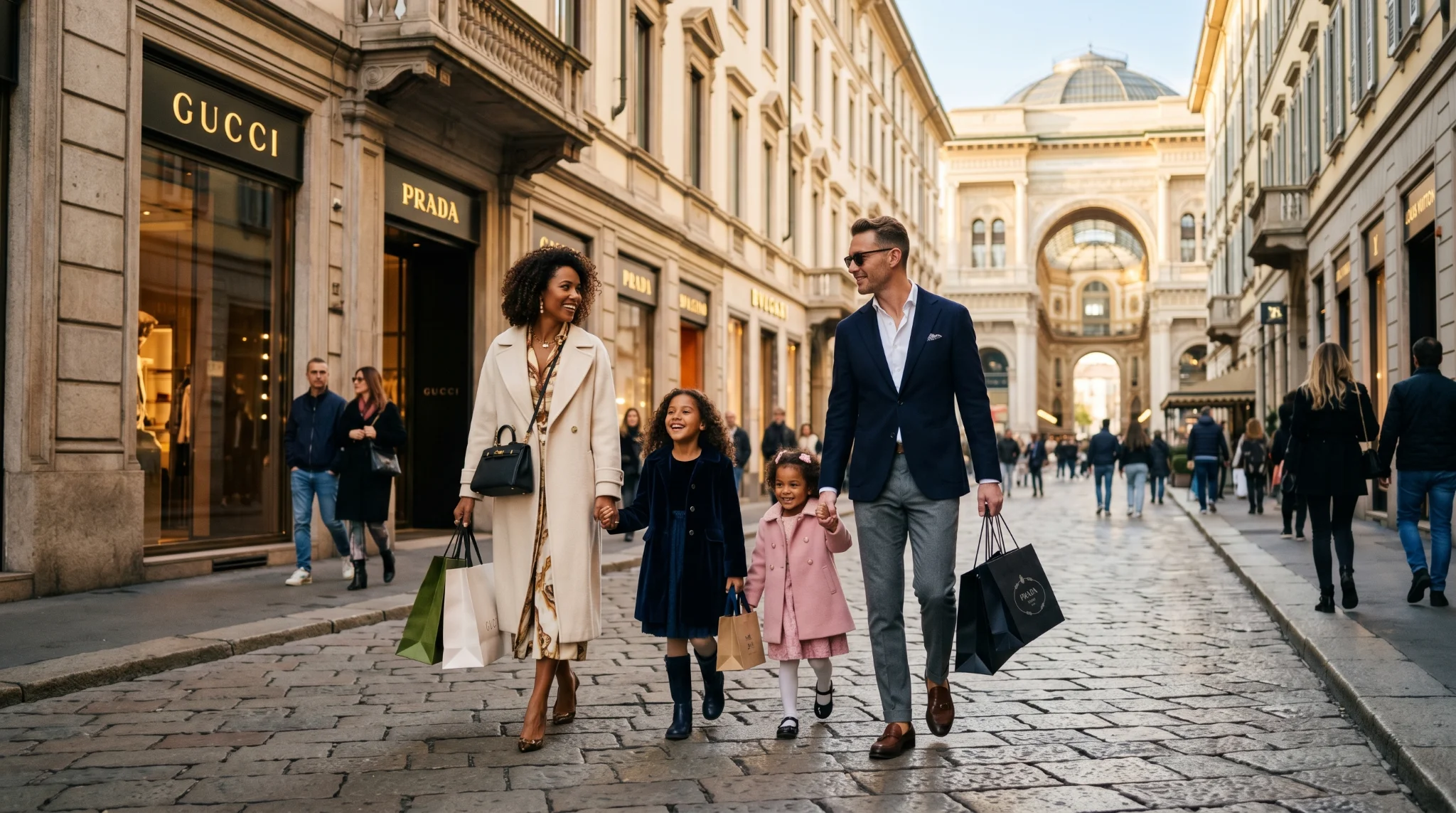
This is the one. The streets of Via Montenapoleone, Via della Spiga, Via Sant’Andrea, and Corso Venezia form a rectangle that contains the most concentrated assembly of luxury flagships anywhere in the world. Prada, Gucci, Louis Vuitton, Bottega Veneta, Hermès, Valentino, Dior — this is where they choose to be seen.
Via Montenapoleone (“Montenapol” to locals) is the axis of it all, quiet enough that you can actually browse without being jostled, lined with palazzo-style boutiques that open onto cool marble interiors. Via della Spiga runs parallel and has a slightly more intimate atmosphere with courtyards and quieter flagships.
Don’t be put off by the discretion of the window displays. The stores here welcome browsers. You don’t need to buy anything to absorb the craftsmanship on show — and when you do buy, the VAT refund makes the price considerably more reasonable than the label suggests.
Corso Vittorio Emanuele II — The High-Street Parade
Just a short walk from the Duomo, this pedestrian-only corridor is Milan’s busiest shopping street. Zara, H&M, Mango, Uniqlo, and a range of Italian mid-market brands line both sides. It connects to the stunning Galleria Vittorio Emanuele II — a 19th-century iron-and-glass arcade housing Prada’s original store, Louis Vuitton, and some of the most beautiful architecture in the city. Even if you buy nothing in the Galleria, walk through it.
Corso Buenos Aires — Everyday Milan
Running northeast from Piazzale Loreto, Corso Buenos Aires is the longest shopping street in Europe and one of the most democratic. Clothing chains, shoe stores, perfumeries, opticians, and sportswear sit side by side for roughly two kilometres. Prices are accessible, crowds are lively, and this is where Milanese residents actually shop. It is an excellent area for stocking up on Italian basics — linen shirts, leather belts, everyday eyewear — without luxury price tags.
Navigli — Vintage and Independent Boutiques
The Navigli canal district in southern Milan operates at a different pace. The towpaths are lined with vintage clothing stores, independent designers, antique dealers, and artisan workshops. If you are looking for something unusual — a deadstock Italian leather jacket, a hand-blocked print scarf, a unique piece of jewellery — Navigli repays exploration. The neighbourhood also hosts a major antique market along the Naviglio Grande on the last Sunday of each month.
Brera — Upscale and Artisanal
The Brera district, grouped around the Pinacoteca di Brera art gallery, offers a curated mid-to-high-end alternative to the Quadrilatero. You will find interior design studios, niche perfumers, concept stores, and independent fashion labels here. The atmosphere is refined without being intimidating, and the neighbourhood’s cafés make it a pleasant place to spend an afternoon.
What Should You Buy in Milan?
Milan produces some of the finest goods in the world. These are the categories worth prioritising.
Designer fashion is the obvious answer and remains the best value-for-money category once you factor in the VAT refund. Buying a Milanese-made piece in Milan — where the craftsmanship is local and the selection is complete — is simply different from buying the same item at a department store abroad.
Leather goods are Milan’s other defining specialty. Bags, wallets, gloves, belts, and shoes from Milanese artisans represent centuries of accumulated skill. Beyond the luxury houses, look for smaller leather workshops in Navigli and Brera for handmade pieces at more accessible prices.
Italian eyewear is world-class here. Brands like Persol, Moscot Italy, and dozens of independent opticians offer frames that are made in Italy to a standard rarely matched elsewhere. A quality pair of prescription or sun frames from a Milanese optician is one of the smartest purchases you can make.
Italian suits and tailoring for men (and increasingly for women) remain an exceptional buy. The tradition of Milanese tailoring is distinct from Neapolitan — cleaner, more structured — and even mid-range Italian tailors produce suits that outperform far more expensive imports in most other countries.
Food from Peck deserves its own mention. The deli on Via Spadari is one of the great food shops of Europe: aged Parmigiano, San Daniele prosciutto, white truffles in season, exceptional olive oils and balsamics, and a wine cellar that puts most specialist shops to shame. Vacuum-packed and properly wrapped food items can travel internationally and make extraordinary gifts.
How Do You Get a Tax Refund When Shopping in Milan?
Italy applies a standard VAT rate of 22% to most fashion items, leather goods, electronics, and jewellery. As a non-EU visitor, you are entitled to reclaim that tax on purchases you are taking out of the EU.
The key numbers for 2026: The minimum spend threshold was lowered from €154.95 to €70.01 per store per day in 2024, and this rate remains in effect for 2026. This means nearly any meaningful purchase now qualifies. The actual refund you receive after processing fees is typically between 11% and 15.5% of the purchase price — still significant on any major buy.
Step by step:
- Shop at a participating store. Look for the “Tax Free Shopping” sign, or simply ask — most stores in the Quadrilatero and major retail areas participate.
- Spend €70.01 or more in one store in one day. The threshold applies per store, not per transaction across multiple shops.
- Request a Tax-Free form before you pay. Tell the cashier you want a rimborso IVA (VAT refund). They will generate a form — increasingly digital via Italy’s OTELLO 2.0 customs system — linked to your passport.
- Do not use the goods before you leave the EU. Do not wear the shoes, apply the perfume, or unwrap items that should be presented for inspection at the border.
- Validate at the airport before check-in. At Milan Malpensa (MXP), find the Dogana (Customs) desk in Terminal 1 or Terminal 2. Present your goods, forms, receipts, and passport. Customs will stamp or digitally validate your forms. This step must happen before you check your luggage, so arrive with extra time.
- Collect your refund. After validation, go to the Global Blue or Planet refund desk to receive cash, or choose a credit card refund processed within a few weeks. Credit card is generally faster and avoids currency conversion losses on cash.
Important from July 2026: Italy is introducing a unified validation process under which invoices from different stores can be processed through a single passport-based workflow, reducing airport queue times significantly.
For a complete walkthrough of the process including eligible goods, exceptions, and the OTELLO kiosk system, see our full VAT refund Italy guide.
Planning to shop across multiple countries? Our VAT refund guide for Europe covers thresholds and rules for France, Spain, Germany, and more.
What Are the Best Outlets Near Milan?
Serravalle Designer Outlet — Europe’s Largest
Located in the Piedmont hills about 60–70 minutes from Milan, Serravalle Designer Outlet is the continent’s largest designer outlet mall, with over 230 stores spread across an open-air village styled in Ligurian-Piedmontese architecture. Discounts of 30–70% on current and previous season stock from brands including Gucci, Prada, Burberry, Fendi, Valentino, Moncler, Balenciaga, Tod’s, and dozens more.
Getting there is straightforward. Official shuttle buses operated by Zani Viaggi and Frigerio Viaggi depart from Milan Centrale station and Largo Cairoli (near the Castello Sforzesco) multiple times daily from around 9:00am, with return buses from the outlet in the afternoon. Round-trip tickets cost approximately €22–25. Book in advance, especially on weekends and during sale seasons.
The outlet is open Monday to Sunday, 10:00am to 8:00pm (extended to 9:00pm in summer). There are more than 15 cafés and restaurants on-site, including Eataly, California Bakery, and Cioccolati Italiani, making it a comfortable full-day outing. Free Wi-Fi, free parking, electric vehicle charging points, and a VIP Guest Lounge (bookable separately) round out the facilities.
Tax-free refunds apply at Serravalle in partnership with Global Blue, so bring your passport and request forms at the till as you would in the city.
Vicolungo The Style Outlets
A smaller alternative located northeast of Milan near Novara, Vicolungo is a more manageable outlet for visitors who find Serravalle overwhelming. It carries a strong selection of Italian brands alongside international names and is less likely to be crowded on peak shopping weekends.
What Are the Best Department Stores in Milan?
La Rinascente — Piazza del Duomo
La Rinascente on Piazza del Duomo is more than a department store — it is a Milan institution. Nine floors carry everything from cosmetics and designer ready-to-wear to homeware and Italian food. The top-floor food hall and terrace bar have one of the most extraordinary views in the city: the Duomo’s Gothic spires at eye level, the rooftop statuary close enough to inspect. It is worth going up whether you buy anything or not.
La Rinascente participates in the tax-free shopping scheme, and staff are experienced with international visitor refund paperwork. The beauty floor alone — carrying Italian and niche international brands not easily found elsewhere — justifies a visit.
Coin Excelsior — Porta Venezia
Coin Excelsior offers a more curated, contemporary alternative with strong coverage of Italian contemporary designers and international labels. The food floor in the basement is excellent for edible gifts: premium Italian pantry staples, regional specialties, and well-chosen wines at more accessible prices than specialist deli shops.
Practical Shopping Tips for Milan
Opening hours: Most Milan stores open 10:00am–7:30pm, Monday to Saturday. Many close for an extended lunch break (1:00pm–3:00pm) in smaller boutiques, though luxury flagships and department stores generally stay open. Sunday openings in the Quadrilatero and central areas are increasingly common but not universal — check ahead.
Milan Fashion Week: The city receives a sharp influx of international buyers and press during February (autumn/winter collections) and September (spring/summer). Flagship stores are busy, appointments can be harder to secure, and restaurant tables scarce. Unless you have specific fashion week access, these are not ideal weeks for leisurely shopping. Visit just before or just after for a calmer experience.
Payment: Credit and debit cards are universally accepted in the Quadrilatero and major stores. Smaller boutiques and market stalls may be cash-preferred. Contactless payment works reliably throughout the city.
Alterations: Many luxury stores and independent tailors offer in-house alteration services. For suits and tailored pieces, ask about turnaround time at purchase — many can complete basic alterations within 24–48 hours for garments bought in-store.
Carry your passport: You will need it to open any Tax-Free form at the point of purchase. Don’t rely on a photo of your passport on your phone — physical or certified copies are required.
The Saldi: Italy’s regulated sale periods in January (winter) and July (summer) offer the deepest legitimate discounts of the year. Luxury flagships reduce select items; mid-range stores can go to 50–70% off. If you can time a Milan visit around the opening week of the Saldi, it is exceptional value.
Planning the rest of your Milan trip? Our complete Milan travel guide covers neighbourhoods, restaurants, day trips, and transport.
Frequently Asked Questions
The Quadrilatero della Moda — Milan's Fashion Quadrilateral — is the city's top luxury district. The key streets are Via Montenapoleone, Via della Spiga, Via Sant'Andrea, and Corso Venezia. Every major Italian and international luxury house has a flagship here.
Yes. Non-EU residents spending €70.01 or more in a single store on the same day qualify for a VAT refund of up to 22% on eligible goods. Ask for a Tax-Free form (rimborso IVA) at the till before you pay.
Serravalle Designer Outlet in Piedmont — about one hour from Milan by shuttle bus — is the largest designer outlet in Europe, with over 230 stores offering discounts of 30–70% on luxury and high-street brands.
Designer fashion, leather bags and shoes, Italian-made suits and eyewear are the classic choices. For food, visit Peck on Via Spadari for exceptional Italian deli products, wine, and gourmet gifts to take home.
At Milan Malpensa (MXP), go to the Dogana (Customs) desk in Terminal 1 or Terminal 2 before you check in your bags. Have your goods, receipts, tax-free forms, and passport ready for inspection.
Corso Buenos Aires is the longest shopping street in Europe and is lined with accessible mid-range brands. Corso Vittorio Emanuele II near the Duomo is great for international high-street names, while the Navigli canal district is perfect for vintage and independent boutiques.
The Italian Saldi (sales) run twice a year: in January for winter clearance and in July for summer clearance. These are legally regulated sale periods and offer some of the deepest genuine discounts of the year.
It depends entirely on where you go. The Quadrilatero della Moda is ultra-luxury with prices to match. But Corso Buenos Aires offers solid mid-range value, and Serravalle Designer Outlet gives you luxury brands at 30–70% off retail. There is a Milan for every budget.