How to Travel Europe on €80/Day
Last Updated: June 1, 2026
€80/day for Europe sounds tight — and in cities like Zurich or Paris it can be. But with the right approach, you can travel comfortably across most of Europe for that budget or less. Here’s how.
Where Your €80 Goes
- Accommodation: €25–35
- Food: €20–25
- Transport (local): €5–10
- Attractions + activities: €10–15
- Buffer (coffee, tips, surprises): €5–10
Accommodation: Sleep Smart
Hostels with private rooms now cost €40–70 in most European cities — not much cheaper than a budget hotel. For true savings:
- Dorm beds in hostels: €18–30/night in most cities
- Booking.com for last-minute hotel deals (often 30–40% cheaper than list price)
- Apartment rentals for groups of 2+ — split cost beats a hotel every time
- Stay slightly outside the centre — one metro stop out cuts prices by 20–40%
Food: Eat Like a Local
Restaurants in tourist zones charge 2–3× what locals pay. The strategy:
- Breakfast at a supermarket (yoghurt, fruit, pastry: €3–5)
- Lunch is your big meal — many restaurants offer a fixed “lunch menu” (2–3 courses for €10–15) that costs twice as much at dinner
- Shop at Lidl, Aldi, Mercadona, or REWE for picnic dinners — €5–8 feeds you well
- Street food and markets: €4–8 for a filling meal
- Avoid sitting down at cafés in major squares — stand at the bar (Italian style) and pay 40–60% less
Transport: The Biggest Variable
Inter-city transport is where budgets blow out. Rules:
- Book trains 60–90 days ahead — early prices in Europe are often 50–70% cheaper
- Use Flixbus or BlaBlaCar for routes where trains are expensive
- Budget airlines (Ryanair, Wizz, easyJet) can beat train prices for longer routes — but count bag fees
- In cities, buy a 3–7 day transit pass instead of single tickets
- Walk everywhere you can — European old towns are compact and beautiful on foot
Attractions: Free First, Paid Second
- Most European cities have excellent free museums (London, Berlin, Amsterdam have many)
- Churches and cathedrals are almost always free to enter
- City parks, markets, and neighbourhoods cost nothing
- For paid attractions: book online to skip queues and sometimes save 10–15%
- City tourist cards (e.g. Paris Museum Pass) pay off if you’re visiting 3+ paid sites in one city
Hidden Costs to Watch
- ATM fees — use a no-fee card (Wise, Revolut) or withdraw large amounts less frequently
- Airport transfers — always check the public transit option first (often €5–10 vs €30–50 for taxis)
- Luggage fees on budget airlines — a checked bag often costs more than the ticket itself
- Tourist restaurants near landmarks — walk 2–3 streets away and prices drop significantly
- Bottled water — European tap water is safe almost everywhere; carry a reusable bottle
Cities Where €80/Day Is Easiest
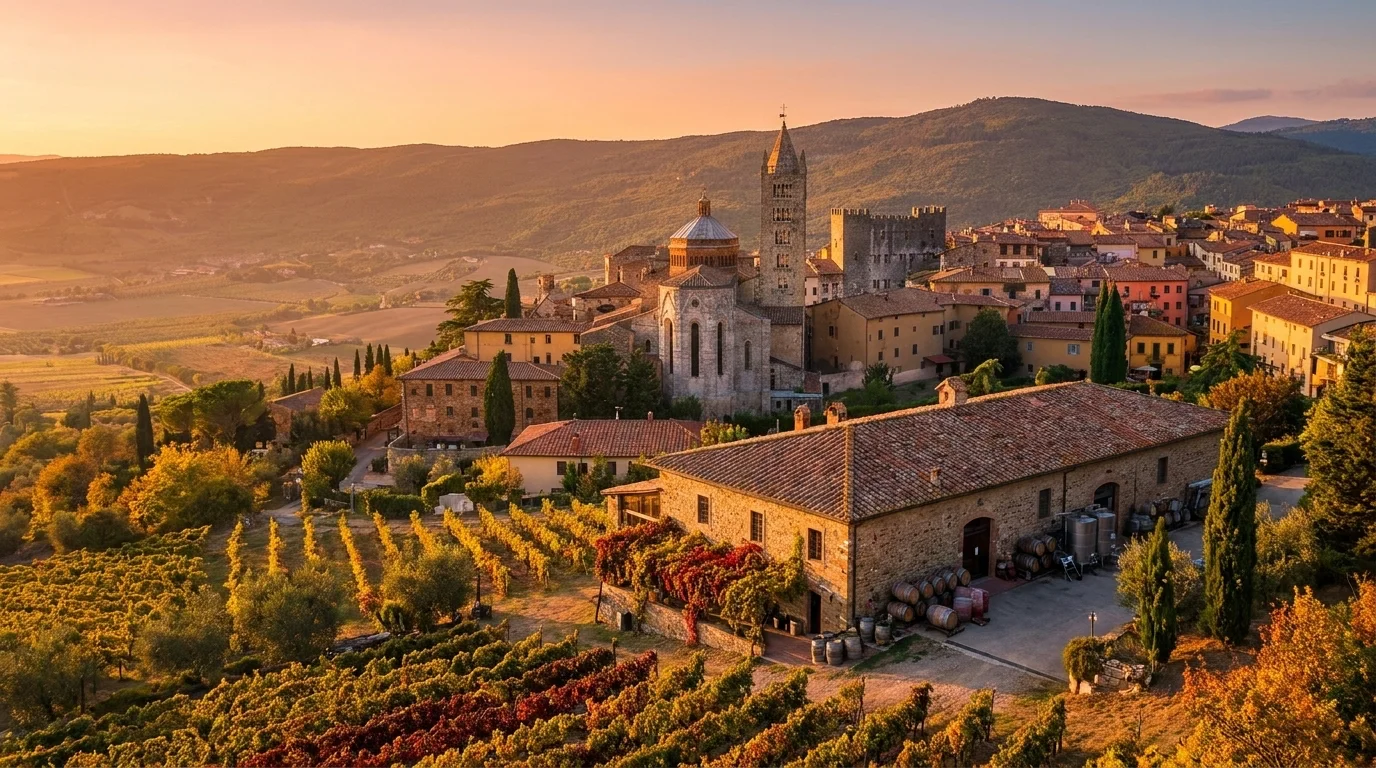
Eastern Europe and Southern Europe are the easiest targets: Prague, Budapest, Krakow, Lisbon, Seville, Naples, and Bari all fall comfortably under €80/day with money to spare. Western Europe (Paris, Amsterdam, Zurich) requires more discipline but is still doable with the rules above.
Cities Where You’ll Need to Be Strict
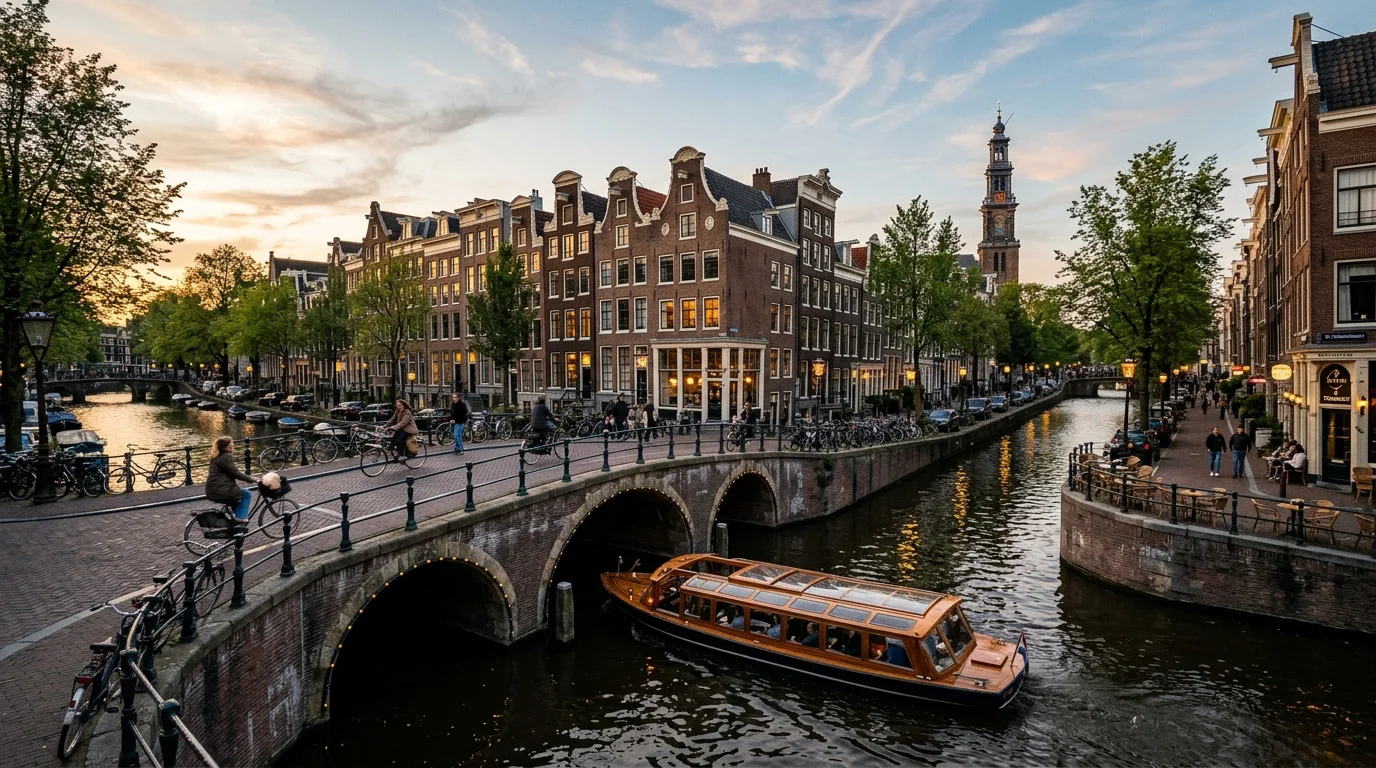
In Zurich, Geneva, Copenhagen, and Amsterdam, €80/day is genuinely difficult. Accommodation alone often costs €40–55 for the cheapest private room. In these cities: stay in a hostel dorm, cook your own meals, and prioritise free attractions. Alternatively, use them as day trips from a cheaper nearby base.
The One Rule That Changes Everything
Book accommodation with free cancellation, then keep checking prices. Hotel and hostel prices fluctuate daily. If you book early and prices drop, cancel and rebook. If you find a better place, cancel and move. This single habit can save €150–300 on a two-week trip.
Frequently Asked Questions
Yes — in most of Europe, €80/day covers accommodation, food, local transport, and one or two paid attractions. It is tightest in cities like Zurich, Paris, and Amsterdam where accommodation alone can push €40–50. In Eastern and Southern Europe (Prague, Lisbon, Naples, Krakow), €80/day is genuinely comfortable and leaves room for experiences.
Book trains 60–90 days in advance for the lowest prices. Flixbus and BlaBlaCar are the cheapest options for longer routes. Budget airlines (Ryanair, Wizz, easyJet) can be very cheap but add bag fees. Within cities, multi-day transit passes always beat single tickets.
Stay in hostel dorms (€18–30/night) for the lowest cost. For private rooms, look one metro stop outside the city centre — prices drop 20–40% immediately. For groups of two or more, apartment rentals on Booking.com often beat hotel prices. Always book with free cancellation so you can rebook if a cheaper option appears.
Poland, Hungary, Romania, Bulgaria, and the Balkan countries are consistently the cheapest in Europe. Western Balkan cities like Tirana (Albania) and Sarajevo (Bosnia) are among the least expensive destinations on the continent. In Western Europe, Portugal — especially Porto and the Alentejo region — offers the best value.
Walk two or three streets away from any major landmark or main square — prices drop significantly within minutes. Look for menus written by hand (not printed in six languages), restaurants where locals are eating, and places that do not have a person outside trying to attract customers. The lunch menu (menú del día in Spain, menù fisso in Italy) offers the best value: two or three courses for €10–15.
A no-fee travel card like Wise or Revolut is the best option — you pay the mid-market exchange rate with no transaction fees. Use it to pay by card wherever possible. When you need cash, withdraw larger amounts less frequently to minimize ATM fees. Avoid airport currency exchange desks, which typically offer rates 8–12% worse than market rate.