Vancouver Travel Guide: Everything You Need to Know for 2026
Last Updated: March 2026
Your complete guide to visiting one of Canada's most spectacular cities
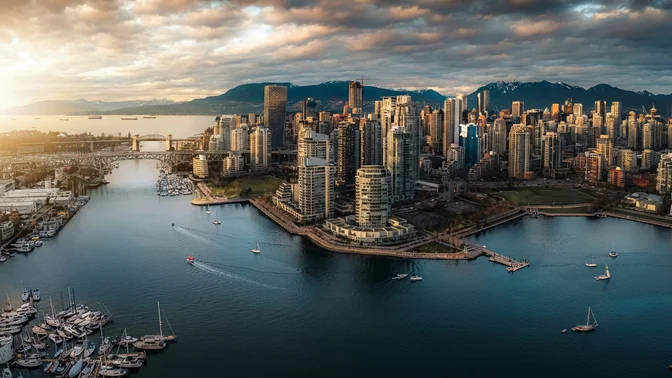
Vancouver is a stunning coastal city in British Columbia, Canada, nestled between the Pacific Ocean and the Coast Mountain Range. It is best known for its breathtaking scenery, world-class food scene, and the vibrant mix of outdoor adventure and urban sophistication. Visitors come here for hiking, skiing, whale watching, incredible seafood, and a multicultural city culture unlike anywhere else in North America.
Table of Contents
- Vancouver Overview
- Getting There & Around
- Top Attractions & Landmarks
- Neighborhoods & Districts
- Food & Dining
- Nightlife & Entertainment
- Shopping
- Seasonal Events & Festivals
- Accommodation Recommendations
- Practical Information
- Day Trips & Nearby Destinations
- Insider Tips & Hidden Gems
- Money-Saving Tips
- Common Tourist Mistakes to Avoid
- Sample Itineraries
- Frequently Asked Questions
What Is Vancouver and Why Should You Visit?
Vancouver is one of the world's most livable and visually spectacular cities, perched on the southwest coast of Canada in the province of British Columbia. With the Pacific Ocean on one side and dramatic snow-capped mountains on the other, the city offers a rare combination of natural beauty and cosmopolitan energy. Its mild (by Canadian standards) climate, clean streets, and remarkable food scene make it a destination that appeals to just about everyone.
People visit Vancouver for its stunning Stanley Park seawall, the cultural diversity of neighbourhoods like Chinatown and the West End, award-winning restaurants, and its proximity to world-class skiing at Whistler. It's also a gateway to whale watching, kayaking, and hiking in some of North America's most dramatic wilderness. Whether you're an outdoor adventurer, a foodie, an art lover, or a family looking for a safe and exciting city break, Vancouver delivers.
Vancouver is not a cheap destination — it's one of the most expensive cities in Canada — but smart planning and a few insider tips (found throughout this guide) will help you get the most out of every dollar you spend here.
When Is the Best Time to Visit Vancouver?
Summer (June–August): This is peak tourist season, with warm temperatures averaging 18–22°C (65–72°F), long sunny days, and vibrant outdoor festivals. Expect larger crowds at Stanley Park, Granville Island, and popular attractions, along with higher hotel prices. Book accommodation at least 2–3 months in advance for summer visits.
Winter (November–February): Vancouver winters are mild and rainy by Canadian standards — rarely dropping below 0°C (32°F) in the city. While the weather can be grey and damp, this is ski season at nearby Whistler and Cypress Mountain. Hotel prices drop significantly and the city is far less crowded.
Shoulder Season (March–May & September–October): These months offer a wonderful balance — spring brings cherry blossoms and warming temperatures, while autumn delivers golden foliage, harvest produce, and the popular Vancouver International Film Festival. Prices are more reasonable, and the city is still very much alive.
Festival Season: Vancouver's festival calendar is packed year-round. The Celebration of Light fireworks festival in July/August, the Vancouver Folk Music Festival, and the Winter Jazz Festival are just a few highlights that make the city electric at different times of year.
How Many Days Do You Need in Vancouver?
- 1–2 days: Covers Stanley Park, Granville Island Market, Gastown, and a stroll along the seawall. Best for cruise passengers or transit travellers.
- 3–4 days: The ideal length for first-time visitors. Adds neighbourhood exploration, a day at Capilano Suspension Bridge or Grouse Mountain, and time to eat your way through the city's restaurants.
- 5–7 days: Allows a day trip to Whistler or the Sea-to-Sky corridor, exploring Richmond's Asian food scene, kayaking in Indian Arm, and uncovering hidden gems.
- 1 week+: For travellers who want to live like a local — weekend farmers' markets, day trips to Vancouver Island or the Gulf Islands, hiking in the North Shore mountains, and deep dives into the arts scene.
Quick Facts About Vancouver
- Population: ~675,000 city proper; ~2.6 million metro area (2024)
- Language: English (English widely spoken everywhere; over 50% of residents also speak a second language)
- Currency: Canadian Dollar (CAD / C$)
- Time Zone: Pacific Time (PT) — UTC−8 (UTC−7 during daylight saving)
- Country Code: +1
- Area Code: 604 / 778 / 236
- Climate: Oceanic (mild, wet winters; warm, dry summers)
- Altitude: ~0–30 m (0–100 ft) above sea level in the city centre
How Do You Get To and Around Vancouver?
The easiest way to reach Vancouver is by flying into Vancouver International Airport (YVR), one of North America's best-connected airports, located just 13 km south of downtown. Once in the city, Vancouver has an excellent public transit system that covers most major attractions — making a rental car unnecessary for most visitors.
Which Airports Serve Vancouver?
Vancouver International Airport (YVR)
3211 Grant McConachie Way, Richmond, BC V7B 0A4
YVR is the main international gateway, served by Air Canada, WestJet, British Airways, Cathay Pacific, Lufthansa, and dozens of others. It's consistently rated one of North America's top airports for cleanliness, food, and transit connectivity. A second smaller airport, Vancouver Harbour Flight Centre, handles floatplane routes to Victoria and nearby Gulf Islands.
How Do You Get from the Airport to the City Centre?
Canada Line SkyTrain: C$4.55–C$10.25 depending on zone and time; approximately 26 minutes to downtown Waterfront Station. This is the fastest and most affordable option — the train runs from 5:07 AM to 1:09 AM daily and leaves from the airport's domestic terminal level.
Official Taxi: C$35–C$45 flat rate to downtown; approximately 25–35 minutes (longer in rush hour). Only use taxis from the official taxi queue on Level 2 of the terminal.
Rideshare (Uber/Lyft): Typically C$30–C$50 depending on time of day and traffic. Both apps are active in Vancouver — pick up from the designated rideshare area outside the domestic arrivals.
Private Transfer: C$75–C$120 for a sedan transfer. Worth it for groups of 4 or travellers with lots of luggage. Pre-book online for peace of mind.
What Is the Best Way to Get Around Vancouver?
The best way to get around Vancouver is a combination of the SkyTrain, buses, and walking — the city's transit system (TransLink) is comprehensive, affordable, and tourist-friendly. Most major sights are within walking distance of a SkyTrain station or bus stop.
Public Transport (TransLink)
TransLink operates the SkyTrain (rapid transit), buses, the SeaBus (ferry to North Vancouver), and the West Coast Express (suburban rail). The system runs 24/7 on some routes and is the most efficient way to get between neighbourhoods.
Tickets & Passes (2026 prices):
- Single ride (1 zone): C$3.25
- Single ride (2–3 zones): C$4.55–C$6.05
- Compass Card (reloadable): C$6 deposit (refundable), load as needed
- Day Pass: C$11.25 (unlimited travel all day — excellent value for tourists)
- Monthly pass: C$109–C$182 depending on zones
Taxis & Rideshare
Uber and Lyft both operate in Vancouver and are reliable, safe options. Traditional taxis include Yellow Cab (604-681-1111) and Black Top & Checker Cabs (604-731-1111). Expect to pay C$12–C$18 for most journeys within downtown. Surge pricing applies during major events and late-night weekends.
Cycling
Vancouver is extremely cycle-friendly, with an extensive network of dedicated bike lanes. Mobi by Shaw Go bike share (mobi.ca) operates across the city — single trips from C$3.50 per 30 minutes, or a day pass for C$9. The seawall route around Stanley Park and False Creek is particularly spectacular on two wheels.
Walking
Vancouver's downtown core, West End, Yaletown, Gastown, and Chinatown are all easily walkable. The famous 22 km seawall around the waterfront is one of the world's great urban walks. In summer, walking is the most enjoyable and photogenic way to experience the city.
Walkability Score: 92/100 for the downtown core. Most major attractions are within 20–30 minutes' walk of each other in the city centre.
What Are the Top Attractions and Landmarks in Vancouver?
Vancouver's top attractions range from world-famous parks and suspension bridges to vibrant public markets and Indigenous cultural centres. Here are the must-see sights in the city.
Stanley Park
Stanley Park Causeway, Vancouver, BC V6G 3E2
Stanley Park is one of the greatest urban parks in the world — a 405-hectare (1,000-acre) rainforest peninsula jutting into Burrard Inlet, just minutes from downtown. Inside you'll find old-growth Douglas firs, a 22 km seawall, beaches, totem poles, rose gardens, a miniature railway, and stunning mountain views. It's also home to the Vancouver Aquarium (Canada's largest).
The park is a sacred space for the Musqueam, Squamish, and Tsleil-Waututh Nations — look for interpretive signs throughout that share Indigenous history and the pre-colonial name of the area, Xʷayxʷay. The park never closes, and more than 8 million people visit each year.
Why visit: Simply put, Stanley Park is unmissable. Walking or cycling the seawall as the sun sets over the mountains and ocean is one of the most beautiful experiences in all of Canada.
Entrance: Park entry is FREE; Vancouver Aquarium adults C$40, children (3–12) C$25 (2026)
Best time: Early morning for fog-covered forest; golden hour for seawall sunsets
Hours: Park open 24/7; Aquarium 10 AM – 5 PM daily (extended summer hours)
Granville Island Public Market
1661 Duranleau St, Vancouver, BC V6H 3S3
Granville Island is a vibrant peninsula under the Granville Bridge that was transformed from an industrial area into one of North America's most celebrated public markets. The indoor market is packed with local artisan food vendors, fresh seafood, BC wine and cheese, handmade crafts, bakeries, and street performers. It's the beating heart of Vancouver's food scene.
Beyond the market, the island is home to artist studios, theatres, microbreweries, and excellent restaurants. The False Creek Ferry docks here, making it easy to reach from downtown or Yaletown by a charming 3-minute water taxi ride.
Why visit: There is nowhere better in Vancouver to sample local food culture — smoked salmon, BC wine, fresh produce, artisan bread, and homemade jam all under one roof.
Entrance: FREE (individual vendors charge for food and crafts)
Best time: Weekday mornings for a quieter experience; weekends are lively but crowded
Hours: Market open daily 9 AM – 7 PM
Capilano Suspension Bridge Park
3735 Capilano Rd, North Vancouver, BC V7R 4J1
Capilano Suspension Bridge is one of Vancouver's most iconic attractions — a 140-metre (460 ft) long, 70-metre (230 ft) high bridge swaying gently over the Capilano River canyon through old-growth temperate rainforest. The park also features Cliffwalk (a series of narrow cantilever bridges along the cliff face) and the Treetops Adventure (seven suspension bridges through the forest canopy).
The park has excellent Indigenous art displays and educational signage about the history of the region. While the price tag is steep, the experience — especially in autumn when the foliage turns — is genuinely spectacular and unlike anything you'll find in most cities.
Why visit: The combination of the suspension bridge, Cliffwalk, and Treetops Adventure creates a half-day of genuine adventure with stunning forest scenery. The free shuttle from downtown Canada Place makes it very convenient.
Entrance: Adults C$69.95, Seniors (65+) C$64.95, Youth (13–17) C$39.95, Children (6–12) C$22.95 (2026)
Best time: First thing in the morning or late afternoon to avoid midday crowds
Hours: Daily 9 AM – 5 PM (extended summer hours until 8 PM)
Gastown
Water St, Vancouver, BC V6B 1B5 (Steam Clock location)
Gastown is Vancouver's oldest neighbourhood and its most atmospheric — a cobblestoned enclave of Victorian brick buildings, independent boutiques, craft cocktail bars, and excellent restaurants clustered around the famous Steam Clock on Water Street. Named after "Gassy Jack" Deighton, the saloon keeper whose camp became the city's first settlement in 1867, it's a fascinating blend of history and hip modernity.
The neighbourhood has been thoroughly gentrified and is very safe and walkable. The iconic Steam Clock (at the corner of Water and Cambie Streets) lets off steam on the quarter hour and whistles at the top of each hour — always draws a crowd. The surrounding streets are full of excellent photo opportunities.
Why visit: Gastown is the best neighbourhood for first-time visitors to feel Vancouver's personality — beautiful architecture, great food and drink, easy to explore on foot, and directly accessible from the cruise ship terminal.
Entrance: FREE (outdoor neighbourhood)
Best time: Late afternoon or evening when the restaurants and bars come alive
Hours: Always open; most shops 10 AM – 6 PM; restaurants until late
Grouse Mountain
6400 Nancy Greene Way, North Vancouver, BC V7R 4K9
Grouse Mountain is the city's playground in the sky — a ski resort and year-round outdoor adventure hub perched at 1,231 metres (4,039 ft) above North Vancouver, just 30 minutes from downtown. In winter it offers skiing, snowboarding, and snowshoeing; in summer it becomes a hiking destination with incredible views across the city, ocean, and Gulf Islands. The gondola ride up alone is worth the trip.
At the summit you'll find resident grizzly bears (Grinder and Coola), a lumberjack show, hiking trails, a mountaintop skating rink (winter), helicopter tours, and several restaurants and cafés. On a clear day the views of Vancouver, the Fraser River delta, and Mount Baker in Washington State are breathtaking.
Why visit: The contrast of gazing down at a glittering Pacific city from a snow-capped peak is uniquely Vancouver — there's nowhere else in the world quite like this experience.
Entrance: Adult gondola C$65, Youth (13–18) C$45, Child (5–12) C$35; free for children under 5 (2026). Hiking access (Grouse Grind trail) requires a transit fee to use the gondola down.
Best time: Clear days for views; evenings for the city lights below
Hours: Daily from 9 AM; closing times vary by season (until 10 PM in summer)
Museum of Anthropology (MOA)
6393 NW Marine Dr, Vancouver, BC V6T 1Z2 (UBC Campus)
The Museum of Anthropology at UBC is one of Canada's finest museums and a must-see for anyone interested in Indigenous culture. The dramatic Arthur Erickson–designed building houses one of the world's most important collections of Pacific Northwest Coast Indigenous art and artifacts, including towering totem poles, intricately carved argillite sculptures, and ceremonial objects from Haida, Musqueam, Tsimshian, and other First Nations.
The building itself is a masterpiece — huge glass walls overlook a reflective pool and reconstructed Haida houses on the museum grounds. The "Multiversity Galleries" store over 10,000 objects in open, glass-fronted cases, allowing visitors to see an almost overwhelming breadth of world cultures in a beautifully organised format.
Why visit: MOA offers context and depth to the Indigenous art you'll see throughout Vancouver and British Columbia — it's emotionally powerful and intellectually enriching in equal measure.
Entrance: Adults C$23, Seniors & Students C$21, Youth (6–18) C$15 (2026); free on Tuesday evenings 5–9 PM
Best time: Tuesday evenings for free entry; weekday mornings are least crowded
Hours: Tuesday–Sunday 10 AM – 5 PM (Tuesdays until 9 PM); closed Mondays
Vancouver Art Gallery
750 Hornby St, Vancouver, BC V6Z 2H7
The Vancouver Art Gallery occupies the neoclassical former courthouse in the heart of downtown and is the largest art gallery in western Canada. The permanent collection focuses on Emily Carr — BC's most celebrated artist, whose swirling, forest-canopy paintings are icons of Canadian art — as well as other Canadian and international works. Major international touring exhibitions also pass through regularly.
The gallery's outdoor steps facing Robson Street are a beloved gathering spot for Vancouverites — you'll often find food trucks, political rallies, or skateboarders here regardless of the season. The on-site Gallery Café and Shop are excellent.
Why visit: Emily Carr's paintings alone are worth the visit — they capture the spiritual power of BC's forests in a way that photography simply cannot.
Entrance: Adults C$26, Seniors C$22, Students C$18, Children (under 12) FREE (2026); "Pay what you can" on Tuesday evenings 5–9 PM
Best time: Tuesday evenings; weekday afternoons for smaller crowds
Hours: Daily 10 AM – 5 PM; Tuesdays until 9 PM
Lynn Canyon Park & Suspension Bridge
3663 Park Rd, North Vancouver, BC V7J 3G3
Lynn Canyon Park is the free alternative to Capilano Suspension Bridge — and arguably more scenic. The park features a free suspension bridge over the Lynn Creek canyon, old-growth forest trails, swimming holes (30 Pool is legendary with locals), and waterfalls. It's a genuine wilderness experience just 30 minutes from downtown.
The Lynn Canyon Ecology Centre on site explains the temperate rainforest ecosystem and is particularly good for families with children. Multiple trails range from easy walks to challenging hikes along the canyon rim.
Why visit: This is the insider's choice — the locals' version of Capilano, without the crowds or the entry fee. The swimming holes in summer are an absolute treat.
Entrance: FREE (parking C$6–C$10 per day)
Best time: June–August for swimming; October for autumn foliage
Hours: Park open daily; Ecology Centre open 10 AM – 5 PM
Dr. Sun Yat-Sen Classical Chinese Garden
578 Carrall St, Vancouver, BC V6B 5K2
Tucked into the edge of Chinatown, this is the first authentic Ming Dynasty-style classical Chinese garden built outside of China, completed in 1986. Every rock, plant, pathway, and window is positioned according to the Taoist principles of yin and yang, creating a space of profound tranquility just steps from busy city streets. Master craftspeople from Suzhou, China used no power tools in its construction.
The garden is small — you can walk through it in 30 minutes — but it rewards slow, meditative exploration. Guided tours (included with admission) bring the symbolism of every element alive in a genuinely enlightening way.
Why visit: This is one of the most serene and culturally distinctive experiences in Vancouver — a genuine moment of peace that feels like stepping into another world (and century).
Entrance: Adults C$18, Seniors C$16, Students C$14, Children (under 6) FREE (2026)
Best time: Late spring when the lotus blooms; early morning for tranquility
Hours: Daily 10 AM – 4:30 PM (extended summer hours); closed Mondays in winter
Science World at TELUS World of Science
1455 Quebec St, Vancouver, BC V6A 3Z7
Science World's famous geodesic dome — designed for Expo 86 — is one of Vancouver's most recognisable landmarks. Inside, the hands-on science museum offers engaging exhibits on human biology, earth science, mathematics, and technology. It's outstanding for families but genuinely entertaining for adults too, particularly the OMNIMAX giant-screen theatre.
The building sits at the eastern end of False Creek and is directly accessible via the SkyTrain (Main Street–Science World Station). The outdoor Ken Spencer Science Park extends the experience with a free nature playground and community garden.
Why visit: Science World strikes the rare balance of being both genuinely educational and genuinely fun — an excellent rainy day option (of which Vancouver offers plenty).
Entrance: Adults C$35, Seniors & Youth C$28, Children (3–12) C$23.75 (2026); OMNIMAX add-on available
Best time: Weekday afternoons when school groups have cleared out
Hours: Daily 10 AM – 5 PM (extended summer and holiday hours)
What Are the Best Neighbourhoods to Explore in Vancouver?
Vancouver's neighbourhoods each have a completely distinct character — from the sleek glass towers of Coal Harbour to the funky murals of Mount Pleasant. Here are the best areas to explore.
Gastown
Character: Victorian brick buildings, cobblestone streets, gaslight-era atmosphere blended with trendy cocktail bars, boutique hotels, and acclaimed restaurants. The city's most photogenic neighbourhood, particularly at dusk.
What makes it special: Gastown is where Vancouver began — and it still feels like the city's most characterful and historic corner. The contrast of century-old architecture with cutting-edge restaurants like L'Abattoir and Ask for Luigi is uniquely engaging.
Best for: Foodies, photographers, history lovers, couples
Must-see in this area: Steam Clock (Water & Cambie St), Maple Tree Square (site of Gassy Jack's original saloon), L'Abattoir restaurant, Guilt & Co. live music venue
How to get there: 10-minute walk from Waterfront SkyTrain station; 5-minute walk from Canada Place cruise terminal
Location: Water St & Cambie St, Vancouver, BC V6B 1B5
Granville Island
Character: Industrial heritage converted into an arts and culture hub under the Granville Bridge. Bright painted warehouses, artist studios, theatres, microbreweries, and the famous Public Market create a festive, creative energy unlike anywhere else in the city.
What makes it special: Granville Island is not just a market — it's a community of artists, performers, chefs, and makers. The Emily Carr University of Art + Design is here, and the island hosts theatre performances, concerts, and craft fairs year-round.
Best for: Foodies, art lovers, families, anyone who appreciates local craftsmanship
Must-see in this area: Public Market, Net Loft boutiques, Granville Island Brewing (BC's first craft brewery), Edible Canada restaurant, False Creek Ferries dock
How to get there: False Creek Ferry from downtown (C$4); Bus #50 from downtown; cycling over Burrard or Granville Bridge
Location: 1661 Duranleau St, Vancouver, BC V6H 3S3
Yaletown
Character: Former CP Railway warehouse district transformed into Vancouver's most upscale urban neighbourhood — wide, converted brick loading docks now house designer boutiques, chef-driven restaurants, cocktail lounges, and luxury lofts. Very clean, very pretty, very prosperous.
What makes it special: Yaletown has an almost European boulevard quality — especially along Hamilton and Mainland Streets where restored warehouses line the streets. The David Lam and Emery Barnes Parks at its edges are beautifully landscaped dog-walking parks that fill with locals on sunny afternoons.
Best for: Upscale shoppers, cocktail enthusiasts, food lovers, people-watching
Must-see in this area: Hamilton Street restaurant strip, Yaletown Brewing Company, roundhouse community centre (historic locomotive display), False Creek waterfront seawall
How to get there: Yaletown–Roundhouse Canada Line station; 15-minute walk from downtown core
Location: Hamilton St & Mainland St, Vancouver, BC V6B 5L1
Commercial Drive ("The Drive")
Character: Vancouver's most colourful, independent, and politically eclectic neighbourhood — a long commercial strip running through East Vancouver that has historically been home to Italian, Portuguese, Latin American, and Ethiopian communities. Today it's beloved for its independent coffee shops, vegan restaurants, bookstores, vintage shops, and unabashedly bohemian spirit.
What makes it special: The Drive is where Vancouver locals go when they want to escape the gentrified polish of the West Side. It's messy, creative, multicultural, and genuine — with the best espresso culture and most interesting conversation in the city.
Best for: Independent travellers, coffee lovers, foodies seeking authentic multicultural food, anyone tired of tourist areas
Must-see in this area: Caffe Calabria (old-school Italian espresso bar), Grandview Park (best people-watching park in East Van), Havana Restaurant & Gallery, the Sunday Farmers' Market (summer)
How to get there: Broadway–Commercial SkyTrain station; Bus #20 down Commercial Drive
Location: Commercial Dr & E Broadway, Vancouver, BC V5N 1A5
Chinatown
Character: One of the largest and oldest Chinatowns in North America, with a UNESCO-recognized historic core of heritage buildings featuring distinctive recessed balconies and ornate facades. Home to the world's narrowest commercial building (Sam Kee Building), the Dr. Sun Yat-Sen Classical Chinese Garden, and a rapidly evolving food scene.
What makes it special: Chinatown is in the middle of a complex gentrification process — traditional herb shops, roast duck restaurants, and produce vendors coexist with hip cocktail bars, ramen shops, and galleries. The Keefer Bar here makes some of the city's most creative cocktails using traditional Chinese medicinal herbs.
Best for: History enthusiasts, food adventurers, photographers, anyone interested in immigrant community history
Must-see in this area: Dr. Sun Yat-Sen Classical Chinese Garden, Sam Kee Building (131 W Pender St), Keefer Bar, Pender Street night market, New Town Bakery
How to get there: Stadium–Chinatown SkyTrain station; 15-minute walk from Gastown
Location: E Pender St & Main St, Vancouver, BC V6A 1T8
Kitsilano ("Kits")
Character: Vancouver's sunniest and most beach-oriented residential neighbourhood, with a long stretch of sandy beach on English Bay, an Olympic-sized outdoor saltwater pool, and 4th Avenue lined with yoga studios, health food stores, surf shops, and excellent cafés. Feels distinctly West Coast and laid-back.
What makes it special: Kitsilano Beach in summer is where young Vancouver gathers — beach volleyball, kayaking, paddleboarding, and the legendary (and massive) outdoor heated pool at Kits Pool. The views of the North Shore mountains from the beach are postcard-perfect.
Best for: Beach lovers, families, outdoor fitness enthusiasts, those seeking a relaxed local neighbourhood feel
Must-see in this area: Kitsilano Beach Park (1499 Arbutus St), Kits Pool (2305 Cornwall Ave), Naam Restaurant (Vancouver's oldest vegetarian restaurant), 4th Avenue independent shops
How to get there: Bus #4, #7, or #84 from downtown; cycling across Burrard Bridge (10 minutes)
Location: Cornwall Ave & Arbutus St, Vancouver, BC V6J 1B5
What Food Should You Try in Vancouver?
Vancouver is one of the best food cities in North America — full stop. The city's Pacific location means spectacular seafood, while its extraordinary cultural diversity (over 180 languages spoken) means an unmatched range of authentic Asian cuisines alongside cutting-edge modern cooking. The must-try dishes are fresh Dungeness crab, BC salmon, dim sum, and Japanese ramen.
What Are the Must-Try Local Dishes in Vancouver?
- Dungeness Crab — BC's signature shellfish, sweet and firm, best eaten simply steamed or cracked with butter. Find it fresh at Granville Island Market or at restaurants like Go Fish! Ocean Emporium on the seawall.
- Wild Pacific Salmon — Sockeye, chinook, coho — BC salmon is world-renowned and leagues above farmed alternatives. Try it at a fine dining restaurant, smoked from a Granville Island vendor, or as a salmon burger from the legendary Go Fish! stall.
- Dim Sum — Richmond (the suburb immediately south of Vancouver) is home to the best dim sum outside of Hong Kong. The har gow, siu mai, and egg tarts at Aberdeen Centre-area restaurants are exceptional. Sun Sui Wah Seafood Restaurant in Vancouver is a classic.
- Ramen — The Japanese community in Vancouver brought exceptional ramen, and the scene has exploded. Ramen Danbo, Kintaro, and Marutama are beloved spots where queues form daily.
- BC Spot Prawns — Available only from May to June, these local spot prawns are phenomenally sweet and are nothing like the frozen imported variety. Granville Island Market during spot prawn season is an annual ritual for Vancouver food lovers.
- Poutine (BC Style) — While poutine is a Quebec tradition, Vancouver puts its own spin on it with fresh BC cheese curds and creative toppings. Fritz European Fry House on Davie Street does exceptional versions.
- Korean BBQ — The Robson Street and Cambie Village corridors are loaded with excellent Korean BBQ restaurants where you grill your own premium cuts of beef at the table. Gyo-Oh on Robson is a local favourite.
- Sushi — Vancouver's sushi scene is second only to Japan itself, driven by a large Japanese Canadian community and premium Pacific fish. Tojo's is world-famous (Hidekazu Tojo allegedly invented the California roll here), but there are hundreds of excellent options across every price point.
Where Should You Eat in Vancouver?
Budget-Friendly (Under C$15 per meal)
- Go Fish! Ocean Emporium — 1505 W 1st Ave, Vancouver, BC V6J 1E8 — An outdoor seafood stand on the Granville Island seawall with outstanding fish and chips and fresh salmon burgers. Cash only, expect a queue. Salmon fish and chips C$18 (2026).
- New Town Bakery — 148 E Pender St, Vancouver, BC V6A 1T3 — A legendary Chinatown institution serving pineapple buns (bolo bao), BBQ pork buns, and steamed cakes since the 1960s. Nothing over C$5.
- Peaceful Restaurant — 532 W Broadway, Vancouver, BC V5Z 1E9 — Vancouver's best cheap dumplings — pan-fried pork and chive dumplings for C$9 for a plate of ten. Always a queue, always worth it.
Mid-Range (C$25–C$60 per meal)
- Dachi — 667 W Broadway, Vancouver, BC V5Z 1G5 — Outstanding Japanese comfort food — the kakuni pork belly, gyoza, and wagyu tataki are exceptional. Lively izakaya atmosphere. C$25–C$50 per person.
- Miku Restaurant — 200 Granville St #70, Vancouver, BC V6C 1S4 — The best "aburi" (flame-seared) sushi in Vancouver, in a beautiful waterfront setting with views of the inlet. C$40–C$70 per person.
- Hawksworth Restaurant — 801 W Georgia St, Vancouver, BC V6C 1P7 — One of Vancouver's premier modern Canadian restaurants, housed in the historic Hotel Georgia. Exceptional seasonal menus. C$50–C$90 per person.
- Fable Kitchen — 1944 W 4th Ave, Vancouver, BC V6J 1M5 — A farm-to-table Kitsilano gem with creative BC-sourced seasonal menus. The weekend brunch is particularly beloved. C$25–C$50 per person.
Fine Dining (C$100+ per person)
- Tojo's Restaurant — 1133 W Broadway, Vancouver, BC V6H 1G1 — Legendary sushi chef Hidekazu Tojo's flagship restaurant; counter seats watching the master work are an exceptional experience. Omakase from C$150 per person.
- AnnaLena — 1809 W 1st Ave, Vancouver, BC V6J 1G6 — Intimate Kitsilano tasting menu restaurant that regularly appears on Canada's Best lists. Five-course tasting menu C$110 per person. Reserve weeks in advance.
What Are the Dining Customs in Vancouver?
Meal times: Breakfast 7–10 AM, lunch 11:30 AM – 2 PM, dinner 5:30–10 PM. Brunches on weekends are hugely popular and waits of 30–60 minutes are common at popular spots.
Tipping: 18–20% is the standard expected tip in Vancouver. Service is not typically included in the bill. For counter service or takeout, 10–15% is appreciated but not obligatory.
Reservations: Essential at any restaurant above mid-range level, particularly on Thursday, Friday, and Saturday evenings. Use Tock or OpenTable to book — many top restaurants fill 2–4 weeks in advance.
Dress code: Vancouver is casual — "smart casual" covers everything except Tojo's and a handful of formal hotel dining rooms.
What Is the Nightlife Like in Vancouver?
Vancouver's nightlife scene is lively but not as wild as Montreal or Toronto — think excellent cocktail bars, thriving live music venues, and a craft beer culture that's among the best in Canada, rather than late-night mega-clubs. Things typically get going around 9 PM, with bars and clubs open until 2 AM (the legal closing time in BC).
Where Are the Best Areas for Nightlife in Vancouver?
- Gastown: Water St & Blood Alley, Vancouver, BC — The epicentre of Vancouver's craft cocktail movement, with bars like The Diamond, Guilt & Co. (live music), and the Keefer Bar in adjacent Chinatown. Best for: sophisticated drinkers, live music fans.
- Davie Village (West End): Davie St between Burrard & Jervis, Vancouver, BC — The LGBTQ+ hub of the city, with a welcoming and festive bar scene. Celebrities nightclub is a Vancouver institution. Best for: LGBTQ+ travellers, late-night dancing.
- Granville Street Entertainment District: Granville St between Robson & Davie, Vancouver, BC — The most concentrated strip of nightclubs and live music venues in the city. Louder, younger, and more commercial than Gastown. Best for: club-goers and concert-seekers.
What Are the Best Bars and Clubs in Vancouver?
Bars & Pubs
- The Diamond — 6 Powell St, Gastown, Vancouver, BC V6A 1E9 — Small-batch cocktails in a gorgeous heritage space above a Japanese restaurant. Considered one of Canada's best bars. Cocktails C$18–C$22.
- Steamworks Brewing Company — 375 Water St, Gastown, Vancouver, BC V6B 5C6 — A massive Gastown brewpub in a converted heritage building with great house-brewed beers and a lively atmosphere. Pints from C$8.
- Prohibition — 801 W Georgia St, Vancouver, BC V6C 1P7 — Glamorous Art Deco cocktail lounge in the Hotel Georgia with excellent classic cocktails and a dress code that feels like 1920s Vancouver.
Clubs & Dancing
- Celebrities Nightclub — 1022 Davie St, Vancouver, BC V6E 1M3 — Vancouver's beloved LGBTQ+ club, but welcoming to everyone. Top DJ nights, themed events, and a great dance floor. Cover C$10–C$20.
- Fortune Sound Club — 147 E Pender St, Chinatown, Vancouver, BC V6A 1T6 — The city's best mid-size club for electronic music and hip-hop with excellent sound and a diverse, cool crowd. Cover C$10–C$25.
Live Music & Shows
- Guilt & Co. — 1 Alexander St, Gastown, Vancouver, BC V6A 1B2 — Intimate below-grade venue in a converted basement space with nightly live jazz, soul, blues, and indie. Cover C$5–C$15.
- Rogers Arena — 800 Griffiths Way, Vancouver, BC V6B 6G1 — The city's major concert venue (capacity 19,000), home to the Vancouver Canucks NHL team and major touring artists. Tickets vary widely.
What Family-Friendly Evening Entertainment Is Available?
Families can enjoy evening performances at the Queen Elizabeth Theatre or Arts Club Theatre Company, Grouse Mountain's nighttime gondola experience (spectacular city lights from above), an evening walk along the illuminated Olympic Cauldron at Jack Poole Plaza, or a False Creek ferry ride at dusk.
What and Where Should You Shop in Vancouver?
The best things to buy in Vancouver are Pacific Northwest Indigenous art and crafts, BC wines and spirits, locally roasted coffee, and outdoor gear from excellent local outfitters. The top shopping areas are Robson Street for mainstream retail, South Granville for boutiques, and Granville Island for artisan goods.
What Are the Best Shopping Districts in Vancouver?
- Robson Street: Robson St between Burrard & Denman, Vancouver, BC — The main pedestrian shopping strip, with international brands (Aritzia, Lululemon's original store), restaurants, and cafés. Busy year-round and great for people-watching.
- South Granville: Granville St between 7th & 16th Ave, Vancouver, BC — The city's most upscale shopping strip — art galleries, independent boutiques, home decor, and high-end restaurants. More relaxed and local than Robson.
- Main Street (Mount Pleasant): Main St between 2nd & 25th Ave, Vancouver, BC — The indie shopping destination for vintage clothing, local designer boutiques, antiques, and record stores. Very cool and very Vancouver.
What Markets Should You Visit in Vancouver?
Granville Island Public Market — 1661 Duranleau St, Vancouver, BC — Open daily 9 AM – 7 PM. The best market for food souvenirs — smoked salmon, BC honey, local cheeses, artisan preserves, and handmade chocolates. Also excellent for fresh produce and Pacific seafood.
Riley Park/Little Mountain Farmers' Market — 3981 Main St, Vancouver, BC — Wednesdays 3–7 PM (May–October). A wonderful neighbourhood market beloved by locals for its BC farm produce, hot food vendors, and community atmosphere. Far less touristy than Granville Island.
Lonsdale Quay Market — 123 Carrie Cates Ct, North Vancouver, BC — Daily 9 AM – 7 PM. Take the SeaBus from downtown Waterfront for this combination public market, artisan shops, and food hall on the North Shore waterfront.
What Should You Buy in Vancouver?
- BC Smoked Salmon — The perfect Vancouver souvenir, vacuum-packed for travel. Available at Granville Island and at Salmon Village in the market. C$25–C$50 for a gift pack.
- First Nations Art — Authentic Northwest Coast Indigenous artwork — prints, carvings, and jewellery — from reputable galleries like Coastal Peoples Fine Arts Gallery (1024 Mainland St, Yaletown). Look for the "Authentic First Nations" certification to ensure you're buying genuine Indigenous-made work.
- Lululemon — Vancouver is the birthplace of Lululemon — the flagship store on Robson Street often carries exclusive styles and sizes not available elsewhere. C$60–C$200 for most items.
- BC Wine — The Okanagan Valley produces world-class wine increasingly celebrated by international critics. Marquis Wine Cellars (1034 Davie St) and Liberty Wine Merchants have excellent BC selections. C$20–C$80 per bottle.
- Local Coffee Beans — Vancouver has a ferocious coffee culture. Take home beans from Forty Ninth Parallel, 49th Parallel, or Matchstick Coffee. C$18–C$25 per 250g bag.
- Outdoor Gear — MEC (Mountain Equipment Company, 130 W Broadway) is Canada's cooperative outdoor gear retailer with exceptional quality at fair prices — better range and pricing than US equivalents for hiking, camping, and cycling gear.
What Are the Shopping Hours and Customs?
Most stores in Vancouver open 10 AM – 9 PM on weekdays and 10 AM – 6 PM on Sundays. No bargaining is expected — prices are fixed everywhere except at some antique markets. BC has a 5% federal GST and 7% provincial PST on most retail purchases (12% total), but tourists cannot claim VAT refunds in Canada.
What Festivals and Events Happen in Vancouver?
Vancouver's biggest festivals are the Celebration of Light international fireworks competition in July/August, the Vancouver International Jazz Festival in June, and the Vancouver International Film Festival in September/October. The city has a remarkable event calendar with something happening almost every week of the year.
What Is the Annual Events Calendar for Vancouver?
| Month | Event Name | Description |
|---|---|---|
| January | Vancouver International Wine Festival | One of North America's largest wine events, held at the Vancouver Convention Centre. Over 170 wineries participate with tastings, seminars, and gala dinners. Early booking essential. |
| February | Dine Out Vancouver | A two-week festival where hundreds of Vancouver restaurants offer special prix fixe menus at C$25, C$45, or C$65 per person. The best way to access top restaurants at reduced prices. |
| March | Vancouver Cherry Blossom Festival | As over 40,000 cherry trees bloom across the city (particularly in the West End and on Camosun St), this festival celebrates spring with outdoor events, guided walks, and the iconic haiku contest. |
| April | Hot Docs Vancouver | Documentary film festival screenings across multiple venues. The VanCity Theatre hosts many events. |
| May | Vancouver Craft Beer Week | Week-long celebration of BC's booming craft brewing scene with special releases, brewery tours, and events across the city. |
| June | TD Vancouver International Jazz Festival | Over 300 free and ticketed concerts across 40+ venues over 10 days — one of the world's great jazz festivals. Gastown and the Roundhouse Community Centre are main hubs. |
| July | Celebration of Light | International fireworks competition over English Bay — one of the largest fireworks events in the world. Three nights of spectacular displays by competing countries. The beaches fill up hours in advance. |
| August | Pride Vancouver | One of North America's largest Pride festivals, with a massive parade along Robson and Burrard Streets, concerts, and community events throughout the West End and Davie Village. |
| September | Vancouver International Film Festival (VIFF) | One of the largest film festivals in North America, screening over 400 films from 80+ countries over 16 days. Many screenings at the Vancouver Centre for the Performing Arts and Cineplex theatres. |
| October | Eastside Culture Crawl | Four days of open artist studios in East Vancouver's industrial arts district — over 500 artists open their working spaces to the public. A remarkable way to engage with the city's creative community. |
| November | Vancouver Christmas Market | A traditional European-style outdoor Christmas market at Jack Poole Plaza (Olympic Village). Mulled wine, German bratwurst, artisan gifts, and an ice skating rink. |
| December | Winter Jazz Fest & Bright Nights | The Winter Jazz Fest (late Nov–early Jan) brings world-class jazz indoors; Bright Nights in Stanley Park features a festive train ride through illuminated forest trails for families. |
How Do Festivals Affect Hotel Prices and Availability?
The Celebration of Light fireworks in July/August, Pride weekend in August, and VIFF in September cause significant price increases (30–60%) and availability shortages at downtown hotels. For these events, book at least 2–3 months in advance. Dine Out Vancouver in February is an exception — it's a great time to visit when hotels are cheaper.
Where Should You Stay in Vancouver?
The best neighbourhood to stay in Vancouver depends on your travel style and priorities. Downtown and Coal Harbour are ideal for first-time visitors and business travellers; Kitsilano suits beach lovers and families; Gastown appeals to those wanting character and excellent food and drink nearby.
What Are the Best Neighbourhoods to Stay in Vancouver?
| Neighbourhood | Vibe | Price Range (per night, 2026) | Best For |
|---|---|---|---|
| Downtown / Coal Harbour | Central, walkable, modern | C$200–C$500+ | First-time visitors, business travellers |
| Gastown | Historic, atmospheric, foodie hub | C$180–C$400 | Couples, food & nightlife lovers |
| Yaletown | Upscale, trendy, waterfront | C$220–C$500 | Luxury travellers, design lovers |
| Kitsilano | Beach-town feel, relaxed | C$130–C$280 | Families, beach lovers, longer stays |
| East Vancouver | Local, bohemian, authentic | C$90–C$200 | Budget-conscious travellers, repeat visitors |
What Are the Pros and Cons of Each Area?
Downtown / Coal Harbour:
Pros: Walking distance to Stanley Park, Canada Place, Vancouver Art Gallery, and major shopping. Excellent transit access. Safe and clean.
Cons: Most expensive accommodation; can feel corporate and less distinctly "Vancouver."
Gastown:
Pros: The city's most atmospheric neighbourhood; excellent restaurants and bars on your doorstep; walkable to Chinatown and the waterfront. The Skagit Hotel and Burrard Hotel are excellent options here.
Cons: Can be noisy on weekend nights; the Downtown Eastside is immediately adjacent — not dangerous but visually uncomfortable for some visitors.
Kitsilano:
Pros: Quieter and more residential; beach access; feels genuinely local; excellent cafés and restaurants on 4th Ave and Broadway.
Cons: Less transit-connected than downtown; requires bus or bike to reach most major sights.
How Far in Advance Should You Book in Vancouver?
For summer visits (June–August) and major festival weekends, book at least 2–3 months in advance. For shoulder season (March–May, September–October), 3–6 weeks is usually sufficient. Winter months offer the most flexibility and best prices, but book ahead if you're visiting during the Christmas market or major events. Always check cancellation policies — flexible rates are worth the small premium.
What Do You Need to Know Before Visiting Vancouver?
Here are the essential practical details every visitor to Vancouver needs to know before they arrive.
Essential Travel Details for Vancouver
- Currency: Canadian Dollar (CAD / C$). Exchange at banks or airport; avoid hotel exchange desks (poor rates).
- Credit Cards: Widely accepted everywhere, including food trucks and markets. Visa and Mastercard are universal; Amex accepted at most restaurants and hotels.
- ATMs: Available throughout the city. Use bank ATMs (RBC, TD, Scotiabank) to avoid high fees. Daily withdrawal limit typically C$500–C$1,000.
- Language: English. No language barrier for English speakers. Over 180 languages spoken in the city — staff in tourist areas are accustomed to communicating with non-English speakers.
- Tipping: 18–20% at restaurants; 15% for taxis; C$1–C$2 per bag for hotel porters. Tip on the pre-tax amount.
- Electrical Plugs: Type A & B (North American standard), 120V/60Hz. European and UK visitors need adapters and possibly converters for high-wattage devices.
- Emergency Number: 911 (police, ambulance, fire)
- Non-Emergency Police: 604-717-3321 (Vancouver Police Department)
- SIM Cards: Available at the airport and from carriers Rogers, Bell, Telus, Fido, and Koodo. A tourist data SIM costs C$30–C$60 for 15–30 days. eSIM options also available.
- WiFi: Excellent free WiFi throughout most cafés, restaurants, libraries, and public spaces. The City of Vancouver provides free WiFi in downtown core public areas.
- Tap Water: Safe and excellent to drink — Vancouver's water comes from three pristine mountain reservoirs (Capilano, Seymour, and Coquitlam).
How Much Does It Cost to Visit Vancouver?
| Budget Type | Daily Cost (CAD) | What's Included |
|---|---|---|
| Budget Traveller | C$80–C$130/day | Hostel or budget guesthouse (C$40–C$70), street food and budget restaurants, transit pass, free attractions (Stanley Park, seawall, Lynn Canyon) |
| Mid-Range Traveller | C$200–C$350/day | 3-star hotel (C$130–C$200), mix of restaurants (one sit-down meal daily), occasional taxis, 1–2 paid attractions per day, guided tour |
| Luxury Traveller | C$500+/day | 4-5 star hotel (C$300–C$600+), fine dining, private tours, premium experiences (helicopter, whale watching), Uber/taxis |
What Are the Most Useful Phrases in Vancouver?
Vancouver is an English-speaking city, so no local language phrases are required. However, here are some distinctly Canadian expressions you may encounter:
- "Toque" — A knitted winter hat (beanie)
- "Double-double" — Tim Hortons coffee with two creams and two sugars
- "Loonie / Toonie" — The C$1 and C$2 coins
- "The Drive" — Commercial Drive neighbourhood
- "Patio" — Any outdoor seating area (treated as sacred by Vancouverites on sunny days)
- "Heli-skiing" — Skiing accessed by helicopter (Whistler area)
- "Washroom" — The Canadian term for bathroom/restroom
Is Vancouver Safe for Tourists?
Yes — Vancouver is one of the safest major cities in North America for tourists. Violent crime against visitors is extremely rare. The city is clean, well-lit, and has a visible police presence in tourist areas.
Areas to be cautious in: The Downtown Eastside (DTES), particularly the Hastings Street corridor between Main Street and Abbott Street, has significant social issues — extreme poverty, open drug use, and mental health crises. It is not a dangerous area for visitors passing through during daylight, but it can be distressing to witness and is best avoided at night.
Common scams: "Scratch card" scams near tourist areas (winning scratch cards that require you to visit a distant location); overpriced souvenir "Indigenous" art (not actually made by Indigenous artists); unlicensed taxis near the airport or cruise terminal.
Pickpocketing: Uncommon by major city standards but remains possible on the SkyTrain and in crowded markets. Keep bags zipped and phones in pockets.
Solo traveller safety: Vancouver is excellent for solo travellers, including women travelling alone. The LGBTQ+ community is well-integrated and widely welcomed throughout the city. Take normal urban precautions after midnight.
What Are the Cultural Customs in Vancouver?
- Greetings: Friendly and informal — a smile and "Hi" or "Hey" is perfectly normal. Canadians are generally warm, polite, and genuinely helpful to visitors.
- Dress code: Very casual throughout. Even at upscale restaurants, smart casual is fine. Outdoor gear is worn everywhere without self-consciousness.
- Photography: Generally fine in public spaces. Always ask before photographing Indigenous ceremonies or artwork. Do not photograph the Downtown Eastside residents without permission.
- Public behavior: Canadians are notably polite — hold doors open, stand to the right on escalators, and queue patiently. Loud or aggressive behaviour in public is unusual and frowned upon.
- Cannabis: Recreational cannabis is legal in Canada. You'll see licensed cannabis stores throughout the city. Smoking in public is restricted to designated areas; do not smoke near building entrances or children's play areas.
- Gestures to avoid: None specific to Vancouver — standard Western norms apply.
Do You Need a Visa to Visit Vancouver?
Citizens of the USA, UK, EU, Australia, New Zealand, and most Western countries do not need a visa to visit Canada. American citizens need only a valid passport (not just a driver's licence as of 2009). Citizens of about 50 countries do need a visa — check the official IRCC website (canada.ca/en/immigration-refugees-citizenship) for current requirements. Most visa-exempt citizens (except Americans) need an Electronic Travel Authorization (eTA) costing C$7, applied for online before departure.
What Health Precautions Should You Take in Vancouver?
Vaccinations: No specific vaccinations are required to visit Canada from most Western countries. Standard travel health practices apply.
Pharmacies: Shoppers Drug Mart and London Drugs have locations throughout the city with extended hours. Many basic medications available over the counter that require a prescription elsewhere.
Hospitals: Vancouver General Hospital (899 W 12th Ave) is the major trauma centre. Emergency care in Canada's public healthcare system is excellent but not free for foreign visitors — a basic ER visit can cost C$500–C$2,500. Travel insurance is strongly recommended.
Common health issues: Vancouver tap water is safe to drink. Sun protection is important in summer. If hiking, be aware of bear activity on the North Shore trails — carry bear spray.
Is Vancouver Accessible for People with Disabilities?
Vancouver is one of Canada's most accessible cities. The SkyTrain system is fully accessible with elevators at all stations. Most major attractions have wheelchair access and accessible washrooms. The seawall is paved and flat. The City of Vancouver publishes an accessibility guide at vancouver.ca/accessibility.
Is Vancouver Good for Families with Kids?
Vancouver is outstanding for families. Stanley Park's mini-railway, waterparks, and petting farm; Science World; the Vancouver Aquarium; Playland amusement park (in summer); and Capilano Suspension Bridge all cater excellently to children. The city is clean, safe, and stroller-friendly, and children are welcome in virtually every restaurant.
What Are the Best Day Trips from Vancouver?
The best day trips from Vancouver include Whistler for mountain scenery and adventure, Victoria on Vancouver Island for British Columbia's graceful capital city, and the Sea-to-Sky Highway corridor for some of the most dramatic driving in North America. All of these are reachable within 1–3 hours.
Whistler
Distance: 125 km / 78 miles north; approximately 2 hours by car or 3 hours by bus along the Sea-to-Sky Highway
What to see: In winter, Whistler Blackcomb is North America's largest ski resort (8,000+ acres of skiable terrain). In summer it transforms into a mountain biking, hiking, and zip-lining paradise with the famous Peak 2 Peak Gondola connecting its two mountains. The Whistler Village itself is a charming pedestrian-only alpine resort town with excellent restaurants and shops.
How to get there: Greyhound Bus from Pacific Central Station (C$30–C$50 one-way, ~3 hours). Driving is easiest — the Sea-to-Sky Highway (Hwy 99) is one of the most dramatic and scenic roads in the world. Rent a car from YVR (C$70–C$120/day).
Time needed: Full day; overnight recommended to fully experience the mountain
Best for: Skiers and snowboarders (winter), mountain bikers and hikers (summer), couples seeking a scenic getaway
Location: 4010 Whistler Way, Whistler, BC V0N 1B4 (Whistler Village centre)
Victoria, Vancouver Island
Distance: 111 km / 69 miles via BC Ferries; approximately 3.5 hours total travel time (1.5-hour ferry crossing)
What to see: Victoria is British Columbia's beautiful provincial capital — a city of stunning harbour views, the world-famous Butchart Gardens (25 km outside the city), the magnificent Fairmont Empress Hotel, the Royal BC Museum, and a charming Old Town district with local craft beer and excellent seafood. The city has a distinctly British heritage feel with contemporary Pacific Northwest character.
How to get there: BC Ferries from Tsawwassen terminal (south of Vancouver) to Swartz Bay (north of Victoria). Adult fare C$21.75 one-way; vehicle C$59–C$70 each way. Book in advance at bcferries.com — waits without a reservation can be hours in summer.
Time needed: Full day minimum; overnight strongly recommended
Best for: Garden lovers, history enthusiasts, families, couples
Location: 812 Wharf St, Victoria, BC V8W 1T3 (Inner Harbour tourist centre)
Squamish & Shannon Falls (Sea-to-Sky)
Distance: 65 km / 40 miles north; approximately 1 hour by car on the Sea-to-Sky Highway
What to see: The dramatic town of Squamish sits below the Stawamus Chief — the second-largest granite monolith in the world (after Gibraltar) and a world-class rock climbing destination. Nearby Shannon Falls is BC's third-highest waterfall. The Sea to Sky Gondola offers stunning views from 885 metres altitude. Howe Sound fjord views along the highway drive are breathtaking.
How to get there: Squamish Connector bus from downtown Vancouver (C$18 one-way, ~1 hour). Car is more flexible for exploring multiple stops. Day tours from Vancouver available via GetYourGuide.
Time needed: Half day to full day
Best for: Rock climbers, hikers, photographers, outdoor enthusiasts
Location: 37800 BC-99, Squamish, BC V8B 0A6 (Sea to Sky Gondola base)
Fraser Valley & Harrison Hot Springs
Distance: 130 km / 81 miles east of Vancouver; approximately 1.5 hours by car
What to see: The fertile Fraser Valley offers an agricultural escape from the city — farm markets, U-pick berry farms, BC hop fields, and charming small towns. Harrison Hot Springs, at the north end of Harrison Lake, features natural geothermal mineral pools, a sandy beach, and a classic Canadian resort town atmosphere. The scenic drive through the valley along the Trans-Canada Highway is beautiful.
How to get there: Car is the most practical option (Highway 1 east). Some bus routes to Chilliwack and Abbotsford but limited access to Harrison Hot Springs without a car.
Time needed: Full day; overnight for the hot springs
Best for: Families, those seeking relaxation, foodies interested in BC farm produce
Location: 100 Esplanade Ave, Harrison Hot Springs, BC V0M 1K0
Gulf Islands
Distance: 50–100 km by ferry; 1–3 hours travel depending on island
What to see: The Southern Gulf Islands — Salt Spring, Galiano, Mayne, and Pender — are a collection of slow-paced, artsy island communities between Vancouver and Vancouver Island. Salt Spring is the most visited, famous for its Saturday Farmers' Market (year-round), local goat cheese, arts studios, and a charming small-town atmosphere. Exceptional sea kayaking and whale watching between the islands.
How to get there: BC Ferries from Tsawwassen (south Vancouver) to multiple Gulf Islands. Check bcferries.com for schedules and fares — most routes C$15–C$25 per adult one-way. Foot passengers can do a day trip to Salt Spring Island comfortably.
Time needed: Full day minimum; overnight strongly recommended for the authentic island experience
Best for: Couples, artists, nature lovers, anyone seeking tranquility
Location: 121 Lower Ganges Rd, Salt Spring Island, BC V8K 2T1 (Ganges Village centre)
What Are the Hidden Gems and Insider Tips for Vancouver?
Beyond the main tourist sites, Vancouver hides some incredible spots most visitors never find — from free beaches with better views than the famous ones to markets where locals actually shop.
What Are the Best Hidden Gems in Vancouver?
- Wreck Beach: Accessible via a steep trail (Trail 6) at UBC, 4.8 km NW Marine Dr, Vancouver, BC — Vancouver's famous clothing-optional beach sits below dramatic cliffs at the tip of the UBC peninsula. The 2.5 km of wild beach with mountain views is one of the city's most stunning and least tourist-visited natural spots. Vendor "runners" sell food and drinks on the beach in summer.
- Queen Elizabeth Park Quarry Garden: 33rd Ave & Cambie St, Vancouver, BC V5Z 2L9 — A former rock quarry transformed into a stunning sunken garden, free to visit. The park sits atop Vancouver's highest point and offers 360-degree city and mountain views from the Bloedel Conservatory (small entry fee). Far fewer tourists than other parks.
- The Seawall at Sunset Beach: 1204 Beach Ave, Vancouver, BC V6E 1V4 — The section of seawall between the Burrard Bridge and English Bay is locals' favourite evening walk. Fewer tourists than the Stanley Park section, and the views of the mountains reflecting in the water at dusk are extraordinary.
- Cafe Calabria on Commercial Drive: 1745 Commercial Dr, Vancouver, BC V5N 4A6 — A time-warp Italian espresso bar open since 1970, decorated with busts of Roman emperors and photos of old Italy. The best espresso in Vancouver, served by old-school Italian baristas in a genuinely authentic atmosphere. Espresso C$3.50.
- VanDusen Botanical Garden: 5251 Oak St, Vancouver, BC V6M 4H1 — A 22-hectare botanical garden that most tourists completely overlook. In spring, the rhododendrons and cherry trees are spectacular; in December, the Festival of Lights transforms it into a magical illuminated garden. Adults C$13.75 (2026).
- Cartems Donuterie: 534 W Pender St, Vancouver, BC V6B 1V3 — Considered by many locals to make Vancouver's best donuts — creative flavour combinations like Earl Grey and Salted Caramel, made fresh daily. The original downtown location is tiny but there are several branches.
- Hastings Sunrise Neighbourhood: Bounded by Hastings St and the waterfront, East Vancouver — A rapidly emerging neighbourhood with excellent Vietnamese, Filipino, and Japanese restaurants, independent coffee shops, and ocean views from its north-facing streets. Far fewer tourists than Gastown but increasingly known to in-the-know visitors.
Where Are the Best Photo Spots in Vancouver?
- Prospect Point: Prospect Point, Stanley Park, Vancouver, BC V6G 1Z4 — The highest point in Stanley Park offers dramatic views of the Lions Gate Bridge, Burrard Inlet, and the North Shore mountains. Best at golden hour (1–2 hours before sunset) for warm light on the bridge.
- Cambie Street Cherry Blossom Row: Cambie St between 16th and 22nd Ave, Vancouver, BC — This residential street is lined with hundreds of flowering cherry trees that create a breathtaking pink tunnel in late March/early April. One of the city's most Instagrammable locations during blossom season.
- Jack Poole Plaza (Olympic Cauldron): 1055 Canada Pl, Vancouver, BC V6C 0C3 — The 2010 Olympic torch cauldron with the Convention Centre's famous living roof, the harbour, and North Shore mountains as a backdrop. Best at blue hour (just after sunset) when the cauldron flames glow against the darkening sky.
- Cleveland Dam Overlook: 3635 Nancy Greene Way, North Vancouver, BC V7R 4V3 — A free viewpoint overlooking the Cleveland Dam on the Capilano River with the two Lions mountain peaks perfectly framed above. 10-minute walk from the Capilano Suspension Bridge parking area.
- Jericho Beach: 3941 Point Grey Rd, Vancouver, BC V6R 1B5 — A wide sandy beach in the West End with the downtown skyline and mountains to the east. The best location in Vancouver for photographing the city skyline, especially in early morning when the water is calm and reflective.
What Do Locals Know That Tourists Don't?
How Can You Save Money in Vancouver?
The biggest way to save money in Vancouver is to use the TransLink Day Pass (C$11.25) aggressively for all transport, eat lunch at restaurants instead of dinner, and prioritise the many free world-class experiences the city offers — Stanley Park, the seawall, Lynn Canyon, and the beaches.
What Are the Best Money-Saving Strategies for Vancouver?
- Buy a TransLink Day Pass (C$11.25) on any day you plan to take more than 2 transit trips — it pays for itself quickly and simplifies your day.
- Visit museums on their free or reduced-price evenings: Museum of Anthropology (MOA) free Tuesdays 5–9 PM, Vancouver Art Gallery "Pay What You Can" Tuesdays 5–9 PM.
- Eat dim sum for lunch rather than dinner — the quality is identical but prices are typically 20–30% lower at lunchtime, and portions are just as generous.
- Pack a picnic from Granville Island Market and eat on the Stanley Park seawall — far cheaper than any restaurant and arguably the best dining experience in the city on a sunny day.
- Hike the Grouse Grind for free (C$0 going up) and pay only for the gondola ride down (C$15 for transit pass holders) rather than the full return gondola ticket.
- Use the free red shuttle from Canada Place to Capilano Suspension Bridge — saves parking fees and potential C$20–C$30 in taxi/Uber costs.
- Take the SeaBus to North Vancouver (covered by your regular TransLink ticket or Compass Card) for a free harbour cruise that tourists pay for separately.
- Explore Lynn Canyon Park instead of Capilano — free suspension bridge, waterfalls, and swimming holes. Saves C$70 per adult.
- Shop for food souvenirs (smoked salmon, BC honey) at Granville Island late in the day — some vendors reduce prices in the final hour before closing to avoid carrying stock home.
- Look for restaurant happy hour specials — many Vancouver restaurants offer half-price appetizers and discounted drinks 3–5 PM or 9–11 PM.
- Visit VanDusen Botanical Garden instead of (or in addition to) Capilano — spectacular gardens for C$13.75 vs C$70 at the suspension bridge park.
- Use the bike share (Mobi by Shaw Go) for short trips — C$9 for a day pass beats taxis and covers most distances within the flat city core.
What Can You Do for Free in Vancouver?
- Stanley Park seawall walk or cycle: The 22 km seawall is entirely free and one of the world's great urban walks. Cycling rentals are available from C$12/hour.
- Lynn Canyon Park and Suspension Bridge: 3663 Park Rd, North Vancouver — Free entry to the park and suspension bridge; ecology centre is free too.
- Dr. Sun Yat-Sen Classical Chinese Garden free days: The adjacent Dr. Sun Yat-Sen Park (outside the garden walls) is always free and nearly as beautiful.
- English Bay and Kitsilano Beach: Free access to Vancouver's most popular urban beaches — sandy, supervised, and stunning.
- Commercial Drive neighbourhood exploration: Window shopping, café culture, and street life entirely free. The neighbourhood's murals and community art are particularly striking.
- SeaBus to North Vancouver: Covered by transit fare (C$3.25–C$4.55), this 12-minute harbour crossing is a delightful "accidental" harbour cruise.
- Granville Island (excluding market purchases): Wandering the artists' studios, watching the street performers, and enjoying the waterfront atmosphere costs nothing.
- Wreck Beach: Free access via the Trail 6 staircase at UBC — the clothing-optional beach is a uniquely Vancouver free experience.
Are There Any Discount Cards or Passes Worth Buying?
CityPASS Vancouver: Not available as a standalone product (unlike some other cities), but combo tickets are available for Capilano Suspension Bridge + Sea to Sky Gondola that offer modest savings. Check individual attraction websites for current combo deals.
TransLink Day Pass (C$11.25): The single best "pass" for tourists — unlimited transit all day on SkyTrain, buses, and SeaBus. Pays for itself after 3 zone-2 trips.
What Mistakes Should You Avoid in Vancouver?
The biggest mistake tourists make in Vancouver is spending all their time in downtown and Gastown while missing the city's true character — the beaches, the mountains, the neighbourhood food scenes, and the hidden gems that make Vancouver one of the world's great cities to live in.
What Are the Most Common Tourist Mistakes in Vancouver?
- Mistake: Skipping the North Shore → Instead: The mountains directly above Vancouver (Grouse, Cypress, Seymour) are the city's defining feature. Take the gondola up Grouse Mountain or hike a North Shore trail — you'll understand why Vancouverites are so outdoors-obsessed.
- Mistake: Eating only on Robson Street → Instead: Robson Street is fine but tourist-oriented and overpriced. Go to Commercial Drive, Main Street, or Kitsilano's 4th Avenue for the food the city is actually proud of.
- Mistake: Paying C$70 for Capilano Suspension Bridge without knowing about Lynn Canyon → Instead: Visit Lynn Canyon for free first, then decide if the premium Capilano experience is worth the price difference for you.
- Mistake: Renting a car for the entire trip → Instead: Use TransLink for the city and rent a car only for the day you drive to Whistler or Squamish — you'll save hundreds of dollars and avoid parking headaches.
- Mistake: Underestimating Vancouver's rain → Instead: Pack a waterproof jacket regardless of season. Even in summer, a few rainy days are possible. Have Science World, the Museum of Anthropology, or an excellent indoor food market as your backup plan.
- Mistake: Booking accommodation only downtown → Instead: Kitsilano and Commercial Drive offer excellent accommodation options at 30–40% lower prices than downtown, with easy transit access to all major sights.
- Mistake: Going to Whistler without checking road and weather conditions → Instead: The Sea-to-Sky Highway can close due to avalanche risk in winter. Check DriveBC (drivebc.ca) before heading north and carry winter tires from October to April.
- Mistake: Not reserving restaurants in advance → Instead: Vancouver's best restaurants book up 1–4 weeks in advance on weekend nights. Use Tock or OpenTable and reserve as soon as your travel dates are confirmed.
- Mistake: Taking a taxi from the airport → Instead: The Canada Line SkyTrain from YVR to downtown Waterfront Station takes 26 minutes and costs C$4.55–C$10.25 — far cheaper, faster (especially in traffic), and more environmentally friendly than a taxi.
- Mistake: Only visiting Stanley Park's main seawall → Instead: Walk or cycle into the interior of Stanley Park — the old-growth forest trails (like the Lake Trail), Beaver Lake, and Lost Lagoon are quieter and arguably more beautiful than the busy waterfront seawall.
- Mistake: Buying "First Nations" art from tourist souvenir shops → Instead: Seek out certified galleries like Coastal Peoples (1024 Mainland St, Yaletown) or the MOA gift shop to ensure you're buying authentic Indigenous-made artwork and supporting actual First Nations artists.
- Mistake: Underestimating distances on the North Shore → Instead: Grouse Mountain, Lynn Canyon, Capilano, and Cypress Mountain are all in North Vancouver but are not walking distance from each other. Plan carefully and book a car or tour if combining multiple sites in one day.
What Is the Best Itinerary for Vancouver?
The best itinerary depends on how long you have. Here are three well-tested options — 1 day, 3 days, and 5–7 days — that cover the essential Vancouver experiences efficiently and enjoyably.
What Can You Do in One Day in Vancouver?
Morning (8:00 AM – 12:00 PM): Start with a coffee and pastry at Nelson the Seagull café (315 Carrall St, Gastown) — a Vancouver institution. Walk to Stanley Park's Lost Lagoon entrance (10 minutes) and walk or cycle the seawall to Prospect Point for mountain and bridge views. Return via Second Beach to enjoy the park's interior trails. Visit the totem poles at Brockton Point.
Afternoon (12:00 PM – 5:00 PM): Take the False Creek Ferry (C$4) from the Aquatic Centre to Granville Island — 15-minute harbour crossing. Explore the Public Market for lunch — fresh seafood, artisan cheeses, and local bread. Walk back across the Burrard Bridge along the seawall to Yaletown (30 minutes). Explore Yaletown's Hamilton Street shops and bars.
Evening (5:00 PM – 10:00 PM): Head to Gastown for dinner — L'Abattoir or Meat & Bread are excellent options. Walk to the Steam Clock for the 6 PM steam whistle. Finish with cocktails at The Diamond Bar. Walk back to your hotel via Coal Harbour for waterfront city views at night.
What Is the Perfect 3-Day Itinerary for Vancouver?
Day 1: Waterfront Vancouver
Start at Granville Island for breakfast and a market wander. Take the ferry to the Aquatic Centre, walk through Yaletown along the seawall to Canada Place and Jack Poole Plaza. Explore Gastown and the Steam Clock in the afternoon. Dinner at a Gastown restaurant (L'Abattoir for special occasions, Meat & Bread for a great casual lunch). Evening: cocktails at The Diamond.
Day 2: Stanley Park and the North Shore
Early morning in Stanley Park — rent bikes at 9 AM and cycle the full seawall loop (1.5 hours). Lunch at Sequoia Grill in the park or Second Beach concession. After lunch, take the SkyTrain and bus to Grouse Mountain — afternoon gondola ride, grizzly bear viewing, and sunset views. Dinner in North Vancouver at The Lobby restaurant (Lonsdale Quay area).
Day 3: Cultural Vancouver
Morning at the Museum of Anthropology at UBC (take Bus #4 or #99 from downtown — about 30 minutes). Spend 2–3 hours. Walk down the hill to Pacific Spirit Regional Park for a short forest trail, then catch the bus to Kitsilano for lunch on 4th Avenue. Afternoon: beach walk along Kitsilano Beach and a swim (summer) or whale-watching boat tour (May–October). Evening: dinner at Fable Kitchen or AnnaLena in Kitsilano.
What Is the Best 5-7 Day Itinerary for Vancouver?
Days 1–3: Follow the 3-day itinerary above.
Day 4: Whistler Day Trip
Rent a car (or take the Squamish Connector bus) and drive the Sea-to-Sky Highway to Whistler — stop at Brandywine Falls (20 minutes north of Squamish) and Shannon Falls along the way. In Whistler Village, take the Peak 2 Peak Gondola (summer) or ski/snowboard (winter). Dinner in Whistler Village before the 2-hour drive back.
Day 5: Neighbourhood Exploration
Morning at the VanDusen Botanical Garden (5251 Oak St). Lunch on Main Street (Mount Pleasant) — try The Pie Shoppe. Afternoon exploring Commercial Drive's coffee shops, bookstores, and Italian delis. Evening at a live music venue — Guilt & Co. in Gastown for jazz.
Day 6: Richmond and Richmond's Asian Food Scene
Take the Canada Line south to Richmond — spend the morning at the Steveston Village Historic District (a preserved 19th-century fishing village) and the Gulf of Georgia Cannery National Historic Site. Drive or take the bus to the Richmond Night Market (summer, Fri–Sun) or Aberdeen Centre for the city's best dim sum lunch at Parker Place Food Court. Evening: back to Vancouver for farewell dinner at Miku (flame-seared sushi).
Day 7: Revisit Favourites and Departure
Final morning coffee at Forty Ninth Parallel café and one last seawall walk. Pick up final food souvenirs at Granville Island or smoked salmon from Salmon Village. Head to YVR via the Canada Line, allowing 2 hours before your departure time.
Ready to Explore Vancouver?
Vancouver is one of those rare cities where you could spend a week and still feel you've only scratched the surface — every neighbourhood has its own personality, every mountain trail reveals a different view, and the food scene rewards endless exploration. Whether you're here for three days or three weeks, the combination of urban sophistication and raw Pacific wilderness is genuinely unlike anywhere else on Earth.
The mountains, the ocean, the seafood, the coffee, the art, the people — it all comes together in a city that consistently makes "world's best places to live" lists for very good reasons. Come and see for yourself why Vancouverites are so shamelessly in love with the place they call home.
We hope this guide helps you plan the perfect Vancouver trip. Have a tip of your own, or a question we haven't answered? Send us a message — we'd love to hear from you and will do our best to help!
Frequently Asked Questions
Yes, Vancouver is one of the safest major cities in North America for tourists. Violent crime against visitors is extremely rare. The main area to be aware of is the Downtown Eastside (DTES) along Hastings Street, which has significant social challenges related to poverty and addiction, but is not dangerous for visitors passing through. Take standard urban precautions — watch your belongings in crowded spaces — and you'll have a very safe experience.
Vancouver is known for its extraordinary natural setting between the Pacific Ocean and the Coast Mountains, its world-class food scene (especially Pacific seafood and Asian cuisine), Stanley Park, the 2010 Winter Olympics legacy, and being one of the most livable and multicultural cities on Earth. It's also famous for being Canada's film production hub ("Hollywood North") and the birthplace of Lululemon and Greenpeace.
The best time to visit Vancouver is late June through September for warm, dry weather and long days perfect for outdoor activities. March and April are magical for cherry blossom season, and November through April is best for skiers heading to Whistler. Avoid mid-July to late August if you're crowd-sensitive, as this is peak tourist season.
Three to four days is ideal for first-time visitors and covers the essential highlights: Stanley Park, Granville Island, Gastown, the North Shore mountains, and a neighbourhood food experience. Five to seven days allows for a Whistler day trip, slower neighbourhood exploration, and getting genuinely beneath the surface of the city.
Citizens of the USA, UK, EU, Australia, New Zealand, and most Western countries do not need a visa to visit Canada. Most visa-exempt nationals (except Americans) need an Electronic Travel Authorization (eTA) costing C$7, which you apply for online before departure at canada.ca. Check the official Immigration, Refugees and Citizenship Canada (IRCC) website for your specific nationality's current requirements.
The best way to get around Vancouver is using the TransLink public transit system — SkyTrain, buses, and SeaBus cover virtually all major attractions efficiently and affordably. Buy a Compass Card (C$6 refundable deposit) at any SkyTrain station and use a Day Pass (C$11.25) on days when you're travelling frequently. Cycling the seawall or using Mobi bike share is excellent for sightseeing on flat routes.
Budget travellers can get by on C$80–C$130 per day (hostel, street food, transit, free attractions). Mid-range travellers should budget C$200–C$350 per day (hotel, restaurant meals, paid attractions). Luxury travellers should plan for C$500+ per day. Vancouver is one of Canada's most expensive cities — accommodation and dining are the biggest costs.
The must-try foods in Vancouver are wild BC salmon (smoked or fresh), Dungeness crab, BC spot prawns (May–June only), dim sum (especially in Richmond), Japanese ramen (Kintaro and Ramen Danbo are legendary), and Granville Island artisan breads and cheeses. Vancouver's food scene is remarkably diverse — Japanese sushi, Cantonese dim sum, Korean BBQ, and modern Pacific Northwest cuisine are all world-class here.
Yes — Vancouver's tap water is safe and excellent to drink. It comes from three pristine mountain reservoirs (Capilano, Seymour, and Coquitlam) and is regularly rated among the best municipal water in the world. Carry a reusable water bottle and refill it freely throughout the city.
Yes — English is the primary language and is spoken everywhere. Vancouver is one of the most English-speaking cities you'll visit. While over 180 languages are spoken in the city and many residents are multilingual, there is absolutely no language barrier for English-speaking visitors anywhere in the city, including in shops, transit, and restaurants.
Vancouver is excellent for solo travellers. The city is safe, very easy to navigate with excellent transit, has a warm and welcoming culture, and offers countless opportunities to meet people — the hostel scene is good, the café culture encourages lingering, and the hiking and outdoor communities are naturally social. Solo women travellers and LGBTQ+ solo travellers are all well catered for and will feel completely comfortable here.
Always pack a waterproof jacket and layers regardless of season — Vancouver's weather is changeable and the city gets significant annual rainfall. In summer, add sunscreen, sunglasses, and comfortable walking shoes for the seawall. In winter, bring warm waterproof footwear and a hat and gloves if you're heading to the mountains. A reusable water bottle and transit-compatible phone for Google Maps will serve you well year-round.