Calgary Travel Guide: Everything You Need to Know for 2026
Last Updated: June 2026
Where the Rocky Mountains meet a cowboy skyline — Calgary dishes up elk burgers on Stephen Avenue, world-class rodeo thunder at the Stampede, and ski slopes just 90 minutes from downtown.
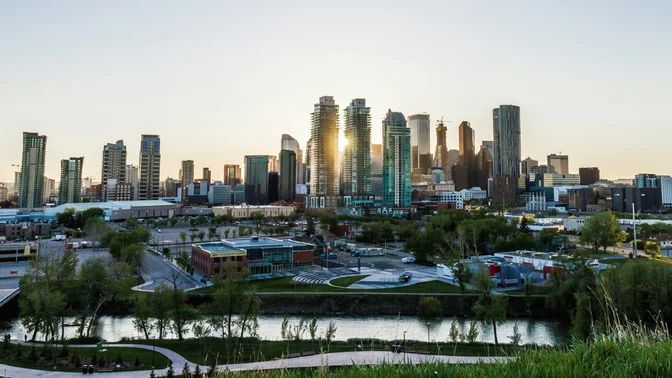
Calgary is a major Canadian city in the province of Alberta, situated on the Bow River at the foot of the Rocky Mountains in western Canada. It is best known for the Calgary Stampede (the world's largest outdoor rodeo), proximity to Banff National Park, and a booming energy-sector economy that gives it a prosperous, cosmopolitan edge. Visitors come here for world-class skiing, jaw-dropping mountain scenery, vibrant Indigenous culture, and some of the friendliest locals you'll find anywhere in Canada.
Table of Contents
- Calgary Overview
- Getting There & Around
- Top Attractions & Landmarks
- Neighborhoods & Districts
- Food & Dining
- Nightlife & Entertainment
- Shopping
- Seasonal Events & Festivals
- Accommodation Recommendations
- Practical Information
- Day Trips & Nearby Destinations
- Insider Tips & Hidden Gems
- Money-Saving Tips
- Common Tourist Mistakes to Avoid
- Sample Itineraries
- Frequently Asked Questions
What Is Calgary and Why Should You Visit?
Calgary is a dynamic, sun-drenched city of 1.4 million people in southern Alberta, Canada — the last major urban stop before the Canadian Rockies swallow the landscape whole. It blends frontier grit with genuine cosmopolitan energy: you'll find world-class restaurants and contemporary art galleries sitting comfortably alongside rodeo culture, Indigenous heritage, and a population that genuinely loves the outdoors in every season.
You should visit Calgary because nowhere else in the world gives you this exact combination: one of North America's most beloved urban cores, a UNESCO-level national park (Banff) less than two hours away, and a festival calendar anchored by the planet's most famous rodeo. The city punches above its weight in food, craft beer, hiking access, and — thanks to more annual sunshine hours than Miami — surprisingly gorgeous weather most of the year.
Calgary does get cold in winter (sometimes extremely so), but Calgarians embrace the cold rather than retreat from it, and the city's infrastructure handles it gracefully. Come prepared, and you'll find winter here is actually magical — especially when the Rockies are blanketed in fresh powder.
When Is the Best Time to Visit Calgary?
Summer (June–August): Peak season, with temperatures between 20–28°C (68–82°F). This is when the Calgary Stampede happens (July), the hiking trails are fully open, and the patios overflow. Book accommodations 3–6 months ahead during Stampede week — prices triple and rooms sell out completely.
Winter (November–February): Cold, sometimes bitterly so (-20°C and below during cold snaps), but the ski resorts near Banff and Lake Louise are world-class. The city also gets "Chinooks" — warm Pacific winds that can push temperatures above freezing in the middle of January, making winter surprisingly liveable. Hotel prices drop significantly outside of ski season peaks.
Shoulder Season (May & September–October): The sweet spot. Smaller crowds, reasonable prices, and genuinely pleasant weather (10–20°C). The Rockies are stunning in fall foliage during late September and October. Many travelers consider September the single best month to visit.
Spring (March–April): Unpredictable — can be warm one week and snowing the next. Not the most reliable time, though late April brings some lovely days. Great for budget travelers who want to beat summer prices.
How Many Days Do You Need in Calgary?
- 1–2 days: Hit the downtown core, the Calgary Tower, Stephen Avenue Walk, and one evening in the East Village. Good for a layover-style visit.
- 3–4 days: Ideal for first-timers. Covers downtown highlights, a Banff day trip, Kensington neighbourhood, and a museum or two.
- 5–7 days: Deep exploration — add Lake Louise, Canmore, the National Music Centre, Heritage Park, and multiple neighbourhood food crawls.
- 1 week+: True Rocky Mountain immersion. Multi-day stays in Banff or Jasper, hiking, skiing, and experiencing Calgary like a local.
Quick Facts About Calgary
- Population: ~1.4 million (city); ~1.6 million (metro area)
- Language: English (French spoken by a minority; strong multilingual community)
- Currency: Canadian Dollar (CAD / $)
- Time Zone: Mountain Standard Time (MST / UTC-7); Mountain Daylight Time (MDT / UTC-6) in summer
- Country Code: +1
- Area Code: 403 / 587 / 825
- Climate: Semi-arid, continental — 333 days of sunshine per year on average
- Altitude: 1,045 metres (3,428 feet) above sea level
How Do You Get To and Around Calgary?
The easiest way to reach Calgary is by flying into Calgary International Airport (YYC), which receives direct flights from across North America, Europe, and select international destinations. For travel within the city, a combination of the free CTrain light rail and rideshares covers most tourist needs, though renting a car is strongly recommended if you plan to explore the Rockies.
Which Airports Serve Calgary?
Calgary International Airport (YYC)
2000 Airport Road NE, Calgary, AB T2E 6W5
Located about 17 km (11 miles) northeast of downtown, YYC is Alberta's busiest airport and a major hub for WestJet and Air Canada. It handles flights from dozens of cities including Toronto, Vancouver, London Heathrow, Frankfurt, Amsterdam, and Reykjavik. The terminal is modern, efficient, and easy to navigate.
How Do You Get from the Airport to the City Center?
Calgary Transit Bus (Route 300): CAD $3.60 per ride; runs to downtown's Centre Street Station in roughly 45 minutes. Cheap and reliable, though not the most comfortable with luggage.
Taxi: Approximately CAD $45–55 to downtown; 20–30 minutes depending on traffic. Taxis are metered — Checker Cabs and Associated Cabs are the most reliable fleets.
Rideshare (Uber/Lyft): Typically CAD $35–50 to downtown; often slightly cheaper than taxis and available via app right outside arrivals.
Private Transfer: CAD $80–120 for a pre-booked sedan; recommended for families or business travelers who want a guaranteed meet-and-greet service.
What Is the Best Way to Get Around Calgary?
The best way to get around central Calgary is the CTrain (light rail), which is free in the downtown core and covers both the Red and Blue lines efficiently. For the Rockies or suburban attractions like Heritage Park, a rental car is essential.
CTrain & Public Transit
Calgary Transit operates the CTrain (two lines: Red Line / 201 and Blue Line / 202) plus an extensive bus network. The CTrain is completely free to ride between City Hall and 10 Street SW stations in the downtown Free Fare Zone — one of the best deals in any Canadian city.
Tickets & Passes:
- Single ride (outside free zone): CAD $3.60
- Day pass: CAD $11.25
- Monthly pass: CAD $112.00
- Reloadable Presto/HOP card: Available at most CTrain stations
Taxis & Rideshare
Uber and Lyft both operate in Calgary and are the most convenient option for getting to neighborhoods like Inglewood, Kensington, or the University district. Rideshares average CAD $12–25 for most within-city trips. Official taxis are metered and safe; avoid unlicensed drivers who may approach you at busy events.
Rental Cars
A rental car is essential if you want to explore Banff, Lake Louise, Canmore, or Drumheller. All major rental agencies (Enterprise, Avis, Budget, National, Hertz) have desks at YYC airport. Rates start from approximately CAD $60–90/day for a standard vehicle. Book in advance for summer visits.
Walking
Downtown Calgary is extremely walkable. The Plus 15 Skyway network — 16 kilometres of enclosed, heated walkways connecting 100+ buildings above street level — makes it possible to walk between most downtown attractions even in the depths of winter without a coat.
Walkability Score: 85/100 for the downtown core. The Beltline, East Village, and Kensington are also highly walkable. Outlying areas like Heritage Park or the zoo require transit or a car.
What Are the Top Attractions and Landmarks in Calgary?
Calgary's top attractions range from iconic mountain-view towers and world-class museums to Indigenous cultural experiences and one of Canada's most beloved historic parks. Here are the must-sees for every visitor.
Calgary Tower
101 9 Ave SW, Calgary, AB T2P 1J9
Standing 190.8 metres above street level, the Calgary Tower is the city's most recognizable landmark and the best single place to orient yourself on arrival. The observation deck offers a 360-degree panoramic view of the Bow River valley, the downtown skyline, and — on clear days — the full snow-capped wall of the Rocky Mountains stretching across the horizon.
The tower was built for the 1968 Calgary Exhibition and Stampede and features a glass floor section on the observation deck that lets you look straight down to the street below. A revolving restaurant (Sky 360) completes the top-floor experience.
Why visit: No other vantage point in the city gives you the mountain-meets-skyline panorama that makes Calgary's geography click. Worth every dollar, especially on a crisp clear day.
Entrance: Adults CAD $22; Youth (4–12) CAD $11; Under 4 free (2026 prices)
Best time: Late afternoon for golden-hour mountain views
Hours: Daily 9:00 AM – 9:00 PM (extended hours in summer)
Glenbow Museum
130 9 Ave SE, Calgary, AB T2G 0P3
Glenbow is western Canada's largest museum and one of the most important cultural institutions in the country. Its permanent collections span Indigenous Peoples' art and history (particularly Blackfoot, Cree, and Stoney Nakoda Nations), western Canadian settlement, natural history, and a remarkable collection of international fine art. The Indigenous galleries are genuinely outstanding — among the best on the continent.
The museum completed a major renovation in 2024 and reopened with a reimagined layout that centers Indigenous voices and perspectives throughout all exhibits. The interactive exhibits on the Blackfoot Confederacy are a highlight.
Why visit: Understanding Calgary and Alberta without understanding its Indigenous history and settler past is impossible. Glenbow makes that history accessible, honest, and deeply engaging for all ages.
Entrance: Adults CAD $20; Students/Seniors CAD $14; Under 6 free (2026 prices)
Best time: Weekday mornings for smaller crowds
Hours: Tuesday–Sunday 9:00 AM – 5:00 PM; closed Mondays
National Music Centre (Studio Bell)
850 4 St SE, Calgary, AB T2G 1R4
Studio Bell is one of the most architecturally striking buildings in Canada — a cascading series of interconnected pods in the East Village that houses the National Music Centre, a world-class institution celebrating Canadian music history. Inside, interactive exhibits let you play instruments from the Rolling Stones' touring collection, record your own track, explore the Canadian Music Hall of Fame, and discover archives from Joni Mitchell to Stompin' Tom Connors.
There are more than 2,000 rare instruments and artifacts on display, and the building itself was designed by Allied Works Architecture as a genuine work of art.
Why visit: Even if you're not a music fanatic, Studio Bell's architecture and hands-on exhibits are among the most engaging in any Canadian city. The rooftop patio also has excellent views.
Entrance: Adults CAD $18; Students/Seniors CAD $13; Under 6 free (2026 prices)
Best time: Any time; weekends can be busy with families
Hours: Tuesday–Sunday 10:00 AM – 5:00 PM
Heritage Park Historical Village
1900 Heritage Dr SW, Calgary, AB T2V 2X3
Heritage Park is Canada's largest living history museum — a 127-acre site on the southwest shore of Glenmore Reservoir that recreates pre-1914 life in western Canada. More than 180 restored heritage buildings have been assembled here, from a working 1905-era bakery to a steam-powered train that circles the entire property.
Costumed interpreters bring every building to life. You can ride vintage streetcars, sample fresh-baked goods, watch blacksmiths at work, and board an authentic paddlewheel boat. During summer, the Gasoline Alley Museum adds a fascinating collection of antique vehicles.
Why visit: Heritage Park is a full-day immersive experience unlike anything else in Alberta — genuinely fun for adults and children in equal measure, and one of the best representations of Canadian frontier history anywhere.
Entrance: Adults CAD $32; Youth (3–17) CAD $22; Under 3 free (2026 prices)
Best time: Summer months when all attractions are fully operational
Hours: Mid-May to early September: daily 9:30 AM – 5:00 PM; reduced hours in fall
Calgary Zoo & Prehistoric Park
210 St. George's Dr NE, Calgary, AB T2E 7V6
The Calgary Zoo is consistently ranked among Canada's top three zoos and is home to more than 1,000 animals representing 270+ species. The zoo is particularly well regarded for its Canadian Wilds section (grizzly bears, Canadian lynx, timber wolves) and its world-class giant panda exhibit. The adjacent Prehistoric Park filled with life-size dinosaur models is a beloved Calgary institution.
The park's African Savanna and penguin plunge exhibits are outstanding by any international standard. Perfect for families but genuinely engaging for all ages.
Why visit: The variety of habitats, the quality of the giant panda facility, and the unique combination with a dinosaur park make this one of the best zoo experiences in Canada.
Entrance: Adults CAD $35; Youth (3–15) CAD $25; Under 3 free (2026 prices)
Best time: Morning on weekdays; animals are most active before noon
Hours: Daily 9:00 AM – 5:00 PM (extended summer hours)
Prince's Island Park
698 Eau Claire Ave SW, Calgary, AB T2P 5C5
Prince's Island Park is a 20-hectare green island in the Bow River just minutes from downtown that serves as Calgary's most beloved urban park. Accessible by footbridge from Eau Claire on the south bank, it offers riverside pathways, heritage cottonwood trees, a rose garden, and a popular outdoor stage (Shaw Millennium stage). The park hosts the Calgary Folk Music Festival every July.
On summer evenings the park fills with Calgarians jogging, picnicking, and watching the sunset over the river — a lovely slice of everyday life in the city.
Why visit: It's free, beautiful, central, and gives you an immediate sense of why Calgarians love their city. Pair it with the adjacent Eau Claire Market area for a perfect casual afternoon.
Entrance: Free
Best time: Summer evenings or weekend mornings
Hours: Open daily, 24 hours
Stampede Park & BMO Centre
1410 Olympic Way SE, Calgary, AB T2G 2W1
Stampede Park is a 160-acre multi-purpose venue that transforms every July into the epicentre of the Calgary Stampede — the world's largest outdoor rodeo and western festival. The park houses the Scotiabank Saddledome (home arena for the Calgary Flames NHL team), the BMO Centre convention complex, Casino Calgary, and permanent agricultural exhibition space.
The Stampede itself — held over 10 days in July — draws over 1 million visitors with professional rodeo competitions, chuckwagon races, midway rides, live concerts, and the famous city-wide free Stampede Breakfast tradition.
Why visit: The Stampede is a once-in-a-lifetime experience and a genuine cultural event. If your dates overlap, absolutely go — even city residents who claim to dislike it usually go every year.
Entrance: Stampede admission CAD $20–30/day; individual event tickets extra (2026)
Best time: First weekend of Stampede for the Opening Day parade
Hours: Stampede runs 8:00 AM – midnight daily
Nose Hill Park
5620 Brisebois Dr NW, Calgary, AB T3A 2H4
Nose Hill Park is one of the largest urban parks in North America — an 11-square-kilometre plateau of native fescue grassland in northwest Calgary that offers sweeping 360-degree views of the city, the foothills, and the Rockies. The park preserves the original northern shortgrass prairie ecosystem and is home to coyotes, hawks, white-tailed deer, and countless bird species.
Several archaeological sites within the park confirm Indigenous use of the hill for thousands of years as a lookout and hunting ground — adding deep cultural significance to an already spectacular landscape.
Why visit: Free, wild, and genuinely spectacular on a clear day. The mountain views from the top are as good as anything you'll see in the city proper. Excellent photography at dawn or dusk.
Entrance: Free
Best time: Clear mornings for mountain views; fall for golden grassland colors
Hours: Open daily, dawn to dusk
TELUS Spark Science Centre
220 St. George's Dr NE, Calgary, AB T2E 7V6
TELUS Spark is one of Canada's best science centres with four permanent exhibition galleries covering earth sciences, technology, human biology, and creative arts and sciences, plus a digital dome theatre for immersive space and nature experiences. The centre is especially strong on Indigenous science and traditional ecological knowledge exhibits.
The hands-on approach makes TELUS Spark genuinely engaging for adults, not just children. The dome theatre alone is worth the admission price on a rainy day.
Why visit: Outstanding for families and genuinely interesting for adults — one of the most interactive science centres in western Canada.
Entrance: Adults CAD $28; Youth (3–12) CAD $20; Under 3 free (2026 prices)
Best time: Weekday mornings to avoid school groups
Hours: Tuesday–Sunday 10:00 AM – 4:00 PM (later on weekends in summer)
Stephen Avenue Walk
8 Ave SW between Macleod Trail SE and 4 St SW, Calgary, AB
Stephen Avenue is Calgary's most historic commercial street and its most vibrant outdoor pedestrian corridor. The eight-block stretch of 8th Avenue SW is a National Historic District lined with sandstone heritage buildings from the 1880s–1910s alongside contemporary restaurants, bars, boutiques, and public art installations.
On summer weekdays the Avenue buzzes with the downtown lunch crowd, street musicians, food trucks, and outdoor patios. On summer evenings it transforms into a lively entertainment strip. During the Calgary Stampede, the street is packed morning to night with cowboy-hat-wearing revellers and pop-up beer gardens.
Why visit: Stephen Avenue is the social spine of downtown Calgary — the best single street for eating, people-watching, and absorbing the city's energy at any hour.
Entrance: Free
Best time: Summer evenings or Stampede week
Hours: Always open; businesses operate standard hours
What Are the Best Neighborhoods to Explore in Calgary?
Calgary's neighborhoods each have a distinct character — from the polished, energy-sector downtown to the artsy DIY energy of Inglewood and the European café culture of Kensington. Here are the ones most worth exploring.
Downtown Core & Beltline
Character: Calgary's professional heart — glass towers, historic sandstone buildings on Stephen Avenue, the Plus 15 skyway network, and one of Canada's most walkable urban cores. The adjacent Beltline (the blocks south of downtown) is denser, younger, and more eclectic — full of condo towers, independent restaurants, and a thriving LGBTQ+ scene along 17 Ave SW.
What makes it special: The concentration of restaurants, bars, cultural institutions, and transit in a compact area is exceptional. The 17th Avenue SW strip (known locally as the Red Mile during hockey playoffs) is one of the most energetic streets in western Canada on a summer weekend.
Best for: First-time visitors, business travelers, nightlife seekers, foodies
Must-see in this area: Stephen Avenue Walk, Calgary Tower, Glenbow Museum, 17 Ave SW strip, Olympic Plaza
How to get there: CTrain to any downtown station; free within the Downtown Free Fare Zone
Location: Centre St & 7 Ave SW, Calgary, AB T2P 0W4
Kensington
Character: Calgary's most European-feeling neighbourhood — a dense, walkable village across the Bow River from downtown filled with independent coffee shops, bookstores, boutiques, yoga studios, and outstanding restaurants. The streets are lined with century-old character homes and mature elm trees, and the vibe is creative, intellectual, and decidedly un-corporate.
What makes it special: Kensington Road NW is the city's best strip for independent retail and café culture. The neighbourhood feels like a small city within the city — self-contained, unhurried, and genuinely charming. The Bow River pathway connects it to downtown and the rest of the city's 700+ km of urban pathway network.
Best for: Slow-travel tourists, book-lovers, café culture seekers, independent shoppers
Must-see in this area: Kensington Road NW, Kensington Village shopping strip, Memorial Drive riverside pathway
How to get there: 10-minute walk north across the Peace Bridge from downtown; CTrain to 10 Street NW station
Location: Kensington Road NW & 10 St NW, Calgary, AB T2N 1Y4
Inglewood
Character: Calgary's oldest neighbourhood and its coolest — a gritty-meets-artsy stretch of 9th Avenue SE lined with antique shops, independent galleries, craft breweries, vintage clothing stores, tattoo parlours, and some of the city's most acclaimed restaurants. Inglewood sits on the bank of the Bow River just east of downtown and has a New York Brooklyn-meets-western-Canada energy that's entirely its own.
What makes it special: The Bird Sanctuary and Bow River pathways are right on Inglewood's doorstep, making it equally appealing to wildlife watchers and hipsters. The neighbourhood hosts the excellent Inglewood Night Market in summer, and the density of craft breweries (Ol' Beautiful, Last Best, Trolley 5) rivals any city in Canada.
Best for: Art lovers, craft beer enthusiasts, antique hunters, foodies, photographers
Must-see in this area: 9th Avenue SE strip, Inglewood Bird Sanctuary, Calgary Central Library (nearby), local galleries
How to get there: 15-minute walk east from downtown; short Uber/taxi ride from most central hotels
Location: 9 Ave SE & 12 St SE, Calgary, AB T2G 0H2
East Village
Character: Calgary's most dramatic urban renewal success story — a former industrial no-man's-land east of downtown that has been transformed over the past decade into a vibrant cultural district. The East Village is now home to Studio Bell (National Music Centre), the stunning new Calgary Central Library, RiverWalk, St. Patrick's Island park, and a growing cluster of condos, restaurants, and shops.
What makes it special: The architecture alone is worth the trip — the Central Library (by Snøhetta architects) and Studio Bell are two of the most photogenic buildings in western Canada. The RiverWalk pathway connecting East Village to Inglewood and Fort Calgary is one of the nicest urban walks in the city.
Best for: Architecture enthusiasts, culture seekers, photographers, riverside walkers
Must-see in this area: Calgary Central Library, Studio Bell, RiverWalk, St. Patrick's Island, Fort Calgary
How to get there: 10-minute walk east from City Hall CTrain station
Location: 9 Ave SE & 4 St SE, Calgary, AB T2G 0C5
Mission & Cliff Bungalow
Character: One of Calgary's most historically intact residential neighbourhoods, immediately south of downtown across the Elbow River. Mission is anchored by 4th Street SW — a long, tree-lined commercial strip of upscale restaurants, wine bars, specialty food shops, and boutique fitness studios that draws a sophisticated crowd in their late twenties to forties.
What makes it special: The residential streets of Mission and Cliff Bungalow are lined with gorgeous early 20th-century craftsman bungalows — some of the best residential architecture in Calgary. Lindsay Park and the Elbow River pathway add natural beauty to an already characterful urban environment.
Best for: Foodies, wine lovers, architecture buffs, leisurely evening walks
Must-see in this area: 4th Street SW restaurant strip, Elbow River pathway, Lindsay Park
How to get there: CTrain to City Hall, then 20-minute walk south; short Uber from downtown
Location: 4 St SW & 25 Ave SW, Calgary, AB T2S 2R4
What Food Should You Try in Calgary?
Calgary is famous for Alberta beef — widely considered the best in the world — and its food scene has grown well beyond steak to encompass outstanding Japanese, Middle Eastern, Ethiopian, Vietnamese, and contemporary Canadian cuisine. The city punches well above its weight for a metropolitan area of its size.
What Are the Must-Try Local Dishes in Calgary?
- Alberta Beef Steak — Alberta's cattle industry is legendary, and a dry-aged Alberta ribeye or striploin at a proper Calgary steakhouse is a defining food experience. Look for restaurants that source from local ranchers and age their beef in-house.
- Bison Burger — Leaner than beef and deeply flavourful, bison burgers appear on menus across the city and are a uniquely Canadian prairie food experience. Try them at Heritage Park or at specialty burger joints in Kensington.
- Saskatoon Berry Dishes — Alberta's foothills produce outstanding wildflower honey and Saskatoon berries (a distinctly Canadian prairie fruit similar to a blueberry). Saskatoon berry pie, jam, and syrup appear throughout Calgary cafés and farm-to-table restaurants.
- Elk or Venison — Wild game is a genuine staple in Alberta cuisine. Elk medallions, venison osso buco, and game charcuterie boards appear regularly on upscale Calgary menus.
- Bannock — Traditional Indigenous fry bread, now celebrated across Calgary's food scene in both traditional form and fusion preparations. An important and delicious connection to the land's original food culture.
- Prairie Honey — Raw wildflower and clover honey from local Alberta beekeepers; available at farmers' markets and specialty food stores. One of the finest natural honeys in the world.
- Craft Beer from Local Breweries — The Calgary craft beer scene has exploded since 2015. Breweries like Village Brewery, Ol' Beautiful, Tool Shed, and Last Best produce outstanding ales, lagers, and sours that showcase Alberta ingredients.
- Stampede Foods (July only) — During the Stampede, the midway introduces outrageous novelty foods each year. Eating your way through the midway food stalls is a Calgary rite of passage.
Where Should You Eat in Calgary?
Budget-Friendly (Under CAD $20 per meal)
- Basha Lebanese Restaurant — 312 4 Ave SW, Calgary — Outstanding shawarma, falafel, and Lebanese plates at market-lunch prices. Packed with downtown workers at noon for good reason.
- Vendome Café — 940 2 Ave NW, Calgary — A Kensington institution for breakfasts, sandwiches, and soups. Affordable, excellent, and beloved by locals for over 25 years.
- Una Pizza + Wine — 618 17 Ave SW, Calgary — Genuinely exceptional Neapolitan-style pizza at accessible prices. One of the most-loved restaurants in the city.
Mid-Range (CAD $25–60 per meal)
- River Café — Prince's Island Park, Calgary, AB T2P 0W1 — Set on an island in the Bow River, River Café is Calgary's most beautiful restaurant location and a champion of local, seasonal, and Indigenous-inspired ingredients. Outstanding weekend brunch.
- Market Restaurant — 718 17 Ave SW, Calgary — Modern Canadian cuisine that changes with the seasons. Locally sourced, thoughtfully prepared, consistently excellent. Book ahead for weekends.
- Anju Korean Restaurant — 344 17 Ave SW, Calgary — Calgary's best Korean restaurant by popular consensus — elevated takes on Korean classics with a sophisticated drinks program.
- Charbar — 618 Confluence Way SE, Calgary — Housed in a stunning heritage warehouse in the East Village, Charbar serves Argentinian-influenced wood-fire grilled meats alongside an exceptional cocktail list.
Fine Dining (CAD $80–150+ per meal)
- Model Milk — 308 17 Ave SW, Calgary — Calgary's most critically acclaimed restaurant; a contemporary Canadian fine dining experience in a converted 1930s dairy building. Reserve 2–3 weeks ahead for weekends.
- The Nash — 925 11 Ave SE, Calgary — Heritage space in Inglewood serving outstanding Alberta beef and seasonal tasting menus. One of the best steakhouses in the province.
What Are the Dining Customs in Calgary?
Meal times: Breakfast is taken early (7–9 AM), lunch around noon–1 PM, and dinner from 6 PM onward. Sunday brunches are a major social ritual in Calgary — popular spots have 30–60 minute waits.
Tipping: 18–20% is standard for sit-down service; 15% is acceptable for basic service. Tipping on takeout is increasingly expected at approximately 10–15%. Service is not included in the bill at most restaurants.
Reservations: Essential at mid-range and fine dining restaurants, particularly on weekends. OpenTable is widely used. Walk-in bar seats are often available even when the dining room is full.
Dress code: Calgary is very casual — business casual is considered dressed up at most restaurants. Only the handful of top fine-dining establishments have any dress expectations.
What Is the Nightlife Like in Calgary?
Calgary's nightlife is lively and surprisingly diverse — anchored by the 17th Avenue SW entertainment strip, the Beltline's cocktail bar scene, and Inglewood's craft brewery culture. Things get going around 9–10 PM and last until 2 AM on weekends, with the Stampede period being a category of its own.
Where Are the Best Areas for Nightlife in Calgary?
- 17th Avenue SW (The Red Mile): 17 Ave SW between 4 St SW and 14 St SW — Calgary's main entertainment strip. Dense with bars, cocktail lounges, sports bars, live music venues, and late-night restaurants. Extremely active Thursday–Saturday nights year-round.
- East Village & Inglewood: 9 Ave SE & 4 St SE — More relaxed than 17th Ave, skewing toward craft beer enthusiasts and the 30s+ crowd. Excellent for bar-hopping between breweries and cocktail bars in a neighbourhood with genuine character.
- Downtown Stephen Avenue: 8 Ave SW — Concentrated near major hotels; popular with after-work crowds and concert venue overflow from Scotiabank Saddledome.
What Are the Best Bars and Clubs in Calgary?
Bars & Pubs
- The Derrick Gin Mill & Kitchen — 4039 Edmonton Trail NE — Calgary's most celebrated gin bar, with over 150 gins and expertly crafted cocktails. Outstanding even for non-gin-drinkers.
- Proof Cocktail Bar — 1302 9 Ave SE, Inglewood — One of Calgary's best cocktail bars in a beautifully designed space. Exceptional seasonal menus and a craft-focused approach to mixology.
- Last Best Brewing & Distilling — 607 11 Ave SW — A massive craft brewery and distillery with rotating taps, excellent pub food, and a welcoming atmosphere that draws everyone from students to executives.
Clubs & Dancing
- Cowboys Dance Hall — 421 12 Ave SE — A Calgary institution and one of the largest country-and-western dance venues in North America. If you want to experience authentic cowboy culture, this is it. Cover CAD $10–20; dress boots and Wranglers are standard.
- Nest Calgary — 804 16 Ave SW — The city's most popular nightclub for EDM and house music; attracts major touring DJs. Cover varies; busiest Friday and Saturday.
Live Music & Shows
- The Palace Theatre — 219 8 Ave SW — A beautifully restored 1921 heritage theatre hosting mid-size concerts across all genres. Outstanding acoustics and sight lines.
- Commonwealth Bar & Stage — 731 10 Ave SW — Calgary's best venue for indie rock, alternative, and emerging artists. Excellent sound system; capacity ~500. Cover typically CAD $15–30.
What Family-Friendly Evening Entertainment Is Available?
Families can enjoy evening shows at the Vertigo Mystery Theatre (115 9 Ave SE), the Southern Alberta Jubilee Auditorium for ballet and symphony performances (1415 14 Ave NW), and IMAX films at Scotiabank Theatre (110 8 Ave SW). Heritage Park also runs special evening events during summer.
What and Where Should You Shop in Calgary?
The best things to buy in Calgary are Alberta-made food products (honey, beef jerky, Saskatoon berry preserves), Indigenous art and craft, western wear (boots, hats, belt buckles), and local art — and the top shopping areas are the Kensington strip, 17th Avenue SW, and Chinook Centre for mainstream retail.
What Are the Best Shopping Districts in Calgary?
- Kensington Village: Kensington Road NW & 10 St NW — Calgary's most charming independent retail strip. Bookstores, boutique clothing, artisan jewellers, specialty kitchen shops, and independent toy stores. Decidedly anti-chain.
- 17th Avenue SW: 17 Ave SW & 4 St SW — A long commercial strip mixing boutique fashion, home décor, yoga and athletic wear, and specialty food. More upscale than Kensington, with several national Canadian brands alongside independents.
- Chinook Centre: 6455 Macleod Trail SW — Calgary's premium indoor shopping mall; home to Nordstrom (Canadian anchor), Apple, all major luxury brands, and 200+ retailers. Essential for serious shoppers, especially in winter.
What Markets Should You Visit in Calgary?
Calgary Farmers' Market West — 510 77 Ave SE, Calgary — Open Thursday–Sunday year-round, 9 AM–5 PM. Alberta honey, artisan cheese, Indigenous craft vendors, fresh bannock, game sausages, and an excellent hot food court. No significant bargaining culture — prices are set.
Crossroads Market — 1235 26 Ave SE, Calgary — Open Friday–Sunday, 9 AM–5 PM. Calgary's largest market; a mix of fresh produce, antiques, new merchandise, ethnic food stalls, and crafts.
Inglewood Night Market — 9 Ave SE & 11 St SE — Seasonal summer market (July–August, Friday evenings); local artisans, food vendors, live music, and craft beer. Free admission; excellent atmosphere.
What Should You Buy in Calgary?
- Alberta Honey — Raw wildflower and clover honey from local beekeepers; sold at farmers' markets and specialty food stores. Distinctive and travels well.
- Cowboy Boots & Western Hat — Calgary is one of the best cities in the world to buy genuine western wear. Alberta Boot Company (614 10 Ave SW) makes custom leather boots in Calgary — prices start around CAD $400.
- Indigenous Art & Craft — Look for pieces certified as authentic Indigenous-made. Beadwork, dreamcatchers, moccasins, and paintings by First Nations artists available at the Glenbow Museum shop and Indigenous-owned galleries.
- Alberta Beef Jerky — Vacuum-packed and travel-ready; some of the best jerky in North America is produced in Alberta. Available at farmers' markets and most supermarkets.
- Saskatoon Berry Products — Jam, wine, syrup, and chocolate-covered Saskatoon berries make perfect and uniquely Canadian gifts. Widely available at markets and specialty food shops.
- Local Art — The Inglewood gallery strip and Kensington galleries are the best hunting grounds for original works from Calgary's strong visual arts community.
What Are the Shopping Hours and Customs?
Most Calgary shops open 10 AM–9 PM Monday–Friday, 10 AM–6 PM Saturday, and noon–5 PM Sunday. Malls keep longer hours. The major sales periods are Boxing Day (December 26) for post-Christmas clearance, and late summer clearances in August. There is no significant bargaining culture in Calgary — prices are fixed except at garage sales and flea markets.
What Festivals and Events Happen in Calgary?
Calgary's biggest festivals are the Calgary Stampede in July (the world's most famous outdoor rodeo), GlobalFest International Fireworks in August, and the Calgary Folk Music Festival on Prince's Island in late July. The city has a year-round event calendar that belies its relatively modest size.
What Is the Annual Events Calendar for Calgary?
| Month | Event Name | Description |
|---|---|---|
| January | High Performance Rodeo | International contemporary arts festival; experimental theatre, dance, and performance art at venues across the city. |
| February | Calgary Curling Classic | Elite curling competition drawing top national and international teams; free for spectators at Crowchild Twin Arena. |
| March | Calgary International Children's Film Festival | Week-long festival screening films from 20+ countries for young audiences at various venues city-wide. |
| April | Calgary Underground Film Festival | Ten days of independent, cult, and unconventional cinema at the Globe Cinema (617 8 Ave SW); one of Canada's best genre film festivals. |
| May | Calgary International Beerfest | One of Canada's largest craft beer festivals; 200+ breweries, 700+ beers, held at BMO Centre. Tickets sell out months in advance. |
| June | Calgary Pride (kickoff events) | Pride Month celebrations begin in June, building toward the main Pride Parade and festival in late August. Extensive programming across the city. |
| July | Calgary Stampede | Ten days of world-famous rodeo, chuckwagon racing, midway, live music, and free pancake breakfasts across the city. 1 million+ visitors. First or second week of July. |
| July | Calgary Folk Music Festival | Four-day festival on Prince's Island Park featuring world-class folk, roots, and world music. One of the best outdoor music festivals in Canada. |
| August | GlobalFest International Fireworks | Ten nights of competitive international fireworks on Elliston Park Lake, representing different countries each night. Free on the hillside; ticketed for lakeside viewing. |
| September | Calgary International Film Festival | 17-day film festival screening 200+ films from 60+ countries at venues across the city. One of Canada's top film festivals. |
| October | Fan Expo Calgary | Massive fan convention at BMO Centre; celebrity guests, gaming, cosplay, and comics. Draws 100,000+ attendees over a weekend. |
| November–December | Calgary Christmas Market | European-style Christmas market at Stampede Park and downtown locations; artisan crafts, mulled wine, and festive food. Runs through December. |
How Do Festivals Affect Hotel Prices and Availability?
The Calgary Stampede has the most dramatic effect on hotel prices of any event in Canada — rates in downtown hotels typically triple or quadruple during Stampede week, and rooms within walking distance of Stampede Park sell out 6–12 months in advance. Book as early as possible and consider staying in a suburban area connected by CTrain if downtown hotels are full or unaffordable. GlobalFest and the Folk Music Festival have modest effects on accommodation.
Where Should You Stay in Calgary?
The best neighbourhood to stay in Calgary depends entirely on your travel style — downtown is best for business and sightseeing convenience, the Beltline and 17th Ave are better for nightlife, and outlying areas near the CTrain are good for budget travelers.
What Are the Best Neighborhoods to Stay in Calgary?
| Neighbourhood | Vibe | Price Range (per night) | Best For |
|---|---|---|---|
| Downtown Core | Professional, central, walkable | CAD $180–350 | Business travelers, first-time visitors, sightseers |
| Beltline / 17 Ave SW | Hip, vibrant, restaurant-dense | CAD $120–220 | Foodies, nightlife seekers, younger travelers |
| Kensington / Hillhurst | Residential, charming, café-culture | CAD $100–180 | Slow travelers, couples, boutique hotel seekers |
| East Village | Cultural, design-forward, riverside | CAD $150–260 | Culture lovers, design-focused travelers |
| Airport / Northeast Calgary | Functional, affordable, transit-connected | CAD $80–140 | Budget travelers, early/late flights, road-trippers |
What Are the Pros and Cons of Each Area?
Downtown Core:
Pros: Walking distance to virtually every major attraction, restaurant, and bar; CTrain free zone; excellent for weather extremes due to Plus 15 skyway access; best hotel infrastructure.
Cons: Most expensive area; can be quiet on weekends when the business crowd leaves; limited authentic neighbourhood character compared to Kensington or Inglewood.
Beltline / 17 Ave SW:
Pros: Immersed in Calgary's best food and bar scene; walkable to both downtown and Mission; great energy day and night.
Cons: Can be noisy on weekend nights; somewhat limited hotel options; parking expensive.
Kensington:
Pros: Charming, walkable neighbourhood with genuine character; close to Bow River pathways; excellent café and restaurant scene right outside your door.
Cons: Limited hotel options (mostly B&Bs and boutique spots); 10–15 minute walk or short transit to downtown attractions.
How Far in Advance Should You Book in Calgary?
For regular visits (outside Stampede), 2–4 weeks ahead is generally sufficient. For Stampede week, book 3–6 months ahead minimum for downtown properties. GlobalFest weekends in August warrant 1–2 months advance booking. The best prices are generally found on Booking.com or direct hotel websites when booking 6–8 weeks out for non-peak periods.
What Do You Need to Know Before Visiting Calgary?
Here are the essential practical details every visitor to Calgary needs to know before they arrive.
Essential Travel Details for Calgary
- Currency: Canadian Dollar (CAD / $); exchange at banks or airport (avoid hotel exchange kiosks)
- Credit Cards: Universally accepted; Visa and Mastercard at virtually all businesses; Amex at most
- ATMs: Abundant; major bank ATMs charge no fees to their own cardholders; foreign cards pay CAD $3–5 per withdrawal
- Language: English only in practical terms; minimal French requirement unlike Quebec
- Tipping: 18–20% at restaurants; 15% for taxis; CAD $2–5/day for hotel housekeeping
- Electrical Plugs: Type A/B (same as USA); 120V/60Hz — Europeans need adapters and voltage converters
- Emergency Number: 911 (police, ambulance, fire)
- Non-Emergency Police: 403-266-1234
- SIM Cards: Available at airport on arrival (Rogers, Bell, Telus kiosks); visitor SIM packages typically CAD $30–60 for 30 days unlimited data
- WiFi: Excellent free WiFi across downtown, all major hotels, cafés, and public buildings
- Tap Water: Completely safe; Calgary tap water is clean, cold, and excellent quality
How Much Does It Cost to Visit Calgary?
| Budget Type | Daily Cost (2026) | What's Included |
|---|---|---|
| Budget Traveler | CAD $80–120/day | Hostel or budget hotel, groceries and fast-casual meals, CTrain passes, free attractions |
| Mid-Range Traveler | CAD $180–280/day | 3-star hotel, mix of restaurants and cafés, Uber, paid attractions, one Banff day trip |
| Luxury Traveler | CAD $400–700+/day | 4–5 star hotel, fine dining, private transport, private guided tours, helicopter mountain experiences |
Is Calgary Safe for Tourists?
Yes — Calgary is one of the safest cities in Canada and consistently ranks as one of the most liveable cities in the world. Violent crime targeting tourists is extremely rare. The city is generally safe to walk at night in the tourist areas, though basic urban awareness is always sensible.
Areas to be more alert: The lower area around 7–8 Ave and Centre Street after midnight can have rough elements; the stretch of 9 Ave SW near the Greyhound station is not tourist-friendly late at night.
Petty theft: The most common crime affecting visitors is opportunistic car break-ins — do not leave valuables visible in rental cars. Pickpocketing is rare but more likely in Stampede midway crowds.
Solo traveler safety: Excellent for all genders. Calgary is an LGBTQ+-friendly city with a vibrant queer community centred in the Beltline, and Pride events are well-attended and well-organized.
Do You Need a Visa to Visit Calgary?
Citizens of the USA, UK, European Union, Australia, New Zealand, and most Western nations do not need a visa — only an Electronic Travel Authorization (eTA) which costs CAD $7 and is processed online in minutes. Citizens of many other countries do require a full tourist visa; check the Government of Canada website (canada.ca) for current requirements well before travel.
What Health Precautions Should You Take in Calgary?
Vaccinations: No special vaccinations are required for travel to Calgary. Ensure routine vaccines are up to date.
Pharmacies: Shoppers Drug Mart and Rexall operate 24-hour locations across the city; most common over-the-counter medications are available without prescription.
Hospitals: Foothills Medical Centre (1403 29 St NW) is Calgary's main trauma hospital. Healthcare for tourists without Canadian insurance is billed at full cost — travel insurance is strongly recommended.
Altitude: Calgary sits at 1,045 metres above sea level — some visitors from sea-level cities experience mild effects (slight breathlessness, mild headache). Drink extra water on arrival.
Is Calgary Accessible for People with Disabilities?
Calgary has good accessibility infrastructure — the CTrain is fully wheelchair accessible, most modern downtown buildings have proper ramps and elevators, and the Plus 15 skyway system is accessible throughout. The Bow River pathways are paved and suitable for wheelchairs for several kilometres. Major tourist attractions including the Zoo, Glenbow, and Heritage Park all have accessible facilities.
Is Calgary Good for Families with Kids?
Excellent — Calgary is one of Canada's most family-friendly cities. The Zoo and TELUS Spark are outstanding for children. Heritage Park, Prince's Island Park, and Nose Hill Park are ideal for family outings. The CTrain is safe, stroller-accessible, and free in the downtown zone. Baby supplies are widely available in all major supermarkets.
What Are the Best Day Trips from Calgary?
The best day trips from Calgary are Banff National Park and Lake Louise, with Canmore, Drumheller, and Kananaskis Country rounding out a spectacular set of options within a 1–3 hour drive.
Banff National Park
Distance: 128 km (80 miles) west; approximately 90 minutes by car
What to see: Banff town, Bow Falls, the Fairmont Banff Springs Hotel viewpoint from Surprise Corner, the Banff Gondola to Sulphur Mountain, and Johnston Canyon (the Lower Falls hike is 2.3 km return and spectacular). The town itself has excellent restaurants, galleries, and shops.
How to get there: Rental car via the Trans-Canada Highway (Hwy 1) is strongly recommended. The Brewster Banff Express bus runs 2–3 times daily from downtown Calgary hotels; CAD $35–50 each way. All vehicles entering Banff National Park must pay the park entry fee (CAD $10.50/person or $21/car per day; or purchase the annual Discovery Pass).
Time needed: Full day minimum; overnight is better
Best for: All travelers — Banff is the single best day trip from Calgary and should not be missed
Location: Banff, AB T1L 1A1 (Banff town centre)
Lake Louise
Distance: 184 km (114 miles) west; approximately 2 hours by car
What to see: Lake Louise itself — the turquoise glacial lake backed by Victoria Glacier, one of the most photographed landscapes in the world. The Plain of Six Glaciers trail (14 km return). Moraine Lake (15 km from Lake Louise), which many visitors consider even more beautiful than Lake Louise. Note: Moraine Lake road now requires a Parks Canada reservation to drive.
How to get there: Rental car is by far the best option. Allow a full day if combining Lake Louise and Moraine Lake.
Time needed: Full day; consider combining with a Banff overnight
Best for: Photographers, hikers, anyone seeking the quintessential Canadian Rockies experience
Location: Lake Louise, AB T0L 1E0
Canmore
Distance: 103 km (64 miles) west; approximately 75 minutes by car
What to see: A smaller, less commercialised mountain town than Banff sitting just outside the national park boundary. Main Street has outstanding restaurants, local breweries (Grizzly Paw Brewing), galleries, and superb outdoor gear shops. The Nordic Centre hosts world-class cross-country skiing in winter and mountain biking in summer.
How to get there: Rental car on the Trans-Canada Highway. Easily combined with Banff on the same trip.
Time needed: Half to full day
Best for: Travelers who find Banff too crowded; foodies; couples seeking a romantic mountain town
Location: Main Street Canmore, Canmore, AB T1W 2B4
Drumheller & the Badlands
Distance: 138 km (86 miles) northeast; approximately 90 minutes by car
What to see: The most alien landscape in Canada — the Red Deer River Badlands with eroded hoodoo rock formations, coulees, and canyon land that has produced more dinosaur fossils than almost anywhere on Earth. The Royal Tyrrell Museum of Palaeontology (plan 2–3 hours minimum), Horseshoe Canyon, the Hoodoos Trail, and the giant fibreglass T-Rex in Drumheller town.
How to get there: Rental car only — no public transit serves Drumheller from Calgary. Take Hwy 1 East then Hwy 9 North.
Time needed: Full day
Best for: Families with children, geology enthusiasts, photographers, anyone seeking a landscape unlike anywhere else in the world
Location: Drumheller, AB T0J 0Y0 (town centre)
Kananaskis Country
Distance: 80 km (50 miles) southwest; approximately 60 minutes by car
What to see: Alberta's provincial wilderness area — 4,250 square kilometres of mountain, foothills, and river valley terrain with outstanding hiking (700+ km of trails), fishing, camping, and wildlife viewing. The Nakiska ski resort hosted the 1988 Winter Olympics alpine events. Less crowded than Banff with equally spectacular scenery.
How to get there: Rental car; take Hwy 22 or the Trans-Canada Highway to Hwy 40 (Kananaskis Trail).
Time needed: Full day for hiking; half day for scenic drives
Best for: Experienced hikers, anglers, backcountry enthusiasts, anyone wanting Rockies scenery without Banff's crowds
Location: Kananaskis, AB T0L 2H0
Every day trip from Calgary — Banff, Lake Louise, Drumheller, Kananaskis — requires a rental car. Public transit does not reliably reach these destinations. Car rental prices vary significantly between agencies, so always compare before booking.
What Are the Hidden Gems and Insider Tips for Calgary?
Beyond the main tourist sites, Calgary hides some extraordinary spots that most visitors never find — local secrets that Calgarians are quietly proud of but rarely mention to visitors.
What Are the Best Hidden Gems in Calgary?
- Reader Rock Garden: 325 25 Ave SE, Calgary — A stunning heritage garden created by Parks Superintendent William Roland Reader between 1913 and 1942. Over 4,000 plant species from around the world in a naturally terraced hillside garden. Almost entirely unknown to tourists. Free entry; open daily.
- Edworthy Park & Douglas Fir Trail: Edworthy Park Road SW, Calgary — A forested trail network in the city's southwest that runs through old growth Douglas fir trees. The riverside sections are quieter and more natural than Prince's Island. Completely free and very popular with locals, virtually unknown to visitors.
- Fort Calgary National Historic Site: 750 9 Ave SE, Calgary — The site of the 1875 NWMP fort that became the founding settlement of Calgary. The interpretive centre is excellent and unhurried. Often overlooked in favour of Heritage Park but deeply engaging for Canadian history lovers.
- Devonian Gardens (CORE Shopping Centre): 751 3 St SW, Floor 4, Calgary — An indoor botanical garden on the top floor of the CORE mall; 10,000 square metres of tropical plants, fountains, and a children's play area. A surreal escape in the middle of downtown, wonderful in winter.
- Eau Claire Night Market (summer weekends): Eau Claire Market Plaza, Calgary — A seasonal Friday/Saturday night market running June–August along the Bow River at Eau Claire. Local food vendors, artisans, and live music; almost entirely a local institution.
- Calgary's Plus 15 System in Winter: Downtown Calgary — The 16 km indoor skyway network connecting 100+ buildings is one of the great urban engineering achievements in Canada. Most visitors don't realise they can walk from their hotel to the Glenbow, Devonian Gardens, and Stephen Avenue without ever going outside. Maps at any hotel concierge.
- Inglewood Bird Sanctuary: 2425 9 Ave SE, Calgary — A 36-hectare natural area along the Bow River in Inglewood that protects habitat for 270+ bird species. Free entry; a 15-minute walk from the Inglewood restaurant strip. Magical at dawn during spring migration.
Where Are the Best Photo Spots in Calgary?
- Reconciliation Bridge (East Village): 420 9 Ave SE — The downstream view of the Bow River with the downtown skyline is exceptional at golden hour.
- Nose Hill Park Summit: 5620 Brisebois Dr NW — 360° panoramic view of the full Rockies skyline and the city below. Best at sunrise or an hour before sunset in summer.
- Peace Bridge (Kensington): Memorial Dr NW & 7 Ave NW — Santiago Calatrava's stunning red pedestrian bridge. Most photogenic in early morning light with no crowds.
- Calgary Central Library Exterior: 800 3 St SE — The undulating copper-clad exterior is extraordinary from any angle; the interior atrium at night through the glass is even better.
- Inglewood Rooftop (The Nash restaurant): 925 11 Ave SE — Request the patio table with the Inglewood roofscape and Bow River valley behind it. One of the best dinner views in the city.
What Do Locals Know That Tourists Don't?
How Can You Save Money in Calgary?
The biggest way to save money in Calgary is to take advantage of Alberta's tax advantage (no provincial sales tax), eat at the excellent fast-casual and market lunch options that the downtown business crowd uses daily, and use the CTrain free zone aggressively for downtown movement.
What Are the Best Money-Saving Strategies for Calgary?
- Use the CTrain Free Fare Zone (City Hall to 10 St SW) for all downtown movement — never pay for transit within the central tourist area.
- Eat lunch downtown instead of dinner at mid-range restaurants — most offer 2-course lunch specials for CAD $20–28 representing massive savings over dinner.
- Visit Prince's Island Park, Nose Hill Park, Edworthy Park, and the Bow River pathways — all free, all outstanding, and all underused by tourists.
- Shop at Calgary Farmers' Market West for food — far cheaper than restaurant meals and you're eating excellent local produce directly from producers.
- Book Banff day trips on weekdays — significantly less traffic, more parking availability, and a better overall experience than weekends.
- Calgary Public Library gives free visitor cards (with ID) providing access to free events and computer use.
- The Glenbow Museum is free on the first Thursday evening of each month, 5–9 PM.
- TELUS Spark offers reduced admission on the second Sunday of every month for families.
- Supermarkets (Calgary Co-op, Safeway, No Frills) provide the same excellent Alberta beef, deli items, and produce at a fraction of restaurant prices. Assembling a picnic by the Bow River is a deeply satisfying and very affordable Calgary experience.
- Stampede Breakfasts are genuinely free — dozens across the city during Stampede week. Check the official Calgary Stampede website for the full daily schedule.
- The National Parks Discovery Pass (CAD $145.25/family in 2026) pays for itself in 2 Banff visits — worth buying if you plan multiple national park days.
- The Devonian Gardens (4th floor, CORE Shopping Centre) is a free indoor botanical garden — ideal for a weather-independent free afternoon.
What Can You Do for Free in Calgary?
- Bow River Pathway System: 700+ km of free urban pathway through parks and along rivers
- Prince's Island Park: Beautiful central island park with riverside trails and free summer concerts
- Nose Hill Park: 11 sq km of grassland parkland with panoramic mountain views
- Stephen Avenue Walk: Historic pedestrian street with street performers and public art
- Calgary Central Library interior: Architectural masterpiece worth visiting for free
- Reader Rock Garden: Spectacular heritage garden in the Beltline; entirely free
- Olympic Plaza: Downtown public square with free summer events
- Devonian Gardens (CORE Shopping Centre): Free indoor tropical garden on the 4th floor
Are There Any Discount Cards or Passes Worth Buying?
National Parks Discovery Pass: CAD $72.25/adult or CAD $145.25/family (2026) — Unlimited entry to all Canadian national parks including Banff, Lake Louise, and Jasper for a full year. Worth it if you plan two or more national park visits in a 12-month period.
What Mistakes Should You Avoid in Calgary?
The biggest mistake tourists make in Calgary is underestimating the distances involved in exploring Alberta — renting a car seems optional but becomes essential the moment you want to see Banff, Drumheller, or anywhere beyond the CTrain network.
What Are the Most Common Tourist Mistakes in Calgary?
- Mistake: Visiting Banff on a summer weekend without reservations. → Instead: Go on a Tuesday or Wednesday; book the Moraine Lake road access through Parks Canada in advance; reserve park entry fees online before your visit.
- Mistake: Ignoring the weather forecast. → Instead: Calgary weather changes fast — always check Environment Canada's forecast the night before and dress in layers. A Chinook can bring T-shirt weather in January; a cold snap in May can bring snow.
- Mistake: Paying for taxis within the downtown CTrain Free Zone. → Instead: Walk or use the CTrain — it's completely free between City Hall and 10 Street SW stations.
- Mistake: Booking a hotel far from the CTrain without a car. → Instead: Choose accommodation along the Red or Blue CTrain lines, or in walkable areas like downtown, Kensington, or the Beltline.
- Mistake: Eating exclusively at chain restaurants downtown. → Instead: Calgary's independent food scene (Kensington, 17 Ave SW, Inglewood, Mission) is where the real quality is.
- Mistake: Skipping Indigenous cultural experiences. → Instead: The Glenbow Museum's Indigenous galleries are outstanding and give essential context to this land and city.
- Mistake: Assuming Calgary is just a transit hub for Banff. → Instead: The city itself deserves 2–3 days of dedicated exploration — its food scene, architecture, river pathways, and neighbourhoods are world-class in their own right.
- Mistake: Trying to see Banff, Lake Louise, AND Drumheller in one day. → Instead: These are each full-day destinations — pick one per day and see it properly.
- Mistake: Not carrying a National Parks pass for Banff day trips. → Instead: All vehicles entering Banff National Park must have a valid day pass (CAD $10.50/person or $21/car) or annual Discovery Pass. You will be stopped at the park gates.
- Mistake: Underestimating the sun at altitude. → Instead: Calgary sits at over 1,000 metres elevation and the UV index is significantly higher than at sea level. Sunscreen is essential even on overcast days in summer.
- Mistake: Not pre-booking popular Stampede events (rodeo, chuckwagon final). → Instead: The most popular Stampede events sell out months in advance — buy specific event tickets through the official Calgary Stampede website as soon as they go on sale (typically March).
- Mistake: Renting a car without checking international driver's license requirements. → Instead: Canada accepts most foreign driver's licenses, but an International Driving Permit is recommended for all non-English-language licenses; get one before you leave home.
What Is the Best Itinerary for Calgary?
The best itinerary depends on your time. Here are three options — 1 day, 3 days, and 5–7 days — designed to cover the best of Calgary and the surrounding region efficiently.
What Can You Do in One Day in Calgary?
Morning (8:00 AM – 12:00 PM): Start with breakfast at Vendome Café in Kensington (940 2 Ave NW), then walk across the Peace Bridge and along the Bow River pathway east to Prince's Island Park. Cross into the East Village to visit Studio Bell and the extraordinary Calgary Central Library before noon.
Afternoon (12:00 PM – 5:00 PM): Head to Stephen Avenue Walk for lunch. Visit the Calgary Tower for the panoramic mountain view. Walk through the downtown core to the Glenbow Museum for 1–2 hours.
Evening (5:00 PM – 10:00 PM): Head to 17th Avenue SW for dinner at Market Restaurant or Una Pizza. Walk the length of the strip after dinner, ending the evening at a craft brewery. Head back to your hotel on the CTrain.
What Is the Perfect 3-Day Itinerary for Calgary?
Day 1: Downtown Cultural Core
Morning: Start with the Calgary Tower and Glenbow Museum. Afternoon: Stephen Avenue Walk, the CORE Shopping Centre's Devonian Gardens, and the East Village (Studio Bell + Central Library). Evening: Dinner on 17th Avenue SW; cocktails at Proof in Inglewood to end the night.
Day 2: Banff National Park Day Trip
Depart by 8 AM to beat traffic on the Trans-Canada; arrive in Banff town by 9:30 AM. Morning: Walk downtown Banff Avenue, Bow Falls, and Surprise Corner. Midday: Take the Banff Gondola to Sulphur Mountain for lunch with mountain views. Afternoon: Johnston Canyon hike. Drive back to Calgary by 7 PM; dinner at River Café on Prince's Island.
Day 3: Neighbourhoods, Markets & Pathways
Morning: Visit the Calgary Farmers' Market West for breakfast supplies, then cycle the Bow River pathway west toward Edworthy Park. Afternoon: Kensington neighbourhood for lunch and independent shopping. Late afternoon: Heritage Park if summer season. Evening: Dinner in Mission on 4th Street SW.
What Is the Best 5–7 Day Itinerary for Calgary?
Days 1–3: Follow the 3-day itinerary above.
Day 4: Lake Louise & Icefields Parkway
Depart early (7 AM) for Lake Louise — 2 hours by car. Morning at Lake Louise; hike to the Plain of Six Glaciers tea house (11 km return). Drive to Moraine Lake in the afternoon (reserve road access in advance). Return via the Icefields Parkway for the first stretch — Bow Lake and Peyto Lake are just 30 minutes north and otherworldly. Dinner in Banff town on the way home.
Day 5: Drumheller & the Badlands
Full day in the Alberta Badlands — depart by 8 AM for the 90-minute drive northeast. Spend 2–3 hours at the Royal Tyrrell Museum. Afternoon: Horseshoe Canyon, the Hoodoos Trail, and the giant T-Rex photo op in Drumheller town. Return to Calgary by 7 PM.
Day 6: Hidden Calgary & Inglewood Deep Dive
Morning: Reader Rock Garden and Fort Calgary National Historic Site. Midday: Inglewood 9th Avenue for lunch at The Nash and antique shopping. Afternoon: TELUS Spark Science Centre. Evening: Inglewood brewery crawl (Ol' Beautiful → Trolley 5 → Last Best).
Day 7: Kananaskis & Canmore
Morning drive to Kananaskis Country for a mountain hike without Banff crowds. Afternoon: Canmore town for lunch at Grizzly Paw Brewpub and a final walk along the Bow River with mountain views. Return to Calgary for departure preparation.
Frequently Asked Questions About Calgary
Here are answers to the most common questions travelers ask before visiting Calgary.
Is Calgary safe for tourists?
Yes — Calgary is one of the safest large cities in Canada and consistently ranks among the world's most liveable cities. Violent crime targeting tourists is very rare. The downtown core, tourist neighbourhoods, and transit system are all safe to navigate at any hour with basic urban awareness. The most common issues are opportunistic property crime (don't leave valuables in rental cars) and petty theft in crowded areas like the Stampede midway.
What is Calgary known for?
Calgary is best known for the Calgary Stampede (the world's largest outdoor rodeo, held every July), its position as the gateway city to the Canadian Rockies and Banff National Park, and Alberta's oil and gas industry. Beyond these, the city has a growing reputation for outstanding food, craft beer, Indigenous cultural experiences, and exceptional year-round outdoor lifestyle.
When is the best time to visit Calgary?
For most travelers, July is the best time to visit — the Calgary Stampede runs in the first or second week, weather is warm and sunny (20–28°C), and all attractions are fully open. September is the best alternative — Stampede crowds are gone, the Rockies are stunning in fall colors, and hotel prices are lower. Avoid arriving during Stampede without pre-booked accommodation, as prices triple and rooms sell out months in advance.
How many days do you need in Calgary?
Three to four days is ideal for a first-time visit — enough to see downtown highlights, do a Banff day trip, and explore neighborhoods. Five to seven days lets you add Drumheller, Lake Louise, and Canmore. One week or more suits travelers wanting a mix of city and Rocky Mountain multi-day experiences.
Do I need a visa to visit Calgary?
Citizens of the USA, UK, European Union, Australia, New Zealand, and most Western countries do not need a visa — only an Electronic Travel Authorization (eTA), which costs CAD $7 and is processed online in minutes at canada.ca. Citizens of many other countries do require a full tourist visa; check the Government of Canada's official immigration website well before travel.
What is the best way to get around Calgary?
Within downtown Calgary, the CTrain light rail and walking are the best options — the Downtown Free Fare Zone means CTrain rides between major attractions cost nothing. For the city's outer neighbourhoods, a rideshare (Uber/Lyft) is practical and affordable. For day trips to Banff, Lake Louise, Drumheller, and Kananaskis, a rental car is essential as public transit does not reliably serve these destinations.
How much should I budget per day in Calgary?
Budget travelers can manage on CAD $80–120/day covering hostel or budget hotel, transit, groceries, and free attractions. Mid-range visitors typically spend CAD $180–280/day covering a 3-star hotel, restaurant meals, and paid attractions. Luxury visitors should budget CAD $400–700+/day. Alberta's 5% GST-only tax rate keeps overall costs lower than comparable Canadian cities.
What food should I try in Calgary?
Alberta beef is the defining food of Calgary — a properly aged ribeye or striploin at a local steakhouse is one of the finest food experiences in Canada. Beyond beef, try bison burgers, Saskatoon berry pie (a uniquely Canadian prairie dessert), bannock (traditional Indigenous fry bread), wild game charcuterie, and local craft beers from breweries like Village Brewery and Ol' Beautiful.
Can I drink tap water in Calgary?
Yes — Calgary tap water is completely safe, clean, and excellent quality. It comes from the Bow and Elbow Rivers and is rated among the best municipal water supplies in Canada. No filter or bottled water is needed.
Do people speak English in Calgary?
Yes — Calgary is an English-speaking city with no language barrier for visitors. French is spoken by only a small minority. The city has a large and diverse immigrant population speaking many languages, but English is universally understood in all tourist and commercial areas.
Is Calgary good for solo travelers?
Excellent — Calgary is one of the best Canadian cities for solo travel. It is safe, extremely friendly, easy to navigate independently, and has a strong hostel community (HI Calgary Hostel at 520 7 Ave SE is excellent) and active social scenes. Solo female travelers report feeling consistently safe. The LGBTQ+ community is visible, welcoming, and well-organised with events year-round.
What should I pack for Calgary?
In summer, pack light layers and strong sun protection — altitude makes UV exposure higher than expected, and mornings can be cool even when afternoons hit 28°C. In winter, pack serious cold-weather gear rated to -20°C including thermal base layers, insulated jacket, waterproof boots, hat, and gloves. Year-round, comfortable walking shoes are essential. During Stampede in July, a cowboy hat is strongly encouraged.
Ready to Explore Calgary?
Calgary rewards the curious traveler like few cities in North America — it's the place where you eat world-class ramen on a Thursday evening, watch a grizzly bear swim past a glacier the next morning in Banff, and spend Saturday evening two-stepping in a 2,000-person dance hall while someone beside you is wearing a hand-tooled leather belt buckle the size of a dinner plate. No other city on Earth offers exactly this combination.
Planning to extend your trip? Read our guide to Vancouver for more Canadian West Coast inspiration, or explore our full destinations directory for more ideas.
Have a question or a tip to share? Send us a message — we read every message and update our guides regularly.