Panama City Travel Guide: Everything You Need to Know for 2026
Last Updated: March 2026
Your complete guide to visiting Panama City — the crossroads of the Americas, where modern skyscrapers meet colonial history and one of the world's greatest engineering wonders.
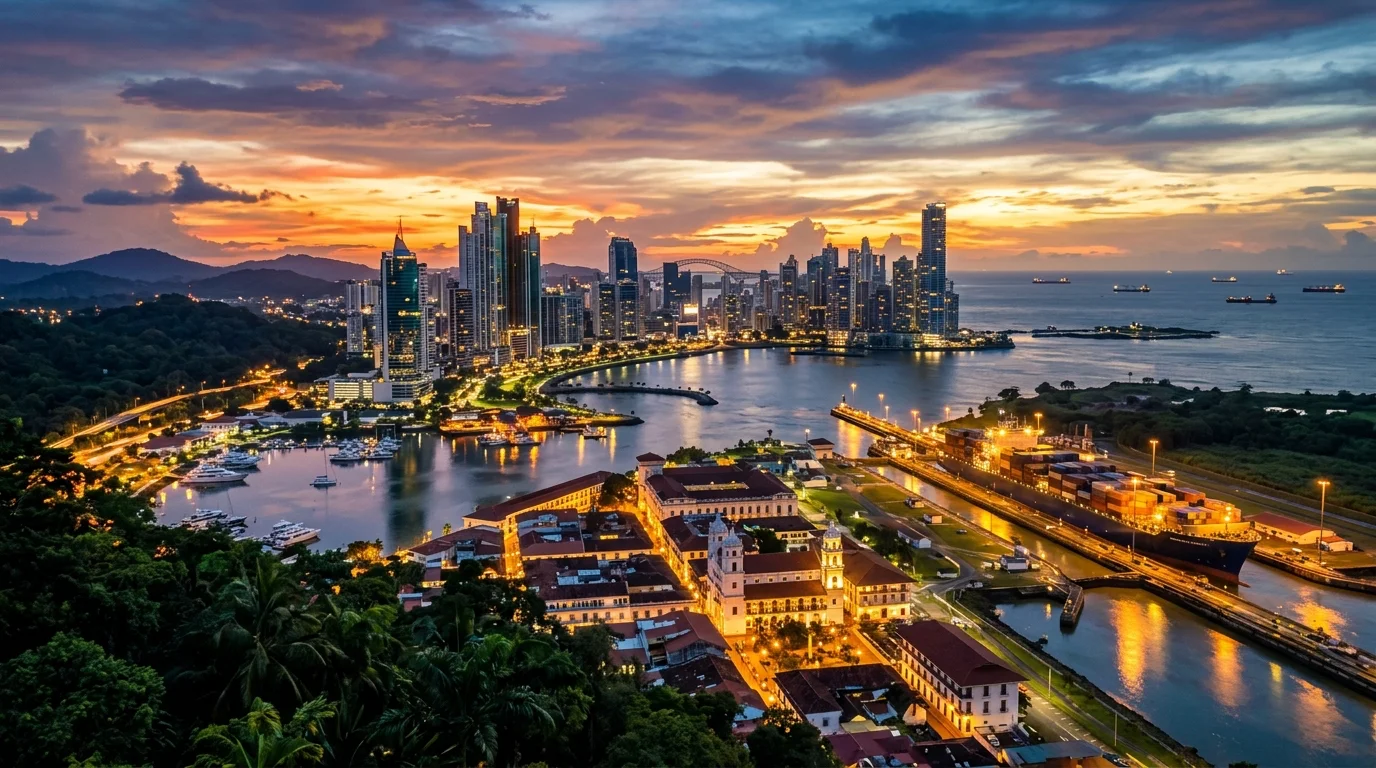
Panama City is the capital and largest city of Panama, located on the Pacific coast of Central America at the southern entrance to the Panama Canal. It is best known for the Panama Canal, its stunning Casco Viejo (old town) UNESCO World Heritage Site, and its dramatic skyline — one of the most impressive in Latin America. Visitors come here for the unique mix of world-class history, tropical nature, vibrant food scene, and the chance to watch massive ships pass through one of humanity's greatest engineering achievements.
Table of Contents
- Panama City Overview
- Getting There & Around
- Top Attractions & Landmarks
- Neighborhoods & Districts
- Food & Dining
- Nightlife & Entertainment
- Shopping
- Seasonal Events & Festivals
- Accommodation Recommendations
- Practical Information
- Day Trips & Nearby Destinations
- Insider Tips & Hidden Gems
- Money-Saving Tips
- Common Tourist Mistakes to Avoid
- Sample Itineraries
- Frequently Asked Questions
What Is Panama City and Why Should You Visit?
Panama City is the vibrant, cosmopolitan capital of Panama — a city of stunning contrasts where futuristic glass towers stand just minutes from 500-year-old cobblestone streets, tropical rainforests sit on the edge of the urban skyline, and ships from every nation queue to pass through the most famous canal in the world. It is a city that genuinely surprises visitors, offering far more depth, beauty, and adventure than most people expect.
Panama City stands apart from other Central American capitals because it is, at its heart, a global crossroads. The Panama Canal made this city one of the most strategically important places on Earth, and that international energy still pulses through every neighborhood. You will find world-class restaurants, rooftop bars with jaw-dropping skyline views, indigenous art markets, and some of the best birding spots on the planet — all within the same metropolitan area.
The city has cleaned up and transformed dramatically over the past decade. The metro system is modern and efficient, Casco Viejo has been beautifully restored, and the Amador Causeway offers a spectacular leisure area by the ocean. Panama City rewards curious travelers who look beyond the canal with one of the most rewarding urban adventures in all of the Americas.
When Is the Best Time to Visit Panama City?
Dry Season (December–April): This is peak tourist season in Panama City, with temperatures around 30–32°C (86–90°F), minimal rain, and plenty of sunshine. Crowds are highest from late December through February, and hotel prices rise accordingly. Book flights and accommodation well in advance during this window, especially over the Christmas and New Year holidays. The dry season is ideal for outdoor activities, visiting the canal locks, and taking day trips into the rainforest.
Wet Season (May–November): Panama's rainy season brings afternoon downpours almost daily, but mornings are usually bright and dry. Temperatures remain warm at around 28–31°C (82–88°F), and the lush green forests are especially beautiful. Prices drop significantly — you can find hotels at 30–40% less than peak rates. Budget travelers who don't mind packing an umbrella often prefer this season for its lower costs and thinner crowds.
Shoulder Season (November and late April): November and late April offer a sweet spot — the rains are beginning to ease or just picking up, crowds are manageable, and prices are more reasonable than peak dry season. November in particular is a great time to visit, with the overlap of Independence Day celebrations making the city feel especially festive.
Festival Season: Panama City's biggest celebrations happen in February (Carnival, one of the liveliest in Latin America), November (Independence Day, November 3rd and 28th), and around Christmas and New Year's when the city truly comes alive with fireworks, music, and street parties.
How Many Days Do You Need in Panama City?
- 1–2 days: You can cover the Panama Canal Miraflores Locks, Casco Viejo, and a walk along the Amador Causeway. Perfect for cruise passengers or those on a quick layover.
- 3–4 days: The ideal length for first-time visitors — enough time to explore all the major highlights, enjoy great meals, take a sunset boat tour, and dip into the natural side of Panama with a half-day rainforest visit.
- 5–7 days: Perfect for deep exploration — you can visit the Canal Expansion locks at Agua Clara, explore the town of Portobelo, take a day trip to the Emberá indigenous villages, and spend a full afternoon in the Metropolitan Natural Park.
- 1 week+: Ideal for travelers who want to use Panama City as a base for longer regional adventures — trips to Bocas del Toro, the San Blas Islands, or the highlands of Boquete are all accessible from the capital.
Quick Facts About Panama City
- Population: Approx. 1.1 million city / 2.4 million metro area (2026 estimate)
- Language: Spanish (English widely spoken in tourist areas, hotels, and the Canal Zone)
- Currency: US Dollar (USD, $) — Panama uses the Balboa (B/.) officially but the US dollar is used everywhere
- Time Zone: Eastern Standard Time (EST) / UTC−5 (no daylight saving time)
- Country Code: +507
- Area Code: No separate city area code — all Panama City numbers are 7 digits, starting with 2 or 6
- Climate: Tropical monsoon climate — warm and humid year-round, with a distinct dry and wet season
- Altitude: Sea level (approximately 0–30 meters / 0–98 feet in the city center)
How Do You Get To and Around Panama City?
The easiest way to reach Panama City is by flying into Tocumen International Airport, which is well-connected to North America, South America, and Europe, making it one of the most accessible cities in Central America.
Which Airports Serve Panama City?
Tocumen International Airport (PTY)
Tocumen International Airport, Corredor Sur, Tocumen, Panama City, Panama
Located about 25 km (16 miles) east of downtown Panama City, Tocumen is the main international hub and one of the busiest airports in Latin America. It is served by major airlines including Copa Airlines (Panama's national carrier), American Airlines, Delta, United, Avianca, Iberia, Air France, and Lufthansa. The airport has two modern terminals with good facilities including ATMs, currency exchange, duty-free shops, and restaurants.
Albrook "Marcos A. Gelabert" International Airport (PAC)
Avenida Omar Torrijos Herrera, Albrook, Panama City, Panama
Albrook handles domestic flights within Panama and some regional Central American routes. It is much closer to the city center — only about 5 km (3 miles) away — and is convenient if you are connecting to Bocas del Toro, David, or the San Blas Islands.
How Do You Get from the Airport to the City Center?
Official Taxi: Official yellow taxis from Tocumen Airport have fixed zone rates displayed at the taxi stand. Expect to pay around $28–$35 USD to Miraflores/Casco Viejo and $25–$30 USD to Marbella or El Cangrejo (2026 rates). The ride takes 30–50 minutes depending on traffic. Always use the official taxi line inside the terminal — never accept offers from drivers who approach you inside the building.
Rideshare (Uber/InDriver): Uber operates in Panama City and is generally $15–$22 USD from the airport to most hotels in the tourist zone. It can be slower during peak hours, but for most travelers it offers a good balance of convenience and price. InDriver is another popular local app where you can negotiate the fare.
Metro Bus: A public Metro Bus connects Tocumen Airport to the main Albrook Bus Terminal in the city. The fare is just $0.25 USD using a Metro Card (available at the airport), but this option involves multiple transfers and can take 60–90 minutes with luggage. It is practical only for very budget-conscious travelers.
Private Transfer: Pre-booked private transfers typically cost $45–$65 USD for up to 4 people and include a driver who waits for you at arrivals with a name sign. This is the most stress-free option, especially if you arrive late at night or with a group.
What Is the Best Way to Get Around Panama City?
The best way to get around Panama City is a combination of the Metro (subway) for long distances and Uber or taxis for neighborhoods not well served by the train. Panama City's sprawling layout means walking between all major sights is generally not practical, but the metro is fast, cheap, and modern.
Public Transport System
Panama City has a clean, air-conditioned Metro system with 3 lines covering major parts of the city including Albrook, Via España, and the Tocumen corridor. It runs from approximately 5:00 AM to 10:00 PM Monday to Saturday and 7:00 AM to 10:00 PM on Sundays. The Metro is fast, rarely crowded outside of rush hour, and perfectly safe for tourists.
Tickets & Passes:
- Single ride: $0.35 USD (using a Metro Card) or $0.45 USD cash
- Metro Card: $2.00 USD (one-time card fee, rechargeable)
- Metro Bus single ride: $0.25 USD with Metro Card
- No multi-day tourist pass currently available — simply top up your card as needed
Taxis & Rideshare
Official yellow taxis in Panama City do not use meters — fares are negotiated before you get in. Always agree on a price before entering the cab. Short rides within a neighborhood typically cost $2–$5 USD, while cross-city trips run $6–$15 USD. Uber and InDriver are generally more transparent and often cheaper, and both apps work reliably throughout the city.
Walking
Casco Viejo (the Old Town) is highly walkable — you can stroll from one end to the other in about 20 minutes. The Amador Causeway is also excellent for walking and cycling. However, other parts of Panama City like Miraflores, Marbella, and El Cangrejo are not well connected by foot due to the city's layout, heat, and limited pedestrian infrastructure.
Walkability Score: 55/100 for the tourist center. Casco Viejo scores a strong 85/100, while the modern banking district and areas around the canal locks are much lower.
What Are the Top Attractions and Landmarks in Panama City?
Panama City's top attractions include the world-famous Panama Canal, the UNESCO-listed Casco Viejo old town, the stunning Biomuseo, and some of the most accessible tropical rainforest viewing in Central America — all within a single metropolitan area.
Panama Canal — Miraflores Locks
Visitor Center Miraflores, Miraflores, Panamá, Panama (near the Bridge of the Americas)
The Miraflores Locks is the most accessible and most popular place to witness the Panama Canal in action. From the multi-level observation deck, you can watch enormous cargo ships, tankers, and cruise ships squeeze through the lock chambers — one of the most jaw-dropping sights in all of travel. The adjacent museum tells the full story of the canal's construction from the 1880s to today, with fascinating exhibits on engineering, history, and the wildlife of the canal corridor.
The visitor center has four levels of viewing platforms, a restaurant with direct views of the locks, and a large museum with interactive exhibits. Ships transit the locks multiple times per day, and the lock chamber operations are narrated in English and Spanish. The Miraflores Locks handle Panamax-sized ships — when you see a vessel that barely fits into the chamber with just inches to spare, it is genuinely breathtaking.
Why visit: Watching a massive ship rise or fall 8.5 meters (28 feet) in a lock chamber with perfectly precise mechanical efficiency is one of the great spectacles in human engineering. This is the experience most visitors say exceeds every expectation.
Entrance: Adults $20 USD / Children (4–12) $10 USD / Under 4 free (2026 prices)
Best time: Mornings (9:00 AM–11:00 AM) for best ship traffic and softer light for photos
Hours: Daily 9:00 AM – 5:00 PM (last entry 4:00 PM)
Casco Viejo (San Felipe)
Casco Antiguo, San Felipe, Panama City, Panama
Casco Viejo is Panama City's UNESCO World Heritage-listed historic district and one of the most beautifully restored colonial neighborhoods in the Americas. Built in 1673 after the original Panama Viejo settlement was destroyed by the pirate Henry Morgan, the old town is a warren of cobblestone streets lined with colorful colonial buildings, French-inspired architecture, leafy plazas, and stunning views of the modern skyline across the bay — a contrast that seems almost surreal.
The neighborhood is home to the Metropolitan Cathedral, the Presidential Palace (Palacio de las Garzas), the French Embassy ruins, Plaza de Francia, and dozens of boutique restaurants, rooftop bars, art galleries, and boutique hotels. The ongoing restoration continues to reveal beautiful facades that were hidden under decades of grime, making every visit slightly different from the last.
Why visit: Casco Viejo offers the most photogenic streets in all of Panama and captures the city's history, energy, and soul better than anywhere else. It is also the best place to eat, drink, and be entertained — especially after dark when the streets fill with a wonderful mix of tourists and locals.
Entrance: Free to explore (individual attractions have separate fees)
Best time: Late afternoon into evening for the best atmosphere and cooler temperatures
Hours: Open 24 hours; restaurants and bars active until midnight or later
Biomuseo (Museum of Biodiversity)
Avenida de los Mártires, Amador Causeway, Panama City, Panama
Designed by world-renowned architect Frank Gehry (his only project in Latin America), the Biomuseo is an explosion of color and shapes that sits at the entrance to the Amador Causeway. The building itself is a work of art — an angular, rainbow-colored structure that perfectly symbolizes Panama's role as a bridge between two continents and two oceans. Inside, eight interconnected exhibition galleries tell the extraordinary story of how the formation of the Panama land bridge changed life on Earth forever.
The museum explains how Panama's isthmus emerged from the sea 3 million years ago, triggering the Great American Biotic Interchange — one of the largest migrations of species in Earth's history — and forever changing the climate, ocean currents, and biodiversity of the entire planet. The exhibitions are beautifully designed and highly educational, using life-size models, interactive displays, and immersive environments.
Why visit: The Biomuseo is one of the most visually striking and intellectually engaging museums in Central America. Even travelers who don't typically enjoy museums find it captivating. The combination of Frank Gehry's architecture, the natural history content, and the views of the canal entrance makes this a truly world-class experience.
Entrance: Adults $22 USD / Students (with ID) $14 USD / Children (5–17) $8 USD / Under 5 free (2026 prices)
Best time: Mornings on weekdays; less crowded
Hours: Tuesday–Friday 10:00 AM – 4:00 PM; Saturday–Sunday 10:00 AM – 5:00 PM; Closed Monday
Cinta Costera (Coastal Beltway)
Avenida Balboa, Panama City, Panama (runs from Casco Viejo toward Miraflores)
The Cinta Costera is Panama City's stunning waterfront promenade — a 10-km stretch of reclaimed land along the Pacific coast that has become one of the city's favorite outdoor spaces. The wide, beautifully landscaped walkway offers non-stop views of the Bay of Panama, Panama City's dramatic skyline, and — on clear days — the profile of the Bridge of the Americas in the distance.
On weekends, the Cinta Costera transforms into a joyful community space with joggers, cyclists, families with strollers, food vendors, outdoor exercise classes, and musicians. It connects several important neighborhoods and is free to enjoy any time. The section near the fish market (Mercado del Marisco) and the section by the Biomuseo approach are particularly scenic.
Why visit: The Cinta Costera is the perfect introduction to Panama City's energy and community spirit. A morning or evening stroll here, with the skyline glittering in one direction and the vast ocean in the other, is one of the most memorable free experiences in the city.
Entrance: Free
Best time: Early morning (6:00–9:00 AM) for cooler temperatures, or sunset (5:30–6:30 PM) for spectacular light
Hours: Open 24 hours
Panama Viejo (Old Panama Ruins)
Av. Cincuentenario, Parque Arqueológico de Panamá la Vieja, Panama City, Panama
Panama Viejo (officially Panamá la Vieja) is the UNESCO-protected site of the original Panama City, founded in 1519 — making it the first permanent European settlement on the Pacific coast of the Americas. In 1671, the pirate Henry Morgan and his 1,200 buccaneers sacked and burned the city to the ground, leaving behind the haunting ruins you can visit today: crumbling stone churches, a cathedral tower, convent walls, and residential foundations stretching over a vast archaeological park.
The site includes a modern museum at the entrance with excellent exhibits on colonial life, artifacts recovered from excavations, and the full story of the city's founding, its golden age as a transfer point for Andean gold and silver, and its dramatic destruction. The tower of the old cathedral is climbable and offers panoramic views over both the ruins and the modern city skyline — one of the most striking views in Panama.
Why visit: Standing amid the ruins while modern Panama City's glass towers rise behind them creates an almost cinematic view of five centuries of history colliding in a single frame. Panama Viejo also gives essential context to understanding why Panama City became what it is — the crossroads of world trade.
Entrance: Adults $15 USD / Children (6–12) $5 USD / Under 6 free (2026 prices)
Best time: Early morning (8:00–10:00 AM) to avoid midday heat
Hours: Tuesday–Sunday 9:00 AM – 5:00 PM; Closed Monday
Metropolitan Natural Park (Parque Natural Metropolitano)
Avenida Juan Pablo II, Ancón, Panama City, Panama
The Metropolitan Natural Park is one of the most remarkable urban nature reserves in the world — a 265-hectare (655-acre) tropical rainforest sitting on the edge of the Panama City skyline. This is not a zoo or a botanical garden: it is a functioning fragment of the same rainforest that lines the Panama Canal, and it is home to hundreds of species of birds, mammals, reptiles, and plants living wild just minutes from the financial district.
The park has several well-marked hiking trails ranging from easy 30-minute walks to a 3-hour loop that climbs to the Mirador Cerro Cedro viewpoint — which delivers one of the best views in Panama City: the skyline on one side and the Canal watershed forests on the other. Wildlife you may encounter includes sloths, coatis, howler monkeys, toucans, agoutis, and over 200 bird species including the magnificent Harpy Eagle in rare occasions.
Why visit: Where else in the world can you watch toucans in a rainforest canopy and then look over your shoulder at a glittering skyline of skyscrapers? This park is one of Panama City's most unique gifts, and entry costs almost nothing.
Entrance: Adults $5 USD / Children $2 USD (2026 prices)
Best time: Early morning (6:30–9:00 AM) for wildlife activity and cooler temperatures
Hours: Monday–Friday 6:00 AM – 6:00 PM; Saturday–Sunday 8:00 AM – 6:00 PM
Amador Causeway (Calzada de Amador)
Calzada de Amador, Balboa, Ancon, Panama City, Panama
The Amador Causeway is a 4-km breakwater road connecting three small islands — Naos, Perico, and Flamenco — to the mainland at the Pacific entrance to the Panama Canal. Originally built from canal excavation rock in the early 1900s to protect the canal from Pacific swells, it has been transformed into one of Panama City's most scenic and beloved recreational areas, with restaurants, marinas, the Biomuseo, and unbeatable views of the city, the canal entrance, and the Bay of Panama.
The causeway is lined with palm trees, restaurants, and waterfront cafés, making it a perfect place for an evening stroll or a sunset dinner. From here you can watch ships anchored in the bay waiting to transit the canal, see the Bridge of the Americas in the distance, and enjoy the fresh Pacific breeze. Several dive operators and boat tour companies are also based here.
Why visit: The Amador Causeway offers the best free views of the Panama Canal entrance and the city skyline, especially at sunset. It is also the most pleasant outdoor leisure area in the city and a great place to unwind after a day of sightseeing.
Entrance: Free (restaurants and activities have separate costs)
Best time: Late afternoon (4:30–6:30 PM) for sunset views
Hours: Open 24 hours; restaurants close between 10 PM–midnight
Panama Canal Expansion — Agua Clara Locks
Visitors Center Agua Clara, Colón, Panama (approx. 80 km from Panama City)
While Miraflores is the most convenient canal viewing point, the Agua Clara Locks on the Atlantic side (near Colón) offer the chance to see the new expanded canal — the project completed in 2016 that allows the largest container ships in the world ("New Panamax" or "Neo-Panamax" vessels) to transit. These ships are so enormous that seeing them pass through the locks is even more astonishing than watching ships at Miraflores.
The Agua Clara visitor center has a well-designed observation terrace with close views of the lock chambers, plus a good museum covering the expansion project. The drive from Panama City takes about 60–70 minutes each way via the Pan-American Highway and is an easy half-day trip that can be combined with a stop in the colonial port town of Portobelo.
Why visit: If you want to see the biggest ships in the world squeeze through a lock with just centimeters to spare, Agua Clara is where it happens. The scale of the expanded canal locks is genuinely mind-boggling and represents one of the greatest construction feats of the 21st century.
Entrance: Adults $20 USD / Children (4–12) $10 USD (2026 prices)
Best time: Mornings for best light and ship traffic
Hours: Daily 9:00 AM – 5:00 PM
Mercado de Mariscos (Fish Market)
Avenida Balboa & Calle 15 Este, Panama City, Panama (near Cinta Costera)
Panama City's famous Mercado de Mariscos is one of the most exciting and authentic food experiences in Central America. This large, waterfront market is where fishermen bring their daily catch directly from Pacific and Caribbean waters — you will see mahi-mahi, red snapper, shrimp, octopus, lobster, and dozens of other species laid out on ice before they are snapped up by restaurant buyers and home cooks. The ground floor is the wet fish market; the upper levels host casual seafood restaurants serving the freshest possible food.
The upper restaurant level is the best place in Panama City to eat ceviche — the local version is made with fresh corvina (sea bass) marinated in lime, cilantro, and hot peppers, and it is absolutely outstanding. Arrive between 10:00 AM and 1:00 PM for the most vibrant atmosphere and the freshest selections.
Why visit: For food lovers, this market is paradise. You can have one of the best seafood meals of your life here for under $15 USD. The combination of the market energy, the ocean setting, and the quality of the food makes this a highlight for many visitors.
Entrance: Free (food costs separate)
Best time: 10:00 AM – 1:00 PM for freshest fish and best energy
Hours: Daily 6:00 AM – 6:00 PM (restaurants open until around 6:00 PM)
Summit Gardens and Zoo (Parque Municipal Summit)
Gamboa Road, Km 6.5, Ancón, Panama City, Panama
Set in the lush Canal watershed forests about 20 km from downtown, Summit Gardens is a botanical garden and wildlife rescue center that is home to one of the most important populations of Harpy Eagles (Panama's national bird) in captivity. The gardens were originally created in 1923 by the US Canal Authority to acclimatize tropical plants from around the world, and today they feature a stunning collection of tropical trees, ferns, and flowering plants set in a gorgeous forest landscape.
Beyond the Harpy Eagle enclosure, Summit is home to jaguars, tapirs, ocelots, peccaries, crocodiles, and dozens of bird species — all rescued from the wild or bred in conservation programs. The spacious grounds have well-maintained paths and shaded picnic areas, making it an excellent family outing.
Why visit: This is one of the best places in Panama to see a Harpy Eagle — the largest and most powerful eagle in the Americas and a truly majestic bird. Summit also offers a taste of the canal's forested watershed in a family-friendly setting.
Entrance: Adults $5 USD / Children (3–12) $3 USD (2026 prices)
Best time: Morning (7:00–10:00 AM) for active wildlife
Hours: Daily 9:00 AM – 5:00 PM
What Are the Best Neighborhoods to Explore in Panama City?
Panama City's neighborhoods each have a distinct character — from the beautifully restored colonial streets of Casco Viejo to the gleaming financial towers of Punta Pacifica. Here are the best areas to explore.
Casco Viejo (San Felipe)
Character: Romantic, historic, colorful. A UNESCO World Heritage Site with restored colonial and French Republican architecture, cobblestone streets, bougainvillea-draped balconies, and a beautiful waterfront promenade overlooking the Bay of Panama.
What makes it special: This neighborhood is the heart and soul of Panama City — the most photogenic, most atmospheric, and most beloved district in the entire city. It is home to the best restaurants, rooftop bars, boutique hotels, art galleries, and music venues in Panama. The ongoing restoration makes it feel like a living, changing work of art.
Best for: Culture lovers, photographers, foodies, couples, nightlife seekers, history buffs
Must-see in this area: Plaza de la Independencia (Cathedral Plaza), Palacio de las Garzas, Plaza de Francia, Iglesia de San José (Golden Altar), Paseo Esteban Huertas promenade
How to get there: Take an Uber or taxi from most hotels (approximately $5–$12 USD). Some areas are accessible via Metro Bus.
Location: Casco Antiguo, San Felipe, Panama City, Panama
Miraflores / Balboa / Ancón
Character: Quiet, leafy, and full of history — this area around the former US Canal Zone retains the distinctive wooden American bungalows built for canal workers in the early 20th century. It has a suburban, park-like feel very different from the rest of the city.
What makes it special: The Miraflores Locks and the Metropolitan Natural Park are both located here, making this the natural and canal epicenter of the city. The Ancón Hill viewpoint offers perhaps the best aerial view of Panama City for free. The STRI (Smithsonian Tropical Research Institute) is also based here, giving the area an intellectual, scientific character.
Best for: Nature lovers, history buffs, canal enthusiasts, families
Must-see in this area: Miraflores Locks Visitor Center, Metropolitan Natural Park, Ancón Hill viewpoint, Albrook Mall (the largest mall in Central America)
How to get there: Metro Line 1 to Albrook station; then taxi or Uber to specific sites
Location: Miraflores, Ancón, Panama City, Panama
El Cangrejo & Bella Vista
Character: Busy, urban, and full of energy — El Cangrejo is Panama City's most central cosmopolitan neighborhood, home to international restaurants, neighborhood cafés, supermarkets, mid-range hotels, and the Via España commercial corridor.
What makes it special: This is where many middle-class Panamanians actually live and work, giving it an authentic city feel away from the tourist bubble. The neighborhood has excellent dining options at all price points, great coffee shops, and easy Metro access. It is one of the best areas to stay for travelers who want a central, lived-in neighborhood base.
Best for: Budget and mid-range travelers, solo travelers, long-stay visitors
Must-see in this area: Via España shopping corridor, Parque Urraca (a pleasant neighborhood park), Mercado de Mariscos (15 minutes by taxi)
How to get there: Metro Line 1 (Via España station) or Uber/taxi from anywhere in the city for $5–$10 USD
Location: El Cangrejo, Panama City, Panama
Marbella, Obarrio & San Francisco
Character: Modern, sleek, and sophisticated — this cluster of neighborhoods along the coastal strip between the Cinta Costera and Via Israel represents "new Panama City." Glass towers, international hotels, upscale restaurants, and cocktail bars define the landscape here.
What makes it special: This is where Panama City's financial and business elite eat, socialize, and entertain. The restaurant scene is genuinely world-class, with Japanese, Peruvian fusion, modern Latin, and international fine dining options that rival any major capital. The strip along Calle Uruguay in Marbella is particularly known for its nightlife concentration.
Best for: Business travelers, luxury travelers, foodies, nightlife seekers
Must-see in this area: Calle Uruguay nightlife strip, Parque Omar (the city's largest urban park), Multiplaza Pacific Mall (upscale shopping)
How to get there: Metro Line 2 (Via Brasil area) or Uber from city center for $6–$12 USD
Location: Marbella, Panama City, Panama
Punta Pacifica & Costa del Este
Character: Gleaming, ultra-modern, and exclusive — this is Panama City's newest and most luxurious residential and hotel zone, dominated by skyscrapers, luxury condos, gated communities, and five-star hotels. The skyline view from Punta Pacifica at night is extraordinary.
What makes it special: Home to the JW Marriott, Trump Ocean Club, and several other flagship luxury properties, Punta Pacifica is where high-end visitors to Panama stay and where the city's most exclusive restaurants are located. The views of the Pacific and the Bay of Panama from upper floors are stunning.
Best for: Luxury travelers, honeymooners, business visitors on expense accounts
Must-see in this area: Multiplaza Pacific Mall, Punta Pacifica waterfront, Multicentro Mall
How to get there: Uber from city center ($8–$15 USD) or taxi
Location: Punta Pacifica, Panama City, Panama
Panama Viejo (Eastern Historic Site)
Character: Atmospheric and historic — the area around the Panama Viejo ruins in the eastern part of the city mixes the ancient archaeological site with a modern residential neighborhood and a pleasant waterfront strip.
What makes it special: The juxtaposition of 16th-century ruins against a modern city backdrop is found nowhere else like this. The small craft market at the ruins entrance sells some of the best quality Mola fabrics (traditional Kuna indigenous textile art) and handicrafts in the city at reasonable prices.
Best for: History enthusiasts, photography lovers, shoppers looking for authentic crafts
Must-see in this area: Panamá La Vieja ruins, Craft Market at the ruins entrance, Tocumen waterfront park
How to get there: Metro Line 2 (Tocumen direction) or Uber for $10–$18 USD from Casco Viejo
Location: Panamá la Vieja, Vía Cincuentenario, Panama City, Panama
What Food Should You Try in Panama City?
Panama City is famous for its diverse and delicious cuisine — a fusion of indigenous traditions, Spanish colonial flavors, Afro-Caribbean influence, and a remarkable modern restaurant scene shaped by the city's international character. The must-try dishes include fresh ceviche, sancocho stew, ropa vieja, and Panamanian-style rice and beans.
What Are the Must-Try Local Dishes in Panama City?
- Ceviche de Corvina — The star of Panamanian food. Fresh sea bass (corvina) marinated in lime juice, cilantro, white onion, celery, and ají chombo (Scotch bonnet pepper). Served chilled with crackers. Get the best version at the Mercado de Mariscos.
- Sancocho — Panama's national dish. A hearty, flavorful chicken soup made with yuca (cassava), ñame (yam), corn, culantro (a stronger variety of cilantro), and chicken — traditionally eaten for Sunday family meals and at celebrations. Deeply comforting and delicious.
- Ropa Vieja — Shredded beef slow-cooked with tomatoes, peppers, onions, and spices, served with white rice and fried plantains. A Caribbean-influenced classic found at traditional Panamanian restaurants throughout the city.
- Patacones — Twice-fried green plantain rounds, pounded flat, crispy outside and soft inside. Served as a side dish or as a base for toppings like ceviche, black beans, or guacamole. Universally loved and found everywhere.
- Arroz con Pollo — Yellow rice cooked with chicken, olives, capers, and vegetables. A comfort food staple that appears at every family table and local restaurant in Panama.
- Carimañolas — Deep-fried yuca (cassava) rolls stuffed with seasoned ground meat or cheese. A popular breakfast and street food snack with a distinctive golden crust and soft interior.
- Tamales Panameños — Panamanian-style tamales made with corn masa stuffed with chicken or pork, olives, and capers, wrapped in banana leaves and steamed. Found at local markets and traditional restaurants, especially during holidays.
- Hojaldres — Light, pillowy fried dough — the Panamanian equivalent of a beignet — traditionally eaten at breakfast with cheese and honey, or served alongside sancocho. Essential morning street food.
Where Should You Eat in Panama City?
Budget-Friendly (Under $8 USD per meal)
- Mercado de Mariscos — Avenida Balboa & Calle 15 Este, Panama City — Order the ceviche and grilled fish upstairs at the market restaurants. A full seafood plate with rice and salad costs $8–$12 USD, and the quality is extraordinary. Go for lunch.
- La Preferida — Calle 31 Este, El Carmen, Panama City — A beloved old-school Panamanian diner where locals come for massive plates of ropa vieja, sancocho, and rice and beans at prices that have barely changed in a decade. Lunch specials from $5–$7 USD.
- Niko's Café — Multiple locations including Via España, Panama City — A Panama institution for affordable, reliable local food. The lunch buffet at around $6–$8 USD gives you access to 10–15 Panamanian and international dishes. Always crowded with locals — a great sign.
Mid-Range ($12–$30 USD per meal)
- Donde José — Calle 8a Oeste, Casa 132, Casco Viejo, Panama City — One of the most celebrated dining experiences in Panama. Chef José Olmedo Carles presents a multi-course tasting menu of modern Panamanian food for around $65 USD, but the smaller lunch menu is more accessible at $20–$30 USD. Reservations essential — book weeks in advance.
- Casa Blanca — Calle 9a Oeste & Avenida A, Casco Viejo, Panama City — Excellent Panamanian-Mediterranean fusion in a beautiful colonial building in Casco Viejo. The ceviche, grilled fish, and cocktails are exceptional. Dinner for two with drinks runs $50–$80 USD.
- Maito — Calle 50 & Calle 77, San Francisco, Panama City — Consistently rated Panama's best restaurant by Latin America's 50 Best. Chef Mario Castrellón's creative Panamanian cuisine uses indigenous ingredients and local farmers. Reserve weeks ahead for a table. Tasting menu from $70 USD per person.
- Las Tinajas — Calle 51 Este, Bella Vista, Panama City — A classic Panama City restaurant famous for traditional Panamanian food and folkloric dance performances during dinner on Thursday, Friday, and Saturday evenings. Great for first-time visitors wanting cultural entertainment with their meal. Mains $15–$25 USD.
Fine Dining ($50+ USD per person)
- Maito — Calle 50 & Calle 77, San Francisco, Panama City — Panama's flagship fine dining experience. The tasting menu showcases the extraordinary biodiversity of Panama through 8–10 courses of brilliantly conceived dishes using ingredients from across the country. Dress smart casual; reservations essential.
- 1985 Restaurant — F5WW+8G3, Punta Pacifica, Panama City — Upscale international cuisine in the Trump Ocean Club tower with panoramic skyline views. Excellent for a special occasion dinner. Mains from $35–$60 USD; full dinner with wine $100–$150 USD per person.
What Are the Dining Customs in Panama City?
Meal times: Breakfast is typically 7:00–9:00 AM; lunch (the main meal for many locals) is 12:00–2:00 PM; dinner runs from 7:00 PM onward, with restaurants busy from 8:00–9:30 PM in upscale areas.
Tipping: A 10% service charge (ITBMS) is sometimes included in the bill — check before adding more. In restaurants where it is not included, tipping 10–15% for good service is standard. For casual eateries and street food, tipping is not expected.
Reservations: Required at top restaurants like Donde José and Maito (book at least 1–2 weeks ahead). Most mid-range Casco Viejo restaurants appreciate reservations on weekends. Casual places do not require booking.
Dress code: Panama City dining is relaxed — smart casual is appropriate for all but the most formal fine dining establishments. No shorts at upscale restaurants; most places welcome neat casual attire.
What Is the Nightlife Like in Panama City?
Panama City's nightlife scene is vibrant, cosmopolitan, and diverse — the city comes alive after 9:00 PM and keeps going until 3:00 or 4:00 AM on weekends, with a mix of rooftop cocktail bars, salsa clubs, live music venues, and Casco Viejo's beautifully lit colonial streets providing some of the most atmospheric evening entertainment in Central America.
Where Are the Best Areas for Nightlife in Panama City?
- Casco Viejo: Avenida A & Calle 10, San Felipe, Panama City — The most atmospheric nightlife zone in the city. Rooftop bars with skyline views, cocktail lounges in restored colonial buildings, jazz clubs, and late-night restaurants. A mix of tourists and trendy locals makes for a great crowd.
- Calle Uruguay (Marbella): Calle Uruguay, Marbella, Panama City — Panama City's most concentrated nightlife strip outside Casco Viejo. A long block of bars, clubs, and restaurants that fills up after 10:00 PM Thursday–Saturday. More local clientele than Casco Viejo, with a mix of salsa, electronic, and reggaeton music.
- Punta Pacifica & Costa del Este: Trump Ocean Club & Area, Punta Pacifica, Panama City — Upscale hotel bars and rooftop lounges for a more sophisticated nightlife experience. Pricier but with extraordinary views and a more refined atmosphere.
What Are the Best Bars and Clubs in Panama City?
Bars & Pubs
- Ego y Narciso — Avenida A & Calle 3, Casco Viejo, Panama City — One of the most beloved bars in Panama City. This casual, friendly spot on the edge of the sea wall in Casco Viejo has excellent cocktails, cold beers, and a spectacular view of the bay and the Bridge of the Americas. Great for sunset and into the evening.
- La Rana Dorada — Calle 3, Casco Viejo, Panama City — Panama City's best craft brewery and taproom, with six rotating local craft beers brewed on site. The pale ale and India Pale Ale are particularly good. Cool, low-key atmosphere popular with expats and younger travelers.
- Istmo Brew Pub — Calle Uruguay, Marbella, Panama City — Another excellent craft beer spot on the Uruguay nightlife strip, with good pub food and a wide selection of local and international beers. Busy from Thursday through Saturday night.
Clubs & Dancing
- Tantalo Rooftop — Calle 8a Oeste & Avenida B, Casco Viejo, Panama City — The rooftop of the Tantalo Hotel is one of the most beautiful and popular nightlife spots in Panama City. A sophisticated rooftop bar that transitions into a DJ-driven club after midnight on weekends. Cover charge around $10–$15 USD on busy nights. Dress code: smart casual.
- Havana Panamá — Calle Uruguay, Marbella, Panama City — Panama City's premier salsa and Latin dance club, with live Cuban bands on weekends and a dance floor that heats up after 11:00 PM. Cover charge approximately $8–$15 USD. Dance lessons sometimes offered on Thursday evenings.
Live Music & Shows
- Danilo's Jazz Club — American Trade Hotel, Calle 10 & Avenida A, Casco Viejo, Panama City — The premier live jazz venue in Panama, set inside the stunning American Trade Hotel. Local and international artists perform Thursday–Saturday evenings. Tickets $15–$25 USD; cocktails around $12 USD. Reservations strongly recommended.
- Teatro en Círculo — Avenida 6C Norte, El Cangrejo, Panama City — Panama's main theatre for Spanish-language plays, dance performances, and cultural events. Check their website for current programming. Tickets typically $10–$25 USD.
What Family-Friendly Evening Entertainment Is Available?
Families can enjoy an evening stroll along the Cinta Costera waterfront, which is lively and safe until around 10:00 PM with food kiosks, musicians, and beautiful views. The Albrook Mall cinema complex shows English-language films. Friday and Saturday evenings often feature free cultural events in the plazas of Casco Viejo — check the city's cultural calendar for concerts and outdoor performances.
What and Where Should You Shop in Panama City?
The best things to buy in Panama City are Mola textiles (traditional Kuna embroidered fabric panels), Panamanian hats (often mislabeled as "Panama hats" — the true Panamanian version is actually a sombrero pintado from the Azuero Peninsula), Emberá indigenous crafts, rum, and coffee from highland farms. The top shopping areas are Multiplaza Pacific, Albrook Mall, and the craft markets of Casco Viejo and Panama Viejo.
What Are the Best Shopping Districts in Panama City?
- Multiplaza Pacific: Avenida Balboa, Punta Pacifica, Panama City — Panama City's premier luxury shopping mall with international brands including Zara, Hugo Boss, Louis Vuitton, and over 200 stores. Air-conditioned and comfortable; great food court and restaurants. Open daily 10:00 AM–9:00 PM.
- Albrook Mall: Avenida Omar Torrijos Herrera, Albrook, Panama City — The largest shopping center in Central America, with over 700 stores across multiple levels. More accessible pricing than Multiplaza — a great place for practical shopping and everyday items. Attached to the Albrook Bus Terminal.
- Casco Viejo Artisan Shops: Avenida Central & Calle 1, Casco Viejo, Panama City — A growing cluster of boutique craft shops, gallery stores, and fashion boutiques selling locally made jewelry, art, Mola textiles, and contemporary Panamanian design. Higher quality and more thoughtful than typical tourist souvenirs.
What Markets Should You Visit in Panama City?
Craft Market at Panama Viejo — Vía Cincuentenario, Panamá la Vieja, Panama City — Open daily 8:00 AM–5:00 PM. This is the best place in the city to buy authentic indigenous crafts — Mola fabric panels from the Kuna Yala region, Emberá woven baskets, carved tagua nut figurines, and hand-painted pottery. Prices are fair and quality is good; some light bargaining is acceptable.
Mercado de Artesanías de Panama (IPAT Crafts Market) — Avenida 4 de Julio (Av. Los Mártires), next to the Biomuseo, Panama City — Another excellent craft market with a wide range of Panamanian handicrafts, including the famous sombrero pintado (Panamanian painted hat) from the Azuero Peninsula. Open daily 9:00 AM–6:00 PM.
Mercado Público de Abastos — Avenida Balboa, Panama City (near Plaza 5 de Mayo) — Panama City's main public food market. A chaotic, colorful, and authentic experience with stalls selling tropical fruits, vegetables, spices, dried herbs, and street food. Best visited in the morning when it is freshest and most active. Not primarily for souvenirs but essential for experiencing real city life.
What Should You Buy in Panama City?
- Mola Textiles — Traditional hand-stitched fabric art made by Kuna (Guna) women from the San Blas archipelago. Each Mola is a unique, intricately layered panel of colorful fabric depicting geometric patterns, animals, or local legends. Prices range from $15 USD (small decorative pieces) to $150 USD+ for large, complex panels.
- Emberá Woven Baskets — Beautiful tightly woven baskets made by the Emberá indigenous people using natural fibers dyed with forest plants. Uniquely Panamanian and excellent quality. Available at the Panama Viejo craft market, $20–$80 USD depending on size.
- Sombrero Pintado — The authentic Panamanian hat — a hand-woven wide-brimmed hat with a distinctive black and white painted pattern, made in the Azuero Peninsula. Unlike the so-called "Panama hat" (which is actually from Ecuador), this is the real Panamanian hat. Found at craft markets, $20–$60 USD.
- Panamanian Coffee — Panama's highland Boquete region produces some of the world's most prized coffees, including the legendary Geisha variety. Excellent single-origin bags are available at specialty coffee shops and airport duty-free stores for $15–$40 USD.
- Seco Herrerano Rum — Panama's national spirit — a clear sugarcane liquor from the Herrera province used in the local Seco con Vaca cocktail. Bottles are $8–$15 USD at supermarkets. A distinctive, locally loved souvenir.
- Tagua Nut Carvings — Intricate animal and figure carvings made from tagua (vegetable ivory), a sustainable alternative to elephant ivory. Beautiful, lightweight, and uniquely Latin American. Sold at craft markets for $5–$30 USD.
What Are the Shopping Hours and Customs?
Major malls are open daily from 10:00 AM to 9:00 PM. Craft markets generally operate from 8:00 AM to 5:00 PM. Smaller boutique shops in Casco Viejo open around 10:00 AM and close by 7:00–8:00 PM, with some closed on Sundays. Light bargaining is acceptable at open craft markets but is not practiced in malls or boutique shops. Panama has no VAT refund scheme for tourists, but prices are generally lower than comparable goods in North America or Europe due to Panama's free trade zone status.
What Festivals and Events Happen in Panama City?
Panama City's biggest festivals are Carnival in February, the November Independence celebrations, and the vibrant Christmas and New Year season — but the city has something happening almost every month of the year.
What Is the Annual Events Calendar for Panama City?
| Month | Event Name | Description |
|---|---|---|
| January | New Year Celebrations & Holy Week Prep | The city continues holiday energy from December. Cultural events and outdoor concerts at the Cinta Costera. Hotel prices remain elevated through mid-January. |
| February | Carnaval de Panamá | One of Latin America's biggest Carnivals, centered on the Cinta Costera waterfront. Four days of parades, culecos (water truck spray parties), Queen elections, and non-stop music. 2026 dates: February 28–March 3. Book accommodation months in advance. |
| March | Jazz Festival Panama | An internationally acclaimed jazz festival held in late March, featuring artists from North America, Europe, and Latin America performing in venues including Casco Viejo's plazas and the Biomuseo gardens. Multi-day event with some free and some ticketed concerts. |
| April | Holy Week (Semana Santa) | Easter Holy Week is a major holiday in Catholic Panama. Many businesses close, processions take place in Casco Viejo, and Panamanians travel to beaches. The city can feel quiet — a good time for calm sightseeing. |
| May | Mother's Day & Labour Day Celebrations | Labour Day (May 1) is a public holiday with marches. Mother's Day (last Sunday of May) is huge — restaurants are packed and many places require reservations weeks in advance. |
| June | Corpus Christi Festival | Religious processions and festivals take place in Panama City and in La Villa de Los Santos (an accessible day trip). June is the beginning of the wet season, with lower prices and fewer crowds. |
| July | Afro-Antillean Cultural Festival | Celebrates Panama's Afro-Caribbean heritage with music, dance, traditional food, and storytelling events, primarily in Colón province but with events in Panama City as well. |
| August | Panama City Film Festival | An annual film festival showcasing Latin American and international cinema with screenings at theatres across the city. Tickets are affordable (usually $5–$10 USD per screening). |
| September | Hispanic Culture Month | Cultural events, folk dances, and traditional music performances celebrate Panama's Spanish heritage throughout the month. Often free events in public plazas. |
| October | World Tourism Day Events / Foundation Day | Foundation Day on November 3rd preparation events begin. Cultural tours, museum open days, and reduced admission at major attractions to celebrate World Tourism Day (September 27). |
| November | Panama Independence Month | November is Panama's patriotic month, with three Independence Days: November 3 (from Colombia), November 10 (the First Cry of Independence), and November 28 (from Spain). Parades, concerts, and flag ceremonies fill the city. A fantastic time to visit. |
| December | Christmas & New Year Celebrations | Christmas lights illuminate Casco Viejo and the Cinta Costera from early December. New Year's Eve brings the biggest fireworks display over the Bay of Panama — viewable from the Cinta Costera and Amador Causeway. Hotels are fully booked from December 27–January 2; book months in advance. |
How Do Festivals Affect Hotel Prices and Availability?
Panama City's Carnival (February/March) and New Year's Eve are the two events that cause the biggest price spikes and earliest sellouts — expect hotel rates to double or triple and availability to disappear months in advance for both. November Independence celebrations also create significant demand, particularly around November 3rd and 28th. For Carnival, book at least 3–4 months ahead and consider staying slightly outside the city center for lower prices.
Where Should You Stay in Panama City?
The best neighborhood to stay in Panama City depends on your travel style — Casco Viejo for atmosphere and romance, El Cangrejo for value and centrality, Marbella/Obarrio for modern amenities, or Punta Pacifica for luxury and views.
What Are the Best Neighborhoods to Stay in Panama City?
| Neighborhood | Vibe | Price Range (per night, 2026) | Best For |
|---|---|---|---|
| Casco Viejo | Historic, romantic, atmospheric | $80–$300 USD (boutique hotels) | Couples, culture lovers, first-time visitors |
| El Cangrejo / Bella Vista | Urban, central, local | $45–$120 USD (mid-range hotels) | Budget travelers, solo travelers, long stays |
| Marbella / Obarrio | Modern, business, lively | $70–$180 USD (business/boutique hotels) | Business travelers, nightlife seekers, foodies |
| Punta Pacifica / Punta Paitilla | Luxury, high-rise, exclusive | $150–$500 USD+ (5-star hotels) | Luxury travelers, honeymooners |
| Albrook / Miraflores | Quiet, leafy, canal-side | $40–$100 USD (mid-range to budget) | Families, nature lovers, canal visitors |
What Are the Pros and Cons of Each Area?
Casco Viejo:
Pros: The most beautiful and atmospheric part of the city; walkable to restaurants, bars, and historic sites; incredible views; wonderful social energy; boutique hotels with character.
Cons: Limited hotel options at the budget end; the edges of the neighborhood require caution at night; limited parking; can get noisy on weekend nights.
El Cangrejo / Bella Vista:
Pros: Most central location; great value; excellent restaurants and supermarkets nearby; Metro access; easy Uber connections to all major sites.
Cons: Less atmospheric than Casco Viejo; traffic can be bad during rush hour; not as walkable to major tourist sights.
Marbella / Obarrio:
Pros: Modern and safe; great restaurant and nightlife scene on Calle Uruguay; many business hotels with good facilities; close to Multiplaza Mall and Punta Pacifica.
Cons: Somewhat soulless compared to Casco Viejo; distant from canal sights and ruins; relies heavily on Uber/taxi for transportation.
Punta Pacifica / Punta Paitilla:
Pros: Stunning skyline and ocean views; world-class hotels; safest area of the city; excellent restaurants; closest to the Trump Ocean Club and JW Marriott.
Cons: Expensive; far from Casco Viejo and canal sights; very car-dependent; corporate and anonymous atmosphere.
How Far in Advance Should You Book in Panama City?
For peak season (December–February) and especially around Carnival and New Year, book at least 2–3 months ahead — popular boutique hotels in Casco Viejo sell out 4+ months in advance for New Year's Eve. For shoulder and low season (May–November), 2–4 weeks advance booking is usually sufficient and you will find much better rates. Always look for free cancellation options — weather and plans can change quickly in Panama.
What Do You Need to Know Before Visiting Panama City?
Here are the essential practical details every visitor to Panama City needs to know — from money and safety to health, visa requirements, and cultural customs.
Essential Travel Details for Panama City
- Currency: US Dollar (USD, $). Panama officially uses the Balboa (B/.) but it is pegged 1:1 to the dollar and the USD is accepted everywhere. No need to exchange currency if you are coming from the USA.
- Credit Cards: Visa and Mastercard are widely accepted at hotels, restaurants, and malls. Amex is accepted at upscale venues. Some small restaurants, markets, and street vendors are cash-only.
- ATMs: Widely available throughout the city, including at Tocumen Airport (24 hours). Most ATMs dispense USD in denominations of $20. Fees vary; use ATMs at major banks (Banco General, HSBC, BAC) for lowest fees.
- Language: Spanish is the official language. English is widely spoken in hotels, restaurants, and tourist areas — Panama has a notably high level of English proficiency compared to other Central American capitals due to its history with the US Canal Zone.
- Tipping: 10% at restaurants if service charge not included; $1–$2 per bag for hotel porters; $5–$10 for private tour guides; not expected at street food stands or taxis (though rounding up is appreciated).
- Electrical Plugs: Type A and B (same as the USA) — 110V/60Hz. No adapter needed for US devices. European and UK travelers need adapters.
- Emergency Number: Police: 104 / Ambulance: 911 (national emergency) / Fire: 103
- Tourist Police: SETUR tourist police patrol Casco Viejo and can be reached on 511-9260
- SIM Cards: Available at Tocumen Airport and all major shopping malls from carriers Cable & Wireless (Más Móvil), Claro, and Digicel. A tourist SIM with 10GB data costs approximately $15–$20 USD and lasts 30 days.
- WiFi: Widely available at hotels, restaurants, and malls. Quality is generally good in tourist areas. Casco Viejo has public WiFi in the main plazas.
- Tap Water: Safe to drink in Panama City — the water treatment system is modern and the water quality is high by Latin American standards. You can drink tap water in hotels and restaurants without concern.
How Much Does It Cost to Visit Panama City?
| Budget Type | Daily Cost | What's Included |
|---|---|---|
| Budget Traveler | $40–$65 USD | Hostel or budget guesthouse ($15–$30 USD/night), street food and market meals, Metro and bus transport, free attractions like Cinta Costera and Casco Viejo streets |
| Mid-Range Traveler | $100–$180 USD | 3-star hotel or boutique guesthouse ($60–$120 USD/night), mix of local restaurants and one nicer meal, Uber and occasional taxi, paid attractions including Miraflores Locks and Biomuseo |
| Luxury Traveler | $300–$600 USD+ | 4–5 star hotel ($180–$400 USD/night), fine dining at Maito or Donde José, private transfers, guided tours, premium experiences and spa visits |
What Are the Most Useful Phrases in Panama City?
- Hello: Hola (OH-lah) — or informally "Buenas" (BWEH-nas) which Panamanians use all day
- Thank you: Gracias (GRAH-see-as)
- Please: Por favor (por fah-VOR)
- Excuse me: Perdón (pair-DON) or Disculpe (dis-KUL-pay)
- How much?: ¿Cuánto cuesta? (KWAHN-toh KWES-tah?)
- Where is...?: ¿Dónde está...? (DON-day es-TAH?)
- I don't understand: No entiendo (no en-tee-EN-doh)
- Help!: ¡Auxilio! (owk-SEE-lee-oh) or ¡Ayuda! (ah-YOO-dah)
- Bathroom: El baño (el BAHN-yo)
- Check, please: La cuenta, por favor (lah KWEN-tah por fah-VOR)
Is Panama City Safe for Tourists?
Panama City is generally safe for tourists, particularly in the areas visitors frequent — Casco Viejo, the Cinta Costera, the Amador Causeway, Miraflores, and the modern hotel districts. However, like any large city, it has areas that are best avoided, and petty crime targeting tourists does occur.
Areas to avoid: El Chorrillo (directly adjacent to Casco Viejo), Río Abajo, San Miguelito, and parts of Colón city. These areas are best avoided entirely, especially at night. Stick to the well-touristed parts of the city.
Common scams: Taxi overcharging (always agree on price before entering); fake tour guides at popular sites (use official guides from visitor centers); fake police (real police in Panama do not ask for your passport on the street — if someone does, ask to be taken to the nearest police station); ATM skimming (use ATMs inside banks or major malls).
Pickpocketing: Moderate risk in crowded markets, bus terminals, and tourist sites. Use a money belt or hidden wallet, do not display expensive cameras or phones unnecessarily, and keep your bag in front of you in busy areas.
Solo traveler safety: Panama City is generally welcoming to solo travelers of all backgrounds. Solo women travelers should exercise standard precautions — stick to Uber over street taxis at night, keep contact with someone about your plans, and avoid walking alone in unfamiliar areas after dark. The LGBTQ+ community will find Panama City the most accepting city in Central America, though public displays of affection may attract attention outside of tourist zones.
What Are the Cultural Customs in Panama City?
- Greetings: A handshake is standard for initial meetings; close friends greet with a kiss on the right cheek (men and women, women and women). Always greet with "Buenas" (good day/evening) — it is considered rude to launch into a request without greeting first.
- Dress code: Smart casual is appropriate for most situations. Short shorts and beachwear are fine at the Amador Causeway and beach areas but not in churches or upscale restaurants. Cover shoulders and knees when entering churches.
- Photography: Ask before photographing indigenous Kuna women in traditional mola clothing — many will welcome a small tip ($1–$2 USD) in exchange for a portrait. Photography is restricted inside some churches and government buildings. Photographing military or police is best avoided.
- Public behavior: Panamanians are warm but relatively conservative. Very loud behavior and excessive public drunkenness are frowned upon. Queueing is generally respected.
- Dining: It is polite to wait until everyone at the table has been served before eating. "Buen provecho" (bon appétit) is said to anyone you pass who is eating, even strangers — a lovely Panamanian custom.
- Gestures to avoid: Pointing with a single finger is considered rude — use an open hand gesture instead. The thumbs-down gesture has negative connotations.
Do You Need a Visa to Visit Panama City?
Citizens of most Western countries — including the USA, Canada, the UK, Australia, all EU nations, and many others — do not need a visa to visit Panama. Tourists from these countries are typically granted 90 or 180 days on arrival with a valid passport and a return or onward ticket. Citizens of some Asian, African, and Middle Eastern countries may require a visa. Always check with Panama's official migration authority (migracion.gob.pa) or your country's Panama embassy for the most current requirements.
What Health Precautions Should You Take in Panama City?
Vaccinations: Recommended vaccinations include Hepatitis A, Hepatitis B, Typhoid, and routine vaccinations (MMR, Tdap). Yellow fever vaccination is required if arriving from a country with risk of yellow fever transmission. Malaria is not present in Panama City itself but is a risk in some rural and border areas.
Pharmacies: Excellent and plentiful throughout the city. Pharmacy chains like Farmacia Arrocha and Metro Plus are open long hours; 24-hour pharmacies are available in the major malls and hospital areas. Many medications available over the counter that require prescriptions elsewhere.
Hospitals: Panama City has excellent private hospitals comparable in quality to US facilities — Hospital Punta Pacifica (Johns Hopkins affiliate) and Hospital Nacional are the top choices for tourists. Medical care is significantly cheaper than in the USA. Travel insurance is strongly recommended as costs add up quickly without it.
Common health issues: Tap water is safe to drink. Sunburn and heat exhaustion are real risks — use SPF 50+ sunscreen and drink plenty of water. Mosquito-borne diseases (dengue, Zika, chikungunya) are present in Panama — use DEET-based repellent, especially during the wet season. Food safety in restaurants is generally good; be cautious at low-hygiene street stalls.
Is Panama City Accessible for People with Disabilities?
Panama City has made significant strides in accessibility over the past decade. The Metro system is wheelchair accessible with elevators at major stations. The Cinta Costera is fully paved and level, making it excellent for wheelchair users. The Biomuseo and Miraflores Locks visitor center are both wheelchair accessible. Casco Viejo's cobblestone streets present challenges for wheelchair users — the main plazas are manageable but the narrower streets are difficult. Call ahead to attractions for specific accessibility information.
Is Panama City Good for Families with Kids?
Panama City is an excellent family destination. Children are welcomed warmly at almost all restaurants and attractions. The Summit Gardens Zoo, Biomuseo, Miraflores Locks, Metropolitan Natural Park, and the Amador Causeway are all highly family-friendly and engaging for kids of various ages. Panama is also a generally healthy, stable, well-infrastructured destination that makes family travel relatively stress-free. Baby supplies, formula, and diapers are widely available at malls and supermarkets.
What Are the Best Day Trips from Panama City?
The best day trips from Panama City include the rainforest lodges and lake of Gamboa, the colorful colonial port of Portobelo, the Emberá indigenous villages in the Chagres National Park, the San Blas Islands (a longer half-day/overnight), and the highland coffee country around Boquete.
Gamboa Rainforest & Gatun Lake
Distance: 35 km / 22 miles from Panama City center; approximately 45–60 minutes by car
What to see: Gamboa sits in the heart of the Panama Canal's forested watershed, surrounded by the waters of Gatun Lake and the towering trees of Soberanía National Park — one of the world's top birding destinations. From Gamboa you can take boat tours through the canal's freshwater jungle lake, watching for sloths, caimans, and howler monkeys from the water. The Pipeline Road trail through Soberanía Park is famous globally for its extraordinary bird diversity — over 500 species recorded here.
How to get there: Take a taxi or Uber to Gamboa Road (approximately $25–$35 USD each way from Panama City center). There is also a shuttle from Albrook Bus Terminal on weekdays. Most guided tours include transport.
Time needed: Full day recommended; half day possible if combining with another activity
Best for: Nature lovers, birdwatchers, families, photography enthusiasts
Location: Gamboa, Colón Province, Panama (on Gamboa Road, approx. 35 km from Panama City)
Portobelo & San Lorenzo Fort
Distance: 99 km / 62 miles from Panama City; approximately 90 minutes by car
What to see: Portobelo is a UNESCO World Heritage Site — a crumbling, atmospheric Spanish colonial port town on the Caribbean coast that was once the most important port in the Americas, where Andean gold and silver were loaded onto ships bound for Spain. The coral-encrusted forts of San Felipe de Todo Fierro, Santiago de la Gloria, and San Jerónimo are dramatic and hauntingly beautiful, especially when the Caribbean light hits the stone walls at sunset. The nearby Fort San Lorenzo (a separate UNESCO site) offers even more dramatic fortifications perched above where the Chagres River meets the Caribbean.
How to get there: Buses run from the Albrook Bus Terminal to Sabanitas, then connect to Portobelo ($3.50–$5 USD each way, 2–2.5 hours total). Private car or guided tour is faster and more comfortable ($80–$120 USD for a full-day tour including transport).
Time needed: Full day (combine both forts and lunch in Portobelo)
Best for: History lovers, photography, scuba divers (excellent Caribbean dive sites nearby)
Location: Portobelo, Colón Province, Panama
Emberá Indigenous Village
Distance: Approximately 60–90 minutes from Panama City by a combination of car and canoe
What to see: The Emberá people of the Chagres National Park offer extraordinary community tourism experiences where visitors travel by dugout canoe up jungle rivers to reach traditional villages built on stilts above the water. The Emberá share their culture, traditional crafts, music, and food with visitors in an authentic and respectful environment. You will see traditional body painting, watch woven basket demonstrations, and have the chance to buy directly from the artisans who made the crafts. The journey through the jungle river is itself unforgettable.
How to get there: Best arranged through a reputable tour operator in Panama City ($65–$95 USD per person including transport, canoe, village visit, traditional lunch, and craft demonstration). Not easily done independently.
Time needed: Full day (typically 8:00 AM–4:00 PM)
Best for: Culture lovers, families, travelers interested in indigenous heritage
Location: Chagres National Park, Colón Province, Panama
San Blas Islands (Guna Yala)
Distance: Approximately 80 km / 50 miles east of Panama City; 2–2.5 hours by road to the embarcadero, then 30–90 minutes by boat to the islands
What to see: The San Blas archipelago is one of the most spectacular places in the Caribbean — 365 islands (one for each day of the year, as locals say) of white sand, coconut palms, and impossibly turquoise water, governed autonomously by the Kuna (Guna) indigenous people. The islands are pristine, uncrowded, and genuinely magical. Day trips include snorkeling over healthy coral reefs, visiting Kuna communities and buying handmade Mola textiles directly from the women who make them, and simply lying on a sandbar surrounded by the Caribbean Sea.
How to get there: Organized day trips depart from Panama City from around $95–$150 USD per person including all transport and meals. Can also be done independently from the Carti dock ($30–$50 USD by boat each way). An overnight stay on the islands is highly recommended if time allows.
Time needed: Full day minimum; overnight or 2-night stay strongly recommended
Best for: Beach lovers, snorkelers, travelers seeking authentic Caribbean island culture
Location: San Blas (Guna Yala), Panama (enter via Carti Road, approximately 2 hours from Panama City)
Boquete Highland Coffee Country
Distance: 470 km / 292 miles from Panama City; 6–7 hours by bus or 1 hour by domestic flight
What to see: Nestled in the cool highlands of Chiriquí Province near the Costa Rica border, Boquete is Panama's most beloved small town — a lush, flower-filled mountain community surrounded by coffee farms, cloud forest trails, and the dramatic Barú Volcano (Panama's highest peak at 3,474m / 11,400 ft). Boquete produces some of the world's most prized coffees, including the legendary Geisha variety that regularly wins international awards. Coffee farm tours, white-water rafting, zip-lining, and cloud forest hiking are the main activities.
How to get there: Domestic flights from Albrook Airport to David City (\~$120–$180 USD, 1 hour), then 45-minute bus/taxi to Boquete. Or direct bus from Albrook Terminal to David ($15–$18 USD, 6–7 hours). Best as a 2–3 night trip rather than a day trip.
Time needed: 2–3 nights recommended
Best for: Coffee lovers, hikers, nature enthusiasts, those seeking cooler temperatures
Location: Boquete, Chiriquí Province, Panama
What Are the Hidden Gems and Insider Tips for Panama City?
Beyond the main tourist sites, Panama City hides some incredible spots most visitors never find — from a viewpoint that blows away any paid observation deck to a canal crossing spot most tourists completely miss.
What Are the Best Hidden Gems in Panama City?
- Cerro Ancón Viewpoint: Ancón Hill, Balboa, Panama City — The best free view in Panama City is from the top of Ancón Hill in the former Canal Zone. A paved road climbs to the summit where you get a 360-degree panorama of the canal, the old town, the modern skyline, and the Pacific Ocean — all for free. Go at sunrise or golden hour for the best light. Look for the massive Panamanian flag at the top.
- Plaza de Francia (Casco Viejo): Plaza de Francia, San Felipe, Panama City — While most tourists head to the Cathedral Plaza, Plaza de Francia at the southern tip of Casco Viejo is often quieter and arguably more beautiful, with its sea wall views, French colonial monuments, and the romantic vaulted archways beneath the old fortifications now converted into art galleries and the buzzing Las Bóvedas restaurant.
- Miraflores Locks at Night: Miraflores Visitor Center, Miraflores, Panama City — The Miraflores Locks operate around the clock, and the canal is lit up beautifully at night. The visitor center restaurant stays open for evening service with illuminated canal views — one of the most dramatic and least-visited experiences in Panama City.
- Smithsonian Tropical Research Institute (STRI) Seminars: STRI Tupper Center, Ancón, Panama City — The Smithsonian runs free public seminars on tropical research almost every Tuesday and Friday. The talks cover everything from jaguar behavior to coral reef ecology and are attended by world-leading scientists. Open to the public and completely free — one of the great intellectual hidden gems of Panama City.
- La Rana Dorada Brewery: Calle 3, Casco Viejo & Multiplaza location, Panama City — Panama's best craft brewery is largely unknown to tourists. Stop in for a cold craft beer in a laid-back atmosphere for about $3.50–$5 USD per pint — significantly cheaper than the nearby cocktail bars and much more authentic.
- Iglesia de San José (Golden Altar): Avenida A, Casco Viejo, Panama City — This unassuming church contains one of the most extraordinary artifacts in the Americas: a solid gold baroque altar that was saved from Henry Morgan's 1671 raid by a quick-thinking priest who reportedly painted it black to disguise its value. Most visitors walk right past the church without entering. Admission is free; open during morning hours.
- Causeway Sunset by Bike: Calzada de Amador, Panama City — Renting a bicycle and cycling the 4 km of the Amador Causeway as the sun sets over the Pacific, with the canal entrance and skyline glowing in the light, is one of the most magical free experiences in the city. Bike rental is around $5–$8 USD per hour.
Where Are the Best Photo Spots in Panama City?
- Casco Viejo Rooftops: American Trade Hotel rooftop, Calle 10 & Avenida A, Casco Viejo — The view of the colonial old town with the modern skyline rising dramatically behind it is the defining Panama City photograph. Best at golden hour (5:00–6:30 PM) or blue hour just after sunset.
- Miraflores Lock Canal Deck: Miraflores Visitor Center, Miraflores — Shoot ships transiting the lock from the second-floor observation deck for the classic Panama Canal photograph. Bring a telephoto lens for dramatic ship close-ups.
- Cerro Ancón Summit: Ancón Hill, Balboa — The 360-degree panorama from the top includes everything: canal, old town, modern skyline, Pacific Ocean. Best at sunrise when the city is quiet and the light is magical.
- Cinta Costera at Sunset: Avenida Balboa, Panama City — The long waterfront promenade with the skyline reflected in the Bay of Panama creates extraordinary sunset photographs, especially after rain when the sky turns dramatic colors.
- Panama Viejo Ruins with Skyline: Vía Cincuentenario, Panamá la Vieja — The juxtaposition of 500-year-old stone ruins with modern glass towers is uniquely Panama City. The tower of the old cathedral framed against skyscrapers is an iconic image.
What Do Locals Know That Tourists Don't?
How Can You Save Money in Panama City?
The biggest way to save money in Panama City is to eat where locals eat — the "menú ejecutivo" lunch deal at neighborhood restaurants offers a full meal with soup, main course, drink, and dessert for $5–$8 USD, a fraction of the cost of tourist-facing restaurants serving the same food.
What Are the Best Money-Saving Strategies for Panama City?
- Eat the menú ejecutivo lunch at neighborhood restaurants Monday–Friday — $5–$8 USD for a full 3-course meal.
- Use Uber instead of street taxis — typically 30–40% cheaper for the same journey and fully transparent pricing.
- Visit Miraflores Locks in the morning when the restaurant upstairs is open for breakfast — cheaper than lunch, and you still get the same dramatic view.
- The Cinta Costera, Casco Viejo streets, Cerro Ancón viewpoint, and Metropolitan Natural Park (very low cost) are some of the best sightseeing experiences in the city — most are free or nearly free.
- Stay in El Cangrejo or Bella Vista rather than Casco Viejo for 40–60% lower hotel rates with easy Uber access to all the main sites.
- Buy groceries at El Rey or Super 99 supermarkets for picnic lunches, snacks, and breakfast items — these are modern, well-stocked supermarkets with good selection and normal prices.
- Visit the Panama Viejo craft market instead of boutiques in Casco Viejo for Mola textiles and indigenous crafts — same quality, 30–50% lower prices.
- Travel during the wet season (May–October) for hotel discounts of 25–40% compared to peak dry season rates.
- Book day trips with local operators through your hotel rather than international booking platforms — often the same tour for 15–25% less.
- Drink Balboa or Panama beer (local brands) instead of imported beers — about $2–$3 USD at casual bars versus $5–$7 USD for imports.
- Take the airport Metro Bus for $0.25 USD + card fee instead of a taxi from Tocumen Airport if you have light luggage and are not arriving late at night — a saving of $25+ USD.
- Many museums in Panama City have free admission on certain days — check the website of each attraction before your visit.
What Can You Do for Free in Panama City?
- Walk Casco Viejo: The most beautiful neighborhood in the city costs nothing to explore — the streets, plazas, sea wall, and churches are all free.
- Cinta Costera waterfront walk: The 10-km waterfront promenade is free, scenic, and always full of life. Open 24 hours.
- Cerro Ancón viewpoint: The best panoramic view in the city is completely free. Walk or take a taxi to the summit of Ancón Hill.
- Amador Causeway stroll: Walking the causeway and enjoying the canal entrance views costs nothing (bike rental is extra).
- Mercado de Mariscos (ground floor): Watching the morning fish market in action is a free and fascinating experience.
- STRI public seminars: Free world-class science talks at the Smithsonian every Tuesday and Friday.
- Iglesia de San José (Golden Altar): The extraordinary gold altar church in Casco Viejo is free to enter.
- Casco Viejo plazas concerts: Check for free cultural performances in Plaza Bolívar and Plaza de la Independencia — particularly common during November and December.
Are There Any Discount Cards or Passes Worth Buying?
Metro Card (Tarjeta Metro): $2.00 USD card fee — Covers both Metro rail and Metro Bus travel. Not a pass but a rechargeable card that gives you access to the city's cheapest transport. Essential for any visit longer than 2 days.
Panama City does not currently have a tourist attraction discount card or city pass similar to those offered in European cities. The best value strategy is the Metro Card for transport combined with the free and low-cost attractions outlined above.
What Are the Budget-Friendly Alternatives?
Instead of paying for a high-rise observation deck (there is no official one in Panama City), climb Cerro Ancón for free. Instead of a canal boat tour ($35–$60 USD), watch ships from the Miraflores Bridge pedestrian walkway for free. Instead of dining at tourist-facing restaurants in Casco Viejo ($25–$40 per person), eat at the Mercado de Mariscos upstairs ($8–$12 per person) for arguably better food. Instead of taking taxis everywhere ($8–$15 per trip), combine Metro rides ($0.35) with Uber only for the final mile.
What Mistakes Should You Avoid in Panama City?
The biggest mistake tourists make in Panama City is spending all their time at the Panama Canal and not exploring the extraordinary diversity the rest of the city offers — particularly Casco Viejo, which many visitors skip entirely and later describe as the best thing they missed.
What Are the Most Common Tourist Mistakes in Panama City?
- Mistake: Only visiting Miraflores and leaving → Instead: Spend at least a full afternoon in Casco Viejo — it is one of the most beautiful historic districts in the Americas and many visitors say it surpassed the canal as the highlight of their trip.
- Mistake: Taking street taxis without agreeing on a price → Instead: Always negotiate the fare before you get in, or use Uber which shows you the exact price upfront.
- Mistake: Walking into El Chorrillo thinking it is part of Casco Viejo → Instead: Be aware of the exact boundaries of the tourist zone and always take Uber if you are unsure about where you are walking.
- Mistake: Visiting Miraflores Locks at midday → Instead: Go in the morning (9:00–11:00 AM) when it is cooler, less crowded, and the light is better for photography.
- Mistake: Not checking the ship schedule before visiting the canal → Instead: Check the ACP (Autoridad del Canal de Panamá) shipping schedule online to time your visit when large ships are transiting.
- Mistake: Trying to see the city only by walking → Instead: Panama City is not a walkable city between neighborhoods — use the Metro and Uber for getting around efficiently.
- Mistake: Eating all meals in Casco Viejo tourist restaurants → Instead: Mix in meals at the Mercado de Mariscos, neighborhood fondas, and El Cangrejo restaurants for better value and more authentic Panamanian food.
- Mistake: Skipping the Biomuseo because it sounds like a science museum → Instead: The Biomuseo is one of the most visually stunning and intellectually engaging museums in Latin America — designed by Frank Gehry and telling the story of how Panama literally changed life on Earth. Do not miss it.
- Mistake: Visiting during Carnival without booking accommodation months ahead → Instead: If you want to experience Carnival in Panama, book at least 3–4 months in advance — Casco Viejo boutique hotels sell out completely within days of opening reservations.
- Mistake: Buying "Panama hats" at tourist shops thinking they are local → Instead: The stereotypical "Panama hat" (woven toquilla straw) is actually from Ecuador. The authentic Panamanian hat is the sombrero pintado — look for it at craft markets.
- Mistake: Forgetting sunscreen and water → Instead: The equatorial sun in Panama is intense year-round — apply SPF 50+ before any outdoor activity and carry a reusable water bottle. Heat exhaustion is a real risk for visitors not accustomed to tropical humidity.
- Mistake: Not visiting during November if given the choice → Instead: November is one of the best months to visit Panama City — three Independence Days fill the streets with parades and national pride, and the weather is transitioning toward dry season with fewer rain showers.
What Is the Best Itinerary for Panama City?
The best itinerary depends on your time — here are three options: one day for stopover visitors, three days for a solid first-time experience, and five to seven days for those who want to go deeper into what Panama City and the surrounding region offer.
What Can You Do in One Day in Panama City?
Morning (8:00 AM – 12:00 PM): Start early at the Miraflores Locks Visitor Center (arrive by 8:30 AM before crowds build). Watch a ship transit, explore the museum, and have breakfast at the on-site café. By 10:30 AM, take an Uber to the Biomuseo on the Amador Causeway for 90 minutes of Frank Gehry architecture and natural history. Have a light lunch at a causeway café while watching ships anchor in the bay.
Afternoon (12:00 PM – 5:00 PM): After lunch, head to Casco Viejo by Uber (10 minutes). Explore the cobblestone streets at your own pace — visit the Golden Altar at Iglesia de San José, walk to Plaza de Francia for bay views, browse the colonial architecture, and stop at La Rana Dorada for a cold craft beer in the late afternoon.
Evening (5:00 PM – 10:00 PM): Stay in Casco Viejo for sunset — the golden light on the colonial facades and the modern skyline behind them is magical. Have dinner at one of the many excellent restaurants (Casa Blanca or Donde Fela for traditional Panamanian food, or explore the side streets for something that catches your eye). End the evening with a cocktail at Ego y Narciso on the sea wall overlooking the bay.
What Is the Perfect 3-Day Itinerary for Panama City?
Day 1: The Panama Canal & Amador
Begin at the Miraflores Locks Visitor Center at opening time (9:00 AM) for the full museum and observation experience. After the canal, head to the Biomuseo on the Amador Causeway for 90 minutes. Have lunch at a causeway restaurant, then rent bicycles and cycle the causeway for views of the canal entrance and Pacific. In the late afternoon, drive to the Panama Viejo ruins for the golden hour light on the stone towers with the modern skyline behind them. Dinner in San Francisco at a mid-range restaurant.
Day 2: Casco Viejo Deep Dive & Cinta Costera
Start the morning at the Mercado de Mariscos for a fresh ceviche breakfast and the chaotic, colorful fish market experience. Then spend the entire day in Casco Viejo — morning walking tour (hire a local guide for 2 hours, approximately $15–$20 USD per person, or use a self-guided app), lunch at a local fonda on Avenida Central, afternoon at the Metropolitan Natural Park for wildlife and the canopy viewpoint, then return to Casco Viejo for a long, leisurely dinner and evening cocktails. This is the most atmospheric and memorable full day in Panama City.
Day 3: Canal Zone History & Nature
Take an early morning Uber to the Metropolitan Natural Park for wildlife viewing at dawn (best time for sloths, monkeys, and toucans). Then drive through the old Canal Zone neighborhoods to Ancón Hill for the panoramic viewpoint. In the afternoon, visit Albrook Mall for practical shopping and a look at Panama City's remarkable everyday commercial life. Take the Metro back toward the city center, ending the evening with dinner in El Cangrejo — try a Panamanian restaurant for your last proper local meal before departure.
What Is the Best 5–7 Day Itinerary for Panama City?
Days 1–3: Follow the 3-day itinerary above, covering the canal, Casco Viejo, the Biomuseo, Panama Viejo, and the Metropolitan Natural Park.
Day 4: Emberá Village & Chagres National Park
Book a full-day Emberá indigenous village tour in advance. Depart at 8:00 AM for the Chagres National Park, travel by dugout canoe up the jungle river, and spend the day with the Emberá community — learning about traditional culture, watching craft demonstrations, and having a traditional lunch. Return to Panama City by late afternoon, exhausted and exhilarated. Low-key dinner in El Cangrejo.
Day 5: Day Trip to Portobelo & Agua Clara Locks
Depart early (7:00 AM) for a drive across to the Caribbean coast. Stop at the Agua Clara Visitor Center to see the expanded canal locks in action with their enormous Neo-Panamax vessels. Then continue to Portobelo for lunch, fort exploration, and the chance to swim in the Caribbean Sea. Return to Panama City by 6:00 PM. Dinner on Calle Uruguay with evening cocktails.
Day 6: Shopping, Relaxation & Sunset Boat Tour
Morning at Multiplaza Pacific for any last-minute shopping (Panamanian coffee, Mola textiles, Balboa rum). Afternoon of relaxation at your hotel pool or a café in Casco Viejo. Book a 2-hour sunset boat tour from the Amador Causeway Marina departing at 4:30 PM — the best way to see the canal entrance, the Bridge of the Americas, and the Panama City skyline all at once from the water. Farewell dinner at Maito or Donde José (book well in advance).
Day 7: Revisit Favorites & Departure
Spend a final morning revisiting your favorite spot — one more coffee at a Casco Viejo café, one more ceviche at the Mercado, or a peaceful sunrise walk along the Cinta Costera. Head to Tocumen Airport at least 3 hours before international flights (the airport can be crowded and security lines long). Take an Uber for $15–$22 USD or a private transfer for $45–$65 USD.
Ready to Explore Panama City?
Panama City is one of the most underrated travel destinations in the Americas — a city that surprises and delights almost every visitor who gives it a proper chance. From the extraordinary engineering of the Panama Canal to the romantic cobblestone streets of Casco Viejo, from tropical rainforests minutes from the financial district to some of the freshest, most delicious seafood you will ever eat, this city packs more genuine experiences into a small area than almost anywhere else on Earth.
Whether you have one day as a cruise passenger or a full week to explore at leisure, Panama City will give you memories that last a lifetime. Book those flights, pack your sunscreen, and get ready to be amazed — the crossroads of the world is waiting for you.
We hope this guide helps you plan the perfect Panama City adventure. Have questions or tips to share from your own visit? Send us a message — we love hearing from fellow travelers!
Frequently Asked Questions
Panama City is generally safe for tourists who stay in the main visitor areas — Casco Viejo, the Amador Causeway, Miraflores, El Cangrejo, and the modern hotel districts. Standard urban precautions apply: use Uber over street taxis, don't display expensive electronics openly, and avoid the Chorrillo neighborhood adjacent to Casco Viejo. Panama City's tourist police (SETUR) actively patrol the main visitor areas, and most visitors experience no problems at all.
Panama City is best known for the Panama Canal — one of the world's greatest engineering feats connecting the Atlantic and Pacific Oceans. It is also famous for its UNESCO-listed Casco Viejo historic district, one of the most beautifully restored colonial old towns in the Americas, and its dramatic modern skyline — home to one of Latin America's most impressive collections of skyscrapers. Panama City is also renowned for its extraordinary biodiversity, with tropical rainforest accessible within the city limits.
The best time to visit Panama City is during the dry season from December to April, when sunny days and low humidity make sightseeing most comfortable and outdoor activities most enjoyable. January and February offer the best weather with the bonus of Carnival in late February. The shoulder months of November and late April are also excellent — cheaper hotels, smaller crowds, and still good weather. Avoid the height of wet season (September–October) if outdoor activities are a priority.
Most visitors find 3–4 days ideal for a first visit to Panama City — enough to see the Panama Canal at Miraflores, explore Casco Viejo thoroughly, visit the Biomuseo, and enjoy the city's excellent food scene without feeling rushed. A 5–7 day stay allows you to add day trips to Portobelo, Gamboa rainforest, or the Emberá villages. Travelers using Panama City as a base for regional adventures (San Blas Islands, Boquete) should plan 7–10 days total.
Citizens of the USA, Canada, the UK, Australia, and all EU countries do not need a visa to visit Panama — they are granted 90–180 days on arrival with a valid passport and a return ticket. A small number of nationalities do require a visa. Always verify current requirements with Panama's official migration authority at migracion.gob.pa or through your country's nearest Panama embassy before traveling.
The best combination for getting around Panama City is using the modern Metro system for major corridors (just $0.35 USD per ride) and Uber for neighborhoods not served by the train. Panama City is too spread out and hot to navigate primarily on foot, but the Metro reaches most major areas efficiently. Avoid negotiating with street taxis and use Uber for fully transparent pricing throughout the city.
Budget travelers can manage on $40–$65 USD per day (hostel, street food, public transport, free sights). Mid-range travelers should budget $100–$180 USD per day (3-star hotel, mixed dining, Uber, paid attractions). Luxury travelers will typically spend $300–$600 USD or more per day with 5-star accommodation, fine dining, and private tours. Panama City is moderately priced by North American standards but more expensive than most of its Central American neighbors.
The top dishes to try in Panama City are: corvina ceviche (fresh sea bass marinated in lime and cilantro — best at the Mercado de Mariscos), sancocho (the national chicken and root vegetable soup), ropa vieja (shredded slow-cooked beef), and patacones (fried green plantains). For seafood lovers, the grilled fish dishes at the Mercado de Mariscos are outstanding and extraordinarily fresh. Panama's food scene also offers world-class modern Panamanian cuisine at restaurants like Maito and Donde José.
Yes — tap water in Panama City is safe to drink. Panama's water treatment infrastructure is modern and the water quality meets international standards. You can drink tap water freely in hotels, restaurants, and homes throughout the city without concern, making Panama City one of the few cities in Central America where this is reliably the case.
English is spoken quite widely in Panama City compared to most Central American capitals — a legacy of the former US Canal Zone and Panama's international business culture. In hotels, major restaurants, the Biomuseo, Miraflores Visitor Center, and tourist zones, English-speaking staff are common. Outside tourist areas and in neighborhood restaurants and markets, Spanish is necessary. Learning a few basic phrases (see the Practical Information section above) will go a long way and will be genuinely appreciated.
Panama City is an excellent destination for solo travelers. The city has a well-developed backpacker infrastructure with hostels particularly in Casco Viejo and El Cangrejo, a reliable and affordable Uber service, and a genuinely welcoming culture. Solo women travelers should take standard precautions (use Uber at night, avoid walking alone in unfamiliar areas after dark) but generally report feeling comfortable and safe. Panama City is also the most LGBTQ-friendly city in Central America, with a visible gay scene particularly in Casco Viejo and the Marbella/Bella Vista area.
For the dry season (December–April), pack lightweight, breathable clothing (cotton or moisture-wicking fabrics), sunscreen SPF 50+, sunglasses, and a hat — the equatorial sun is intense. For the wet season (May–November), add a lightweight waterproof jacket or compact umbrella for afternoon showers. Year-round essentials include insect repellent (DEET-based for dengue prevention), a reusable water bottle, and comfortable walking shoes for cobblestone streets in Casco Viejo. A light sweater is useful for heavily air-conditioned malls and restaurants.