Rome Travel Guide: Everything You Need to Know for 2026
Last Updated: March 2026
I've been to Rome four times. Here's everything I wish I knew before my first trip.
I cried the first time I walked into the Vatican. I wasn't expecting that — but Rome does something to you that no other city does. It hits deeper than sightseeing.
I've been four times, including in 2020 when the city was almost completely empty after COVID. Standing at the Trevi Fountain with nobody around me was one of the most powerful travel moments of my life.
This guide is built on four real trips, genuine mistakes, and honest opinions about what's actually worth your time. Everything I wish someone had told me before my first visit is right here.
Table of Contents
- What Is Rome and Why Should You Visit?
- How Do You Get To and Around Rome?
- What Are the Top Attractions and Landmarks in Rome?
- What Are the Best Neighborhoods to Explore in Rome?
- What Is the Nightlife Like in Rome?
- What Food Should You Try in Rome?
- Where Should You Shop in Rome?
- What Festivals and Events Happen in Rome?
- What Are the Best Day Trips from Rome?
- Where Should You Stay in Rome?
- What Do You Need to Know Before Visiting Rome?
- How Can You Save Money in Rome?
- What Did I Learn After 4 Trips to Rome?
- Frequently Asked Questions About Visiting Rome
What Is Rome and Why Should You Visit?
I've been to Rome four times and I still can't fully explain what this city does to you. My first trip, I walked into the Vatican and stood there looking up at the ceiling of the Sistine Chapel — my eyes filled with tears and I wasn't expecting that. Nobody warns you that Rome hits you on a level deeper than sightseeing. It's not just beautiful. It gets under your skin.
I have this feeling every time I go back that I belong there somehow — like Rome is familiar in a way I can't explain rationally. Maybe that sounds strange. But talk to enough people who love Rome and you'll hear the same thing. The city does something to certain people. If you're reading this, it might do it to you too.
Rome is the capital of Italy and one of the oldest continuously inhabited cities on earth. But those are just facts. What they don't tell you is that you can eat the best pizza of your life standing at a counter for €3, then turn a corner and find yourself face to face with a 2,000 year old temple. That's Rome. Ancient and alive at the same time. Nowhere else does that combination the way Rome does.
People always ask me why I keep going back when there are so many places I haven't been yet. Honestly? The coffee and the pizza have something to do with it. There's an espresso bar on almost every corner and every single one of them is good. But beyond the food — Rome has a pull on me that no other city has. I go back because every time I leave, I feel like I left something behind.
My last trip was in 2020, right after I got vaccinated. Rome was almost empty — quieter than I had ever seen it or ever imagined it could be. I stood at the Trevi Fountain with almost no one around me. I walked through the Roman Forum in near silence. For someone who had only ever seen Rome packed with tourists, it was a completely different experience — almost emotional. I felt connected to the place in a way that crowds normally make impossible. I'm glad I went. It reminded me why I fell in love with Rome in the first place.
If you're planning your first visit, I'm genuinely excited for you. Nothing fully prepares you for the moment Rome reveals itself. Just go. The rest you'll figure out when you get there.
When Is the Best Time to Visit Rome?
If you have any flexibility at all, avoid July and August. The heat is relentless — regularly above 35°C — and the crowds at major sites make some of them genuinely unpleasant. I made the mistake of going in peak summer once and spent half a day just looking for shade.
My favourite trips have been in October. The light turns golden, the crowds thin out, and you can actually stand at the Trevi Fountain without someone's elbow in your face. April is a close second — Rome in spring is one of the most beautiful things I've seen anywhere.
If you're on a tight budget, January and February are when Rome is at its cheapest and quietest. The city has a wonderful local feel in winter — fewer tourists, lower prices, and a slower pace that lets you appreciate things properly. Pack layers and you'll be fine.
Quick seasonal guide:
- April — May: My top recommendation. Mild weather, beautiful light, manageable crowds
- June — August: Hot, crowded, expensive. Avoid if you can
- September — October: Excellent. Warm days, thinner crowds, harvest season food
- November — March: Budget season. Quiet, cheap, and underrated
How Many Days Do You Need in Rome?
This is one of the most common questions I get and my honest answer is — more than you think.
3 to 4 days is the minimum for a first visit. It's what I did my first time and it was enough to see the major sites without feeling completely rushed — though I already wanted to come back before I even left.
5 to 7 days is what I'd actually recommend if you can manage it. This gives you time to slow down, wander without an agenda, eat properly, and discover the neighbourhoods that don't make it onto most itineraries. Some of my best Rome memories happened on days when I had nothing planned.
One week or more is for people who want to go deeper — cooking classes, day trips, museum deep dives, and the kind of slow morning in a neighbourhood café that makes you feel like a local. If you ever get the chance to spend a full week in Rome, take it without hesitation.
Don't try to see everything. Rome will exhaust you if you approach it like a checklist. Pick fewer things and give them more time. You'll leave happier.
Quick Facts About Rome
- Language: Italian — English is widely spoken in tourist areas and hotels
- Currency: Euro (€) — I always use Wise for the best exchange rate with no hidden fees
- Time Zone: CET (UTC+1) — UTC+2 in summer
- Climate: Hot dry summers, mild wet winters
- Best airport: Fiumicino (FCO) — where most international flights land
- Getting around: Metro, hop-on hop-off bus, and walking — that's all you need
How Do You Get To and Around Rome?
The most important thing I can tell you about arriving in Rome is this — have a plan before you land. My first arrival at Fiumicino I had nothing arranged and the airport felt overwhelming. Once you know what you're taking into the city, the whole arrival becomes straightforward and stress-free.
I fly direct from Toronto into Fiumicino on all my Rome trips. It's Rome's main international airport and where you'll almost certainly land if you're coming from North America, Canada, or the UK. Ciampino is the smaller secondary airport used mostly by budget European carriers — if you're flying Ryanair within Europe you may land there instead.
Which Airports Serve Rome?
Leonardo da Vinci–Fiumicino International Airport (FCO) is Rome's main international airport, about 30km southwest of the city centre. This is where the vast majority of long-haul flights arrive including all direct flights from Canada and the US.
Ciampino Airport (CIA) is Rome's smaller secondary airport, about 15km southeast of the city. Primarily used by low-cost European carriers like Ryanair and Wizz Air. Smaller, less convenient, but often cheaper fares within Europe.
How Do You Get from the Airport to the City?
There are four realistic options and the right one depends entirely on whether you're travelling solo or with others.
Leonardo Express Train — what I take when I travel solo
This is my personal choice every single time I travel alone — 32 minutes, no stops, drops you directly at Roma Termini. It costs €14 and runs every 30 minutes starting from early morning. It's fast, reliable, and completely straightforward even if it's your first time in Rome.
One thing I cannot stress enough — buy your ticket before you board and validate it before you get on. I watched a man get hit with a €100 fine on the spot on one of my trips because he forgot to validate. Inspectors are strict and show no mercy. Don't risk it.
FL1 Regional Train — the budget option
A cheaper alternative at €8 that stops at Roma Trastevere, Roma Ostiense, and Roma Tiburtina before reaching Termini. Takes about 55 to 65 minutes. Worth considering if your accommodation is near those stations, otherwise stick with the Leonardo Express.
Private Transfer — what I book when I travel with others
When I travel with family or friends I always book a private transfer and I never regret it. Once you split the cost between the group it's not dramatically more than the train, and the difference when you have luggage is huge. Someone meets you at arrivals with your name on a sign, loads everything into the car, and drops you directly at your hotel door. No dragging bags through metro stations, no figuring out which platform, no stress after a long flight.
I always compare transfer options before booking — prices for the same route vary more than you'd expect. These are the three services I recommend:
Smart travellers always compare transfer options before booking — prices for the same route can vary by 40% or more. Take 60 seconds to check all options and choose what works best for your arrival.
Official Taxi — for late night arrivals
If you land late at night and don't have a transfer booked, the official fixed-rate white taxi is your safest option. The flat rate from Fiumicino to anywhere inside the historic centre is €50 — always confirm this before you get in. Never accept rides from people who approach you in the arrivals hall offering taxi or transfer services. These are unlicensed, always overcharge, and are technically illegal.
What Is the Best Way to Get Around Rome?
Once I'm in the city I use a combination of the metro, the hop-on hop-off bus, and my feet. Here's exactly how I approach it:
Day one — always the hop-on hop-off bus
On my first day in any Rome trip I always do the city tour bus and I recommend every first-time visitor does the same. It gives you the full layout of Rome from above before you start exploring — you see how far the Vatican is from the Colosseum, where Trastevere sits relative to everything else, and how the city actually connects. After one ride the whole city makes much more sense. After that I barely use it again.
Metro for longer distances
The metro is fast and cheap at €2 per ride. Line B takes you straight to the Colosseum. Line A covers the Vatican area and the Spanish Steps. Those two lines cover almost everything a tourist needs. Buy a 48-hour pass at €12.50 if you plan to use it more than twice a day — it pays for itself quickly.
Always validate your ticket before boarding. The fine for not validating is €100 on the spot — I've seen it happen more than once.
Walking for everything else
Honestly the best way to experience Rome is on foot. The historic centre is compact and the streets are beautiful. I've had some of my best Rome moments simply because I took a wrong turn and stumbled onto something extraordinary. Get lost on purpose at least once — you won't regret it.
One warning though — the cobblestones are brutal on bad shoes. I ruined a pair of sandals on my second trip. Wear proper comfortable walking shoes every single day. Not heels, not flip-flops. Your feet will thank you.
What Are the Top Attractions and Landmarks in Rome?
I want to be honest with you before you read this section. Rome's major attractions are famous for a reason — they genuinely deserve every word written about them. But nothing I write here will fully prepare you for standing in front of them in person. Each one hit me differently across my four trips. Some made me feel wonder. One made me feel grief. One made me feel like I was in a dream. I'll tell you which ones and why — because that's more useful than a list of opening hours.
Is the Vatican Museums and Sistine Chapel Worth Visiting?

The Vatican was like a wonderland to me — I have never experienced anything like it in my life.
I walked in expecting a museum. What I got was something closer to a spiritual experience. The galleries go on and on — ancient Egyptian artefacts, classical sculptures, Renaissance frescoes, room after room of things that shouldn't exist in one place. And then you reach the Sistine Chapel.
I stood there looking up at Michelangelo's ceiling and my eyes filled with tears. I wasn't expecting that reaction at all. But the scale of it, the detail, the fact that one human being created this — it does something to you that photographs simply cannot prepare you for. Every reproduction you've ever seen is a pale shadow of the real thing.
Book your tickets weeks in advance — this is not optional. Walk-up queues can stretch to three hours in peak season and you will spend that time standing in direct sun. Five minutes online saves you half a day of misery. Avoid visiting on Wednesday mornings when the Pope holds a public audience in St. Peter's Square — the entire area becomes extremely crowded and access to the Basilica is restricted.
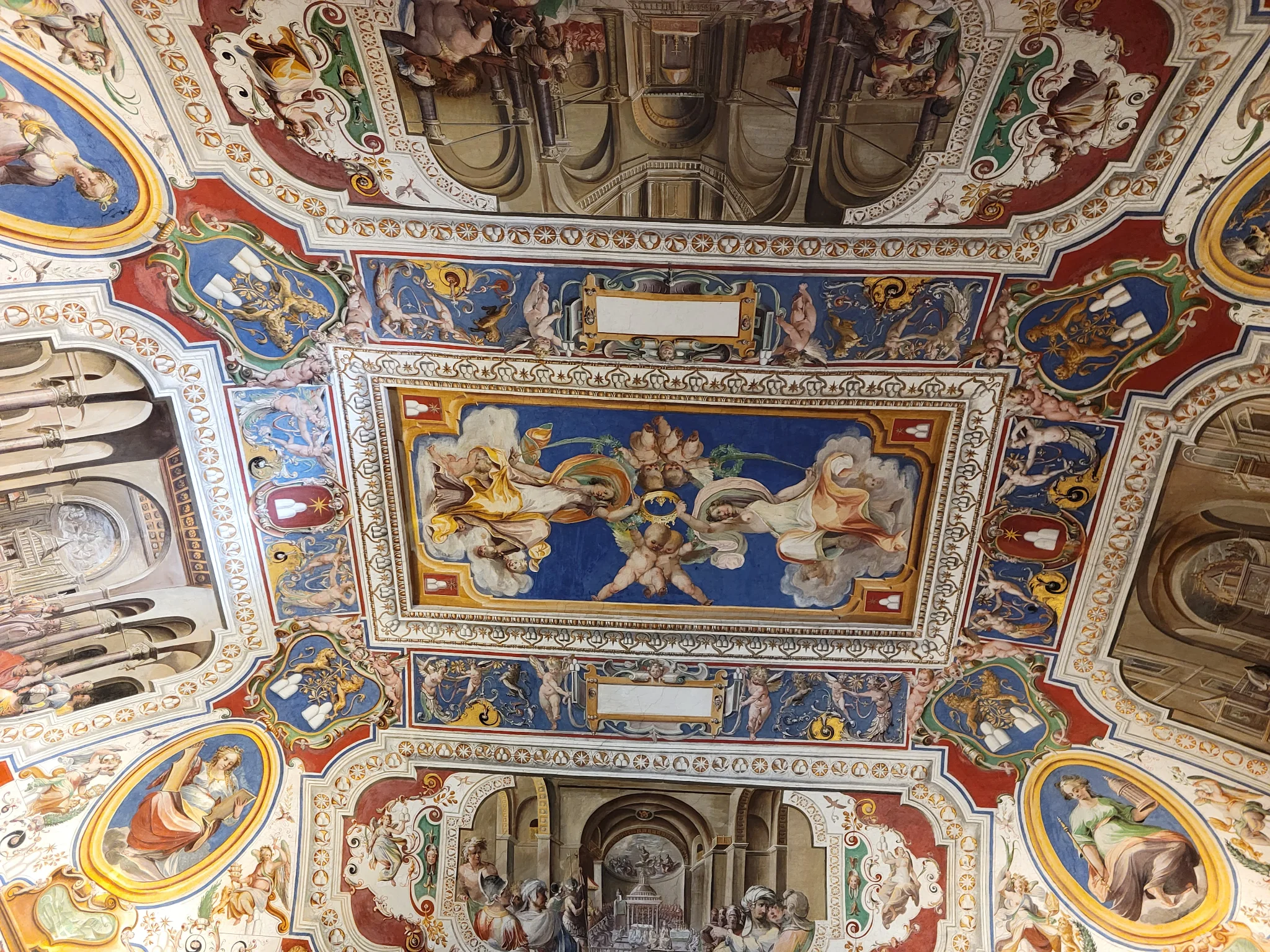
Best time: First entry at 8:00 AM before the crowds arrive
Entrance: Adults €20 online
What Is It Like to Visit the Colosseum in Rome?

Standing inside the Colosseum made me feel sad in a way I didn't expect.
Everyone talks about how impressive it is — and it is, the scale is genuinely staggering. But what hit me standing inside was the thought of what actually happened here. Real people fought and died in this arena. Animals were hunted and killed. All of it for entertainment, for a crowd of 80,000 people cheering from these same seats where tourists now take selfies. That weight stayed with me long after I left.
That's not a reason to skip it — it's actually a reason to go. The Colosseum is one of the few places on earth that makes history feel completely real and immediate. You don't just learn about ancient Rome here. You feel it.
Whatever you do — book online before you arrive. I've seen families queue for over two hours in June heat without tickets. By the time they got inside they were exhausted and miserable. Don't let that be you.
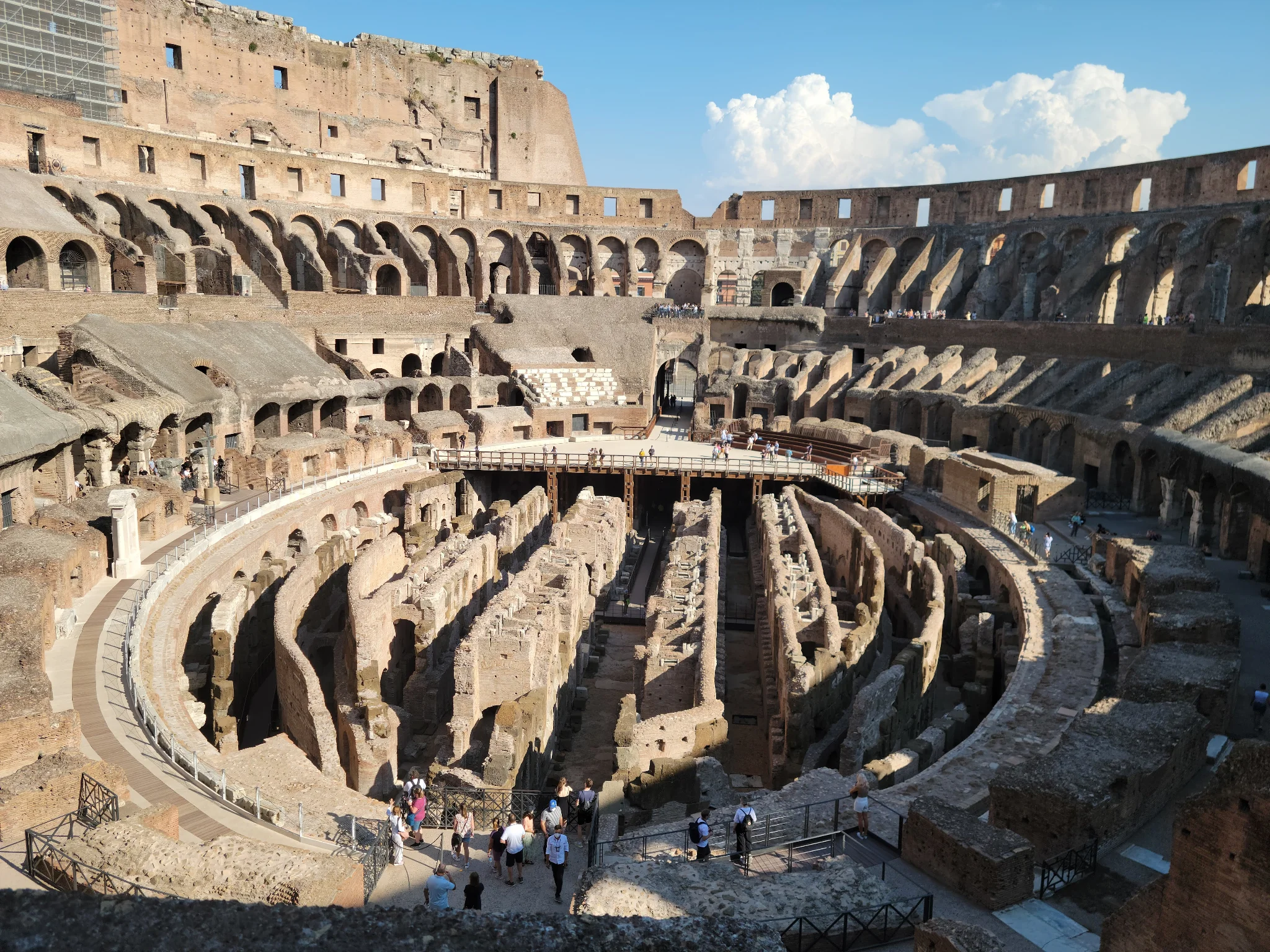
Best time: First entry at 9:00 AM or after 4:00 PM
Entrance: Adults €18 — includes Roman Forum and Palatine Hill, valid for 2 days
Why Should You Visit the Trevi Fountain?
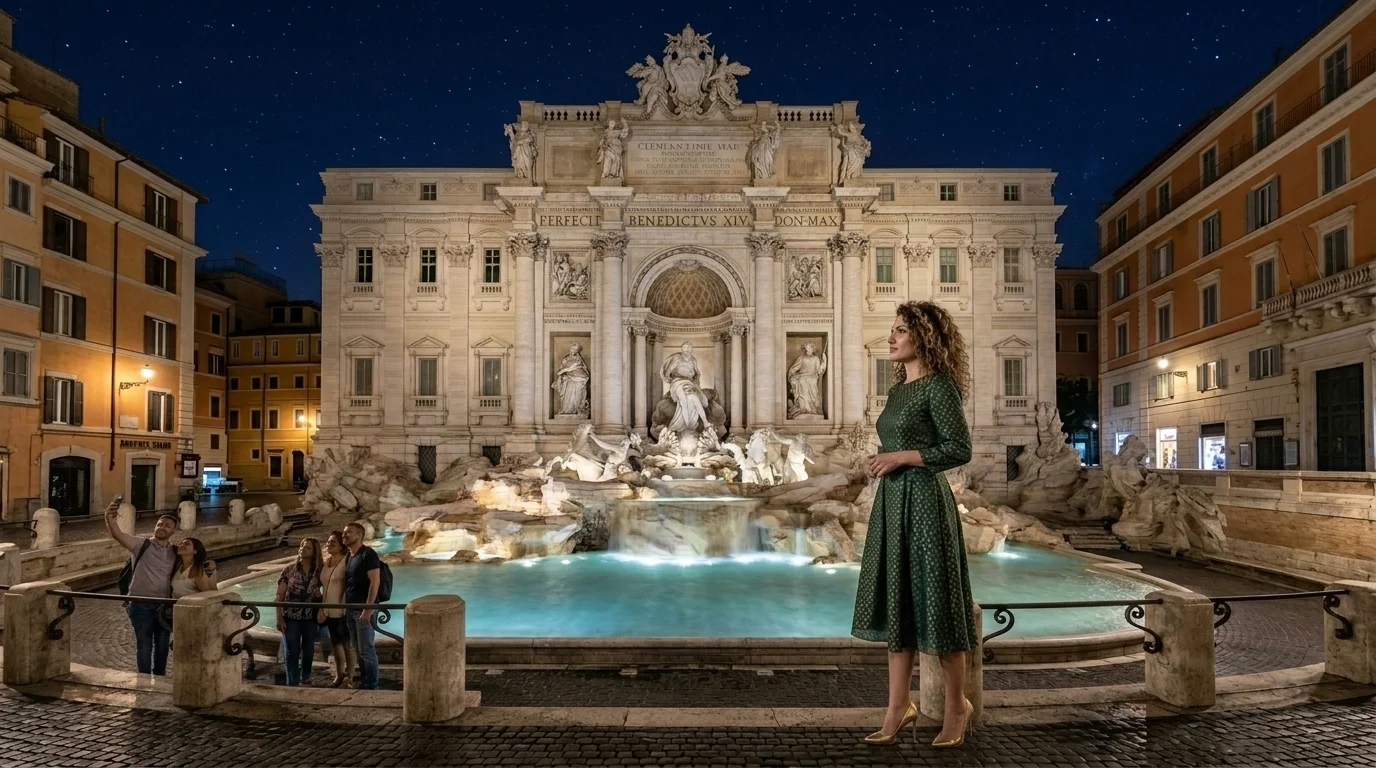
Of all the places in Rome, the Trevi Fountain is the most romantic thing I have ever seen.
The first time I saw it I actually stopped walking. It fills an entire narrow piazza and it is bigger and more dramatic than any photograph suggests. Neptune commanding his seahorses, the water rushing and roaring, the pale travertine marble glowing — it's theatrical in the best possible way.
I threw my coin in and made my wish. I've been back three more times since. Make of that what you will.
Go early if you possibly can — I mean 6:30 AM early. On my third trip I did exactly that and had the fountain almost entirely to myself for about twenty minutes. The morning light on the marble was extraordinary. By 9:00 AM that same morning it was a wall of people. The difference is unreal and completely worth the early alarm.
Best time: 6:00 to 7:30 AM or after 10:00 PM when it's dramatically lit
Entrance: Free
Is St. Peter's Basilica Worth Visiting?
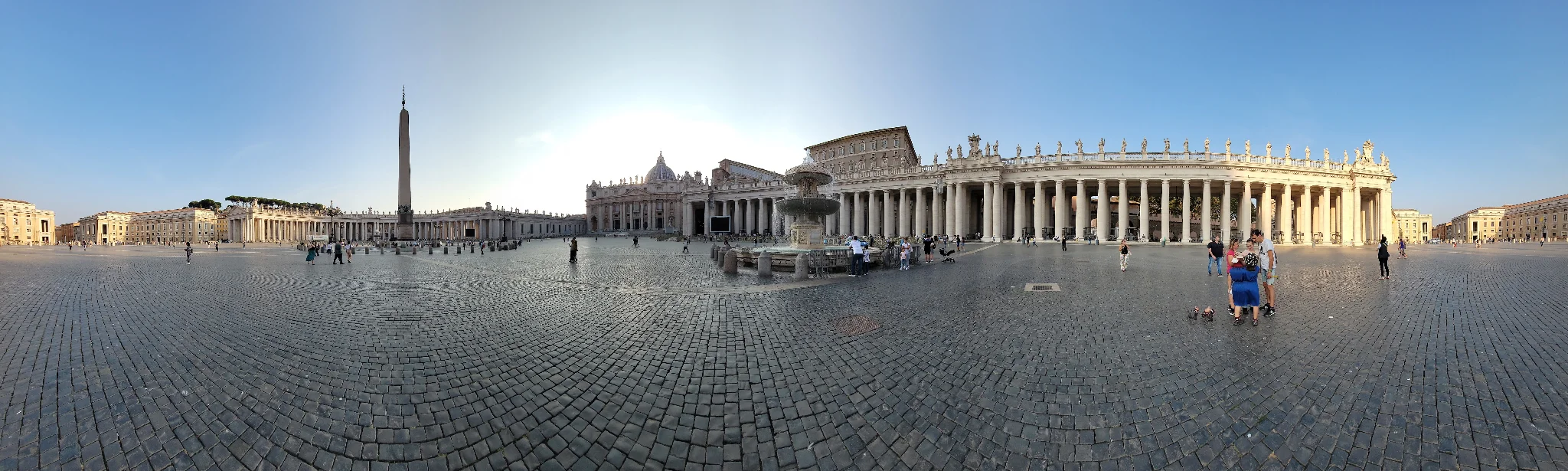
St. Peter's Basilica is a masterpiece of art, history and human ambition all in one building — and it's completely free to enter.
I'm not religious but this building stopped me in my tracks. The scale is something your brain genuinely struggles to process from the inside. And then you find Michelangelo's Pietà in the first chapel on the right — a marble sculpture so delicate and so perfect it seems impossible that human hands made it.
Climb the dome if you have the energy. The view over Rome from the top is one of the best I've seen from any city anywhere. Take the stairs rather than the lift — the spiral staircase inside the dome wall is an experience in itself and you save €2.
Strict dress code applies — shoulders and knees must be covered for both men and women. Carry a scarf in your bag just in case. Security lines can be 45 to 90 minutes on busy days so go early.
Best time: 7:00 AM when it opens, before tour groups arrive
Entrance: Basilica free — Dome by lift €8, by stairs €6
What Makes the Pantheon One of Rome's Must-See Attractions?
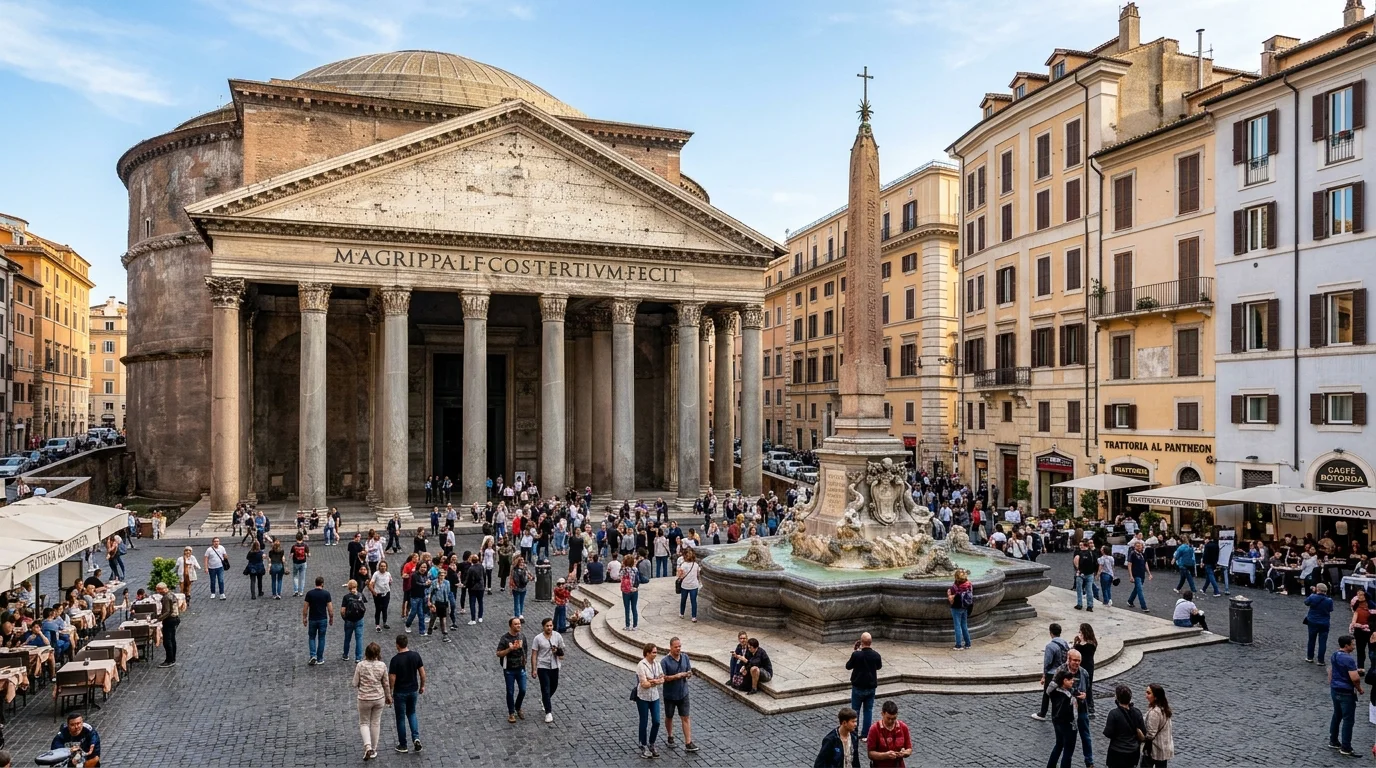
The Pantheon is where ancient Rome's engineering genius meets pure beauty — and it has been standing for nearly 1,900 years.
The moment you step through the doors and look up at that dome with its open oculus at the top, you understand why this building has been inspiring architects for two millennia. The light that streams through the oculus changes throughout the day in a way that feels almost intentional — because it was. The Romans designed it that way.
If you can visit on a rainy day, do it. Watching rain fall perfectly through the oculus into a drain the Romans built 1,900 years ago is one of those only-in-Rome moments that stays with you forever.
Timed entry tickets are now mandatory — book at pantheonroma.com before you arrive. Don't buy from resellers near the piazza charging inflated prices.
Best time: First slot at 9:00 AM or on a rainy afternoon
Entrance: €5 — free for under 18
What Can You See at the Roman Forum and Palatine Hill?
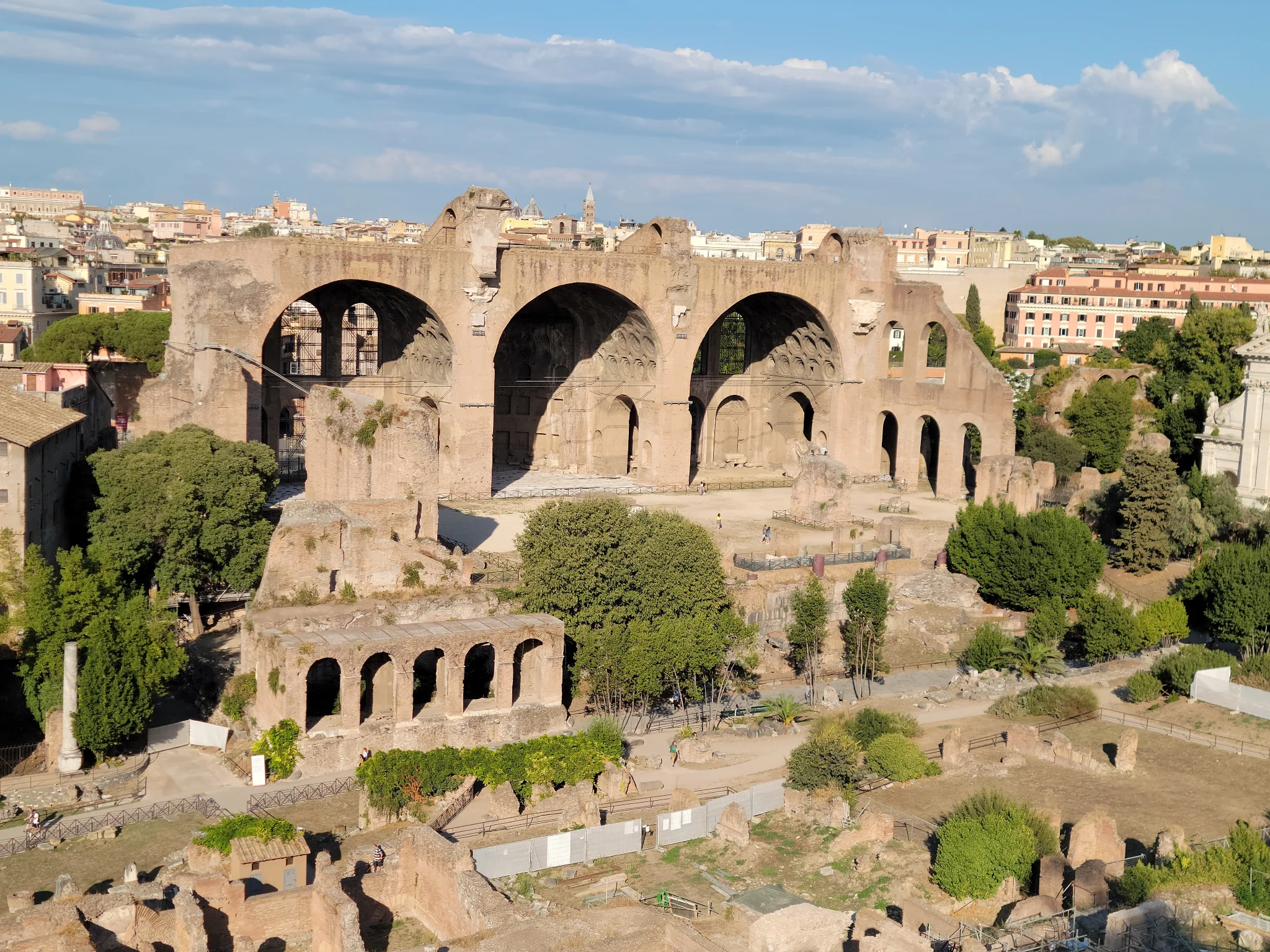
The Roman Forum is where the ancient world's greatest civilisation conducted its daily life — and walking through it is unlike anything else in Rome.
This is where senators debated, merchants traded, and emperors processed in triumph. The ruins stretch out in every direction — temples, arches, the Senate house, the Sacred Way. From Palatine Hill above you get a panoramic view across the entire site that puts everything in perspective.
Where the Colosseum made me feel the darkness of ancient Rome, the Forum made me feel its greatness. Both are worth your time and both are covered by the same ticket.
Wear proper shoes — the terrain is extremely uneven ancient cobblestones and there is very little shade on Palatine Hill. Bring water in summer.
Entrance: Included in your Colosseum ticket — no extra cost
Is the Borghese Gallery Worth Visiting?
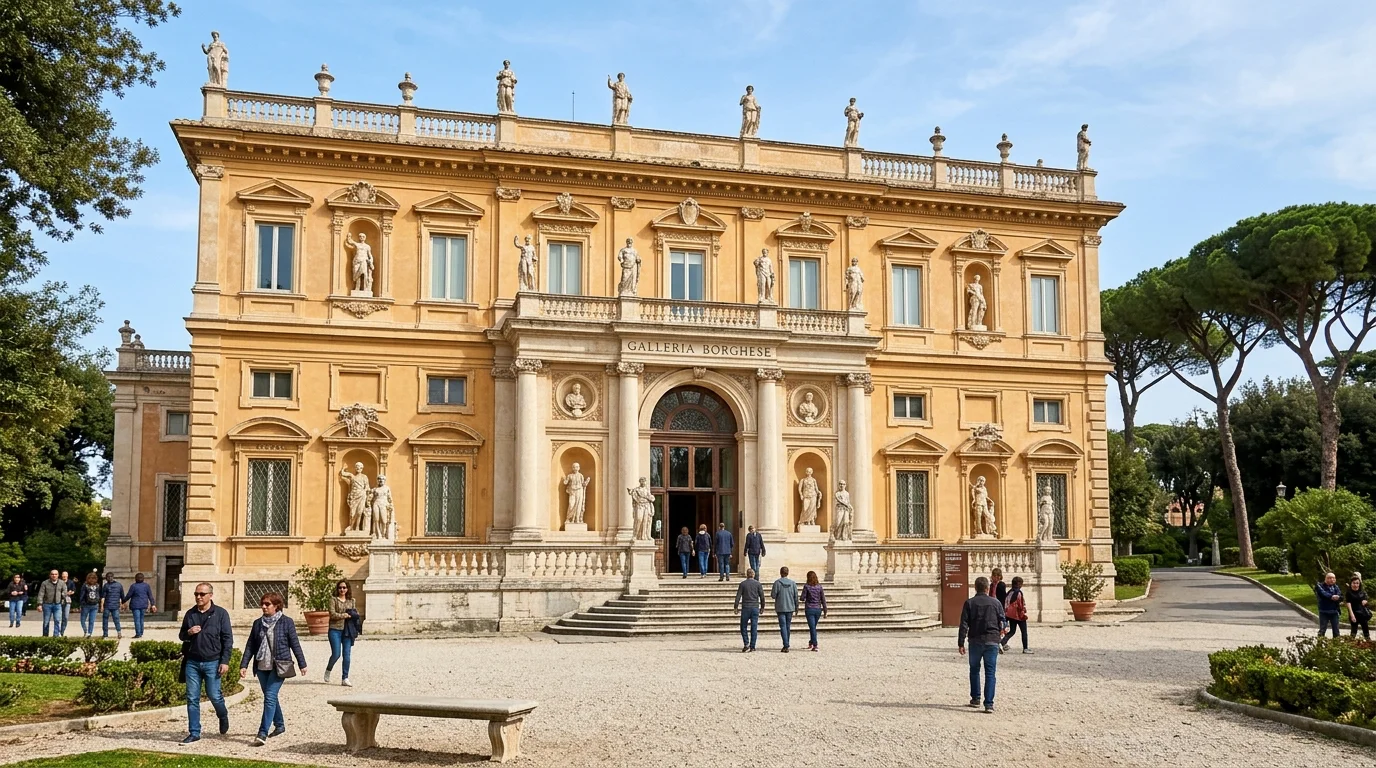
The Borghese Gallery is the most beautiful small museum I have ever been inside — and Bernini's sculptures alone are worth the trip to Rome.
This is the one attraction in Rome where the strict ticketing system actually works in your favour. Maximum visitor numbers are enforced, which means you experience one of the world's great art collections in peaceful, uncrowded rooms. After the chaos of the Vatican and the Colosseum, it feels like a luxury.
Book months ahead — I am not exaggerating. Morning weekend slots sell out weeks in advance. This is not a place you visit on a whim. Go to galleriaborghese.it the moment your dates are confirmed.
Best time: Morning sessions at 9:00 AM or 11:00 AM
Entrance: €17 total including mandatory reservation fee
What Is Castel Sant'Angelo and Is It Worth Visiting?
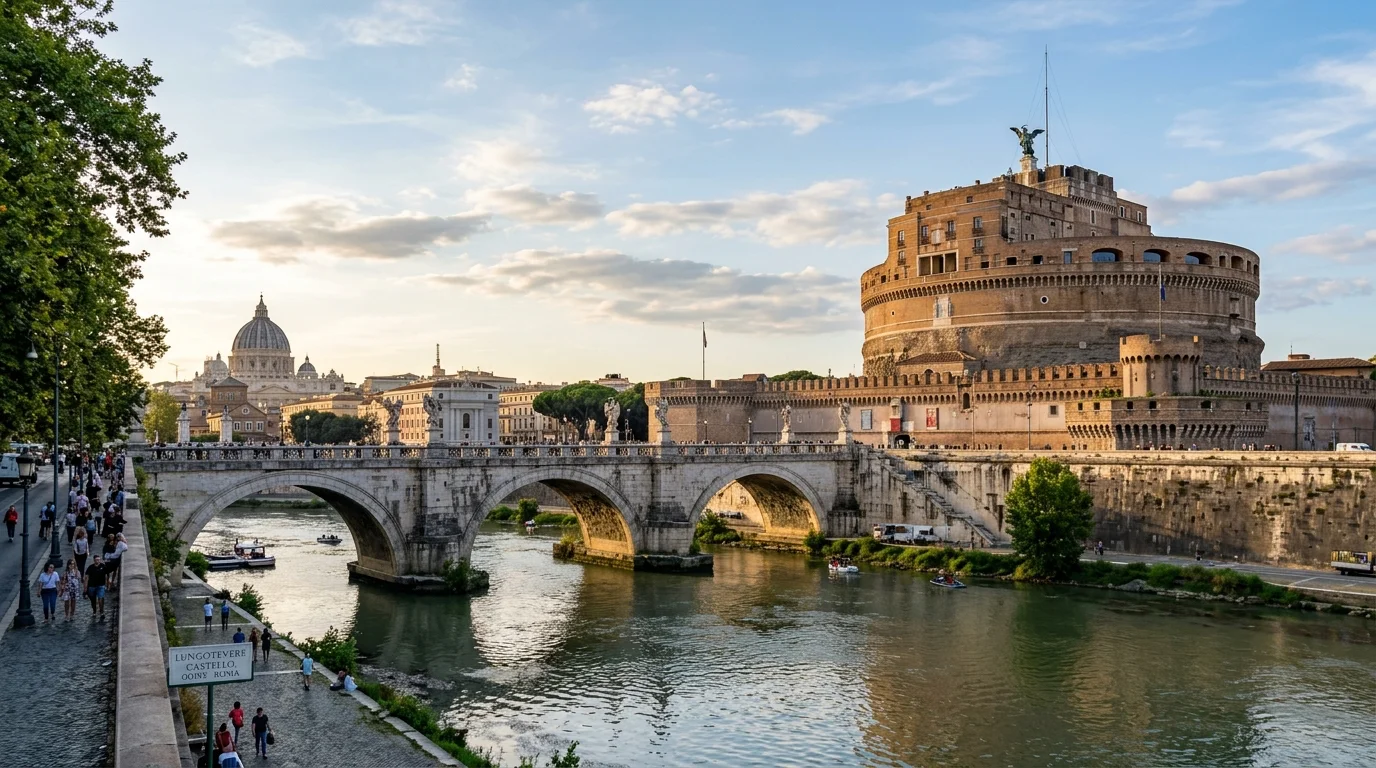
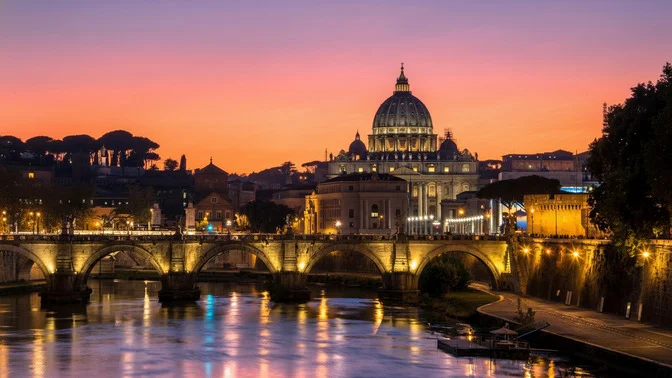
The view from the terrace of Castel Sant'Angelo is one of the most spectacular panoramas in Rome — the Tiber stretching out below, St. Peter's dome rising behind you, the city spreading in every direction. This former mausoleum turned papal fortress turned museum has one of the most dramatic histories of any building in Rome.
Visit late afternoon for golden light on the Tiber from the terrace. On Friday evenings in summer the castle stays open until midnight with live music — one of Rome's most memorable experiences.
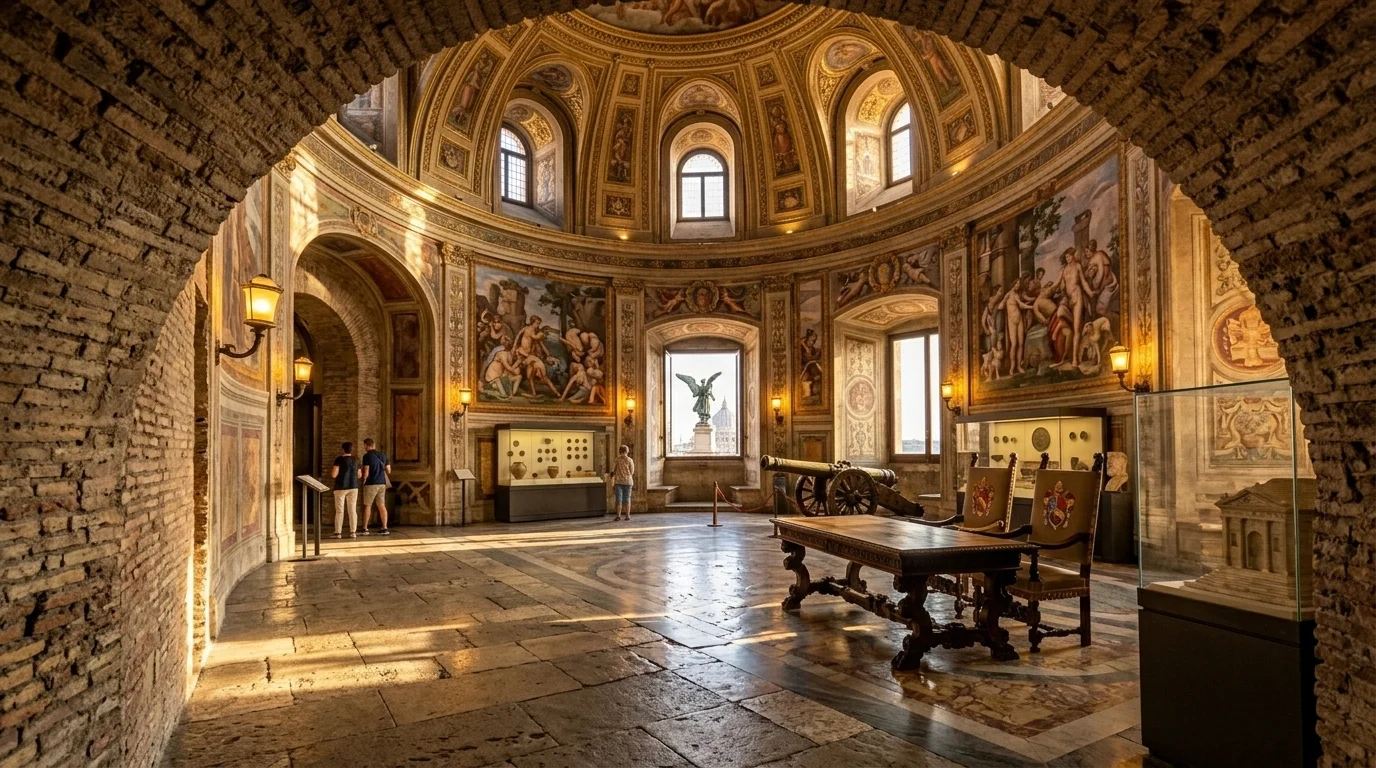
Entrance: Adults €16
What Is Special About the Spanish Steps and Campo de' Fiori?
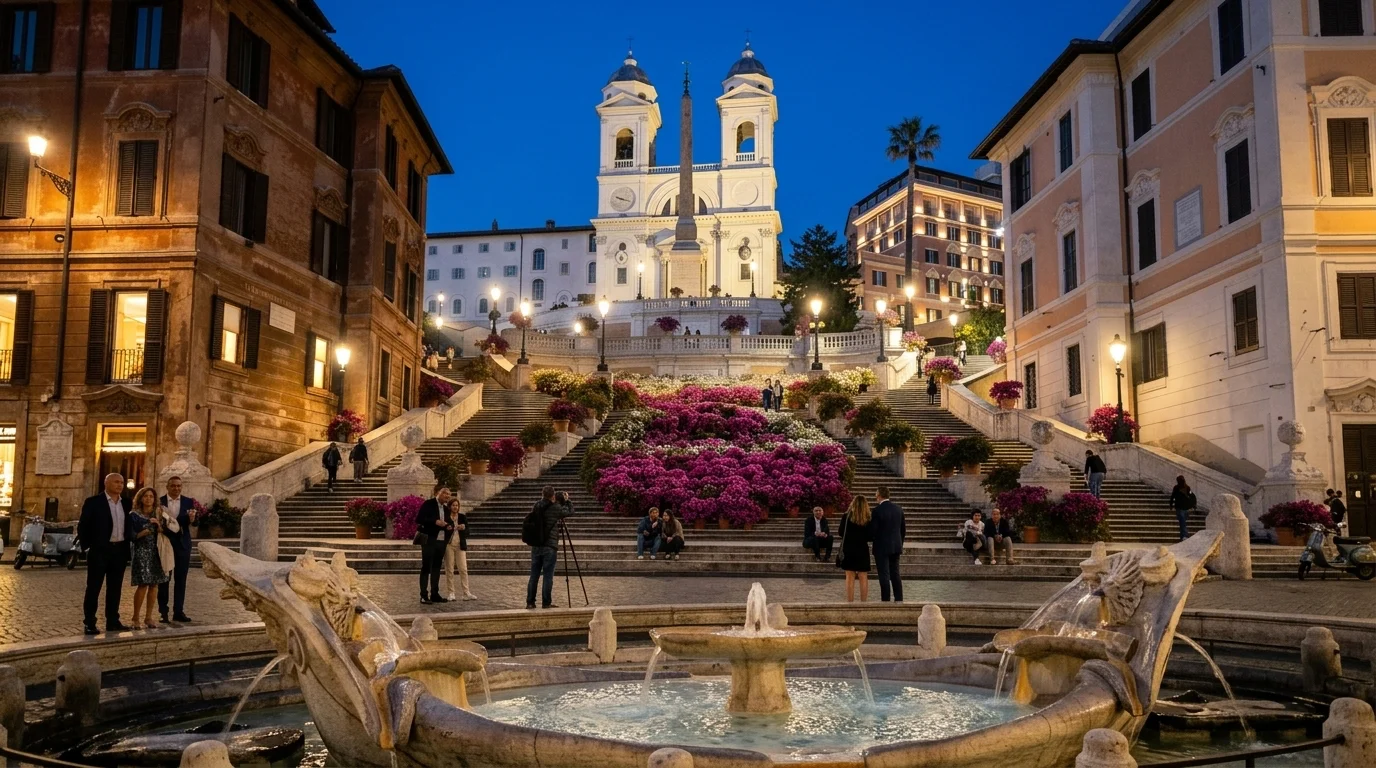
The Spanish Steps are free, central, and one of Rome's great people-watching spots — 135 steps connecting Piazza di Spagna to the church above, with a panoramic view over the city's rooftops from the top. Go before 8:00 AM for empty steps and perfect photos — by midday they're completely packed.
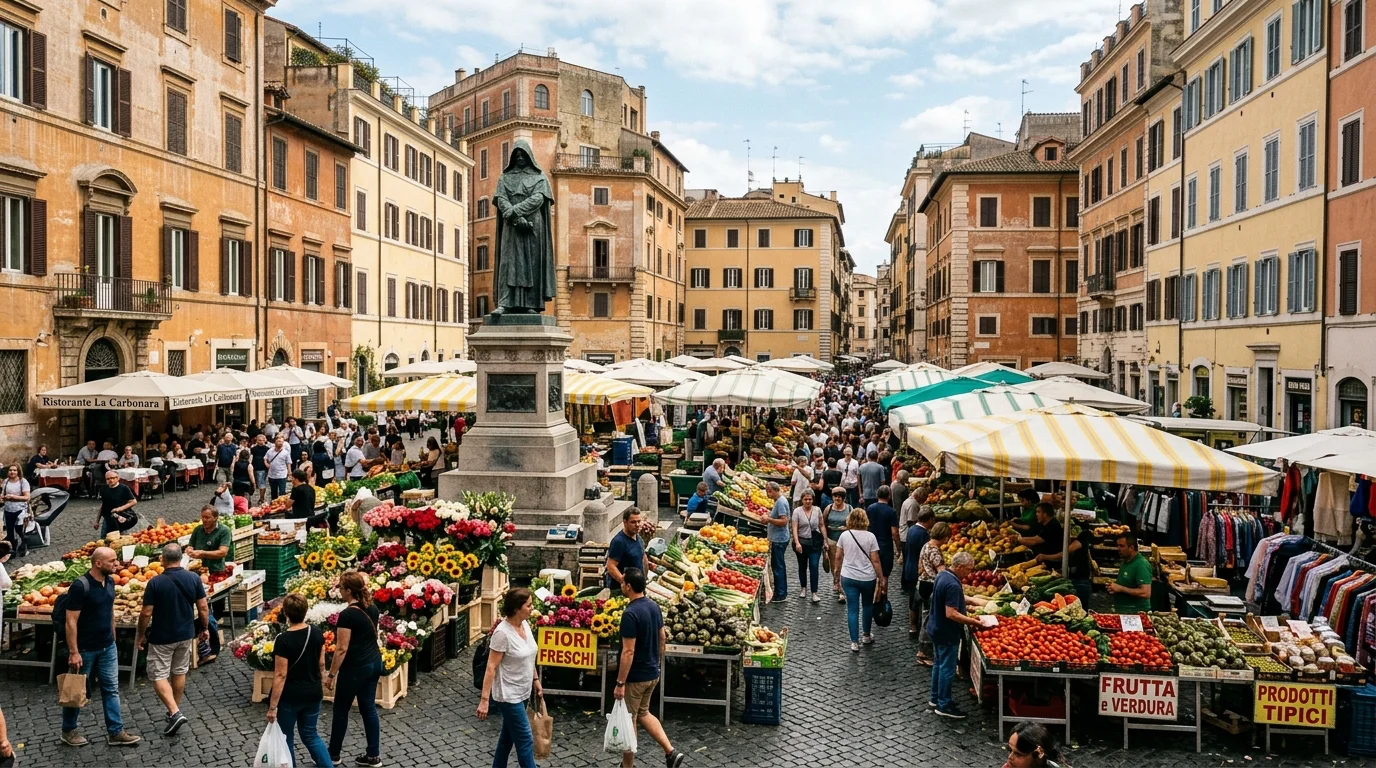
Campo de' Fiori is my favourite square in Rome for a completely different reason — it feels real. By morning it's a working food market. By evening it transforms into one of Rome's most lively social squares. The morning market runs Monday to Saturday from about 7:00 AM to 2:00 PM and is one of the best places in central Rome to buy quality local olive oil, dried herbs, and food gifts to take home.
Before booking tours for any of these attractions, I always check these two platforms because prices vary more than you'd expect.
What Are the Best Neighborhoods to Explore in Rome?
Rome is not one city. It is a collection of completely different worlds, each with its own character, its own pace, and its own way of making you feel. I discovered this slowly across my four trips — each time staying near the Vatican, always close to a metro line, always finding my way back to Trastevere after dark. Here is what I learned about Rome's neighbourhoods and which ones are actually worth your time.
Why Should You Stay in Prati When Visiting Rome?
Prati is the neighbourhood I keep coming back to and the one I recommend to almost everyone visiting Rome for the first time.
It sits just across the Tiber from Vatican City, served directly by Ottaviano station on Line A. Wide tree-lined boulevards, elegant apartment buildings, excellent restaurants, and some of the best pastry shops in the city. It feels like a real Roman neighbourhood rather than a tourist zone — and after a long day of sightseeing, that matters more than you'd think.
The main shopping street Via Cola di Rienzo runs through the heart of Prati and is one of the best mid-range shopping streets in Rome — real shops for real people, not just luxury boutiques for tourists. Speaking of luxury — if high-end shopping is your thing, the legendary Via Condotti luxury corridor is a short metro ride away, with Gucci, Prada, Valentino and every major Italian designer lined up in one of the most elegant streets in Europe.
Staying in Prati means you can walk to the Vatican in ten minutes, reach the Spanish Steps in two metro stops, and be at the Colosseum in four. It is the most practical base in Rome and in my experience the most comfortable one.
For a neighbourhood that tourists often overlook in favour of Trastevere or the centro storico, Prati quietly delivers everything you actually need — great food, great location, and a genuine slice of Roman daily life right outside your door.
Why Is Trastevere the Most Romantic Neighbourhood in Rome?
I need to tell you something about Trastevere at night.
You finish dinner, you step outside, and the narrow cobblestone lanes are glowing with warm light from the restaurants and wine bars lining every street. The sound of conversation and laughter spills out onto the piazzas. Ivy drapes over ancient ochre walls. Somewhere nearby a fountain is running. The whole neighbourhood smells of good food and evening air.
I have travelled to many cities in my life and Trastevere at night is one of the most romantic places I have ever stood.
I sat at an outdoor table one evening with a glass of local wine and a plate of spaghetti — the kind of simple, perfect meal that costs €14 and tastes like nothing you've ever had at home — and I genuinely didn't want to move. I wanted to stay at that table forever. Rome has a way of doing that to you. Trastevere does it most of all.
During the day Trastevere is beautiful but busy with tourists. Go in the evening — from about 7:00 PM onwards — and you'll experience it the way it's meant to be experienced. Wander without a plan. Find a table at a trattoria that looks busy with locals. Order the house wine. Order pasta. Sit there longer than you planned.
The Basilica di Santa Maria in Trastevere is worth seeing too — its golden Byzantine mosaics glow at night in a way that stops you in your tracks. But honestly the neighbourhood itself is the attraction. Just being there is enough.
Getting there: Tram 8 from Largo di Torre Argentina or Bus 23 — or walk 20 minutes from Campo de' Fiori through beautiful streets
What Makes Centro Storico Worth Exploring?
The centro storico is the Rome of your imagination — the one you've seen in films, in photographs, in every travel magazine you've ever picked up.
The Pantheon, Piazza Navona, Campo de' Fiori, narrow medieval lanes, Renaissance palaces, ancient columns incorporated into the walls of buildings that were built 500 years ago. It is the most dense concentration of history and beauty of any neighbourhood in any city I have visited.
Walking through the centro storico without a fixed agenda is one of the great pleasures of Rome. Turn down a random alley and find a hidden courtyard. Step through an unmarked door and discover a church with frescoes that would be the headline attraction in any other city. This neighbourhood rewards wandering more than anywhere else in Rome.
The cafés directly on Piazza Navona charge tourist prices — walk one block in any direction and the same espresso costs half as much. I learned this the hard way my first trip. Now I know better.
Why Is Monti Rome's Coolest Neighbourhood?
If Trastevere is Rome's most romantic neighbourhood, Monti is its most alive.
Located between the Colosseum and the centro storico, Monti is where Rome's young, creative, international crowd gathers — independent boutiques, artisan workshops, vintage shops, craft cocktail bars, and restaurants that take food seriously without taking themselves too seriously. It has the energy of a neighbourhood that knows it's interesting without trying too hard.
The Sunday market at Piazza della Madonna dei Monti is beloved by locals for vintage clothing and antiques — one of the best low-key Rome experiences for anyone who wants to feel like a local for an hour. Metro Line B to Cavour station or a 15 minute walk east from the Colosseum.
Why Should Food Lovers Visit Testaccio?
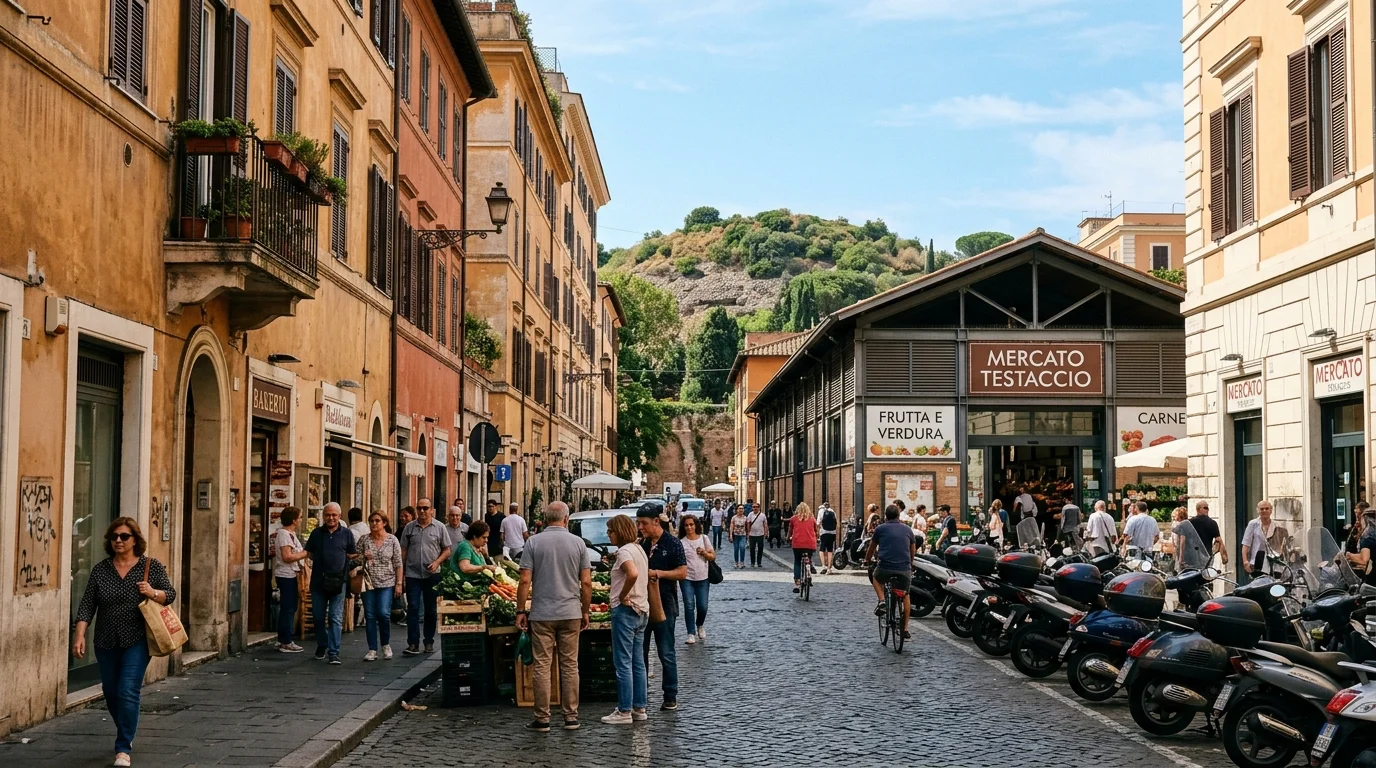
If you care about food — and if you're coming to Rome you should care about food — you need to spend at least half a day in Testaccio.
This is Rome's authentic working-class neighbourhood, built to house workers from the former city slaughterhouse, and it is widely considered the birthplace of Roman cuisine. The Testaccio Market is one of the best food markets in the city — fresh produce, excellent prepared food stalls, fried artichokes, supplì, and Roman street food from €3 to €8 per portion. The best cheap lunch in Rome is at one of those market stalls.
The restaurants here serve what Romans actually eat — oxtail, tripe, rigatoni with offal-based sauces that have been on menus in this neighbourhood for a hundred years. It is not food for the faint-hearted. But if you're curious and adventurous, Testaccio will give you a Rome experience that no tourist-area restaurant ever could.
Prices here are noticeably lower than in the centro storico or Trastevere. Your money goes further and the food is more authentic. Getting there: Metro Line B to Piramide station.
What Makes Pigneto Different From Every Other Rome Neighbourhood?
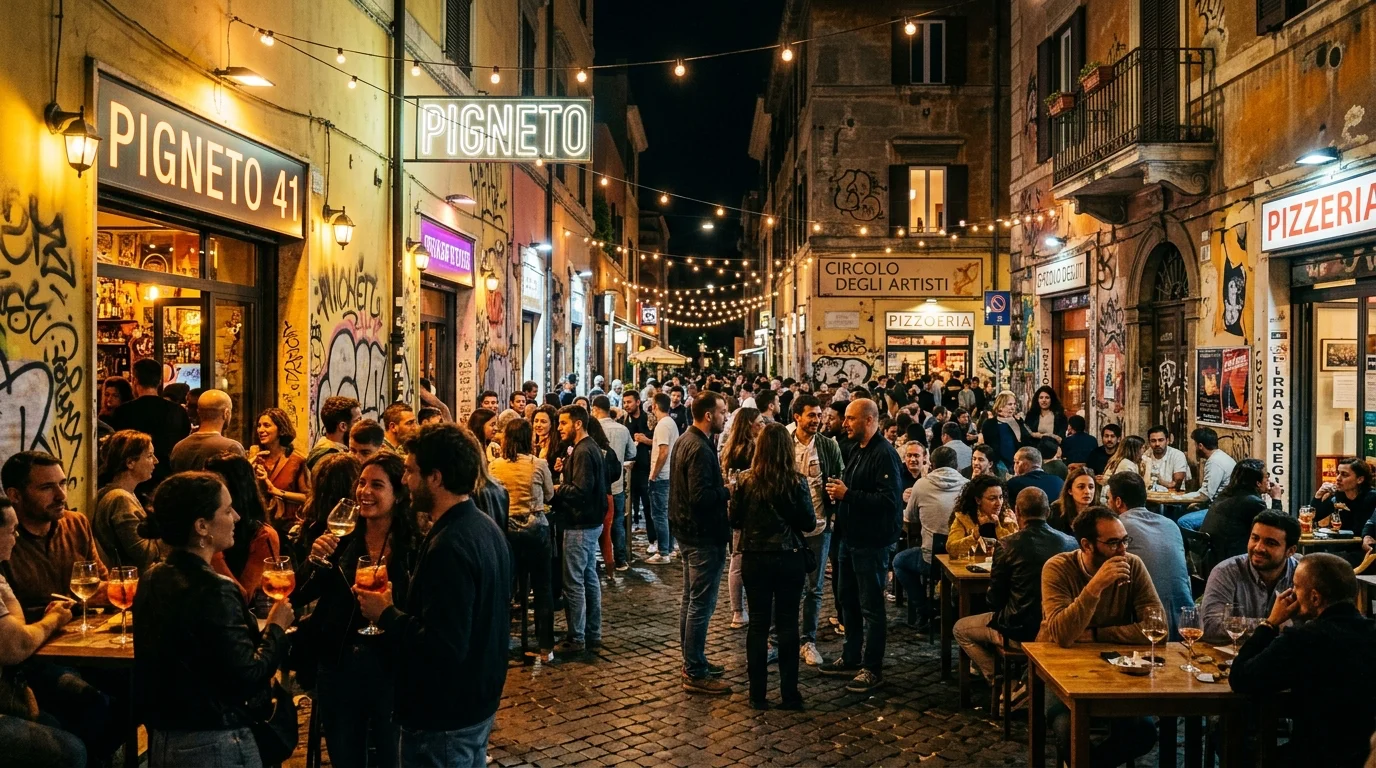
Pigneto is Rome's alternative creative quarter — an east-of-centre neighbourhood that was once working-class and is now home to artists, filmmakers, and a young crowd that has no interest in tourist Rome. It is the least touristy neighbourhood on this list and that is exactly what makes it worth visiting.
The pedestrianised Via del Pigneto is lined with cafés and bars that spill onto the street in the evenings. Prices are significantly lower than anywhere near the centre. The energy is completely different from the rest of Rome — relaxed, local, and genuinely interesting.
It won't be for everyone. But if you've been to Rome before and want to see a side of the city most visitors never find, Pigneto is your answer. Getting there: Tram 5 or 14 from the centre — about 3km east of Termini.
What Food Should You Try in Rome?
I have to be honest with you — I did not fully understand what food could be until I ate in Rome.
I know that sounds dramatic. But there is something about the way Italians approach eating that changes you permanently. Food in Rome is not fuel. It is not convenience. It is the entire point of the day. Every meal is an occasion. Every ingredient matters. And once you have eaten real Roman pasta, real Roman pizza, and real Roman gelato — you will spend the rest of your life slightly disappointed by everywhere else.
I never booked my hotels with meals included across any of my four trips. Not once. I wanted to go out every morning, every evening, and experience how Romans actually eat. What I discovered changed how I think about food entirely.
How Do Romans Actually Eat?
Understanding the Italian meal rhythm is one of the most important things you can know before you arrive.
Romans do not eat the way we eat at home. Breakfast is quick — a single espresso and a cornetto standing at a bar, done in five minutes. Lunch is often skipped entirely or replaced with a small snack — a slice of pizza, a supplì, something grabbed on the go. And then dinner. Dinner is the main event.
Romans eat dinner late — from about 7:00 PM and often running until midnight. Tables are not rushed. Nobody brings you the bill until you ask for it. A Roman dinner is a two, three, sometimes four hour experience of food, wine, conversation, and more food. This is not laziness — it is civilisation.
I loved this rhythm from my very first trip. I stopped booking hotel breakfast. Instead I did what Romans do — walked to the nearest bar, stood at the counter, ordered an espresso and a cornetto, paid €2, and started my day the way the city starts its day. That simple morning routine became one of my favourite parts of every Rome trip.
And because Romans eat dinner so late, the city stays completely alive until midnight and beyond. Restaurants are full at 10:00 PM. Piazzas are buzzing at 11:00 PM. Children are running around at midnight while their parents finish a second bottle of wine. Rome at night is not a city winding down — it is a city at its peak. Don't go to bed early. You'll miss the best part.
The Must-Try Dishes in Rome
Pasta — The Heart of Roman Food
The smell and taste of a real Roman pasta sauce is something I still think about years later.
I tried every pasta dish Rome had to offer across four trips — not as a tourist checking things off a list, but because each one was genuinely extraordinary. Roman pasta is built on very few ingredients done with absolute precision. No shortcuts, no substitutions, no cream where cream doesn't belong.
The four essential Roman pastas you must try:
- Cacio e Pepe — spaghetti with only Pecorino Romano cheese and black pepper. Two ingredients. Impossibly delicious when done correctly. This is Rome in a bowl.
- Carbonara — rigatoni or spaghetti with guanciale (cured pig cheek), egg yolk, Pecorino Romano, and black pepper. No cream. No peas. No onion. If it arrives with any of those things you are in a tourist trap — leave and find somewhere else. The real version is one of the greatest comfort foods on earth.
- Amatriciana — bucatini with guanciale, San Marzano tomatoes, Pecorino, and chilli. Rich, deeply savoury, and the kind of dish that makes you understand why Italians take pasta so seriously.
- Cacio e Pepe vs Carbonara — if someone made me choose between them I genuinely could not do it. Try both. Try them more than once. Try them at different restaurants and notice the difference. This is what food travel is actually for.
Pizza — I Had It For Breakfast and I Have No Regrets
I tried every kind of pizza Rome had to offer — including for breakfast — and I still dream about it.
Roman pizza is nothing like what we call pizza at home. Nothing. The Roman style is pizza al taglio — rectangular, sold by weight, cut with scissors, handed to you on a piece of paper. The base is thick, airy, crispy on the bottom, and the toppings are extraordinary in their variety.
I found pizza varieties in Rome I had never seen anywhere else in the world. Combinations I would never have thought to put together that turned out to be perfect. I ate pizza as a snack. I ate pizza for breakfast. I ate pizza standing on a street corner at 11:00 AM with nowhere to be and nothing to do but enjoy it. Some of the best moments of my Rome trips involved a €3 slice of pizza and a good street to stand on.
The variety is genuinely incredible. Don't just order margherita. Point at things you don't recognise. Try the ones that look strange. That is always where the best discoveries are.
Wine — I Tasted My Way Through All of Italy
Across my four trips to Rome I made it my mission to try as many different Italian wines as possible — and Italy did not disappoint.
Italian wine culture is extraordinary in its regional diversity. Every area of Italy produces something different and Roman restaurants give you access to all of it. I worked my way through local Lazio whites, Tuscan reds, Sicilian wines, Piedmontese Barolos — each one different, each one worth exploring.
My honest advice — don't just order the house wine every time. Yes the house wine is cheap and usually perfectly drinkable. But Italy is one of the world's great wine countries and a good restaurant here will have a list worth exploring. Ask your waiter what's local. Ask what they recommend. Italians love talking about their wine and you will almost always get a great suggestion.
Gelato — The Business That Lives in My Head
I need to tell you about the black gelato.
I was walking through Rome on my third trip, passing a gelateria with dozens of flavours lined up. Most were beautiful — pale pistachio green, deep chocolate brown, creamy vanilla white. And then there was this one. Black. Completely, aggressively, unnervingly black. It looked wrong. It looked like something you should not put in your mouth.
I tried it anyway. And it was extraordinary.
I still don't fully know what it was — some kind of activated charcoal and liquorice combination — but that moment taught me something important about Rome and about travel. The thing that looks wrong is often the thing worth trying. The flavour you wouldn't choose at home is the one that stays with you for years.
The gelato in Rome ruined me for gelato everywhere else. I have tried gelato in other cities since and it is never the same. The texture, the intensity of flavour, the way it melts — nothing compares. I am not exaggerating when I say I have seriously considered opening my own gelato business because of what I tasted in Rome. That thought has never fully left me.
The golden rule of Roman gelato: If it is piled high in bright fluorescent colours, walk past it. Real artisanal gelato is stored in metal containers with lids and the colours are natural and slightly dull. The bright stuff is artificial and genuinely not very good. Once you know this you will never buy the wrong gelato again.
The best gelato I found in Rome — Fatamorgana for unusual creative flavours, Gelateria dei Gracchi in Prati for traditional perfection, and Il Gelato di San Crispino near the Trevi Fountain for the purest, most intense flavours I have ever tasted.
Where Should You Eat in Rome?
Budget — Under €15
- Supplì Roma — Via di San Francesco a Ripa, 137, Trastevere — The definitive place for supplì in Rome. Queue for perfect golden fried rice balls with molten mozzarella centres from about €2 each. Go hungry.
- Forno Campo de' Fiori — Campo de' Fiori, 22 — A legendary bakery open since 1928 selling outstanding pizza bianca and focaccia by the slice from about €3. Go early — the pizza bianca sells out.
- Testaccio Market Food Stalls — Via Aldo Manuzio, Testaccio — The best cheap lunch in Rome. Fresh pasta, fried artichokes, supplì, and Roman street food from €3 to €8. Go on a weekday morning when it's at its liveliest.
Mid-Range — €20 to €45
- Da Enzo al 29 — Via dei Vascellari, 29, Trastevere — One of Rome's most respected traditional trattorias. Exceptional carbonara and cacio e pepe. Book ahead — this place fills up every single night and they don't apologise for it.
- Pizzarium Bonci — Via della Meloria, 43, Prati — Widely considered the best pizza al taglio in Rome. Creative toppings, extraordinary dough. This is in Prati — close to where I always stayed — and I walked past it constantly. The queue outside tells you everything you need to know.
- Tonnarello — Via della Paglia, 1, Trastevere — A Trastevere institution with outdoor tables in a beautiful courtyard. Noisy, convivial, and exactly the kind of Roman dinner experience you came here for.
Fine Dining — €60+
- Ristorante Il Pagliaccio — Via dei Banchi Vecchi, 129a — Two Michelin stars and widely considered Rome's finest fine dining restaurant. Creative tasting menu rooted in Italian tradition. Reserve at least one month ahead.
Roman Dining Customs Worth Knowing
Meal times matter in Rome. Restaurants serve lunch between 1:00 and 3:00 PM and dinner from 8:00 PM onwards. Show up at 6:00 PM expecting dinner and you will find closed doors and confused looks.
Tipping is not expected. A coperto (cover charge) of €1.50 to €3 per person is often included in the bill. Leaving €2 to €5 for genuinely good service is appreciated. Never tip 20% American-style — it can seem condescending.
The coperto is not a scam. I've seen tourists argue about this. It is a standard part of Italian restaurant culture and covers your bread, your table, and your water. Pay it without complaint.
Standing at the bar is always cheaper than sitting at a table. This applies everywhere in Italy but especially in tourist areas. The same espresso can cost €1.50 standing and €4.00 sitting. Choose accordingly. One more thing — never order a cappuccino after lunch or dinner in Rome. Italians consider it a breakfast drink and ordering one after a meal marks you instantly as a tourist.
Should You Do a Food Tour?
On my second trip I did a food tour through Trastevere and it completely changed how I eat when I travel. The guide took us to places I never would have found on my own — a family bakery, a tiny wine bar with no sign outside, a woman frying supplì from what looked like someone's kitchen window.
If you only do one organised activity in Rome, make it a food tour. You will eat better for the rest of your trip because you will know what to look for.
What Is the Nightlife Like in Rome?
Rome's nightlife scene is lively, late-starting, and utterly social — centred on aperitivo (drinks and snacks from around 6:30–9:00 PM), dinner (typically 8:30–11:00 PM), and then bars and clubs from midnight onwards. Romans rarely go out before 11:00 PM on weekends, and clubs don't peak until 1:00–2:00 AM.
Where Are the Best Areas for Nightlife in Rome?
- Trastevere: Piazza di Santa Maria in Trastevere, 00153 Rome — The most popular area for tourists and young Romans, with wall-to-wall bars, wine bars, and outdoor tables. Lively seven nights a week. Can get very crowded and rowdy on weekends.
- Campo de' Fiori: Campo de' Fiori, 00186 Rome — A more party-oriented piazza popular with expats and younger crowds, with several busy bars around its edges. Known for a louder, more boisterous atmosphere than Trastevere.
- Pigneto: Via del Pigneto, 00176 Rome — Rome's alternative nightlife hub, with independent bars, underground music venues, and a young local crowd. Cheaper and less touristy than Trastevere. Best for craft beer, natural wine, and live music.
What Are the Best Bars and Clubs in Rome?
Bars & Pubs
- Freni e Frizioni — Via del Politeama, 4, Trastevere — A beloved Trastevere bar in a former mechanic's workshop with an exceptional aperitivo spread (free with your drink) from 7:00–10:00 PM. Great cocktails, spills out onto the piazza in warm weather.
- The Jerry Thomas Project — Vicolo Cellini, 30, near Campo de' Fiori — Rome's finest cocktail bar, inspired by the father of American bartending, with a serious vintage cocktail program in a speakeasy-style basement. Requires a free membership to enter — register online.
- Necci dal 1924 — Via Fanfulla da Lodi, 68, Pigneto — The oldest and most famous bar in Pigneto, once frequented by filmmaker Pier Paolo Pasolini. Excellent aperitivo, charming garden terrace, local crowd.
Clubs & Dancing
- Goa Club — Via Libetta, 13, Ostiense — Rome's most internationally respected electronic music club, hosting internationally renowned DJs. Friday and Saturday from midnight. Cover €15–€25 (2026). Dress code applies.
- Rashomon Club — Via degli Argonauti, 16, Ostiense — A mid-size underground club in the Ostiense area with excellent bookings across house, techno, and experimental music. A favourite of Rome's alternative crowd.
Live Music & Shows
- Auditorium Parco della Musica — Viale Pietro de Coubertin, 30, Flaminio — Rome's world-class concert venue designed by Renzo Piano, hosting everything from symphony orchestras to international pop and jazz. Tickets from €15–€100 (2026). Check programme at auditorium.com.
- Alexanderplatz Jazz Club — Via Ostia, 9, Prati — Rome's legendary jazz club, open since 1983 and still the finest live jazz venue in the city. International and Italian artists play nightly. Reservation recommended; drinks required.
What Family-Friendly Evening Entertainment Is Available?
Families are absolutely welcome in Roman life well into the evening — Romans routinely eat dinner with children at 9:00 PM and nobody bats an eye. Evening gelato walks, free outdoor concerts in the summer (Estate Romana programme), the illuminated fountains of Trevi and Piazza Navona, and outdoor cinema screenings (July–August at various locations including Castel Sant'Angelo) are all excellent family-friendly evening options.
What and Where Should You Shop in Rome?
Rome is one of the great shopping cities of Europe — but it is also one of the easiest cities to overspend in without realising it. Here is what you actually need to know.
The best shopping areas in Rome:
- Via Condotti is Rome's luxury corridor — Gucci, Prada, Valentino, Bulgari, and every major Italian designer in one elegant street near the Spanish Steps. If high-end fashion is your thing, this is where you go. Prices are what you'd expect but the experience of walking that street is free.
- Via Cola di Rienzo in Prati — the neighbourhood I always stayed in — is the best mid-range shopping street in Rome. Real shops for real people. Clothing, shoes, food, homewares. No tourist markup, no pressure. This is where Romans actually shop.
- Campo de' Fiori market for food gifts — local olive oil, dried herbs, bottarga, and regional products that are genuinely better quality than anything in a tourist shop and a fraction of the price.
- Monti for independent boutiques, vintage clothing, artisan goods, and original gifts that nobody else at home will have. The Sunday market at Piazza della Madonna dei Monti is particularly good.
The One Thing Most Tourists Don't Know About Shopping in Rome
If you are not an EU resident — and most readers of this guide are not — you are entitled to a VAT refund on purchases over a certain threshold. This means you can claim back between 11% and 15% of what you spend on eligible purchases when you leave Italy. Most tourists have no idea this exists and leave hundreds of euros on the table every single trip.
I have put together everything you need to know about this in detail — how it works, which stores participate, and how to actually claim your money at the airport:
- → Tax-Free Shopping in Rome (2026): Best Areas and How to Get Your VAT Back — start here if you are shopping specifically in Rome
- → VAT Refund Italy Guide (2026): How Non-EU Travelers Claim Tax Refunds — the complete guide to VAT refunds across all of Italy
- → Global Blue Review (2026): Is It Worth Using for VAT Refunds? — my honest review of the most widely used VAT refund service in Europe
If you are planning any serious shopping in Rome, read at least one of those guides before you go. The VAT refund process has specific steps that must be followed in the right order — miss one and you lose your refund entirely. Five minutes of reading saves you real money.
What Festivals and Events Happen in Rome?
What Is the Annual Events Calendar for Rome?
| Month | Event | Description |
|---|---|---|
| January | Epiphany (La Befana) | January 6 — La Befana brings gifts to children. A national holiday; Piazza Navona hosts a festive market. Quiet but charming month in Rome with low crowds and prices. |
| February | Carnevale Romano | The week before Lent brings parades, costumes, and events across Rome, particularly around Via del Corso and Piazza del Popolo. Not as grand as Venice but lively. |
| March | Rome Marathon (Maratona di Roma) | Late March — 5,000+ runners race through the historic centre past many famous monuments. The course passes the Colosseum, Circus Maximus, and St. Peter's Square. Roads closed on race day — plan accordingly. |
| April | Rome's Birthday (Natale di Roma) | April 21 — Rome's 2,779th birthday (in 2026) is celebrated with free entry to many archaeological sites, historical parades in costume, and events around the Circus Maximus and Campidoglio. A wonderful day to visit ancient sites. |
| April | Holy Week and Easter | The most significant religious events in Rome — Palm Sunday processions, the Pope's Via Crucis (Way of the Cross) at the Colosseum on Good Friday, and the Urbi et Orbi papal blessing in St. Peter's Square on Easter Sunday. Extraordinary atmosphere; extremely crowded. Book accommodation a year ahead. |
| May | International Workers' Day (May 1) | May 1 public holiday with a free outdoor concert at Piazza San Giovanni drawing hundreds of thousands of spectators. Many sites closed. Lively and festive atmosphere. |
| June | Festa della Repubblica & Estate Romana begins | June 2 is the Italian Republic Day, with a military parade on Via dei Fori Imperiali near the Colosseum. The Estate Romana summer festival kicks off in June with outdoor cinema, concerts, and events throughout the city. |
| June | Santi Pietro e Paolo (City Feast Day) | June 29 — Rome's patron saint day, a public holiday with fireworks over the Tiber and special services at St. Peter's Basilica. |
| July | Estate Romana (Summer Festival) | Throughout July — outdoor cinema, jazz concerts, theatre, dance, and cultural events at venues across the city including Castel Sant'Angelo, Villa Borghese, and along the Tiber. Much of it free or low-cost. |
| August | Ferragosto | August 15 is Italy's biggest summer holiday — many Roman-owned restaurants and shops close for 1–2 weeks. The city empties of locals (mostly replaced by tourists). Fewer crowds at popular sites but reduced local services. |
| October | Rome Film Festival (Festa del Cinema di Roma) | Mid-to-late October — Rome's major international film festival at the Auditorium Parco della Musica, with screenings, red-carpet events, and outdoor projections. A great time to be in the city. |
| November | All Saints' Day (Ognissanti) | November 1 public holiday — cemeteries are visited, and Rome becomes very quiet. Good for museum visits without crowds. November is also truffle season, and restaurants feature special truffle menus. |
| December | Christmas Markets and Nativity Scene Tradition | December throughout — Piazza Navona hosts Rome's famous Christmas market (December 8–January 6). St. Peter's Square has a grand Christmas tree and nativity scene. New Year's Eve brings fireworks citywide and a massive free concert at Circo Massimo. |
How Do Festivals Affect Hotel Prices and Availability?
Easter and Christmas/New Year are the most expensive and demand-heavy periods in Rome — hotels in the historic centre sell out months ahead and prices can triple compared to low season. The Rome Marathon (March) also fills the city quickly. For Holy Week, booking 6–12 months ahead is not excessive for central accommodation. The Estate Romana summer period (June–August) is peak season with high prices but also maximum activity. November and January–February are the quietest and cheapest times, with hotels often available at short notice at excellent prices.
Where Should You Stay in Rome?
The neighbourhood you choose in Rome matters more than almost any other decision you'll make before your trip.
Rome is a big city and the wrong location means you spend half your day on the metro getting to where you want to be. The right location means you step outside your hotel and you're already in the middle of everything. I learned this across four trips — and every single time I came back to the same area for a reason.
Where I Always Stay — Prati
I have stayed near the Vatican in Prati on all my Rome trips and I would not change that decision. Prati is in my opinion the best base in Rome for almost every type of traveller.
My hotel was always small, clean, and close to Ottaviano station on Metro Line A. Nothing fancy — a comfortable room, a good location, and everything I needed after long days of walking. I never booked with breakfast included because I preferred going out every morning and experiencing how Romans actually start their day. A €2 espresso and cornetto at the bar downstairs was always better than any hotel buffet anyway.
What made Prati work perfectly every time:
- Vatican Museums — 10 minute walk
- Castel Sant'Angelo — 15 minute walk
- Spanish Steps — two metro stops on Line A
- Colosseum — four metro stops on Line B via Termini
- Trastevere — 20 minute walk or short bus ride
- Via Cola di Rienzo shopping — right outside the door
If you are visiting Rome for the first time, stay in Prati. You will not regret it.
Best Areas to Stay in Rome
Different travellers need different things. Here is an honest breakdown of the best areas depending on what matters most to you:
Prati — best overall location
Close to the Vatican, excellent metro access, great restaurants and shops, quieter than the centro storico at night. My personal recommendation for first timers, families, and anyone who wants a comfortable practical base.
Centro Storico — best for atmosphere
Staying inside the historic centre puts you within walking distance of the Pantheon, Piazza Navona, and Campo de' Fiori. Incredibly atmospheric but noisier at night, more expensive, and further from the Colosseum and Vatican. Best for couples and those who want to be in the heart of things.
Trastevere — best for romance
The most beautiful neighbourhood to wake up in. Cobblestone lanes, ivy covered buildings, morning light through old shutters. Restaurants and bars right outside your door every evening. Best for couples and anyone who wants Rome to feel like a dream. Slightly less convenient for metro access.
Monti — best for cool factor
Between the Colosseum and the centro storico, close to Metro Line B at Cavour station. Independent boutiques, craft bars, young creative energy. Best for repeat visitors who want something beyond the tourist experience.
Termini area — best for budget
Rome's central train station area has the highest concentration of budget hotels and hostels. Not the most atmospheric location but excellent transport connections everywhere. Best for budget travellers and those doing multiple Italian cities by train.
What to Expect at Different Price Points
Budget — under €80 per night
Clean, simple rooms in good locations are absolutely available in Rome at this price point — especially in the Termini area and outer neighbourhoods. Don't expect much space or luxury but Rome is not a city where you spend much time in your hotel room anyway.
Mid-range — €80 to €200 per night
This is the sweet spot for most travellers. Good locations, comfortable rooms, often with helpful staff who know the city well. Prati has excellent options at this price point. Book at least 2 to 3 months ahead for spring and autumn travel — good mid-range hotels in Rome fill up fast.
Luxury — €200 and above
Rome has some of the finest hotels in Europe at this level — rooftop terraces with views over ancient ruins, spa facilities, concierge services that can get you last minute reservations anywhere in the city. The Hassler above the Spanish Steps and the Hotel de Russie in the centro storico are two of the most legendary addresses in Rome.
Book early — especially for April, May, September, and October. These are Rome's peak shoulder seasons and good hotels at every price point sell out months in advance. Last minute availability exists but you will pay significantly more for significantly less.
Always check if breakfast is included and whether it's worth it. In my experience Rome hotel breakfasts are rarely worth the extra cost. I always stayed without breakfast and ate like a Roman instead — far cheaper, far more enjoyable, and a genuine cultural experience in itself.
Read recent reviews carefully. Rome has a significant number of hotels that trade on their location while offering rooms that are tired, noisy, or poorly maintained. Recent reviews from the last three to six months are the most reliable indicator of current quality.
Check your cancellation policy. Rome's tourism is weather and event dependent — papal events, public holidays, and festivals can change your plans unexpectedly. A flexible cancellation policy is worth a few extra euros per night.
A Note on Apartments and Alternative Accommodation
For stays of four nights or more, a self-catering apartment in Rome can be significantly better value than a hotel — especially for families or groups. Having a kitchen means you can shop at local markets, make your own breakfast, and save considerably on food costs while living more like a Roman.
Prati and Trastevere both have excellent apartment options. Look for places within five minutes walk of a metro station — that single requirement will save you enormous amounts of time and energy across your stay.
What Do You Need to Know Before Visiting Rome?
The difference between a stressful Rome trip and a smooth one almost always comes down to preparation. Not extensive research — just knowing a handful of practical things before you arrive. Here is everything I wish someone had told me before my first trip.
How Should You Handle Money in Rome?
Italy uses the Euro (€). The single biggest mistake most tourists make with money in Rome is using their home bank card without checking the fees first.
Your regular bank card almost certainly charges a foreign transaction fee of 2% to 3% on every purchase plus a poor exchange rate on top. Across a week in Rome that quietly adds up to a surprising amount of money lost for no reason.
I use Wise for all my travel spending and I recommend it without hesitation. No hidden exchange rate fees, no surprises, and I can spend in euros directly from my phone at the real mid-market rate. It has saved me genuine money across every trip I've taken. If you don't have a Wise account yet, set one up before you leave home — it takes about ten minutes.
Cash is still important in Rome. Many smaller restaurants, trattorias, market stalls, and local shops are cash only — especially in Trastevere and Testaccio. Always carry at least €20 to €30 in cash. Use ATMs that are attached to actual banks rather than standalone machines — standalone ATMs often charge high withdrawal fees and offer poor exchange rates.
Never exchange money at the airport. Airport exchange desks offer the worst rates in the city. Use your Wise card instead or withdraw from a bank ATM once you're in the city centre.
How Do You Get Data or a SIM Card for Italy?
Not having data in Rome is genuinely stressful. You need Google Maps to navigate, you need it to look up restaurant reviews on the spot, you need it to translate menus, check transport times, and book last minute tickets. Don't rely on hotel WiFi alone.
I use an eSIM for all my international travel now and it has completely changed how I handle data abroad. No physical SIM card to buy, no hunting for a phone shop when you land exhausted after a long flight. You download it before you leave home and it activates the moment you land in Italy.
Airalo offers Italy data plans starting from around $5 USD for 1GB — genuinely good value for a short trip. I recommend at least 3GB for a week in Rome if you use maps and photos regularly.
Do You Need Travel Insurance for Rome?
Never travel to Italy without travel insurance — and I say this from personal experience.
On one of my trips I got sick on my last day in Milan. I made my way to Verona and ended up in hospital there. I want to tell you something about that experience — the hospital was genuinely amazing. The care was excellent and the staff were extraordinary. But the bill was not small. Every single cent I paid was covered by my travel insurance. Without it that trip would have ended as a financial nightmare instead of just an unexpected adventure.
One medical incident is all it takes. It doesn't matter how healthy you are or how short your trip is. Buy travel insurance before every single trip to Italy — no exceptions.
Not sure which policy is right for you? Read our full guide: Best Travel Insurance for Europe — Honest Comparison for 2026.
Do You Need a Visa to Visit Rome?
Italy is part of the Schengen Area.
- Canadian and American citizens do not need a visa for stays up to 90 days within any 180-day period. Your passport must be valid for at least 3 months beyond your planned departure date from Italy.
- British citizens post-Brexit can visit Italy visa-free for up to 90 days in any 180-day period. Check current entry requirements before you travel as these can change.
- Australian citizens can visit Italy visa-free for up to 90 days.
How Do You Get Around Rome?
- Single metro ride: €2
- 48-hour transport pass: €12.50
- 72-hour transport pass: €18
- Weekly pass: €24
Tickets are valid on metro, buses, and trams. Always validate your ticket before boarding — the fine for not validating is €100 on the spot. No exceptions, no mercy. I have seen this happen to tourists more than once.
The metro runs from approximately 5:30 AM to 11:30 PM Sunday to Thursday and until 1:30 AM on Friday and Saturday nights.
Is Rome Safe for Tourists?
Rome is a very safe city for tourists by European standards. Violent crime against tourists is extremely rare. The main safety concern is pickpocketing — particularly in crowded tourist areas like the Colosseum, Trevi Fountain, Spanish Steps, and on busy metro trains.
- Use a crossbody bag that closes properly — never a backpack on your back in crowds
- Keep your phone in your front pocket not your back pocket
- Be especially alert when someone creates a distraction near you — this is a classic pickpocket technique
- Never put your wallet in your back pocket anywhere in Rome
- If someone approaches you offering roses, bracelets, or "friendship" — keep walking and do not engage
Rome's emergency number is 112 — this covers police, ambulance, and fire.
Pharmacies (identified by a green cross) are excellent in Rome and pharmacists are highly trained. For minor health issues a pharmacist can often advise and dispense medication without a doctor's appointment.
What Are the Practical Basics for Visiting Rome?
- Plug type: Type F (two round pins) — bring a universal adapter
- Voltage: 230V — compatible with most modern electronics
- Drinking water: Rome's tap water is excellent and completely safe to drink. The city has hundreds of free public drinking fountains called nasoni — small iron fountains on street corners. Refill your water bottle at any nasoni and save €2 to €3 every time you would have bought a bottle. This is one of Rome's best kept practical secrets.
- Tipping: Not expected or required. A coperto (cover charge) of €1.50 to €3 per person is standard at restaurants. Leave €2 to €5 for genuinely good service if you wish — nothing more is expected.
- Business hours: Many smaller shops and some restaurants close between 1:00 and 4:00 PM for riposo — the Italian equivalent of a siesta. Plan your shopping and dining around this.
- Sunday hours: Many shops are closed on Sunday mornings. Markets and tourist sites remain open.
What Are the Best Day Trips from Rome?
One of the things I love most about Rome is where it puts you. The city sits in the middle of one of the most extraordinary regions on earth — ancient ruins, dramatic coastlines, rolling Tuscan hills, and Renaissance cities all within reach of a single train or bus journey. Rome is not just a destination. It is a base.
Across my four trips I kept discovering how easy it is to step outside the city for a day and come back with memories that rival anything Rome itself offers. Here are the day trips I recommend most — each one has a full dedicated guide with everything you need to plan it properly.
Pompeii & the Amalfi Coast — the Most Dramatic Day Trip from Rome
This is the day trip I recommend above all others for first time visitors.
Pompeii is one of the most extraordinary archaeological sites on earth — a Roman city frozen in time by the eruption of Vesuvius in 79 AD. Walking its streets is one of those travel experiences that genuinely stops you in your tracks. And combining it with the Amalfi Coast — one of the most beautiful stretches of coastline in the world — makes for a day that feels almost impossibly rich.
The journey from Rome takes about 2.5 hours by high speed train to Naples, then onward to Pompeii. It is a long day but every minute of it is worth it.
→ Day Trip from Rome to Pompeii and the Amalfi Coast: Everything You Need to Know
Tuscany — Rolling Hills, Wine, and Medieval Villages
If Pompeii is Rome's most dramatic day trip, Tuscany is its most beautiful.
The Tuscan countryside — cypress trees lining winding roads, hilltop medieval villages, vineyards stretching to the horizon — is one of those landscapes that looks exactly like the paintings and photographs and somehow still manages to exceed every expectation. Add world class wine, extraordinary food, and some of Italy's finest small towns and you have a day that is completely different from anything Rome offers.
Tuscany is about 1.5 hours from Rome by train depending on your destination. A full guide to planning your Tuscany day trip is here:
→ Day Trip from Rome to Tuscany: Everything You Need to Know
Florence & Pisa — Art, Architecture, and the World's Most Famous Lean
Florence is technically doable as a day trip from Rome — the high speed train takes about 1.5 hours and runs frequently throughout the day. But I want to be honest with you — Florence deserves more than one day. The Uffizi Gallery alone could occupy an entire afternoon. Add the Duomo, the Ponte Vecchio, the Accademia with Michelangelo's David, and the city's extraordinary streets and piazzas — one day is genuinely not enough.
My honest recommendation is to stay overnight in Florence if you possibly can. But if a day trip is all you have, it is still absolutely worth doing. You will leave wanting to come back — which is not the worst problem to have.
Pisa pairs naturally with Florence as a half day addition — the Leaning Tower takes about two hours to see properly and is closer to Florence than to Rome. Visit Pisa in the morning, take the train to Florence for the afternoon, return to Rome in the evening. That combination makes the most of both cities in a single long day.
→ Florence & Pisa Full Guide (coming soon)
Naples — Coming Soon
Naples is actually closer to Rome than Florence — about 1 hour 10 minutes on the high speed Frecciarossa train — and is one of the most intensely alive cities in Italy. Raw, chaotic, delicious, and completely unlike anywhere else. The birthplace of pizza. The gateway to Pompeii. A city that divides opinions and creates obsessive fans.
A full Naples day trip guide is coming soon. In the meantime the Pompeii and Amalfi Coast guide above covers the Naples arrival and onward connections in detail.
Planning Your Day Trips — A Few Things Worth Knowing
Book your trains in advance. Italian high speed trains — Frecciarossa and Italo — are fast, comfortable, and significantly cheaper when booked early. Last minute fares can be two or three times the advance price. Book at trenitalia.com or italotreno.it.
Start early. Every day trip from Rome works better when you leave by 7:00 or 8:00 AM. It gives you maximum time at your destination and means you avoid the worst of the midday heat in summer.
Buy a return ticket before you go. This sounds obvious but I have met people who assumed they could buy a return ticket at the destination station and found it sold out or significantly more expensive. Book both directions at the same time.
Consider a guided tour for Pompeii specifically. Pompeii is vast and without context the ruins can feel overwhelming. A good guide transforms the experience completely — suddenly the streets, the houses, the plaster casts of victims all make sense in a way they don't when you're wandering alone. The full guide above has specific tour recommendations.
Car rental prices in Italy vary significantly between agencies — the same car on the same date can differ by 30–50% depending on where you book. Always compare before confirming.
What Did I Learn After 4 Trips to Rome?
After four trips to Rome — and visits to almost every major city in Italy — I have made mistakes that cost me hours, lost me money I didn't need to lose, and taught me things no travel guide ever told me. Everything I learned the hard way is in this section. Read it before you go.
What Should You Do Before You Even Land in Rome?
Sort out your airport transfer before your flight lands — not after.
I landed at Fiumicino on my first trip with a suitcase, no transfer arranged, and no plan whatsoever. What followed was half a day of confusion, wrong directions, and wasted time — all on the very first day of my trip when energy and excitement should have been at their highest.
The fix takes five minutes online the night before your flight. Book your transfer, know which train platform you're heading to, and have it confirmed on your phone before you board. Everything you need is in the Getting There section of this guide.
Should You Book Rome Attractions in Advance?
Yes — booking every major Rome attraction before you leave home is not optional, it is essential.
I made the mistake of arriving at the Colosseum without a pre-booked ticket on my first trip. The queue was over two hours long in direct sun. And here is the thing nobody warns you about — even after queuing for two hours, if the inside is at capacity you wait outside again until enough people exit to make room. I stood there for an additional 45 minutes after already queuing for two hours. Nearly three hours of my trip gone for something that five minutes on an app would have completely prevented.
Book the Vatican Museums, the Colosseum, and the Borghese Gallery the moment your travel dates are confirmed. The Borghese in particular sells out weeks in advance — there are no walk-up tickets available at all.
How Do You Avoid Losing Money on VAT Refunds in Rome?
Get your VAT refund forms stamped in store on the day of purchase and never check your shopping before visiting the airport customs desk.
I want to tell you two VAT refund stories. Both are true. Both cost me real money.
Story one. On my first trip to Italy I spent over €5,000 on shopping. Not one single store told me I was entitled to a VAT refund as a non-EU visitor. I left Italy having claimed nothing. The refund I was entitled to on that amount of spending was hundreds of euros — simply left behind because I didn't know.
Story two. On a later trip I finally knew about VAT refunds. I did everything right — got my forms, packed everything carefully. Then at the airport I checked my suitcase before going to the VAT validation desk. I stood in a long queue, reached the front, and the officer told me I needed to show the actual purchased items for inspection. They were in my checked suitcase. Already on the plane. I lost that refund too.
- VAT Refund Italy Guide (2026): How Non-EU Travelers Claim Tax Refunds
- Tax-Free Shopping in Rome (2026): Best Areas and How to Get Your VAT Back
- Global Blue Review (2026): Is It Worth Using for VAT Refunds?
Should You Rent a Car in Rome?
No — renting a car inside Rome is one of the worst decisions a tourist can make.
Finding parking in Rome is a nightmare that no travel guide fully prepares you for. I got multiple parking tickets because I genuinely could not figure out where I was and wasn't allowed to park. The signage is entirely in Italian, the rules are complex, and the zones change block by block.
Leave the car outside the city or don't rent one at all. Rome's metro, buses, trams, and taxis will take you everywhere you need to go without the stress, the cost, or the tickets.
What Food Surprises Should You Expect in Rome?
Expect smaller portions than at home and pasta that arrives more lightly dressed than you are used to.
Nobody warned me about Italian portion sizes before my first trip and I spent half a meal confused. Pasta portions in Rome are often smaller than what we expect at home — and they frequently arrive with the sauce lightly applied rather than heavily coated. This is intentional. The quality of the ingredients is the point, not the quantity.
Add your own cheese and pepper at the table — this is completely normal and expected. Once you understand this the portions make perfect sense.
How Should You Pack for a Rome Trip?
Pack as lightly as you possibly can — you will almost certainly buy things in Italy that need to come home with you.
Every single time I go to Italy I come back with more than I arrived with. Italy has extraordinary quality clothing, shoes, leather goods, and food products at prices that are genuinely better than what you pay at home. On one trip I bought so much I had to purchase an entire extra suitcase at the airport just to get everything home.
Leave room in your suitcase deliberately before you go. This is especially true coming from Canada — the quality difference in Italian clothing and leather goods compared to what we have at home is immediately obvious the moment you start looking.
Are Italians Friendly to Tourists?
Yes — Italians are among the warmest and most genuinely friendly people I have encountered anywhere in the world.
Every single morning in Rome someone I had never met smiled at me and said good morning. Not hotel staff. Not shop owners. Random people on the street — a man walking his dog, a woman heading to work, an elderly gentleman outside a café. A genuine smile, a genuine good morning, directed at a complete stranger.
I moved to Toronto in 2013 and I love this city. But Italy reminded me what it feels like when a culture genuinely values human connection. Saying good morning to a stranger is normal there. A smile costs nothing and means everything.
I have made genuine friendships in Italy that I still have today — people I met across various trips who became real connections that have lasted years. That does not happen everywhere. It happens in Italy because Italians are genuinely, extraordinarily warm people.
How Can You Save Money in Rome?
The biggest way to save money in Rome is to eat and drink like a Roman — standing at bars, using market stalls and rosticcerie for lunch, and avoiding any restaurant or café that has a tourist menu in six languages displayed outside the door.
What Are the Best Money-Saving Strategies for Rome?
- Book Colosseum, Vatican Museums, and Borghese Gallery tickets online in advance — saves 2–3 hours of queuing time (time = money) and you avoid the unofficial tour seller markup (up to 30% premium).
- Use the 48-hour or 72-hour transit pass (€12.50 and €18 respectively) rather than buying single tickets — they pay for themselves after 7–9 individual trips.
- Drink coffee at the bar (banco price) rather than seated — saves 50–100% per cup, multiple times per day.
- Use Rome's nasoni (free drinking fountains) and carry a refillable bottle — saves €2–€4 per day in bottled water costs.
- Visit the Vatican Museums on the last Sunday of the month (free entry) — arrive at least 1.5 hours before opening to queue. It will be very crowded but completely free.
- Visit Rome's many magnificent basilicas for free — Santa Maria Maggiore, San Giovanni in Laterano, San Paolo fuori le Mura, Santa Maria in Trastevere, and Santa Croce in Gerusalemme all contain extraordinary art and architecture and charge no admission.
- Buy your transit pass at Tabacchi (tobacconist shops) — they carry the full range and there are no queues, unlike metro station machines which often have long lines.
- Avoid restaurants immediately adjacent to the Trevi Fountain, Pantheon, and Piazza Navona — walk 2–3 streets away from any major sight and prices typically drop 30–50%.
- Have the "set lunch" (menù del giorno or pranzo fisso) at trattorias — typically €12–€18 for two courses plus water, often including house wine. The same meal in the evening costs 30–40% more.
- For the Colosseum, book the standard entry ticket and add the Forum/Palatine Hill option — all three together cost €18 and take up most of a day, making it extraordinary value for the amount of world-class history covered.
- Shop for food souvenirs at neighbourhood delis (Castroni in Prati, Beppe e i Suoi Formaggi in the Jewish Ghetto) rather than tourist shops — dramatically better quality at lower prices.
- Take the Ostia Antica day trip on your ATAC transit pass — one of the best archaeological sites in Italy for the cost of a bus ticket.
What Can You Do for Free in Rome?
- The Pantheon interior: Technically now €5 (as of 2023–2024) but was free for centuries — the building and atmosphere are still extraordinary. The piazza outside is free always.
- Castel Sant'Angelo exterior & bridge: The Ponte Sant'Angelo bridge with its ten Bernini-designed angel statues is one of the great Baroque walks in Rome — completely free.
- All major piazzas: Piazza Navona, Campo de' Fiori, Piazza del Popolo, Piazza Venezia — all free, all spectacular.
- St. Peter's Basilica: Entry to the basilica itself is free (queue is long; dome climb costs extra).
- Every church in Rome: Rome has over 900 churches and most are free to enter. The artistic treasures inside — Michelangelo, Caravaggio, Bernini — in churches like San Luigi dei Francesi (three Caravaggio masterpieces) and Sant'Agostino are among the finest in the city, all free.
- Villa Borghese Park: Rome's largest and most beautiful park is completely free to wander, picnic, and enjoy. Boat hire on the lake costs a small fee.
- Capitoline Hill viewpoint: The terrace on the Capitoline Hill behind the Vittoriano monument offers a free, extraordinary view over the Roman Forum — arguably the best free viewpoint in Rome.
- The entire Roman Forum from above: The Forum can be viewed from above, free, from the Capitoline Hill and Via Sacra ridge — you can see most of the ruins without paying entry.
Are There Any Discount Cards or Passes Worth Buying?
Roma Pass (48-hour: €32 / 72-hour: €52): Includes free entry to the first 1 (48h) or 2 (72h) museums visited, reduced price for subsequent museums, unlimited public transport, and discounts on selected events. Worth it if you plan to use public transport heavily and visit at least two paid museums. Buy online to avoid queuing at the tourist information points.
Omnia Card (€113 for 3 days): Covers Vatican Museums, Colosseum, Castel Sant'Angelo, and more, plus unlimited public transport. Best value if you plan to visit all the major paid sites in 3 days and want maximum convenience.
Go City Rome Explorer Pass: A flexible alternative to fixed tourist cards — choose 3, 4, or 5 attractions from 35+ options including the Colosseum, Vatican Museums, and Borghese Gallery, with 30 days to use them. Good value if you want flexibility rather than an all-in-one fixed pass.
What Are the Budget-Friendly Alternatives?
Instead of paying €20+ for a panoramic view from a restaurant terrace, climb the free Gianicolo Hill for a better view at no cost. Instead of buying bottled water at €2 per bottle, use the nasoni fountains. Instead of expensive guided tours, download the free Rick Steves Rome audio guide app — it covers all major sites with excellent commentary at no charge.
Frequently Asked Questions About Visiting Rome
Yes — Rome is absolutely worth visiting in 2026 and remains one of the greatest cities on earth. I have been four times and every trip has been completely different. The combination of ancient history, extraordinary food, world class art, and genuine human warmth makes Rome unlike anywhere else. If you are considering it, go.
The best time to visit Rome is April to May or September to October. These shoulder season months offer mild temperatures, manageable crowds, and the most pleasant conditions for sightseeing. July and August are the worst months — temperatures regularly exceed 35°C and the crowds at major attractions are exhausting. If budget is your priority, January and February offer the lowest prices and quietest conditions.
Three to four days is the minimum for a first visit — enough to cover the major attractions without feeling completely rushed. Five to seven days is what I actually recommend if you can manage it. This gives you time to slow down, explore neighbourhoods, eat properly, and make unexpected discoveries. One week or more is ideal for anyone who wants to go beyond the tourist highlights.
Yes — Rome is a very safe city for tourists by European standards. Violent crime against visitors is extremely rare. The main safety concern is pickpocketing, particularly around the Colosseum, Trevi Fountain, Spanish Steps, and on busy metro trains. Use a crossbody bag that closes properly, keep your phone in your front pocket, and never put your wallet in your back pocket. These simple precautions are all you need.
Yes — absolutely. The Colosseum, Vatican Museums, and Borghese Gallery all require advance booking and walk-up queues can exceed two hours in peak season. I learned this the hard way on my first trip and wasted nearly three hours queuing for something that five minutes online would have prevented. Book everything before you leave home — ideally weeks in advance for popular time slots.
The Leonardo Express train is the fastest and most reliable option — 32 minutes direct to Roma Termini, running every 30 minutes for €14. When travelling solo this is what I always take. When travelling with a group or with heavy luggage, a private transfer is worth the extra cost — someone meets you at arrivals and drops you directly at your hotel door with no stress.
The four essential Roman pastas are cacio e pepe, carbonara, amatriciana, and gricia. Beyond pasta — pizza al taglio sold by weight from street counters, supplì (fried rice balls with molten mozzarella), and gelato from a proper artisanal gelateria. For gelato, always choose shops where the product is stored in metal containers with lids — bright fluorescent colours in tall piles are a tourist trap.
The best way to get around Rome is a combination of walking and the metro. The historic centre is compact and walkable — many major attractions are within 20 to 30 minutes on foot. Metro Line A covers the Vatican and Spanish Steps. Metro Line B goes directly to the Colosseum. A single ride costs €2 and a 48-hour pass costs €12.50. Always validate your ticket before boarding — the fine for not validating is €100 on the spot.
Italy uses the Euro (€). I use Wise for all my travel spending — no hidden exchange rate fees and I can pay in euros directly from my phone at the real mid-market rate. Always carry €20 to €30 in cash as well — many smaller restaurants, trattorias, and market stalls in Rome are cash only. Never exchange money at the airport — the rates are the worst in the city.
Yes — never travel to Italy without travel insurance. I say this from personal experience. On one trip I got sick in Milan, made my way to Verona, and ended up in hospital. The care was excellent but the bill was not small. Every cent I paid was covered by my travel insurance. One medical incident is all it takes regardless of how healthy you are or how short your trip is. I use EKTA — read our full guide: Best Travel Insurance for Europe (2026).
Yes — non-EU visitors are entitled to a VAT refund on purchases over a certain threshold, which means claiming back between 11% and 15% on eligible purchases. Most tourists have no idea this exists. On my first trip I spent over €5,000 on shopping and claimed nothing because nobody told me. Get your forms stamped in store on the day of purchase and visit the customs validation desk at the airport before checking your luggage — not after. Full guide: VAT Refund Italy Guide (2026).
Yes — Rome's location makes it one of the best bases in Europe for day trips. Pompeii is 2.5 hours away by train and one of the most extraordinary archaeological sites on earth. Tuscany's rolling hills and medieval villages are about 1.5 hours away. Florence is reachable in 1.5 hours on the high speed train though I recommend staying overnight if you can. Each destination has a full dedicated guide on this site.
The biggest mistakes are arriving without a transport plan, not booking attractions in advance, not claiming the VAT refund on shopping, renting a car inside the city, and exchanging money at the airport. I made most of these mistakes myself across my four trips. Every one of them is completely avoidable with a small amount of preparation before you leave home.
No — tipping is not expected or required in Rome. A coperto (cover charge) of €1.50 to €3 per person is standard at most restaurants and covers your bread, table, and water. Leaving €2 to €5 for genuinely good service is appreciated but never expected. Never tip 20% American-style — it can seem condescending and is not part of Italian dining culture.
Rome is extraordinary — but Italy has so much more to offer within easy reach. Here are the destination guides I recommend reading next:
- Pompeii and Amalfi Coast Day Trip Guide — everything you need to plan the most dramatic day trip from Rome
- Tuscany Day Trip from Rome — rolling hills, medieval villages, and world class wine within 1.5 hours
- Florence Travel Guide — Renaissance art, extraordinary architecture, and the best gelato outside Rome
- VAT Refund Italy Guide (2026) — how to claim back up to 15% on everything you buy in Italy
- Tax-Free Shopping in Rome (2026) — the complete guide to shopping smart in Rome
Ready to Explore Rome?
Rome is one of those cities that changes you — a place where history isn't something you read about but something you walk through, eat, and breathe. Whether you're standing inside the Colosseum for the first time, tasting your first perfect carbonara in a candlelit Trastevere trattoria, or watching the Trevi Fountain glow at midnight, Rome delivers moments that stay with you for life. There is no city on earth quite like it — and no matter how many times you visit, it always has something new to show you.
We hope this guide helps you plan the perfect Roman adventure. Toss your coin in the Trevi Fountain, and we'll see you back in the Eternal City. Have questions or experiences to share? Send us a message — we'd love to hear from you!