1. Buenos Aires Overview
Argentina is a country of dramatic contrasts where European elegance meets Latin American passion across landscapes that range from thundering waterfalls to glacial peaks. Buenos Aires pulses with tango music and world-class dining, while Patagonia offers some of the planet’s most pristine wilderness. From the wine valleys of Mendoza to the colorful mountains of the northwest, Argentina captivates visitors with its diversity, warmth, and undeniable charm.
You should visit Argentina for experiences you simply can’t find anywhere else on Earth. Watch massive chunks of ice calve from Perito Moreno Glacier, dance tango in a Buenos Aires milonga, taste some of the world’s best beef and Malbec wine, spot penguins and whales along the Atlantic coast, and meet gauchos on the vast pampas. The country’s passion for football, asado barbecues, and mate tea creates a cultural experience that’s authentically Argentine, while the stunning natural beauty ranges from subtropical jungles to Antarctic landscapes.
Argentina is an incredibly vast country—the eighth largest in the world—so distances between destinations can be considerable. Internal flights are often necessary to see multiple regions, and some remote areas require significant travel time. The economy has experienced instability, which means prices can fluctuate and there’s a complex exchange rate situation that savvy travelers can navigate to their advantage. Despite these challenges, Argentina offers exceptional value for international visitors and rewards those who venture beyond Buenos Aires.
Best Time to Visit Buenos Aires
Spring (September-November): Spring brings comfortable temperatures of 15-25°C (59-77°F) in Buenos Aires and central Argentina, with jacaranda trees blooming purple throughout the capital. This is shoulder season with moderate crowds and reasonable prices. Wine regions like Mendoza are particularly beautiful as vineyards come to life. Patagonia begins to warm up, though it’s still quite cold in the far south. This is an excellent time for general sightseeing with pleasant weather and fewer tourists than summer.
Summer (December-February): Peak season across most of Argentina, with hot temperatures reaching 30-35°C (86-95°F) in Buenos Aires and the north. This is the best time for Patagonia and southern Argentina, when temperatures are warmest (10-20°C/50-68°F) and all trails and parks are fully accessible. Expect high prices and advance booking requirements, especially for Patagonia hotels and Iguazu Falls accommodations. Beach resorts along the Atlantic coast are packed with Argentine vacationers. Book everything at least 3-6 months ahead for travel during January.
Fall (March-May): Arguably the best time to visit Argentina, with ideal weather of 18-25°C (64-77°F), stunning fall foliage in wine country and Patagonia, and the grape harvest season in Mendoza. Crowds thin out significantly after Easter, prices drop, and the golden light is perfect for photography. Buenos Aires is delightful with comfortable temperatures and cultural events. Patagonia remains accessible through mid-April. This is the sweet spot for wine tourism when wineries celebrate the harvest with festivals and special events.
Winter (June-August): Winter brings cool, rainy weather to Buenos Aires (8-15°C/46-59°F) but is peak season for Iguazu Falls when water levels are highest and most spectacular. The northwest is dry and pleasant with clear skies perfect for exploring colorful mountain landscapes. Ski resorts near Bariloche and Mendoza operate from June through September. Patagonia is largely inaccessible with many hotels and tours closed. Winter offers the lowest prices and smallest crowds in Buenos Aires, though some restaurants and shops take extended vacations in July. Pack layers as indoor heating can be inconsistent.
How Long to Stay in Buenos Aires
- 1-2 days: Only enough time for a quick taste of Buenos Aires—you can see the main neighborhoods, visit a tango show, and enjoy some excellent food, but you’ll barely scratch the surface. This works for a stopover but doesn’t do the country justice.
- 3-5 days: Adequate for exploring Buenos Aires thoroughly with perhaps a day trip to a nearby estancia or the colonial town of Colonia del Sacramento in Uruguay. You’ll experience the capital’s museums, neighborhoods, dining scene, and nightlife.
- 7-10 days: Perfect for first-time visitors to see Buenos Aires plus one other major region—either Iguazu Falls in the north or Patagonia in the south. This allows for a well-paced introduction to Argentina’s diversity without excessive rushing.
- 2-3 weeks: Perfect for truly immersing yourself in Buenos Aires life—you’ll have time to explore every neighborhood in depth, take multiple day trips (Tigre Delta, Colonia del Sacramento, San Antonio de Areco estancias, La Plata), attend cultural events, discover hidden local spots, take tango lessons and dance at multiple milongas, and settle into a rhythm where you develop favorite cafés, restaurants, and walking routes like a true porteño.
- 1 month+: For those wanting to live like a local—rent an apartment, learn Spanish, explore every neighborhood including hidden gems like Villa Crespo and Colegiales, take tango or cooking classes, become a regular at neighborhood cafés and markets, and enjoy weekend trips to Uruguay while calling Buenos Aires home.
Quick Facts About Buenos Aires
- Population: Buenos Aires metro area: 15 million
- Language: Spanish (English spoken in tourist areas of Buenos Aires, less common elsewhere)
- Currency: Argentine Peso (ARS) – Note: Complex exchange rate system with official and “blue” rates
- Time Zone: Argentina Time (ART/UTC-3), no daylight saving time
- Country Code: +54
- Area Code: 11 (Buenos Aires), varies by province
- City Area: 203 km² (78 square miles)
2. Getting There & Around
Airports Serving Argentina
Ministro Pistarini International Airport (EZE) Autopista Teniente General Pablo Riccheri, Ezeiza, Buenos Aires Province, Argentina Located 35 km (22 miles) southwest of Buenos Aires city center, this is Argentina’s main international gateway. All long-haul international flights from North America, Europe, and Asia arrive here. The airport has two terminals with good facilities including ATMs, currency exchange, restaurants, and duty-free shopping. Most major airlines including American, United, Delta, Air France, Iberia, and LATAM operate from EZE.
Aeroparque Jorge Newbery (AEP) Avenida Rafael Obligado, Costanera Norte, Buenos Aires, Argentina Just 5 km (3 miles) from downtown Buenos Aires along the Rio de la Plata waterfront, Aeroparque handles domestic flights and some regional routes to Uruguay, Brazil, Chile, and Paraguay. If you’re connecting to Patagonia, Iguazu Falls, Mendoza, or other Argentine cities, you’ll likely use this airport. Aerolíneas Argentinas and budget carrier Flybondi operate most domestic flights. The convenient location makes it much faster to reach than EZE.
[AFFILIATE LINK: Find cheap flights to Argentina – Skyscanner/Expedia]
Getting from Ezeiza Airport (EZE) to Buenos Aires City Center
Airport Shuttle Bus (Manuel Tienda León or Arbus): ARS 15,000-20,000 (approximately USD 15-20 at tourist rate, 2026), 45-90 minutes depending on traffic. Buses depart every 30 minutes and stop at major hotels or the main terminal in Puerto Madero/Retiro. Buy tickets at clearly marked counters in the arrivals hall. This is the most popular option for budget-conscious travelers, offering air-conditioning, luggage storage, and reliability.
Private Transfer/Remis: ARS 40,000-60,000 (USD 40-60 at tourist rate), 40-60 minutes. Pre-arranged private cars can be booked through your hotel or at official counters in the arrivals hall—look for companies like Transfer Express or official remis services. Never accept rides from unofficial drivers approaching you in the terminal. Private transfers offer door-to-door service and are worth it if traveling with luggage or in a group.
Taxi: ARS 50,000-70,000 (USD 50-70), 40-60 minutes. Only use official taxis from the authorized taxi stand outside arrivals—they have fixed rates posted. Pay in cash (pesos preferred) as many don’t accept cards. Taxi Ezeiza and Radio Taxi Premium are reputable companies. Avoid drivers soliciting inside the terminal.
Uber/Cabify/DiDi: ARS 35,000-55,000 (USD 35-55), 40-60 minutes depending on traffic and surge pricing. Rideshare apps work at EZE but pickup locations can be confusing—follow the app’s instructions carefully and meet at designated rideshare zones. Prices vary with demand. Download the app and set up payment before arrival.
Public Bus (Not Recommended): While theoretically possible using bus line 8, this involves multiple transfers, takes 2-3 hours, and is impractical with luggage. Save the adventure for when you’re settled.
PRO TIP: The Manuel Tienda León shuttle offers the best value for solo travelers—reliable, safe, and direct to most neighborhoods. If you’re going to Palermo or Recoleta, the shuttle drops you close enough to grab a short, cheap local taxi for the final leg. Book the return trip at the same time for a small discount.
WATCH OUT: Never change money at the airport exchange counters—rates are terrible. Use ATMs after passing through customs (there are several before you exit to arrivals), or better yet, bring USD cash to exchange at a cueva (exchange house) in the city for the better “blue dollar” rate.
[AFFILIATE LINK: Book airport transfers to Buenos Aires – GetYourGuide/Viator]
Getting Around Buenos Aires
Buenos Aires is a sprawling metropolis, but the key tourist neighborhoods are concentrated in a relatively compact area. The city has an excellent public transportation system combining subway, buses, and taxis that’s both efficient and affordable. Walking is pleasant in neighborhoods like Palermo, Recoleta, and San Telmo. The city is quite flat, making it easy to navigate, though distances between neighborhoods can be significant—you’ll want to use the Subte (subway) or colectivos (buses) to cover longer distances.
Subte (Subway System)
Buenos Aires has six subway lines (A, B, C, D, E, and H) that cover the city center and reach into neighborhoods like Palermo, Recoleta, and Caballito. The system is clean, safe, and efficient, operating Monday-Friday 5am-11pm, Saturday 6am-11pm, and Sunday 8am-10pm (extended hours on Friday and Saturday nights). Lines A and B are the oldest and most atmospheric with vintage wooden cars on Line A. The Subte gets crowded during rush hours (7-9:30am and 5-8pm) but is perfect for tourists outside these times.
Tickets & Passes (2026 prices):
- Single ride: ARS 650 (approximately USD 0.65 at tourist rate)
- You must use a SUBE card (rechargeable smart card) for all public transport
- SUBE card: ARS 1,500 (USD 1.50) one-time purchase, then reload with credit
- Reload amounts: Minimum ARS 3,000, available at kiosks, subway stations, and some shops
- No daily or weekly passes—you pay per ride
- Same card works on Subte, buses, and suburban trains throughout Buenos Aires
Buy your SUBE card at any subway station ticket window (ventanilla) or at authorized kiosks displaying the SUBE logo. You’ll need to tap the card on readers when entering the turnstiles. Load enough credit for several days as not all stations have ticket offices open at all times. The SUBE card is essential for getting around affordably—one ride costs less than USD 1 compared to ARS 3,000-5,000 (USD 3-5) for a taxi.
PRO TIP: Buy your SUBE card immediately upon arrival in Buenos Aires and load it with ARS 10,000-15,000. This covers dozens of rides and saves you from constantly searching for places to reload. Kiosks and small shops with the SUBE sign can reload your card—just say “quiero cargar la SUBE” (I want to load the SUBE).
Colectivos (Buses)
Buenos Aires has over 150 bus lines crisscrossing the city 24 hours a day. Colectivos reach every corner that the Subte doesn’t and run frequently. They’re beloved by porteños (Buenos Aires residents) but can be intimidating for visitors. Buses display route numbers on the front, and you must know your destination to tell the driver (who makes change). Fares vary by distance: short trips ARS 500-650, longer rides up to ARS 900, all paid with your SUBE card by tapping the reader when boarding. Google Maps provides excellent bus directions showing which number to take and where to catch it.
WATCH OUT: Colectivo drivers don’t announce stops, and buses move quickly—sit near the front when possible and watch carefully for your stop. Press the button early to signal you want to get off. Drivers are generally helpful if you tell them your destination (“Voy a…” / I’m going to…), and they’ll often call out when you should get off.
Taxis & Rideshare
Official Buenos Aires taxis are black and yellow with a light-up “TAXI” sign on the roof. They’re metered and relatively affordable: starting fare around ARS 2,500 (USD 2.50), then ARS 350-450 per 200 meters. Most trips within the city center cost ARS 5,000-12,000 (USD 5-12). Taxis can be hailed on the street, ordered by phone, or found at taxi stands near major plazas. Official taxis are generally safe and honest, though ensure the meter is running and starts at the base fare. Most accept cash only—pesos preferred.
Rideshare apps Uber, Cabify, and DiDi all operate in Buenos Aires and often cost slightly less than taxis while offering convenience of cashless payment. Prices range ARS 4,000-15,000 (USD 4-15) for most trips within tourist areas. During peak hours or bad weather, surge pricing applies. Apps show the fare upfront and track your route. Uber is widely used and reliable. Beat and InDriver are local alternatives sometimes offering even lower prices.
PRO TIP: Download BA Cómo Llego (official Buenos Aires public transport app) for real-time bus and Subte directions in English. It’s more accurate than Google Maps for public transport and shows you exactly where to catch buses and how long until the next one arrives.
Walking
Buenos Aires neighborhoods are wonderfully walkable with wide sidewalks, tree-lined streets, and endless cafés for rest stops. Palermo can easily be explored on foot, as can Recoleta, San Telmo, and the microcentro. Walking from Palermo to Recoleta takes 30-40 minutes through pleasant residential streets. San Telmo to Puerto Madero is a 20-minute stroll. The city is flat with minimal hills except for the Barrancas de Belgrano neighborhood. Sidewalks can be uneven with occasional holes, so watch your step, especially at night.
Walkability Score: 85/100 for central tourist neighborhoods. Individual barrios are highly walkable, though distances between neighborhoods (Palermo to San Telmo, for example) require public transport. The microcentro and Puerto Madero are 100% walkable. Streets have clear signs, and most intersections are straightforward to navigate.
Biking
Buenos Aires has expanded its bike infrastructure significantly with dedicated bike lanes (ciclovías) throughout Palermo, along the riverfront, and connecting major neighborhoods. The city’s free bike-share program EcoBici offers 400+ stations where residents and tourists can borrow bikes. You must register online with a passport and Argentine phone number (get a local SIM card first). Bikes are free for up to 1 hour, then small fees apply for longer use. Many hostels and hotels rent bikes for ARS 5,000-8,000 (USD 5-8) per day. Traffic can be chaotic, so stick to designated bike paths when possible. Sunday mornings, major avenues close to cars for cyclists and pedestrians.
WATCH OUT: Buenos Aires drivers are aggressive, and bike infrastructure, while improving, isn’t comprehensive. Wear a helmet (not always provided), use bike lanes where available, and avoid riding during rush hour. The riverfront bike paths along Costanera Norte and Costanera Sur are safe, scenic alternatives to street riding.
Tourist Passes & Cards
Unlike many cities, Buenos Aires doesn’t offer comprehensive tourist cards combining transport and attractions. The SUBE card is your essential transport pass (described above). Some attractions offer combination tickets—the “Circuito Cultural Barolo” includes Palacio Barolo tours, or museum combos covering multiple sites. Check individual attraction websites for package deals, but there’s no universal city card worth buying for most visitors.
[DISPLAY AD PLACEHOLDER #1]
3. Top Attractions & Landmarks
[AFFILIATE LINK: Book skip-the-line tickets for Argentina attractions – GetYourGuide/Viator]
Recoleta Cemetery (Cementerio de la Recoleta)
Junín 1760, C1113 CABA, Buenos Aires, Argentina
Recoleta Cemetery is Buenos Aires’s most famous burial ground and one of the world’s most beautiful cemeteries, featuring elaborate mausoleums and sculptures in a stunning array of architectural styles from Gothic to Art Nouveau to Baroque. Walking through feels like exploring a miniature city of marble and granite, with tree-shaded lanes leading past ornate family tombs that rival European cathedrals in grandeur. This is where Argentina’s elite have been buried since 1822, including presidents, war heroes, scientists, and Argentina’s most beloved figure, Eva Perón.
The cemetery contains over 4,600 above-ground vaults arranged in blocks like city streets, many featuring stained glass windows, bronze doors, and statues of angels or grieving figures. Architectural styles reflect the wealth and tastes of Argentina’s golden age in the late 19th and early 20th centuries. Some mausoleums are maintained immaculately while others decay beautifully, creating a haunting atmosphere. Dozens of cats roam the grounds, considered guardians of the cemetery.
Why visit: This isn’t a morbid experience but a fascinating open-air museum showcasing Argentine history and art. Eva Perón’s relatively modest black granite tomb attracts pilgrims who leave flowers and notes. The craftsmanship of the sculptures and mausoleums is extraordinary—you’ll see works by renowned sculptors and architects. It offers insight into Argentine class structure, political history, and the country’s European aspirations. Free entry makes it a must-visit Buenos Aires attraction.
Time needed: 1-2 hours for self-guided exploration, 2-3 hours with a guided tour Entrance: Free Best time: Morning (9-11am) for softer light and fewer tour groups, or late afternoon (4-5pm) for golden hour photography. Avoid midday heat in summer Hours: Daily 8:00am-5:45pm (last entry 5:30pm)
WATCH OUT: It’s easy to get lost in the maze-like layout—pick up a free map at the entrance showing notable tombs including Evita’s. Some mausoleums are crumbling and potentially unsafe—don’t lean on structures or step inside open vaults. Organized tour groups clog narrow pathways between 10am-2pm. The cemetery is generally safe but keep valuables secure as pickpockets target distracted tourists with cameras.
PRO TIP: Download a self-guided tour app or join a free walking tour (tip-based) to learn the fascinating stories behind major tombs—like Rufina Cambacérès, supposedly buried alive and whose tomb has a working door lock from inside. Eva Perón’s tomb is in the Duarte family vault in section 31—look for the piles of flowers. Visit on Tuesday or Thursday at 11am for the free guided tours in Spanish offered by cemetery administration.
Teatro Colón (Colón Theater)
Cerrito 628, C1010 CABA, Buenos Aires, Argentina
Teatro Colón is one of the world’s finest opera houses, renowned for its exceptional acoustics and stunning Belle Époque architecture. Opened in 1908 after 20 years of construction, this horseshoe-shaped theater seats 2,500 with standing room for 1,000 more across seven levels. The interior dazzles with its red velvet seats, gilded balconies, hand-painted ceiling dome, and massive chandelier containing 700 lights. Every surface features marble, stained glass, or intricate plasterwork by Italian and French craftsmen.
The theater has hosted legendary performers including Luciano Pavarotti, Maria Callas, Plácido Domingo, and Mikhail Baryshnikov. The acoustics are considered among the top three in the world, achieved through the building’s materials and design—even whispers from the stage can be heard in the upper galleries. Behind the velvet curtains lie workshops where costumes, wigs, sets, and props are still made by hand using traditional techniques passed down through generations.
Why visit: Even if you’re not an opera fan, the architecture and craftsmanship are breathtaking. Guided tours take you through the opulent main hall, backstage areas, rehearsal rooms, costume workshops, and underground practice rooms, revealing the artistry required to stage world-class performances. If possible, attend an actual performance—ticket prices are surprisingly affordable (starting around ARS 5,000/USD 5 for upper balcony seats) and the experience in this historic venue is magical.
Time needed: 1 hour for guided tour, 3-4 hours for attending a performance Entrance: Guided tours ARS 15,000 (approximately USD 15, 2026) for foreign visitors, ARS 8,000 for Argentine residents. Performance tickets ARS 5,000-80,000 (USD 5-80) depending on seat location and show Best time: Tours run throughout the day; book morning slots for smaller groups. Performance season March-November, with best productions May-August Hours: Tours daily 9:00am-5:00pm (English tours at 11am, 1pm, 3pm); performances typically evening 8:00pm start
WATCH OUT: Tours must be booked in advance online at teatrocolon.org.ar as they sell out days ahead, especially for English-language tours. Photography is allowed on tours but forbidden during performances. Strict dress code for evening performances—no shorts, sneakers, or casual wear; smart casual minimum, formal preferred. The theater occasionally closes for renovations or rehearsals—check the website before planning your visit.
PRO TIP: Book the “Theater & Terraza” tour that includes access to the rooftop terrace with panoramic city views (ARS 20,000/USD 20). For performances, the cheapest “tertulia” standing room tickets (ARS 5,000-8,000) offer incredible value—arrive early to secure a good spot. Student and senior discounts available with ID. Check the schedule for free concerts in the main hall, usually Sunday mornings.
La Boca & Caminito Street Museum
Caminito, La Boca, Buenos Aires, Argentina (Corner of Del Valle Iberlucea and Magallanes streets)
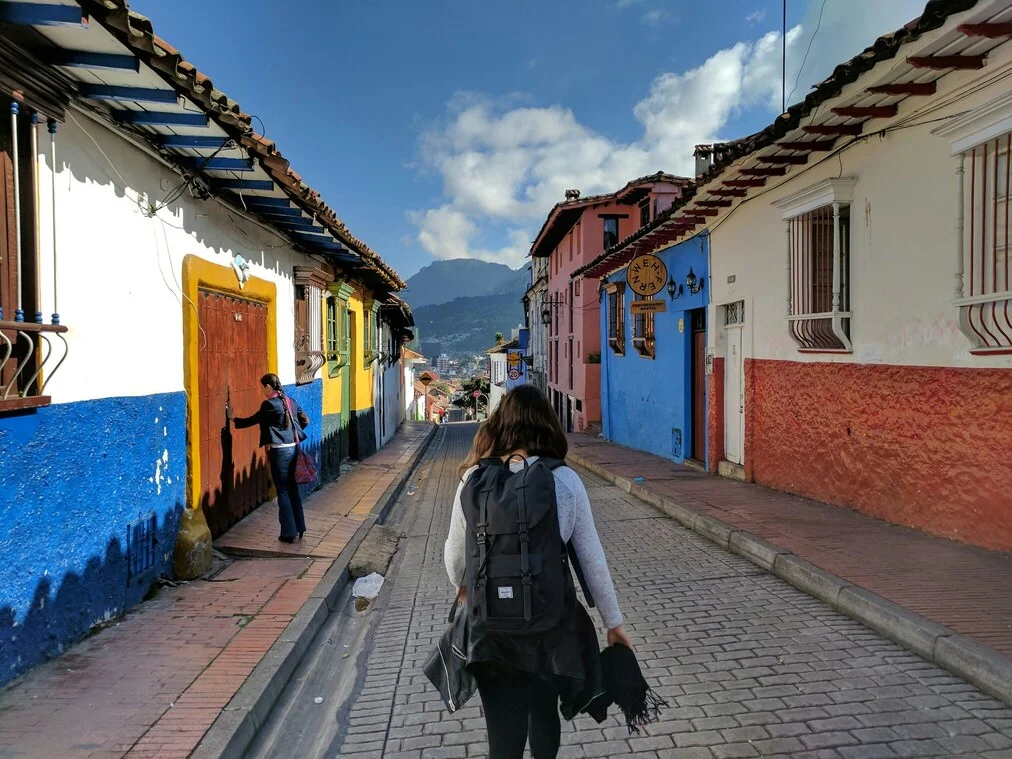
La Boca is Buenos Aires’s most colorful neighborhood, famous for its vibrant conventillos (tenement houses) painted in bright blues, yellows, reds, and greens. Caminito is a pedestrian street museum and outdoor art gallery where tango dancers perform, artists sell paintings, and the energy captures the working-class immigrant roots that defined Buenos Aires. The tradition of painted houses began when poor residents used leftover ship paint from the nearby port to brighten their corrugated metal homes in the early 1900s.
This is the birthplace of tango—Carlos Gardel and other legends developed the dance in the bars and brothels of this waterfront neighborhood where Italian, Spanish, and Basque immigrants created a unique cultural blend. Today Caminito stretches just two blocks but packs intense visual impact with street performers in period costume, outdoor cafés, souvenir stalls, and musicians playing traditional music. The colorful facades create an Instagram-perfect backdrop, though the area is highly touristy.
Why visit: Despite its tourist trappings, La Boca offers authentic Buenos Aires history and the most photogenic streetscape in the city. The colors are genuinely stunning, and watching professional tango dancers perform in the street (for tips) is entertaining. This is where tango evolved from forbidden dance to national treasure. Nearby La Bombonera stadium, home to Boca Juniors football club, is a pilgrimage site for soccer fans worldwide.
Time needed: 1-2 hours for Caminito itself, add 2-3 hours if visiting La Bombonera stadium museum or watching street performances Entrance: Free to walk Caminito streets. La Bombonera museum ARS 12,000 (approximately USD 12, 2026), stadium tours ARS 15,000 (USD 15) Best time: Mid-morning to early afternoon (10am-3pm) when street performers are most active. Avoid visiting after dark for safety reasons Hours: Caminito accessible 24/7 but active with performers and shops 10:00am-6:00pm daily. La Bombonera museum daily 10:00am-6:00pm
WATCH OUT: La Boca beyond the two touristy Caminito blocks is genuinely unsafe—do not wander off the main pedestrian street, especially with camera equipment visible. The neighborhood has high crime rates. Arrive by taxi or Uber directly to Caminito, stay on the main streets with other tourists, and leave the same way. Street performers expect tips if you take photos with them (ARS 2,000-5,000 is standard). Restaurant prices along Caminito are inflated—eat elsewhere.
PRO TIP: Combine La Boca with a Boca Juniors match if you can—the stadium experience is incredible with passionate fans, though tickets are difficult to obtain (book through tour companies for USD 80-120 including transport and guide). Visit Caminito mid-morning, then walk to nearby Usina del Arte (5 Caffarena) for free art exhibitions in a beautifully converted power plant. Take a taxi both ways—don’t walk from the nearest Subte station (unsafe).
[DISPLAY AD PLACEHOLDER #2]
Palacio Barolo
Av. de Mayo 1370, C1085 CABA, Buenos Aires, Argentina
Palacio Barolo is an architectural masterpiece and one of Buenos Aires’s most unusual buildings—a 22-story office tower designed in 1923 as a tribute to Dante’s Divine Comedy. Italian architect Mario Palanti created a building where the structure, measurements, and decorations all reference the medieval epic poem, with the basement representing Hell, middle floors Purgatory, and the lighthouse dome symbolizing Heaven. The building was South America’s tallest when completed and remains a stunning example of Art Nouveau and Neo-Gothic architecture.
The design includes 22 floors matching the Divine Comedy’s 22 stanzas per canto, a height of 100 meters representing the poem’s 100 cantos, and intricate symbolism throughout—dragons at the entrance representing the seven deadly sins, bronze doors with allegorical scenes, and a dome topped with a lighthouse that once guided ships in the Río de la Plata. The building’s owner commissioned it to house Dante’s ashes, though they ultimately remained in Italy. Today it operates as offices, but tours reveal secret passages, a rooftop lighthouse, and panoramic views.
Why visit: This is one of Buenos Aires’s best-kept secrets—a building that rewards curiosity with fascinating stories and spectacular views from the lighthouse dome overlooking Avenida de Mayo and the Congress building. Guided tours explain the Dante connections and architectural details while taking you to normally restricted areas including the rooftop. The sunset tours are particularly romantic, and the building is less crowded than other observation points like the Obelisco.
Time needed: 1 hour for standard tour, 1.5 hours for sunset tour Entrance: Standard tour ARS 18,000 (approximately USD 18, 2026), sunset tour ARS 25,000 (USD 25). Tours in English and Spanish Best time: Evening tours for sunset from the lighthouse (book weeks in advance), or weekday morning tours for smaller groups Hours: Tours Monday-Sunday at various times between 10:00am-8:00pm; must book in advance at pbarolo.com.ar
WATCH OUT: Tours must be booked online in advance—walk-ins are not accepted and tours sell out days ahead, especially for sunset times. The tour involves climbing narrow staircases to the lighthouse (about 100 steps total)—not suitable for those with mobility issues. Photography is allowed throughout. The surrounding Avenida de Mayo area is safe during the day but less busy at night—take taxis after dark.
PRO TIP: Book the “Palacio Barolo + Café Tortoni” combination ticket that includes a guided tour and a table at Buenos Aires’s oldest café across the street (ARS 30,000/USD 30). The lighthouse can be rented for private events including marriage proposals—contact the palace directly. For the best photos, visit during golden hour when the dome glows and you can capture both sunset and city lights coming on.
MALBA (Museo de Arte Latinoamericano de Buenos Aires)
Av. Figueroa Alcorta 3415, C1425CLA CABA, Buenos Aires, Argentina
MALBA is Latin America’s premier modern art museum, housing an exceptional collection of 20th-century works by Latin American artists including Frida Kahlo, Diego Rivera, Fernando Botero, and Argentines like Antonio Berni and Xul Solar. The museum opened in 2001 in a striking contemporary building with limestone facades and dramatic natural lighting through a three-story atrium. The permanent collection focuses on avant-garde movements, surrealism, and contemporary Latin American art, while rotating exhibitions showcase international artists and special themes.
The collection contains over 600 works spanning painting, sculpture, photography, and mixed media from the early 1900s to present day. Highlights include Frida Kahlo’s “Self-Portrait with Monkey and Parrot,” works by Mexican muralists, and extensive Argentine collections showing the evolution of art in Buenos Aires from geometric abstraction to pop art. The museum also features an excellent cinema screening art films, a design shop with curated books and objects, and a café with outdoor seating overlooking the sculpture garden.
Why visit: This is the best art museum in Buenos Aires and one of the finest in South America, offering context for understanding Latin American modernism and contemporary culture. The building itself is architecturally significant, and the collection provides insights into the region’s artistic movements that parallel European trends while maintaining distinct Latin American identity. Even non-art enthusiasts appreciate the accessible, well-curated exhibitions and the beautiful Palermo location.
Time needed: 2-3 hours for permanent collection and temporary exhibitions Entrance: ARS 8,000 (approximately USD 8, 2026) general admission, ARS 4,000 students with ID, free for children under 12. Wednesday half-price after 5pm Best time: Weekday mornings (11am-1pm) for smallest crowds, or Wednesday evenings for discounted entry. Avoid weekends when families and tourists pack the galleries Hours: Thursday-Monday 12:00pm-8:00pm, Wednesday 12:00pm-9:00pm, closed Tuesday
WATCH OUT: No photography is allowed in the permanent collection galleries—security enforces this strictly. Large bags must be checked (free coat check). The museum café is trendy and overpriced—ARS 8,000-12,000 (USD 8-12) for lunch. The museum shop has beautiful books and design objects but prices reflect the upscale Palermo location. Lines can be long on free Wednesday evenings—arrive before 5pm.
PRO TIP: The MALBA+MNBA combination ticket (ARS 12,000/USD 12) grants entry to both MALBA and the National Museum of Fine Arts, valid for 15 days—excellent value if you’re an art lover. Download the free MALBA app for audio guides in English. Combine your visit with a walk through nearby Bosques de Palermo parks (5-minute walk) or the trendy shops and cafés of Palermo Soho (10-minute walk).
San Telmo Market (Mercado de San Telmo)
Defensa 963, C1065 Buenos Aires, Argentina
Mercado de San Telmo is Buenos Aires’s oldest market, operating since 1897 in a magnificent iron-and-glass structure that evokes European market halls. The building spans an entire city block with skylit corridors lined with vendors selling fresh produce, meats, cheeses, flowers, and prepared foods. Beyond groceries, the market hosts antique dealers, artisan craftspeople, vintage clothing stalls, and small eateries serving traditional Argentine dishes. The architecture alone—ornate ironwork, vaulted glass ceilings, and colorful tile work—makes this a worthy stop.
The market serves as a gathering place for porteños doing daily shopping alongside tourists hunting for antiques and souvenirs. Vendors have operated the same stalls for generations, creating a authentic neighborhood atmosphere despite San Telmo’s increasing gentrification. Sunday’s famous antiques fair in Plaza Dorrego spills into the market, transforming the surrounding streets into an enormous outdoor bazaar with live music, tango dancers, and hundreds of vendors selling everything from vintage vinyl to silver jewelry to leather goods.
Why visit: This is where you experience everyday Buenos Aires life—locals shopping for vegetables, elderly couples lunching at traditional parillas (grill restaurants), and artisans selling handmade goods. The building is beautiful, the food options are excellent and affordable, and the Sunday antiques market surrounding it is one of Buenos Aires’s best free experiences. It’s a photographer’s dream with character in every corner—weathered vendors, colorful produce displays, and shafts of light through the glass roof.
Time needed: 1-2 hours for the market itself, 3-4 hours if visiting during Sunday antiques fair Entrance: Free to enter and browse Best time: Weekday mornings (9-11am) for authentic local shopping experience without crowds. Sunday (10am-5pm) for the antiques fair atmosphere—arrive before noon to avoid peak crowds Hours: Daily 8:00am-7:00pm (some vendors close earlier). Sunday antiques fair in surrounding streets 10:00am-5:00pm
WATCH OUT: The Sunday antiques fair attracts huge crowds where pickpockets operate—keep valuables secured in front pockets and bags zipped. Prices at antiques stalls are negotiable—expect to bargain down 20-30% from the asking price. Inside the market, food vendors and restaurants charge fair prices, but some antique dealers price for tourists. Quality varies wildly among “antiques”—many items are reproductions or not as old as claimed.
PRO TIP: Eat lunch at El Obrero (Agustín R. Caffarena 64), a legendary workers’ restaurant two blocks from the market—cash only, no reservations, expect a wait, but the authentic Argentine food and old-school atmosphere is unbeatable (ARS 12,000-18,000/USD 12-18 per person). For groceries, buy fresh pasta from the stands inside the market—much cheaper than restaurants and you can cook in your accommodation. Sunday antiques fair vendors pack up early if items sell out, so arrive by 11am for best selection.
El Ateneo Grand Splendid
Av. Santa Fe 1860, C1123 CABA, Buenos Aires, Argentina
El Ateneo Grand Splendid is regularly named the world’s most beautiful bookstore—a 1919 theater converted into a bookshop that retains its ornate balconies, frescoed ceilings, red velvet stage curtains, and theatrical atmosphere. The original theater hosted live tango performances and silent films before becoming a bookstore in 2000. Shelves of books fill the former orchestra seating area, balconies on multiple levels display different genres, and the stage now houses a café where you can sip coffee surrounded by 120,000 books.
The building’s architecture is breathtaking—carved wooden details, gilded moldings, a painted dome ceiling featuring classical scenes, and the original theater boxes now serving as intimate reading nooks. Despite being a fully functioning bookstore with reasonable prices, it maintains its theatrical grandeur. The majority of books are in Spanish, but there’s a good English-language section, and simply being in the space is the main attraction. Tourists and locals alike photograph the stunning interior.
Why visit: Even if you don’t read Spanish, this is one of Buenos Aires’s most Instagram-worthy locations and a testament to the city’s book-loving culture. Argentina has the highest bookstore-per-capita ratio in the world, and El Ateneo exemplifies porteños’ passion for literature. The building is magnificent, entry is free (just walk in), and the café on the stage is a unique place to relax. It’s proof that Buenos Aires values culture and preserves beautiful spaces rather than demolishing them for development.
Time needed: 30 minutes to 1 hour for browsing and photos Entrance: Free to enter and browse (bookstore, not museum) Best time: Weekday mornings (10-11am) for fewer crowds and better photos without people blocking your shots. Early afternoon (2-4pm) also quieter. Avoid weekends and after 5pm on weekdays Hours: Monday-Thursday 9:00am-10:00pm, Friday-Saturday 9:00am-midnight, Sunday 12:00pm-10:00pm
WATCH OUT: This is an actual bookstore, not a museum—be respectful of people genuinely shopping and employees working. Photography is allowed but flash photography isn’t. The café on stage has minimum consumption requirements if you want to sit (ARS 5,000-8,000/USD 5-8 for coffee or snacks). During peak hours, it’s crowded with tour groups taking selfies—consider this when timing your visit.
PRO TIP: Visit early on a weekday morning around opening time (9am) for the best photos with minimal people—you might even have the store nearly to yourself for 20-30 minutes. The upper balconies offer the best overview shots of the main floor. If you want to buy books, English titles are near the back. The café serves decent coffee and pastries at reasonable prices (for Buenos Aires)—sipping a cortado on the former stage is a special experience.
Floralis Genérica
Av. Figueroa Alcorta y Jerónimo Salguero, Recoleta, Buenos Aires, Argentina
Floralis Genérica is a massive metal flower sculpture that opens its petals at dawn and closes them at dusk, powered by hydraulics and sensors that detect sunlight. Created by Argentine architect Eduardo Catalano and gifted to the city in 2002, the sculpture stands 23 meters tall and weighs 18 tons. Made of stainless steel and aluminum, the flower reflects sunlight during the day creating different effects depending on weather and time, while at night it glows from internal lighting when the petals close around the core.
The sculpture sits in Plaza de las Naciones Unidas surrounded by reflecting pools and manicured lawns with the Recoleta neighborhood’s elegant buildings as backdrop. The flower represents hope and rebirth, symbolizing all flowers in the world—it’s completely abstract yet unmistakably floral. The opening and closing mechanism occasionally malfunctions, leaving the petals stuck open or closed, but when working properly the movement at sunrise (around 7-8am depending on season) and sunset (around 6-8pm) attracts photographers and romantics.
Why visit: This is one of Buenos Aires’s most photographed monuments and a beloved city symbol. The sculpture is impressive up close—the scale and engineering are remarkable, and the reflective surfaces create beautiful images especially during golden hour. It’s completely free, located in a lovely park perfect for picnics, and easily combined with visiting nearby Recoleta Cemetery (700 meters away) and MALBA museum. The surrounding area is safe for walking day or night.
Time needed: 20-30 minutes for viewing and photos Entrance: Free, in public park Best time: Sunset (one hour before dusk) to photograph the petals closing, or early morning for softer light and fewer people. Weekday mornings are quietest Hours: Accessible 24/7 (public park), petals programmed to open at sunrise and close at sunset
WATCH OUT: The sculpture sometimes malfunctions and petals remain stuck—it’s still worth visiting even if not moving. The mechanism makes loud hydraulic sounds when operating. After dark, the surrounding park is less populated—stick to well-lit areas and main paths. Weekend afternoons bring crowds of families and tourists, making photos difficult. The reflecting pools are shallow decorative features—don’t let children play in them.
PRO TIP: Time your visit for about 30 minutes before sunset to watch the petals slowly close as daylight fades—the movement takes about 15 minutes. The sculpture is best photographed from the northwest side with the city skyline in the background. Visit on May 25 (National Day), September 21 (Spring equinox), Christmas Eve, or New Year’s Eve when the petals stay open all night and the sculpture is specially illuminated. Combine with a walk through nearby Bosques de Palermo parks.
Tigre Delta & Paraná River
Tigre, Buenos Aires Province, Argentina (30 km north of Buenos Aires, accessible via train from Retiro or Belgrano stations)
The Tigre Delta is a vast network of rivers, streams, and islands where the Paraná River spreads into countless waterways before meeting the Río de la Plata. This lush subtropical delta begins just 30 kilometers from downtown Buenos Aires and offers a completely different landscape—wooden houses on stilts, boat-access-only islands, rowing clubs, riverside restaurants, and quiet channels shaded by willows. The delta covers over 220 square kilometers and is one of the world’s largest river deltas, home to 3,500 residents who live on islands accessible only by boat.
Visitors explore via boat tours ranging from one-hour circuits to full-day journeys deep into the delta. Boat options include large tourist catamarans offering narrated tours, smaller lanchas colectivas (water buses) that function like floating colectivos serving island residents, and private kayak or rowing boat rentals for self-exploration. The main town of Tigre features a renovated Puerto de Frutos market, museums, restaurants, and waterfront promenades, while the delta itself offers opportunities for kayaking, fishing, visiting estancias (ranches), or simply enjoying nature minutes from the urban sprawl.
Why visit: This is Buenos Aires’s best day trip for nature lovers and anyone seeking a break from the city. The delta provides a glimpse of a unique way of life where mail boats deliver packages and children commute to school by kayak. The scenery is beautiful and relaxing, the boat rides are enjoyable, and the contrast with urban Buenos Aires is striking. You can have lunch at a riverside restaurant, kayak through narrow channels, or visit museums dedicated to naval history and the delta’s ecology.
Time needed: Half day minimum (4-5 hours including train from Buenos Aires), full day recommended to explore properly Entrance: Train to Tigre ARS 1,300 (USD 1.30) with SUBE card. Boat tours ARS 10,000-25,000 (USD 10-25) depending on duration. Kayak rentals ARS 8,000-15,000 (USD 8-15) per 2 hours Best time: Spring and fall (September-November, March-May) for pleasant weather. Weekdays less crowded than weekends when porteños flood the delta. Avoid rainy days as boats cancel Hours: Tigre accessible anytime, boat tours operate 10:00am-6:00pm daily, more frequent departures weekends
WATCH OUT: Summer (December-February) brings intense heat, humidity, and mosquitoes—bring strong insect repellent. Water quality varies—don’t swim unless at designated beach areas. Some tour operators are more tourist-trap than authentic—read reviews before booking. The Puerto de Frutos market is now more souvenir shops than fruit market despite the name. Tigre town can be touristy—venture into the actual delta for authentic experiences.
PRO TIP: Skip the expensive tourist catamarans and take the lancha colectiva (water bus) from Estación Fluvial in Tigre—ARS 3,000-5,000 (USD 3-5) for a 2-hour loop through the delta where you’ll see real island life, locals commuting, and authentic delta houses. Get off at any island restaurant for lunch (El Gato Blanco or Vivanco are excellent), then catch a later boat back. Rent kayaks from Bonanza Deltaventura for a self-guided paddle through quiet channels away from tour boats.
Plaza de Mayo & Casa Rosada
Plaza de Mayo, Balcarce 50, C1064 CABA, Buenos Aires, Argentina
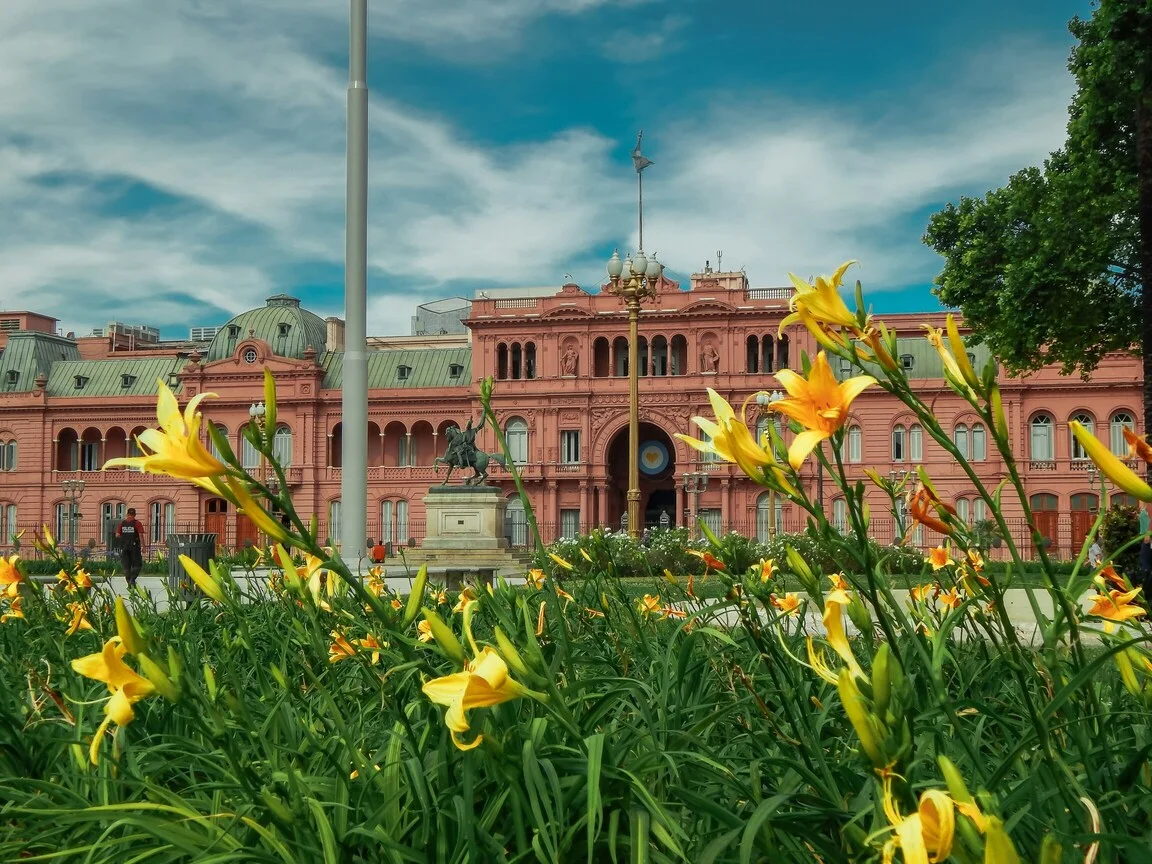
Plaza de Mayo is Argentina’s most historically significant square, the political heart of Buenos Aires where the presidential palace (Casa Rosada), Metropolitan Cathedral, and Cabildo (colonial town council building) face each other. This is where Argentina declared independence from Spain, where Eva Perón addressed massive crowds from the Casa Rosada balcony, and where the Mothers of the Plaza de Mayo have marched every Thursday since 1977 demanding justice for their disappeared children from the military dictatorship. The plaza has witnessed every major event in Argentine history from revolution to democracy.
The Casa Rosada (Pink House) serves as the presidential executive office and takes its distinctive color from a tradition of mixing beef fat with paint in the 1800s. The building’s architecture combines Italian and French influences with ornate balconies, and the presidential balcony overlooks the plaza where massive crowds gather during protests or celebrations. Free guided tours on weekends take visitors through the presidential offices, galleries displaying historical artifacts, and the famous balcony. The plaza itself features palm trees, a central monument pyramid (Pirámide de Mayo), and beautiful European-style architecture on all sides.
Why visit: This is where Argentine history happened and continues to happen—political demonstrations, celebrations, and protests regularly fill the plaza. Free Casa Rosada tours offer insights into Argentine politics and history, access to beautifully decorated state rooms, and the thrill of standing on the balcony where Evita and modern presidents address the nation. The surrounding buildings—the Cathedral where Pope Francis once served as archbishop, the colonial Cabildo museum, and the elegant May Avenue leading toward Congress—create a concentrated historic district perfect for understanding Buenos Aires.
Time needed: 1-2 hours for the plaza and Casa Rosada tour, add 1 hour for Cathedral and Cabildo Entrance: Plaza is free public space. Casa Rosada tours free but must book online in advance at casarosada.gob.ar. Cathedral free, Cabildo museum ARS 2,000 (USD 2) Best time: Saturday or Sunday mornings for Casa Rosada tours (only days available). Thursday afternoons (3:30pm) to see Mothers of Plaza de Mayo march. Weekday mornings quiet for photography Hours: Plaza accessible 24/7. Casa Rosada tours Saturday-Sunday 10:00am-6:00pm (book required). Cathedral daily 8:00am-7:00pm. Cabildo museum Wednesday-Sunday 10:30am-5:00pm
WATCH OUT: Political demonstrations and protests regularly occur in Plaza de Mayo—usually peaceful but can disrupt access and involve large crowds, tear gas, or street closures. Check news before visiting. Casa Rosada tours require advance online registration (book at least a week ahead, more during peak season) and valid passport for entry—security is strict. The microcentro area around the plaza is less safe at night and quiet on weekends when offices close—visit during daytime.
PRO TIP: Book Casa Rosada tours as soon as you know your Buenos Aires dates—they fill up quickly especially for English tours. Join the Mothers of Plaza de Mayo march on Thursdays at 3:30pm—the white-headscarved mothers walk silently around the pyramid monument, a moving and important ritual. Combine your plaza visit with walking Avenida de Mayo to Congress (15-minute walk), stopping at Café Tortoni for coffee in Buenos Aires’s oldest café (1858). Early morning (8-9am) offers the best light for photographing the pink palace.
4. Neighborhoods & Districts to Explore
Buenos Aires is a city of distinct neighborhoods, each with its own personality, architecture, and local culture. The barrios evolved from different immigrant communities and social classes, creating a patchwork of experiences within one metropolis. Exploring these neighborhoods reveals the soul of Buenos Aires beyond the tourist sights—from elegant European-style boulevards to bohemian artist enclaves to working-class tango strongholds.
Palermo
Character: Palermo is Buenos Aires’s largest and most diverse neighborhood, subdivided into distinct areas each with unique vibes. Palermo Soho features cobblestone streets, street art, independent boutiques, and hundreds of restaurants and bars in converted houses. Palermo Hollywood centers on media production companies, trendy nightlife, and upscale dining. Palermo Chico offers embassy-lined streets and elegant mansions. The massive Bosques de Palermo parks provide green space with rose gardens, lakes, and Japanese gardens.
What makes it special: This is where young porteños live, work, and play—the epicenter of Buenos Aires’s creative scene. Street art covers walls throughout Soho, turning the neighborhood into an open-air gallery. The dining scene is Argentina’s most innovative, with everything from vegan cafés to Peruvian fusion to traditional parillas reimagined. Sundays bring craft fairs, outdoor markets, and park picnics. The neighborhood perfectly balances local life with tourist-friendly infrastructure.
Best for: Foodies, shoppers, nightlife seekers, art lovers, anyone wanting to experience contemporary Buenos Aires culture. First-time visitors should spend at least half their Buenos Aires time here.
Must-see in this area: Bosques de Palermo parks and rose gardens, Palermo Soho’s street art and boutiques, Japanese Gardens, MALBA museum, craft markets on Plaza Armenia, nightlife along Honduras and Costa Rica streets
How to get there: Metro Line D to Plaza Italia, Palermo, or Ministro Carranza stations. Buses 39, 55, 93, 111 serve different parts of Palermo. Very walkable within sub-neighborhoods, though walking from Soho to Hollywood takes 20-30 minutes
Location: Palermo Soho center: Plaza Serrano (officially Plaza Julio Cortázar), intersection of Honduras and Serrano streets, Palermo, Buenos Aires, Argentina
Recoleta
Character: Recoleta is Buenos Aires’s most aristocratic neighborhood, filled with French-style architecture, grand boulevards, luxury hotels, and elegant apartment buildings with ornate facades. The wide, tree-lined Avenida Alvear rivals Paris’s Champs-Élysées for sophistication. This is old money Buenos Aires—polo clubs, exclusive galleries, designer boutiques, and refined cafés where elderly ladies take afternoon tea. Despite the wealth, major attractions are accessible to all visitors.
What makes it special: The neighborhood showcases Buenos Aires at its most European and refined. Recoleta Cemetery offers a fascinating glimpse into Argentine high society, past and present. World-class museums including the National Museum of Fine Arts and Recoleta Cultural Center host free exhibitions. The weekend craft fair in Plaza Francia draws artisans from across Argentina. Beautiful architecture turns every street into a photo opportunity, and the neighborhood is safe to wander day or night.
Best for: Culture lovers, architecture enthusiasts, those seeking upscale dining and shopping, couples wanting romantic strolls, history buffs interested in Argentine aristocracy
Must-see in this area: Recoleta Cemetery, Floralis Genérica sculpture, National Museum of Fine Arts, Recoleta Cultural Center, Avenida Alvear luxury shopping, weekend craft fair at Plaza Francia, El Ateneo Grand Splendid bookstore
How to get there: No metro station directly in Recoleta—walk from Palermo (20 minutes) or take buses 17, 61, 62, 92, 110. Easily reached by taxi/Uber from anywhere in central Buenos Aires (ARS 3,000-6,000/USD 3-6)
Location: Recoleta Cultural Center, Junín 1930, C1113 AAX CABA, Buenos Aires, Argentina
San Telmo
Character: San Telmo is Buenos Aires’s oldest neighborhood, preserving cobblestone streets, colonial architecture, and bohemian atmosphere. This was once the aristocratic district until yellow fever drove the wealthy north to Recoleta in the 1870s. Working-class families and artists moved into the abandoned mansions, creating a neighborhood of antique shops, tango bars, street performers, and authentic parillas. The Sunday antiques market transforms Plaza Dorrego into Buenos Aires’s liveliest scene.
What makes it special: San Telmo feels frozen in time with its narrow streets, vintage architecture, and neighborhood bars where tango legends performed. This is the most authentic place to experience tango culture—not tourist shows but real milongas where locals dance. Antique dealers operate from colonial courtyard houses filled with treasures. Street art covers building facades, particularly along Pasaje San Lorenzo. The neighborhood maintains working-class authenticity despite increasing gentrification, with family-run restaurants serving traditional food.
Best for: Antique hunters, tango enthusiasts, photographers, history lovers, budget travelers (hostels are plentiful and affordable), those seeking authentic Buenos Aires atmosphere
Must-see in this area: Sunday antiques fair at Plaza Dorrego, Mercado de San Telmo, Pasaje Defensa antique galleries, street art on Pasaje San Lorenzo, tango performances at Bar Sur or El Viejo Almacén, Parque Lezama, Dorrego Bar
How to get there: Metro Line C to San Juan or Independencia stations (10-minute walk to Plaza Dorrego). Buses 29, 86, 126 along Defensa street. Walking from Puerto Madero takes 15-20 minutes
Location: Plaza Dorrego, Defensa and Humberto Primo, San Telmo, Buenos Aires, Argentina
Puerto Madero
Character: Puerto Madero is Buenos Aires’s newest neighborhood, a redeveloped waterfront district of converted brick warehouses now housing upscale restaurants, corporate offices, and luxury apartments. The area features modern architecture, wide pedestrian promenades, ecological reserve, and a completely different aesthetic from historic Buenos Aires. Puente de la Mujer (Woman’s Bridge), a sleek white pedestrian bridge designed by Santiago Calatrava, symbolizes the neighborhood’s contemporary character.
What makes it special: This is the safest and most modern area of Buenos Aires, perfect for evening strolls along the waterfront. High-end restaurants in converted warehouses offer river views and excellent dining, though prices are higher than elsewhere. The Costanera Sur Ecological Reserve provides 350 hectares of nature preserve within the city—birds, walking trails, and wetlands accessible for free. Puerto Madero demonstrates Buenos Aires’s capacity for urban renewal while preserving historic industrial architecture.
Best for: Romantic dinners, safe evening walks, joggers and cyclists, business travelers (many hotels here), families (wide open spaces), those wanting modern Buenos Aires
Must-see in this area: Puente de la Mujer bridge, Costanera Sur Ecological Reserve, waterfront dining along docks, Fragata Sarmiento museum ship, nighttime skyline views, Sunday bike rides along the waterfront
How to get there: Metro Line B to Leandro N. Alem station (10-minute walk). Buses 2, 6, 20, 152. Very walkable from San Telmo (15 minutes) or microcentro (10 minutes). Excellent bike paths connect to Palermo along the river
Location: Puente de la Mujer, Dique 3, Juana Manuela Gorriti, Puerto Madero, Buenos Aires, Argentina
La Boca
Character: La Boca is Buenos Aires’s most colorful and culturally significant neighborhood—the birthplace of tango, home to Boca Juniors football club, and the immigrant neighborhood where Italian, Spanish, and Basque workers created a unique cultural blend. The famous Caminito street displays brightly painted conventillos (tenement houses) in blues, yellows, and reds. Beyond the tourist blocks, La Boca remains a working-class neighborhood with genuine grit and local pride.
What makes it special: Caminito’s painted houses create Buenos Aires’s most photogenic streetscape—originally poor residents used leftover ship paint to brighten their corrugated metal homes. This is where tango evolved from forbidden dance to national treasure, with street performers keeping the tradition alive. La Bombonera stadium offers one of world football’s most passionate experiences. Despite heavy tourism on Caminito, the neighborhood retains authentic character and historical significance as the port where millions of immigrants arrived.
Best for: Photographers, football fans, tango enthusiasts, those seeking colorful Instagram shots, history buffs interested in immigrant culture
Must-see in this area: Caminito street museum, La Bombonera stadium and museum, Proa Foundation contemporary art museum, tango street performances, conventillo architecture, waterfront murals
How to get there: Do NOT walk or take metro—arrive by taxi/Uber directly to Caminito for safety (ARS 5,000-8,000/USD 5-8 from most central neighborhoods). Leave the same way. Tour buses operate from most areas
Location: Caminito, Del Valle Iberlucea and Magallanes, La Boca, Buenos Aires, Argentina
Microcentro & Retiro
Character: The microcentro is Buenos Aires’s downtown business district, filled with banks, office buildings, government ministries, and pedestrian shopping streets. Architecture ranges from Spanish colonial (Cabildo) to French belle époque (Correos building) to modern skyscrapers. Florida Street, a pedestrian shopping avenue, bustles with crowds, street performers, and currency exchange houses. Retiro encompasses the train stations, Torre Monumental clock tower, and the elegant Plaza San Martín park.
What makes it special: This is historic and political Buenos Aires—Plaza de Mayo witnessed every major event in Argentine history. The architectural concentration rivals European capitals with stunning buildings like Teatro Colón, Palacio Barolo, and the Correos (post office) palace. Avenida de Mayo connects Plaza de Mayo to Congress with grand facades and historic cafés including Café Tortoni (1858). The area is walkable with most major sights clustered together, though the atmosphere turns quiet and somewhat unsafe after business hours and weekends.
Best for: History enthusiasts, architecture lovers, business travelers, budget shoppers (Florida Street has affordable stores), those wanting to see political Buenos Aires
Must-see in this area: Plaza de Mayo and Casa Rosada, Teatro Colón, Café Tortoni, Palacio Barolo, Avenida de Mayo, Obelisco monument, Galerías Pacífico shopping mall, Correo Central palace, Plaza San Martín park
How to get there: Metro Lines A, B, C, D, and E all serve the microcentro—stations at Plaza de Mayo, Catedral, Florida, 9 de Julio, Carlos Pellegrini. This is the hub of Buenos Aires public transport
Location: Plaza de Mayo, Buenos Aires, Argentina (central reference point)
Villa Crespo & Chacarita
Character: These neighboring barrios north of Palermo offer authentic Buenos Aires experiences without tourist crowds. Villa Crespo was historically a Jewish immigrant neighborhood, now transforming into a hipster enclave with vintage shops, craft breweries, leather outlets, and underground music venues. Chacarita features the city’s largest cemetery (less touristy than Recoleta), traditional markets, and residential streets lined with jacaranda trees. Both neighborhoods maintain working-class authenticity with family-run businesses.
What makes it special: This is where Buenos Aires residents actually live—you’ll see locals shopping at corner markets, kids playing football in the streets, and neighbors chatting on sidewalks. Villa Crespo’s leather outlets sell high-quality jackets and bags at wholesale prices without tourist markup. The neighborhoods’ breweries and bars attract a young, creative crowd but remain affordable and unpretentious. Chacarita Cemetery offers the cemetery experience without Recoleta’s crowds, while nearby Mercado de Chacarita sells everything from fresh produce to antiques.
Best for: Travelers seeking authentic local life, leather shoppers, craft beer enthusiasts, those wanting to experience residential Buenos Aires, budget-conscious visitors (prices are lower than Palermo/Recoleta)
Must-see in this area: Leather outlets along Murillo and Malabia streets, craft breweries (Strange Brewing, Antares), vintage shops, Chacarita Cemetery, Mercado de Chacarita, live music venues, weekend street fairs
How to get there: Metro Line B to Malabia, Dorrego, or Federico Lacroze stations. Buses 15, 24, 71, 127, 168. Walking from Palermo Soho takes 20 minutes
Location: Villa Crespo center: Scalabrini Ortiz and Corrientes, Villa Crespo, Buenos Aires, Argentina
PRO TIP: Each neighborhood has distinct personalities at different times—Palermo comes alive at night, San Telmo peaks on Sunday mornings, Recoleta is perfect for afternoon strolls, and the microcentro should be visited during weekday business hours when it’s bustling. Plan your neighborhood visits accordingly for the best experience.
WATCH OUT: Some neighborhoods have safety concerns at night or in certain areas—La Boca beyond Caminito, parts of San Telmo south of Parque Lezama, the microcentro after dark and on weekends, and Retiro train station areas. Always take taxis/Uber after dark rather than walking, and avoid displaying expensive cameras or jewelry in less touristy neighborhoods.
5. Food & Dining
Argentine cuisine centers on beef, wine, and Italian-influenced dishes reflecting the country’s immigrant heritage and gaucho traditions. Buenos Aires offers world-class dining from neighborhood parillas (steakhouses) serving perfectly grilled beef to innovative fusion restaurants pushing culinary boundaries. Meal times run late—lunch starts around 1-2pm, dinner rarely before 9pm, and restaurants stay open until midnight or later. Eating in Argentina is a social experience meant to be savored over hours with friends, wine, and conversation.
Must-Try Local Dishes & Specialties
- Asado – Argentina’s famous barbecue featuring various beef cuts slowly grilled over wood or charcoal. A proper asado includes chorizo (sausage), morcilla (blood sausage), achuras (organ meats), and multiple beef cuts from ribs to flank steak. The grill master (asador) controls temperature and timing to achieve perfectly charred exterior and tender interior. Asado is both a meal and a social ritual.
- Bife de Chorizo – Argentine sirloin steak, the most popular cut in restaurants. Thick-cut (3-4 cm), simply seasoned with salt, and grilled to juicy perfection. One steak easily serves two people. Order “a punto” (medium-rare) for the best flavor—Argentines rarely eat beef well-done.
- Empanadas – Savory hand pies filled with beef (carne), chicken (pollo), ham and cheese (jamón y queso), or vegetables. Each Argentine province has distinct styles—tucked edges indicate oven-baked, crimped edges mean fried. The beef empanadas often include olives, hard-boiled egg, and raisins alongside seasoned ground meat. Perfect for quick lunches or snacks.
- Milanesa – Breaded, fried meat cutlet (usually beef or chicken) served with french fries or salad. Milanesa napolitana adds tomato sauce, ham, and melted cheese on top—a massive meal. This Italian-influenced dish is comfort food for Argentines, found in every neighborhood restaurant and family dinner table.
- Dulce de Leche – Caramelized milk spread that’s the national obsession—smeared on toast, filling pastries, drizzled on ice cream, or eaten straight from the jar. Richer and less sweet than caramel, with complex flavor from slow-cooking milk and sugar for hours. You’ll find dulce de leche in dozens of desserts, from alfajores to panqueques.
- Provoleta – Thick slice of provolone cheese grilled until the exterior chars and interior melts, served as an appetizer at parillas. Often topped with oregano and chili flakes. Scoop the molten cheese onto bread and enjoy the smoky, salty richness before your main course arrives.
- Locro – Hearty stew of corn, beans, beef, pork, and chorizo traditionally eaten on May 25 (National Day). This pre-Columbian dish predates Spanish arrival and sustained gauchos through cold winters. Thick, warming, and deeply flavorful, though only certain restaurants serve it year-round.
- Choripán – Grilled chorizo sausage in crusty bread topped with chimichurri sauce. This is Argentina’s favorite street food, sold at food stands, sports stadiums, and parks. The sausage is butterflied and grilled until crispy outside, juicy inside, then loaded with tangy chimichurri and onions.
- Medialunas – Small, slightly sweet croissants eaten for breakfast or afternoon tea. Medialunas de manteca (butter) are flakier, while medialunas de grasa (lard) are softer and sweeter. Dunk them in café con leche or hot chocolate for the authentic Argentine breakfast experience.
- Alfajores – Cookie sandwiches filled with dulce de leche and often coated in chocolate or powdered sugar. Every region and bakery makes their own version—some thick and cake-like (Havanna brand), others thin and crispy (Jorgito brand). These are Argentina’s favorite sweet treat and make excellent gifts.
Restaurant Recommendations by Budget
Budget-Friendly (Under ARS 20,000/USD 20 per meal)
- El Cuartito – Talcahuano 937, Recoleta, Buenos Aires – Legendary pizzeria since 1934 serving thick, cheesy fugazzeta (onion pizza) and classic mozzarella pies. Stand at the bar for cheapest prices, or grab a table. Walls covered in signed football jerseys. ARS 8,000-12,000 (USD 8-12) per person.
- La Cocina – Paraná 1228, Recoleta, Buenos Aires – Excellent budget parilla with huge portions, friendly service, and neighborhood atmosphere. The bife de chorizo is massive and perfectly grilled. Popular with locals, minimal English spoken. ARS 12,000-18,000 (USD 12-18) per person including wine.
- Mercado de San Telmo Food Stalls – Defensa 963, San Telmo, Buenos Aires – Inside the market, various stalls serve empanadas, sandwiches, pasta, and parilla. Eat at communal tables surrounded by locals doing their shopping. Incredibly authentic and cheap. ARS 5,000-10,000 (USD 5-10) per meal.
- Los Inmortales – Lavalle 746, Microcentro, Buenos Aires – 24-hour pizzeria near Obelisco serving classic porteño-style pizza—thin crust, tons of cheese, simple toppings. Perfect for late-night cravings after exploring the city. ARS 6,000-10,000 (USD 6-10) per person.
- El Sanjuanino – Posadas 1515, Recoleta, Buenos Aires – Specializing in northwestern Argentine cuisine—empanadas, tamales, humita (corn casserole), and locro stew. Try the empanadas sampler to taste different regional styles. ARS 10,000-15,000 (USD 10-15) per person.
Mid-Range (ARS 20,000-50,000/USD 20-50 per meal)
- Don Julio – Guatemala 4699, Palermo, Buenos Aires – Consistently ranked among the world’s best steakhouses. Reserve weeks in advance for perfectly aged beef, extensive wine list, and neighborhood parilla atmosphere elevated to art form. ARS 35,000-50,000 (USD 35-50) per person.
- La Cabrera – Cabrera 5099, Palermo, Buenos Aires – Popular parilla with enormous portions—one steak feeds two people. Complimentary appetizers keep arriving, and sides are included. Expect waits without reservations, but worth it. ARS 25,000-40,000 (USD 25-40) per person.
- Sarkis – Thames 1101, Palermo, Buenos Aires – Armenian restaurant serving massive portions of Middle Eastern food—hummus, baba ghanoush, kebabs, stuffed grape leaves. Bring an appetite as dishes are huge and delicious. ARS 20,000-30,000 (USD 20-30) per person.
- El Preferido de Palermo – Borges 2108, Palermo, Buenos Aires – Historic corner bodega and restaurant serving traditional Argentine cuisine in a charming vintage setting. The ravioli and meat dishes are excellent. Reservations essential for dinner. ARS 25,000-35,000 (USD 25-35) per person.
- Osaka – Soler 5608, Palermo, Buenos Aires – Excellent Nikkei (Peruvian-Japanese fusion) cuisine in trendy Palermo Hollywood. The ceviches and tiraditos are fresh and flavorful, sushi is creative, and cocktails are strong. ARS 30,000-45,000 (USD 30-45) per person.
Fine Dining (Over ARS 50,000/USD 50 per meal)
- Tegui – Costa Rica 5852, Palermo, Buenos Aires – One of Latin America’s best restaurants featuring creative tasting menus that change regularly. Modern Argentine cuisine with molecular gastronomy techniques. Reserve a month ahead. ARS 80,000-120,000 (USD 80-120) per person with wine pairing.
- Elena – Four Seasons Hotel, Posadas 1086, Recoleta, Buenos Aires – Elegant fine dining showcasing premium Argentine beef with French technique. The restaurant’s wine cellar holds over 10,000 bottles. Dress code enforced. ARS 70,000-100,000 (USD 70-100) per person.
- Proper – Bonpland 1660, Palermo, Buenos Aires – Intimate chef’s table experience with only 14 seats. Chef Santiago Macías creates innovative tasting menus based on seasonal ingredients and traditional Argentine flavors reimagined. Book months ahead. ARS 90,000-130,000 (USD 90-130) per person.
Food Markets & Street Food
Mercado de San Telmo – Defensa 963, San Telmo, Buenos Aires – Daily 8am-7pm – Historic 1897 market hall with produce vendors, butchers, cheese shops, and prepared food stalls. Grab empanadas from the corner stand, fresh pasta to cook at home, or lunch at the traditional parilla inside. Prices are fair and quality excellent.
Feria de Mataderos – Avenida de los Corrales 6476, Mataderos, Buenos Aires – Sundays only, 11am-8pm (March-December) – Authentic gaucho fair in a working-class neighborhood far from tourist areas. Watch folk dancing, shop for crafts, eat choripán and empanadas from stalls, and experience traditional Argentine culture. Worth the trip for cultural immersion.
Street Choripán Stands – Throughout Buenos Aires, especially Costanera Norte waterfront – Grilled chorizo sandwiches topped with chimichurri are Argentina’s favorite street food. Look for stands with crowds of locals, smoke rising from the grill, and crusty bread. ARS 3,000-5,000 (USD 3-5) per sandwich.
Dining Customs & Etiquette
Meal times: Breakfast (desayuno) 8-10am is light—coffee and medialunas. Lunch (almuerzo) 1-3pm is the main meal, though restaurants serve until 4pm. Dinner (cena) starts 9pm at earliest, typically 10-11pm on weekends. Restaurants open for dinner at 8pm but will be empty until 9:30-10pm.
Tipping: 10% is standard and expected in restaurants—service is rarely included. Leave cash on the table or add to credit card payment. Round up for taxis (ARS 500-1,000) and give small tips to hotel porters (ARS 2,000-3,000 per bag).
Reservations: Essential for popular restaurants, especially Don Julio, La Cabrera, and any fine dining. Book at least a week ahead for weekend dinners, more during peak season (December-February). Many restaurants use Instagram DMs or WhatsApp for reservations.
Dress code: Buenos Aires is stylish—Argentines dress up for dinner, especially at nice restaurants. Smart casual is safe (no shorts or flip-flops at upscale places). Fine dining requires jacket for men. Palermo neighborhood restaurants are more relaxed.
Table service: Argentine meals are leisurely—expect to spend 2-3 hours at dinner. Waiters won’t rush you or bring the check until requested. Say “la cuenta, por favor” (the check, please) when ready to leave. Pace yourself through multiple courses.
PRO TIP: Order the “parrillada para dos” (mixed grill for two) at any parilla to sample multiple cuts—ribs, sausages, sweetbreads, and steaks arrive on a mini grill at your table. It’s enormous (feeds 3-4 people easily) and costs ARS 30,000-45,000 (USD 30-45), making it excellent value for groups. Pair with a bottle of Malbec from Mendoza.
SAVE MONEY: Take advantage of “menu ejecutivo” (executive menu) at lunch—many restaurants offer 2-3 course fixed-price lunches for ARS 8,000-12,000 (USD 8-12) that would cost double at dinner. Alternatively, shop at supermarkets like Día or Carrefour for picnic supplies—Argentine wine, cheese, bread, and charcuterie cost a fraction of restaurant prices.
WATCH OUT: “Cubierto” (cover charge) of ARS 2,000-4,000 per person appears on most restaurant bills—this covers bread, condiments, and table service. It’s standard, not a scam. Also, if dining in touristy areas like Caminito, prices are inflated 2-3x normal rates for mediocre food—eat in neighborhoods instead.
[AFFILIATE LINK: Book food tours in Buenos Aires – GetYourGuide/Viator]
6. Nightlife & Entertainment
Buenos Aires nightlife is legendary—the city truly comes alive after dark with bars, clubs, live music venues, tango shows, and theaters operating until dawn. Argentines start their evenings late (dinner at 10pm, bars at midnight, clubs at 2am) and party until the sun rises. The nightlife scene is diverse, from sophisticated cocktail bars to underground electronic music clubs to traditional tango milongas. Weekends in Palermo and San Telmo feel like citywide celebrations with streets packed with revelers.
Best Areas for Nightlife
- Palermo Hollywood – Costa Rica, Honduras, and Fitzroy streets, Palermo, Buenos Aires – The epicenter of Buenos Aires nightlife with dozens of bars, clubs, and late-night restaurants concentrated in a few blocks. Everything from craft beer bars to DJ clubs to cocktail lounges. Gets packed Thursday-Saturday nights, and the party continues until 6am.
- Palermo Soho – Around Plaza Serrano, Palermo, Buenos Aires – More laid-back than Hollywood with hipster bars, wine bars, and outdoor terraces. Popular with 20-30 somethings for pre-dinner drinks and relaxed evening socializing. Live music in several venues.
- San Telmo – Defensa Street and Plaza Dorrego, San Telmo, Buenos Aires – Bohemian nightlife with tango bars, rock venues, and dive bars frequented by artists and locals. Less polished than Palermo but more authentic. Several traditional milongas operate nightly in the neighborhood.
- Recoleta – Around Avenida Alvear and Quintana, Recoleta, Buenos Aires – Upscale nightlife with hotel bars, wine lounges, and elegant cocktail bars. Older, wealthier crowd. Ideal for sophisticated evening drinks rather than club dancing.
Bars & Pubs
- Florería Atlántico – Arroyo 872 (basement entrance), Retiro, Buenos Aires – Award-winning speakeasy hidden beneath a flower shop. Enter through the unmarked door, descend to the basement bar, and order creative cocktails made with Argentine spirits. ARS 8,000-12,000 (USD 8-12) per drink. Reservations recommended.
- La Puerta Roja – Chacabuco 733, San Telmo, Buenos Aires – Secretive speakeasy with no sign—look for the red door (puerta roja). Ring the bell, climb the stairs to a dimly-lit apartment-style bar serving excellent cocktails. Intimate atmosphere and fantastic drinks. ARS 7,000-11,000 per cocktail.
- The Temple Bar – Costa Rica 4677, Palermo, Buenos Aires – Classic Irish pub with Guinness on tap, whiskey selection, and live music several nights weekly. Popular with expats and tourists seeking familiar pub atmosphere. ARS 5,000-8,000 per pint.
- 878 Bar – Thames 878, Palermo, Buenos Aires – Craft cocktail bar in a converted house with multiple rooms, garden patio, and extensive drink menu. The fernet con cola (Argentina’s favorite drink) is properly made here. ARS 6,000-10,000 per drink.
- Cervecería Nacional – Santa Fe 3901, Palermo, Buenos Aires – Massive beer hall serving Argentine craft beers on tap. Great pub food including burgers, wings, and sharing platters. Loud, fun atmosphere especially on weekends. ARS 4,000-6,000 per beer.
Clubs & Dancing
- Crobar – Paseo de la Infanta Isabel 104, Palermo, Buenos Aires – Buenos Aires’s largest club with multiple rooms, international DJs, electronic music, and capacity for 3,000 people. Opens 2am, peaks 4-5am. Cover charge ARS 15,000-25,000 (USD 15-25). Dress code enforced.
- Niceto Club – Niceto Vega 5510, Palermo, Buenos Aires – Iconic club hosting “Club 69” party on Thursdays (famous LGBTQ+ party) and live bands other nights. Electronic music, indie rock, and eclectic crowds. Cover ARS 10,000-20,000. Opens midnight.
- Kika – Honduras 5339, Palermo, Buenos Aires – Underground club with resident and guest DJs spinning house, techno, and electronic music. Small, sweaty, packed dance floor. No photos allowed inside. Cover ARS 8,000-15,000. Opens 1am.
- Tequila – Costanera Rafael Obligado, Palermo, Buenos Aires – Massive riverside club complex with multiple floors, outdoor terraces, and mainstream dance music. Popular with university students and young porteños. Cover ARS 15,000-20,000. Opens 1am Friday-Saturday only.
Live Music & Shows
- La Bomba de Tiempo – Konex Cultural Center, Sarmiento 3131, Abasto, Buenos Aires – Every Monday night, 20+ drummers perform improvised percussion rhythms while hundreds dance. Uniquely Buenos Aires experience combining music, community, and spontaneous celebration. Doors 7pm, show 8pm. Entry ARS 5,000-8,000.
- Notorious – Callao 966, Recoleta, Buenos Aires – Jazz club and record store hosting live jazz, tango, and world music nightly. Intimate venue with excellent acoustics and sophisticated atmosphere. Cover varies by performer, ARS 8,000-15,000.
- ND Ateneo – Paraguay 918, Microcentro, Buenos Aires – Historic theater hosting rock, indie, and alternative bands. Multiple levels, great sound system, and bar. Check schedule for touring and local acts. Tickets ARS 10,000-25,000 depending on artist.
- La Trastienda – Balcarce 460, San Telmo, Buenos Aires – Legendary live music venue featuring tango, rock, folk, and international artists in an intimate club setting. Dinner-show combinations available. Tickets ARS 12,000-30,000.
Tango Shows & Milongas
- Café Tortoni Tango Show – Avenida de Mayo 825, Microcentro, Buenos Aires – Historic café offering tango shows in the basement theater. Less expensive than dedicated tango houses, more touristy but atmospheric. Shows nightly at 9pm. ARS 25,000-35,000 (USD 25-35) including one drink.
- La Ventana – Balcarce 431, San Telmo, Buenos Aires – Traditional tango dinner-show in a converted conventillo. Three-course dinner, wine, and 90-minute tango performance. Very touristy but quality production. ARS 80,000-100,000 (USD 80-100) with dinner, ARS 50,000 show only.
- Milonga Parakultural – Salguero 3820, Palermo, Buenos Aires – Authentic milonga (tango dance hall) where locals dance traditional tango. Welcoming to beginners with free lessons at 8pm, dancing starts 10pm. This is real tango, not tourist show. Entry ARS 6,000-8,000.
- La Viruta Tango – Armenia 1366, Palermo, Buenos Aires – Popular milonga with mixed crowd of locals and tourists. Free lessons start at 10pm, dancing continues past 3am. Casual atmosphere, cheaper drinks than shows. Entry ARS 5,000-7,000.
Cultural Performances
Teatro Colón offers opera, ballet, and classical concerts from March through November—tickets ARS 5,000-80,000 (USD 5-80) depending on seats and production. Book online at teatrocolon.org.ar. Centro Cultural Kirchner (free admission) hosts concerts, art exhibitions, and performances in a stunning renovated post office building. Check their schedule at cck.gob.ar for events during your visit.
Family-Friendly Evening Entertainment
Planetario Galileo Galilei in Palermo parks offers evening astronomy shows in Spanish (some English shows)—ARS 3,000 per person. The Parque de la Costa amusement park in Tigre operates weekend evenings in summer with rides, games, and entertainment suitable for families. Buenos Aires also has several puppet theaters (teatros de títeres) performing classic children’s stories on weekend afternoons.
WATCH OUT: Clubs in Buenos Aires don’t get going until 2-3am—arriving at midnight means empty dance floors. Drink prices at clubs are expensive (ARS 5,000-8,000/USD 5-8 per drink) so many people “previa” (pre-game) at bars or apartments first. Watch your drinks and belongings at crowded venues. Use registered taxis or Uber late at night—never walk alone in unfamiliar neighborhoods after dark.
PRO TIP: For authentic tango without tourist prices, visit a neighborhood milonga like La Viruta or Parakultural. Take the free beginner lesson (8-10pm), then watch the locals dance—they’re incredible and welcoming to respectful observers. If you want to try dancing, the community is supportive of beginners who make an effort. Women can dance with women, which is normal in Argentine tango culture.
SAVE MONEY: Skip expensive tango dinner-shows (USD 80-150) and instead attend a real milonga (USD 5-8 entry) for authentic tango, then have dinner at a neighborhood parilla for a quarter of the price. For live music, check free concerts at Centro Cultural Kirchner, Parque Centenario on weekends, and various parks throughout summer months.
7. Shopping
Best Shopping Districts
- Avenida Alvear (Recoleta): Alvear Avenue, Recoleta, Buenos Aires, Argentina – Argentina’s most luxurious shopping street featuring international designer boutiques—Louis Vuitton, Hermès, Ralph Lauren, Cartier. Window shopping is free and the beautiful belle époque architecture makes strolling worthwhile. Prices are high but tax refunds available for purchases over certain amounts.
- Palermo Soho: Around Plaza Serrano, bounded by Honduras, Gorriti, Serrano, and Armenia streets, Palermo, Buenos Aires – Bohemian shopping neighborhood with Argentine fashion designers, independent boutiques, vintage shops, and artisan crafts. Shops in converted houses sell unique clothing, jewelry, homewares, and art you won’t find elsewhere. Moderate to high prices but unique items worth it.
- Florida Street (Calle Florida): Florida Street pedestrian mall, Microcentro, Buenos Aires – Busy pedestrian shopping street with chain stores, souvenir shops, currency exchange houses (cuevas), and street vendors. Touristy but convenient for basics. Watch for pickpockets in crowds. Prices moderate, quality varies. Nearby Galerías Pacífico mall offers upscale shopping in a stunning 1890s building.
- Villa Crespo Leather District: Murillo and Malabia streets, Villa Crespo, Buenos Aires – Multiple blocks of leather outlets and factories selling jackets, bags, shoes, and belts at wholesale prices. Quality Argentine leather craftsmanship without tourist markup. Bargaining possible. ARS 50,000-150,000 (USD 50-150) for leather jackets.
Markets
Feria de San Telmo (San Telmo Antiques Fair) – Defensa Street and Plaza Dorrego, San Telmo, Buenos Aires – Sundays 10am-5pm – Buenos Aires’s most famous market with 270+ antique vendors selling vintage jewelry, old records, mate gourds, tango memorabilia, retro clothing, and collectibles. Live tango performances and street musicians create festive atmosphere. Prices negotiable—bargain politely. Quality and authenticity vary wildly.
Feria Plaza Francia (Recoleta Artisan Fair) – Plaza Francia, Junín and Pueyrredón, Recoleta, Buenos Aires – Weekends 11am-8pm (year-round) – Arts and crafts market with 200+ artisan stalls selling handmade jewelry, leather goods, mate sets, textiles, ceramics, and Argentine handicrafts. Higher quality than tourist shops with reasonable prices. Fixed prices, minimal bargaining. ARS 5,000-50,000 for most items.
Feria de Mataderos – Avenida de los Corrales 6476, Mataderos, Buenos Aires – Sundays 11am-8pm (April-December only) – Authentic gaucho fair selling traditional Argentine crafts, silverwork, leather, woven textiles, and regional foods. Far from tourist areas but worth the trip for authentic Argentine culture. Watch gaucho horseback performances and folk dancing. Prices very reasonable.
What to Buy – Local Products & Souvenirs
- Leather Goods – Argentina produces world-class leather. Buy jackets, bags, shoes, or belts from outlets in Villa Crespo for authentic quality at fair prices. A good leather jacket costs ARS 80,000-200,000 (USD 80-200) depending on style and quality. Avoid cheap leather on Florida Street—quality is poor.
- Wine – Mendoza Malbec is Argentina’s signature wine. Buy bottles at wine shops like Grand Cru (multiple locations) or Aldo’s Vinoteca in Palermo for ARS 8,000-30,000 (USD 8-30) per bottle—prices are 1/3 of international costs. Airport has wine shops but prices are 50% higher than city stores. Pack carefully if flying home.
- Mate Gourds & Bombillas – Traditional mate drinking sets make excellent gifts. Decorated gourds (calabazas) range ARS 5,000-25,000 (USD 5-25), metal straws (bombillas) ARS 3,000-10,000. Buy at markets or Casa Rodriguez (specialty shop). Also purchase yerba mate (the tea itself) to bring home.
- Dulce de Leche – Havanna brand alfajores (dulce de leche sandwich cookies) are the most popular souvenir food. Buy at Havanna cafés throughout Buenos Aires or supermarkets. ARS 2,000-8,000 per box. Also consider dulce de leche spread in jars (check customs regulations for bringing food home).
- Alpaca Clothing – Sweaters, scarves, hats, and blankets made from alpaca wool are soft, warm, and uniquely South American. Buy at artisan markets (Recoleta or Mataderos fairs) for ARS 15,000-60,000 depending on item. Quality varies—check for 100% alpaca vs. blends.
- Silver Jewelry – Argentine silver craftsmanship is excellent, especially pieces incorporating semi-precious stones from the northwest. Look for rhodochrosite (Argentina’s national stone) jewelry. Prices ARS 10,000-100,000+ depending on design and silver weight. Buy from reputable jewelers or artisan fairs.
- Tango Music & Art – Vintage tango vinyl records, posters, sheet music, and paintings sold at San Telmo market. Modern tango CDs available at record shops like Notorious or Zivals. Prices ARS 3,000-50,000 depending on rarity. Great gifts for music lovers.
- Argentine Football Jerseys – Boca Juniors and River Plate jerseys (plus national team shirts) available at official stores or sports shops throughout Buenos Aires. Authentic jerseys ARS 40,000-60,000 (USD 40-60), replicas much cheaper. Ensure you’re buying official merchandise, not knockoffs.
Shopping Hours & Customs
Most shops open Monday-Saturday 10am-8pm, closed Sundays except in shopping malls and tourist areas. Small boutiques may close 1-4pm for siesta, though this is less common in Buenos Aires than other Argentine cities. Shopping malls (Galerías Pacífico, Alto Palermo, Unicenter) open daily 10am-10pm including Sundays and holidays.
January and July are sale periods (rebajas) with discounts of 30-70% at many stores. Black Friday (late November) is increasingly popular with sales at major retailers. Bargaining is acceptable at outdoor markets and with street vendors but not in established shops. Currency exchange houses (cuevas) throughout the city offer better rates than official exchanges—bring USD cash.
Tax Refunds: Foreign tourists can claim VAT refunds (21% tax) on purchases over ARS 70,000 from participating stores displaying “Tax Free” signs. Request a Global Blue or Tax Free invoice at time of purchase, then process the refund at the airport when departing. Allow extra time as lines can be long.
SAVE MONEY: Shop like locals at neighborhood markets and avoid Florida Street tourist shops where prices are inflated 2-3x. For wine, buy at supermarkets (Carrefour, Día, Coto) where excellent Malbecs cost ARS 3,000-8,000 (USD 3-8) per bottle. Leather outlets in Villa Crespo offer factory-direct prices—a leather jacket that costs USD 300 in Palermo Soho costs USD 120 in Villa Crespo.
WATCH OUT: Counterfeit goods are common on Florida Street and at some markets—fake leather, knockoff designer items, and low-quality “silver” jewelry. If a price seems too good to be true, it probably is. For valuable purchases like leather jackets or jewelry, shop at established stores with warranties. Pickpockets target crowded shopping areas especially Florida Street and Sunday markets—keep valuables secure.
PRO TIP: Bring USD cash to Argentina and exchange at cuevas (unofficial exchange houses) on Florida Street or Calle Corrientes for the “blue dollar” rate—often 50-100% better than official exchange rates. This effectively makes everything in Argentina half-price for foreign visitors. Ask locals or hotel staff for recommended cuevas as rates vary. Count money carefully before leaving.
8. Seasonal Events & Festivals
Argentina celebrates numerous festivals throughout the year combining European traditions, Catholic holidays, and uniquely Argentine cultural events. Buenos Aires hosts world-class concerts, sporting events, cultural festivals, and neighborhood celebrations. Regional Argentina adds harvest festivals, folklore celebrations, and gaucho traditions. Timing your visit around major events enhances your experience, though expect higher prices and advance booking requirements during festival periods.
Annual Events Calendar
Month/Season
Event Name
Description
January
Summer in Buenos Aires
Free outdoor concerts, dance performances, and cultural events in parks throughout the city. Weekend events at various locations. Completely free admission. Peak tourist season with highest prices.
February-March
Vendimia (Grape Harvest Festival)
Mendoza’s biggest celebration honoring the wine harvest. Multiple events over 2 weeks including concerts, parades, blessing of fruits, and the selection of Harvest Queen. Culminates in massive outdoor spectacle at Frank Romero Day amphitheater. Book Mendoza hotels 6+ months ahead.
March
Tango Buenos Aires Festival
Two-week tango festival with free concerts, milongas, workshops, and performances throughout the city. World Tango Championship occurs simultaneously with professional dancers competing. Mostly free events, some ticketed shows. Held late February/early March.
April
Buenos Aires International Book Fair
Largest book fair in Latin America with author presentations, book signings, publishing industry events, and hundreds of exhibitors. Held at La Rural exhibition center in Palermo. Entry ARS 3,000-5,000. Three weeks in April-May.
May
May Revolution Day (May 25)
National holiday celebrating Argentina’s 1810 independence movement. Plaza de Mayo hosts official ceremonies, military parades, and patriotic celebrations. Traditional foods like locro stew served. Shops and attractions closed. Free public events.
June
International Tango Festival
Different from the March festival, this one focuses on international tango artists performing at Teatro Colón and other venues. Ticketed performances ARS 15,000-80,000. Week-long festival in mid-June.
July
Independence Day (July 9)
National holiday commemorating independence declaration in Tucumán, 1816. Celebrations nationwide with flag ceremonies, parades, and family gatherings. Many businesses closed. Peak winter season for skiing in Bariloche and Mendoza.
August
La Rural Agricultural Exhibition
Annual agricultural fair showcasing Argentina’s farming heritage with livestock competitions, gaucho demonstrations, rural crafts, and food from different provinces. Held at La Rural exhibition center, Palermo. Entry ARS 8,000-12,000. Two weeks in late July/early August.
September
Buenos Aires Fashion Week (BAF Week)
Argentina’s premier fashion event showcasing Argentine designers and international collections. Some public events, mostly industry-focused. Held in La Rural. General public can attend some runway shows for ARS 10,000-25,000. One week in September.
October
Oktoberfest Villa General Belgrano
German immigrant town in Córdoba province celebrates beer festival with traditional music, dancing, bratwurst, and local brews. Four-weekend festival throughout October. Popular day trip from Córdoba city. Free entry, pay for food/drinks.
November
Buenos Aires International Jazz Festival
Week-long free jazz festival with concerts in parks, cultural centers, and outdoor venues throughout Buenos Aires. International and Argentine artists perform. All events free. Usually first week of November.
December
Christmas & New Year Celebrations
Christmas Eve (Nochebuena, Dec 24) is the main celebration with family dinners and midnight fireworks. New Year’s Eve brings massive street parties especially in Buenos Aires. Avenida de Mayo and Avenida 9 de Julio close for public celebrations. Free public events. Many restaurants offer special menus (book ahead).
Sporting Events
Football (Soccer) Season: Argentine football league runs February-December with two tournaments (fall and spring). Watching Boca Juniors or River Plate at their stadiums is an incredible experience—La Bombonera and El Monumental stadiums offer tours daily and host matches most weekends. Tickets difficult for tourists to obtain independently—book through tour companies (USD 80-150 including transport and guide) or try official club websites if you speak Spanish. Derby matches (superclásico) between Boca and River are Argentina’s biggest sporting events, nearly impossible to get tickets.
Argentine Open Polo Championship: November-December in Campo Argentino de Polo, Palermo. World’s most prestigious polo tournament. General admission tickets ARS 15,000-25,000, VIP packages much higher. Dress code enforced in premium areas.
Buenos Aires Marathon: Usually September. 42km race through the city attracting 15,000+ runners internationally. Register online months in advance. Some street closures affect transit on race day.
Booking Considerations During Festival Periods
Major festivals cause hotel price spikes and sell-outs, especially Vendimia in Mendoza (February-March), Christmas/New Year (December 24-January 2), and long weekends created by “puente” (bridge) holidays. Book hotels 2-3 months minimum ahead for these periods, 6+ months for Vendimia. Flight prices to regional cities increase during peak festival times. Some restaurants require reservations weeks ahead for holidays like Christmas Eve and New Year’s Eve.
Argentine public holidays create long weekends when locals travel domestically—Semana Santa (Easter week), May 25 weekend, July 9 weekend, and October 12 weekend see domestic tourism surges. International tourist sites are actually less crowded as Argentines vacation at beaches or countryside. However, some shops, restaurants, and services close on actual holidays.
PRO TIP: Experience La Bomba de Tiempo every Monday night at Ciudad Cultural Konex—20+ drummers perform improvised percussion rhythms while hundreds dance freely. This uniquely porteño experience costs only ARS 5,000-8,000 and represents Buenos Aires’s creative, communal spirit better than any tourist tango show. Arrive early (before 7:30pm) to get space near the front.
WATCH OUT: During December-January summer vacation, many family-owned restaurants, shops, and some attractions close for 2-4 weeks while owners take extended holidays. This particularly affects neighborhood businesses in Buenos Aires. Confirm opening hours before making special trips. Conversely, some businesses close in July (winter break) though this is less common in Buenos Aires.
[DISPLAY AD PLACEHOLDER #3]
9. Accommodation Recommendations
Buenos Aires offers accommodations for every budget from backpacker hostels to luxury five-star hotels. The city’s apartment rental market is strong, with many travelers choosing furnished apartments for better value on longer stays. Neighborhood choice matters more than accommodation type—staying in Palermo or Recoleta puts you near restaurants and nightlife, while San Telmo offers historic atmosphere and budget options. Peak season (December-February) requires booking 2-3 months ahead, shoulder season (March-May, September-November) allows more flexibility.
Best Neighborhoods to Stay
Neighborhood
Vibe
Price Range (per night)
Best For
Palermo Soho
Trendy, youthful, restaurant/bar scene, boutique shopping, street art
ARS 60,000-150,000 (USD 60-150)
First-time visitors, foodies, nightlife lovers, 20-40 year olds
Recoleta
Elegant, sophisticated, European architecture, safe, upscale dining/shopping
ARS 80,000-200,000 (USD 80-200)
Couples, luxury travelers, those seeking refined Buenos Aires, museum lovers
San Telmo
Historic, bohemian, tango culture, antique shops, cobblestone streets, artistic
ARS 40,000-100,000 (USD 40-100)
Budget travelers, tango enthusiasts, artists, history buffs, hostel seekers
Puerto Madero
Modern, safe, waterfront, upscale restaurants, contemporary architecture, quiet
ARS 90,000-180,000 (USD 90-180)
Business travelers, families, those prioritizing safety, joggers/cyclists
Microcentro
Downtown business district, historic sites, shopping, convenient transit, quieter nights/weekends
ARS 50,000-120,000 (USD 50-120)
Budget-conscious visitors, business travelers, sightseers (less for nightlife)
Pros & Cons of Each Area
Palermo Soho:
Pros: Best restaurant and bar scene in Buenos Aires, walkable to Recoleta and parks, safe day and night, excellent shopping, vibrant atmosphere, many accommodation options from hostels to boutique hotels, metro accessible (Line D).
Cons: Can be noisy Thursday-Saturday nights (bars close at 3-4am), more expensive than other neighborhoods, very touristy with many expats, farther from historic sites like Plaza de Mayo and San Telmo, weekend crowds.
Recoleta:
Pros: Safest neighborhood in Buenos Aires, beautiful architecture, cultural attractions (museums, cemetery), upscale dining, easy walking to Palermo, elegant atmosphere, perfect for romantic trips.
Cons: Most expensive neighborhood for hotels and dining, limited metro access (must walk or taxi to stations), less nightlife than Palermo, can feel quiet/sterile compared to other barrios, limited budget accommodation options.
San Telmo:
Pros: Historic character and architecture, best budget hostels, authentic tango culture, Sunday antiques market at your doorstep, great restaurants at lower prices than Palermo, walking distance to Puerto Madero and microcentro.
Cons: Some streets unsafe at night (especially south of Av. San Juan), sidewalks uneven, noisier area, fewer upscale hotel options, farther from Palermo’s action, metro coverage limited.
Puerto Madero:
Pros: Extremely safe at all hours, modern facilities, waterfront running/cycling paths, excellent for families, close to ecological reserve, many corporate hotels with business amenities, good restaurants.
Cons: Lacks neighborhood character, expensive dining, limited nightlife, feels sterile and touristy, no metro station (must walk to nearby stations), less authentic Buenos Aires experience, dead at night except restaurants.
Microcentro:
Pros: Central location for sightseeing (Plaza de Mayo, Teatro Colón, Obelisco all walkable), excellent metro connections to everywhere, many budget and mid-range hotels, convenient for day trips (near train/bus stations), shopping on Florida Street.
Cons: Area empties at night and weekends (business district), limited dining/nightlife options, less safe after dark, noisier and grittier than residential neighborhoods, minimal local character, few apartments for rent.
Accommodation Types
Hotels
Buenos Aires hotels range from international chains (Hilton, Four Seasons, Sofitel in Puerto Madero and Recoleta) to boutique hotels in converted mansions (common in Palermo and San Telmo). Expect breakfast included, WiFi standard, and English-speaking staff at 3-star and above. Argentine hotel stars are accurate—a 3-star is comfortable, 4-star is very good, 5-star is luxury. Book directly with hotels for best rates and flexibility, or use Booking.com which is popular in Argentina.
Apartments (Short-term Rentals)
Furnished apartments offer excellent value for stays of 4+ nights, especially for couples or families. Websites like Airbnb, Vrbo, and local sites (BYT Argentina, Only Apartments) list thousands of options. Studios start around ARS 50,000/night (USD 50), one-bedrooms ARS 70,000-120,000 (USD 70-120). Benefits include kitchen (saving money on dining out), washing machine, more space, and living like a local. Verify exact location as some listings misrepresent neighborhoods.
Hostels
Buenos Aires has excellent hostel scene concentrated in Palermo and San Telmo. Hostels offer dorms (ARS 15,000-30,000/USD 15-30 per night) and private rooms (ARS 40,000-70,000/USD 40-70). Most include breakfast, WiFi, organized pub crawls, and social activities. Top-rated hostels: Milhouse Hostel (multiple locations), America Del Sur (San Telmo and Palermo), Hostel Suites Florida (Microcentro), The Cocker Hostel (Palermo).
Booking Tips
Book 2-3 months ahead for peak season (December-February), 4-6 weeks for shoulder season (March-May, September-November), and 2-3 weeks for winter (June-August). Prices are dynamic with hotels and apartments adjusting rates based on demand. Watch for special events (festivals, long weekends, major concerts) that spike prices and availability.
Many accommodations offer discounts for longer stays—week-long stays often get 10-15% off, monthly stays 20-30% off. Ask about discounts when booking directly. Verify what’s included (breakfast, WiFi, housekeeping frequency for apartments) and cancellation policies. Some apartments require full prepayment, hotels usually allow free cancellation until 24-48 hours before arrival.
For apartments, read reviews carefully regarding noise, exact location, and owner responsiveness. Request building address before booking to verify neighborhood on Google Maps. Some apartments list “Palermo” but are actually in less desirable adjacent areas. Photos can be misleading—check review photos for accuracy.
PRO TIP: Stay in Palermo Soho (between Santa Fe, Córdoba, Scalabrini Ortiz, and Juan B. Justo) for the best balance of location, dining, nightlife, and value. This compact area puts you walking distance to hundreds of restaurants, bars, and shops while remaining a 15-minute walk to Recoleta or quick metro ride to downtown. It’s safe, has multiple accommodation options for all budgets, and feels like authentic Buenos Aires.
WATCH OUT: Some apartment rental scams exist—never pay outside the booking platform, verify the property exists via Google Street View, and ensure the owner is responsive before confirming. “Too good to be true” prices are red flags. Also, Buenos Aires apartments can be noisy especially on weekends—request quiet apartments if you’re light sleepers, and check for street-facing vs. internal (interno) apartments.
[AFFILIATE LINK: Search hotels in Buenos Aires – Booking.com/Hotels.com]
[AFFILIATE LINK: Book vacation rentals in Buenos Aires – Airbnb/Vrbo]
10. Practical Information
Essential Travel Details
- Currency: Argentine Peso (ARS). As of 2026, official exchange rate approximately ARS 1,000 = USD 1, but “blue dollar” (unofficial) rate often 50-100% better. Bring USD cash to exchange at cuevas (exchange houses) for best rates. Credit cards use official rate, making cash king.
- Credit Cards: Visa and Mastercard widely accepted in hotels, restaurants, and shops in tourist areas. American Express less common. Many small businesses, markets, and taxis are cash-only. Card transactions use unfavorable official exchange rate. Notify your bank before traveling.
- ATMs: Available throughout Buenos Aires at banks and shopping centers. Daily withdrawal limits ARS 40,000-80,000 (USD 40-80 at official rate), with fees ARS 8,000-15,000 per transaction. Use ATMs inside banks during business hours for safety. Link and Banelco networks most reliable.
- Language: Spanish (Castellano with distinct Argentine accent and slang). English spoken in tourist areas of Buenos Aires, major hotels, and tour operations, but limited elsewhere. Learning basic Spanish phrases greatly enhances travel experience. Argentines appreciate efforts to speak Spanish.
- Tipping: Restaurants 10% (service rarely included), taxis round up ARS 500-1,000 or 10%, hotel porters ARS 2,000-3,000 per bag, housekeeping ARS 3,000-5,000 per day, tour guides 10-15% of tour cost. Hair salons and spas 10%.
- Electrical Plugs: Type C (two round pins) and Type I (three flat pins in triangular pattern). Voltage 220V, 50Hz. Bring universal adapter if your devices use different plugs. Most hotels have adapters available to borrow.
- Emergency Number: 911 (police, ambulance, fire) nationwide
- Police: 911 or 101
- Medical Emergency: 107 (SAME ambulance service in Buenos Aires)
- Tourist Police: +54 11 5050-9260 or 0800-999-5000 (English spoken, assistance for tourists)
- SIM Cards: Available at airports, carrier stores (Personal, Movistar, Claro), and kiosks. Prepaid tourist SIM cards ARS 15,000-25,000 (USD 15-25) with 5-10GB data, 30 days validity. Bring unlocked phone. Registration requires passport. Personal and Movistar have best coverage.
- WiFi: Free WiFi in most hotels, cafés, restaurants, and some public spaces. Quality varies—hotel WiFi generally reliable, café WiFi can be slow. Shopping malls have free WiFi. Buenos Aires has free public WiFi in some parks and plazas but speed/reliability inconsistent.
- Tap Water: Safe to drink in Buenos Aires and most Argentine cities. Water is treated and meets international standards. Some travelers prefer bottled water for taste preferences. Refillable bottles fine for tap water. In remote Patagonia areas, ask locally.
Daily Budget Guide (2026 Prices)
Budget Type
Daily Cost
What’s Included
Budget Traveler
ARS 50,000-80,000 (USD 50-80)
Hostel dorm bed, street food and budget restaurants, public transport, free attractions, self-guided walking tours, supermarket picnics, minimal alcohol
Mid-Range Traveler
ARS 120,000-200,000 (USD 120-200)
Budget hotel or apartment, mix of cheap eats and nice restaurants, some taxis, paid attractions and museum entry, occasional wine with dinner, some tours
Luxury Traveler
ARS 300,000+ (USD 300+)
4-5 star hotel, fine dining for most meals, private transport and taxis, skip-the-line tickets, guided tours, wine with every meal, tango shows, premium experiences
Language Basics – Essential Phrases
- Hello: Hola (OH-lah)
- Thank you: Gracias (GRAH-see-ahs)
- Please: Por favor (pohr fah-VOHR)
- Excuse me: Disculpe (dees-KOOL-peh) or Permiso (when passing through)
- How much?: ¿Cuánto cuesta? (KWAN-toh KWEHS-tah?)
- Where is…?: ¿Dónde está…? (DOHN-deh ehs-TAH?)
- I don’t understand: No entiendo (noh ehn-tee-EHN-doh)
- Help!: ¡Ayuda! (ah-YOO-dah)
- Bathroom: Baño (BAH-nyoh)
- Check, please: La cuenta, por favor (lah KWEHN-tah, pohr fah-VOHR)
- Do you speak English?: ¿Habla inglés? (AH-blah een-GLEHS?)
- Good morning: Buen día (bwehn DEE-ah) – Argentines say this instead of “buenos días”
- Cheers!: ¡Salud! (sah-LOOD)
Safety Tips
Buenos Aires is generally safe for tourists, comparable to major U.S. or European cities. Exercise normal urban caution—don’t flash expensive items, keep valuables secured, stay aware of surroundings. Violent crime against tourists is rare, but petty theft (pickpocketing, bag snatching) occurs in crowded areas and tourist sites. Most crime is opportunistic and preventable with basic precautions.
Areas to avoid: La Boca beyond the 2-block Caminito tourist area (high crime, unsafe any time), southern parts of San Telmo especially south of Avenida San Juan at night, Retiro train station surroundings at night, Villa 31 and other villas (shantytowns), Constitución neighborhood especially at night. The microcentro empties after business hours making it less safe evenings and weekends—use taxis rather than walking.
Common scams: (1) Fake police demanding to see your wallet or documents—real police never ask to inspect money, ask for badge numbers and call Tourist Police to verify. (2) Mustard scam—someone “accidentally” spills mustard on you, then an accomplice offers to help clean while pickpocketing. Refuse help, move away quickly. (3) Currency exchange scams—counting cash too quickly, mixing bills, giving counterfeit notes. Count carefully, use established cuevas, check bills for watermarks. (4) Taxi scams—unofficial taxis overcharging, not running meters, taking long routes. Use only licensed taxis or rideshare apps. (5) Credit card skimming—cover PIN when using ATMs, check card readers for tampering.
Pickpocketing: Common on crowded buses and Subte during rush hour, at Sunday markets (San Telmo, fairs), on Florida Street, around major tourist sites. Keep bags zipped and in front of you, use front pockets for valuables, don’t put phones on restaurant tables, wear cross-body bags. Distraction is the tactic—someone bumps you while accomplice pickpockets. Be especially vigilant in crowds.
Solo traveler safety: Argentina is generally safe for solo travelers including women. Buenos Aires has active solo traveler scene with many hostels organizing group activities. Women traveling alone should avoid empty streets at night, take taxis after dark rather than walking, dress modestly to avoid unwanted attention (Argentines dress up, but revealing clothing attracts catcalls), and trust instincts if situations feel uncomfortable. Argentine men can be forward with compliments (piropos) ranging from flattering to inappropriate—ignore and keep walking.
LGBTQ+ friendliness: Argentina is the most LGBTQ+ friendly country in Latin America. Same-sex marriage legal since 2010, strong anti-discrimination laws, vibrant gay scene especially in Buenos Aires. Palermo, San Telmo, and Recoleta have many LGBTQ+ bars and clubs. Public displays of affection generally accepted in Buenos Aires, less so in conservative rural areas. Pride parade every November attracts 100,000+.
WATCH OUT: Argentine economic instability means prices, exchange rates, and inflation change rapidly. Information here is accurate for early 2026 but verify current exchange rates and prices. The “blue dollar” unofficial exchange rate fluctuates daily—check websites like ambito.com or dolarblue.net for current rates. Never change money on the street with random people—use established cuevas recommended by hotels or locals.
Cultural Customs & Etiquette
- Greetings: Friends and acquaintances greet with one kiss on the right cheek (air kiss, cheeks touch). Men shake hands with men unless close friends (then kiss). Wait for Argentines to initiate the kiss greeting. Business settings use handshakes.
- Dress code: Argentines dress stylishly and take pride in appearance. Buenos Aires is one of South America’s most fashionable cities. Avoid shorts, tank tops, and flip-flops except at the beach or gym. Restaurants and clubs enforce smart casual minimums. For churches and upscale venues, cover shoulders and knees.
- Photography: Ask permission before photographing people close-up, especially indigenous people in the northwest. Military installations, borders, and some government buildings prohibit photos. Churches usually allow photos without flash. Street photography generally fine if not intrusive.
- Public behavior: Argentines are warm, expressive, and talk loudly in public. Normal conversation volume would seem shouty elsewhere—don’t be offended. Public displays of affection common. Queueing culture weak—expect pushing and disorganization in lines. Punctuality flexible—”Argentine time” means 15-30 minutes late is normal socially (but be on time for tours, shows, reservations).
- Dining: Keep hands visible on table (not in lap). Bread at restaurants is part of the cubierto (cover charge). Toasting before drinking wine is expected—make eye contact, say “salud.” Meals are leisurely social occasions lasting hours. Don’t request the check until ready—servers won’t rush you.
- Gestures to avoid: The “OK” hand gesture (thumb and forefinger circle) can be offensive. Beckoning someone with upturned finger is rude—use whole hand, palm down. Making a fist with thumb between index and middle finger is vulgar. The British “V for victory” gesture (palm inward) is offensive.
- Conversation topics: Football (soccer), politics, and food are passion topics—Argentines love discussing all three, often heatedly. The Falkland Islands (Las Malvinas) is sensitive topic—Argentina claims sovereignty, most Argentines feel strongly about this. Avoid comparisons to other Latin American countries (Argentines consider themselves distinct, more European). Don’t call them “South American”—they prefer “Latin American.”
Visa Requirements
Argentina grants visa-free entry to citizens of most Western countries for tourism up to 90 days. This includes USA, Canada, UK, EU countries, Australia, New Zealand, Japan, South Korea, and many others. Passport must be valid for at least 6 months beyond entry date. No visa application required—simply arrive and receive tourist stamp at immigration.
Upon arrival, some nationalities pay “reciprocity fees”—these have changed frequently, so check current requirements. As of 2026, most reciprocity fees have been eliminated, but verify at argentina.gob.ar/interior before traveling. Citizens of countries requiring visas for Argentines (certain African and Asian nations) must obtain tourist visas before arrival.
Tourist stays can be extended one time for additional 90 days by visiting immigration office (Dirección Nacional de Migraciones) in Buenos Aires or provincial capitals. Bring passport, proof of funds, and pay fee. Alternatively, many travelers do “visa runs” to Uruguay or Chile (crossing border resets the 90-day clock), though this is legally questionable.
PRO TIP: Download Google Translate app and install Spanish offline dictionary before arriving—invaluable for translating menus, signs, and conversations when WiFi unavailable. Also download Maps.me or Google Maps offline for Buenos Aires and regions you’ll visit. These work without data and save you from getting lost or relying on data connection for navigation.
Health & Medical Information
Vaccinations: No mandatory vaccinations for Argentina. Recommended routine vaccines (MMR, tetanus, hepatitis A/B) should be up-to-date. Yellow fever vaccination required only if arriving from yellow fever endemic countries (Brazil, Bolivia, certain African nations). If visiting Iguazu Falls or northern Argentina rainforests, yellow fever vaccination recommended but not required. Malaria risk is very low in Argentina—no prophylaxis needed.
Pharmacies: “Farmacias” are plentiful and well-stocked throughout Argentina. Many medications available over-the-counter that would require prescriptions elsewhere (antibiotics, birth control, basic medications). Pharmacists knowledgeable and helpful. 24-hour pharmacies (“farmacias de turno”) rotate by neighborhood—ask locals or check online at farmaciasdeturno.com.ar for nearest open pharmacy.
Hospitals: Argentina has good public hospitals (free for emergencies, even for foreigners) and excellent private hospitals/clinics. Public system has long waits except emergencies. Private hospitals require payment/insurance—Hospital Alemán, Swiss Medical, and British Hospital in Buenos Aires are top private facilities. English-speaking doctors available at major hospitals. Travel insurance highly recommended to cover private hospital costs.
Common health issues: Tap water is safe. Food hygiene standards high in Buenos Aires and tourist areas—food poisoning rare if eating at reputable establishments. Altitude sickness can affect travelers in northwest Argentina (Salta, Jujuy) and high Andes—acclimate gradually, stay hydrated, coca tea helps. Summer sun is intense especially in Patagonia—wear SPF 50+ sunscreen. Air pollution in Buenos Aires moderate but less problematic than other major Latin American cities. Mosquito-borne diseases (dengue, Zika) rare but possible in far northern regions—use insect repellent in subtropical areas.
[AFFILIATE LINK: Get travel insurance for your Argentina trip – World Nomads/SafetyWing]
Accessibility Information
Buenos Aires has improving but still limited accessibility for wheelchair users and those with mobility challenges. Many historic buildings and older Subte stations lack elevators, sidewalks are notoriously uneven with broken pavement and unexpected holes, and curb cuts are inconsistent. Newer buildings and modern hotels generally have ramps and elevators. Lines B, H, and newer sections of Line A have wheelchair-accessible stations, but Lines C, D, and E have minimal accessibility.
Accessible taxis (taxi accesible) can be reserved through companies like Radio Taxi Premium (+54 11 5238-0000). Major attractions like MALBA, Recoleta Cemetery (mostly accessible), Teatro Colón (elevator available), and Puerto Madero waterfront are manageable for wheelchair users. Palermo parks are accessible with paved paths.
Resources: Accessible Buenos Aires tours offered by specialized companies. Contact Turismo Accesible Argentina (+54 11 4816-8040) for accessibility information and adapted tours. Rent mobility equipment from Ortopedia Alemana or similar medical supply companies.
Family-Friendly Considerations
Argentina is very family-friendly—Argentines love children and welcome them everywhere. Restaurants have high chairs (silla alta) and are accustomed to families dining late with kids. Stroller-friendly areas include Puerto Madero, Palermo parks, and Recoleta. San Telmo’s cobblestones are challenging with strollers. Changing facilities available in major shopping malls and modern restaurants but less common in older establishments.
Baby supplies (diapers, formula, food) widely available at pharmacies and supermarkets—Huggies and Pampers brands sold everywhere. Parks throughout Buenos Aires have playgrounds. Bosques de Palermo has playground, paddle boats, and planetarium—perfect for families. Buenos Aires Zoo closed permanently, but Temaikèn biopark (40km north in Escobar) offers animal encounters in naturalistic settings.
11. Day Trips & Nearby Destinations
Buenos Aires serves as an excellent base for exploring diverse destinations within 1-3 hours—colonial towns, gaucho ranches, wine country, beach resorts, and the Paraná Delta all offer rewarding day trips or overnight escapes. These excursions provide context for Argentina beyond the capital, showcasing rural traditions, natural landscapes, and provincial life that contrast beautifully with urban Buenos Aires.
Colonia del Sacramento, Uruguay
Distance: 50 km across the Río de la Plata, 1 hour by ferry from Buenos Aires
What to see: This UNESCO World Heritage colonial town was founded by Portuguese in 1680, creating charming cobblestone streets, colorful houses, and historic fortifications. The old quarter (Barrio Histórico) preserves 17th-18th century architecture with museums, artisan shops, and riverside restaurants. Highlights include the iconic lighthouse offering river views, Portuguese Museum in a colonial mansion, historic city gate (Puerta de la Ciudadela), and peaceful waterfront promenade. The town feels frozen in time with vintage cars, tree-shaded streets, and relaxed atmosphere completely different from Buenos Aires’s energy.
How to get there: Ferries depart from Puerto Madero’s Buquebus terminal to Colonia. Buquebus and Colonia Express operate 3-5 daily crossings. Round-trip tickets ARS 60,000-90,000 (USD 60-90) depending on ferry class and time. Book online at buquebus.com or coloniaexpress.com. Journey takes 1 hour by fast ferry, 3 hours by slower ferry (cheaper). Passport required (international border).
Time needed: Day trip feasible (depart 8-9am, return 5-6pm) but overnight stay recommended to experience evening tranquility after day-trippers leave. Half day covers main sites in the historic quarter.
Best for: History lovers, photographers (extremely photogenic town), those wanting passport stamp from another country, couples seeking romantic getaway, travelers wanting a break from big city intensity
Location: Calle de los Suspiros (Street of Sighs), Barrio Histórico, Colonia del Sacramento, Colonia Department, Uruguay
Tigre Delta & Paraná River
Distance: 30 km north of Buenos Aires, 1 hour by train
What to see: Described in detail in Section 3 (Attractions), the Tigre Delta offers river island life, boat tours through channels, riverside restaurants, museums, and the Puerto de Frutos market. Beyond touristic Tigre town, the actual delta provides authentic experiences—wooden houses on stilts, rowing clubs, locals commuting by boat, and peaceful nature just kilometers from metropolitan Buenos Aires. Options include guided boat tours, kayak rentals, visiting island estancias, or simply enjoying lunch at a riverside restaurant.
How to get there: Train from Retiro station (Tren de la Costa line) or Belgrano C station (Mitre line) to Tigre station. Trains depart every 10-20 minutes, journey 50-60 minutes, ARS 1,300 (USD 1.30) with SUBE card. Alternative: private tour including transport from Buenos Aires hotels (ARS 40,000-60,000/USD 40-60 per person).
Time needed: Half day minimum (4-5 hours), full day recommended to explore delta beyond Tigre town
Best for: Nature lovers, families, kayakers, those seeking escape from urban environment, food enthusiasts (excellent riverside restaurants), photographers
Location: Tigre Tourist Office, Mitre 305, Tigre, Buenos Aires Province, Argentina
San Antonio de Areco
Distance: 113 km northwest of Buenos Aires, 2 hours by bus
What to see: Argentina’s most authentic gaucho town, San Antonio de Areco preserves traditional culture with silversmiths, leather craftsmen, colonial architecture, and working estancias (ranches) where gauchos still tend cattle. The town centers on Plaza Ruiz de Arellano with its beautiful church and historic pulpería (tavern). Visit Museo Gauchesco Ricardo Güiraldes showcasing gaucho life, watch silversmiths craft mate bombillas and belt buckles in workshops, and browse the antique shops. Estancia visits include horseback riding, asado lunch, and gaucho demonstrations of horsemanship and boleadora throwing. November brings Día de la Tradición festival celebrating gaucho culture with parades and folkloric music.
How to get there: Buses from Retiro bus terminal with Chevallier company, departures every 1-2 hours, journey 2 hours, ARS 12,000-18,000 (USD 12-18) round-trip. Private tours including estancia visit and lunch ARS 80,000-120,000 (USD 80-120) per person. Rental car allows exploration of multiple estancias.
Time needed: Full day recommended for town exploration plus estancia visit with lunch. Overnight allows deeper immersion and estancia stay.
Best for: Culture enthusiasts, those wanting authentic gaucho experience, families (estancias are family-friendly), photographers, horseback riders, travelers interested in rural Argentina
Location: Plaza Ruiz de Arellano, San Antonio de Areco, Buenos Aires Province, Argentina
Luján
Distance: 68 km west of Buenos Aires, 1.5 hours by bus or train
What to see: Argentina’s most important Catholic pilgrimage site, the Basílica de Nuestra Señora de Luján dominates this small town with its neo-Gothic twin spires visible for kilometers. The massive basilica houses a small statue of the Virgin Mary credited with miracles—millions of pilgrims walk to Luján annually, especially during the October pilgrimage when one million people walk the 68km from Buenos Aires. The cathedral interior features stunning stained glass, marble altars, and vaulted ceilings. Museums include the colonial-era Cabildo and the transportation museum (Complejo Museográfico Enrique Udaondo) with an eclectic collection of vintage cars, horse-drawn carriages, and Argentine historical artifacts.
How to get there: Train from Once station (Sarmiento line) to Luján, 1.5 hours, several daily departures, ARS 2,000 (USD 2) with SUBE. Buses from Plaza Once or Retiro with Atlántico del Sud company, every 30-60 minutes, 1.5-2 hours, ARS 6,000-10,000 round-trip.
Time needed: Half day sufficient for basilica and main plaza, full day if visiting museums
Best for: Those interested in religious sites and pilgrimage culture, architecture lovers (beautiful basilica), museum enthusiasts, travelers wanting to see small-town Argentina
Location: Basílica de Nuestra Señora de Luján, San Martín 51, Luján, Buenos Aires Province, Argentina
La Plata
Distance: 56 km southeast of Buenos Aires, 1 hour by bus
What to see: Capital of Buenos Aires Province, La Plata was purpose-built in 1882 with planned grid layout, diagonal avenues, and parks at regular intervals. The neo-Gothic cathedral (Catedral de La Plata) is Argentina’s largest, rivaling European cathedrals in scale and artistry with a museum and roof access offering city views. The Natural History Museum (Museo de La Plata) houses exceptional collections of fossils, minerals, indigenous artifacts, and taxidermied animals in a beautiful 19th-century building. The city’s Republic Square features government palaces, and the paseo del bosque park contains botanical gardens, zoo, and lake. Less touristy than Buenos Aires, La Plata offers authentic Argentine city life and university culture (home to National University of La Plata).
How to get there: Buses from Plaza Constitución or Retiro with Costera Metropolitana or Río de La Plata companies, departures every 15 minutes, 1-1.5 hours, ARS 4,000-6,000 (USD 4-6) round-trip. Train from Constitución station takes 1.5 hours, less frequent.
Time needed: Full day to visit cathedral, natural history museum, and explore the planned city layout
Best for: Architecture enthusiasts, museum lovers (especially natural history), urban planning geeks, travelers wanting to see Argentine city beyond tourist infrastructure
Location: Plaza Moreno, La Plata, Buenos Aires Province, Argentina (central square with cathedral)
Montevideo, Uruguay
Distance: 200 km across Río de la Plata, 2.5 hours by fast ferry
What to see: Uruguay’s capital offers sophisticated urban culture, beautiful rambla (coastal promenade), historic Ciudad Vieja (old town), excellent restaurants, and relaxed atmosphere. Main sights include Mercado del Puerto (bustling market with parillas), Teatro Solís (stunning neoclassical theater), Independence Plaza, and the long coastal boardwalk perfect for walking or cycling. Montevideo feels like a smaller, quieter Buenos Aires with stronger European influence and beach access. Wine enthusiasts can visit nearby Canelones wine region (30 minutes from Montevideo) for Tannat wine tastings. Better as overnight trip than day trip to fully experience the city.
How to get there: Ferries from Buenos Aires (Buquebus terminal in Puerto Madero) to Montevideo. Buquebus operates 2-3 daily crossings, 2.5 hours by fast ferry, 8 hours by overnight ferry. Round-trip ARS 80,000-140,000 (USD 80-140) depending on class and time. Book at buquebus.com. Passport required.
Time needed: Overnight minimum recommended (arrive morning, depart next evening). Day trip possible but rushed—6 hours on ferries for only 4-5 hours in Montevideo.
Best for: Those wanting to explore another capital city, beach lovers, wine enthusiasts (Tannat wine), travelers combining Argentina and Uruguay, couples seeking international getaway
Location: Plaza Independencia, Ciudad Vieja, Montevideo, Uruguay
PRO TIP: For the most authentic gaucho experience, book an overnight estancia stay in San Antonio de Areco—several working ranches offer accommodations where you participate in daily ranch activities, ride horses, learn gaucho skills, and eat around the fire with actual gauchos. Estancia La Bamba and Estancia La Cinacina are excellent options at USD 150-250 per night including all meals and activities. This beats touristy day-trip estancias near Buenos Aires.
[AFFILIATE LINK: Book guided day tours from Buenos Aires – GetYourGuide/Viator]
12. Insider Tips & Hidden Gems
Beyond the guidebook sights, Buenos Aires rewards curious travelers who venture off the beaten path. These insider spots, local traditions, and lesser-known experiences reveal the city’s authentic character and provide stories no tourist tango show can match. Locals frequent these places, offering chances to experience Buenos Aires as porteños do rather than as tourists observe it.
Hidden Gems & Local Favorites
- Pasaje Russell: Russell Passage between Defensa and Balcarce, San Telmo, Buenos Aires – Hidden cobblestone alley lined with colorful houses, vintage shops, and artists’ studios. This quiet passageway offers San Telmo charm without Sunday market crowds. Peek into open studios to watch artists at work, browse antique furniture in warehouses, and photograph one of Buenos Aires’s most picturesque hidden streets.
- Cementerio de Chacarita: Guzmán 680, Chacarita, Buenos Aires – Buenos Aires’s largest cemetery and final resting place of Carlos Gardel (tango’s most famous singer), folk heroes, and countless porteños. More authentic and less crowded than Recoleta Cemetery, with massive mausoleums, overgrown tombs, and genuine local atmosphere. Gardel’s tomb always has fresh flowers and playing tango music—pilgrims touch his statue’s hand for luck.
- Jardín Japonés (Japanese Gardens): Av. Casares 2966, Palermo, Buenos Aires – Largest Japanese garden outside Japan, offering peaceful walking paths, koi ponds, bridges, bonsai displays, and a tea house serving traditional Japanese food. Entry ARS 6,000 (USD 6), open daily 10am-6pm. Escape from urban intensity into zen tranquility. Best visited weekday mornings when nearly empty.
- Palais de Glace: Posadas 1725, Recoleta, Buenos Aires – Beautiful 1910 building originally an ice skating rink, now hosting free rotating art exhibitions in a stunning belle époque space. The building itself is the attraction—stained glass dome, marble staircases, and art nouveau details. Exhibitions change monthly. Free admission, closed Mondays.
- Biblioteca Nacional (National Library): Agüero 2502, Recoleta, Buenos Aires – Brutalist concrete building with incredible views from upper floors. The reading rooms offer spectacular vistas of Buenos Aires, and the terrace provides panoramic city views for free. Jorge Luis Borges once directed this library. Free entry, open weekdays. Quiet study atmosphere—be respectful of readers.
- Mercado de las Pulgas (Flea Market): Av. Dorrego and Niceto Vega, Colegiales, Buenos Aires – Permanent flea market selling vintage furniture, antiques, vinyl records, retro clothing, and collectibles in large warehouse spaces. More authentic and cheaper than San Telmo tourist market. Bargaining expected. Open Tuesday-Sunday 10am-7pm. Metro Line B to Dorrego station.
- Parque Lezama: Defensa and Brasil, San Telmo, Buenos Aires – Historic park where Buenos Aires was supposedly founded. Features Russian Orthodox church (ornate onion domes), historical museum, and shady trees perfect for picnics. Sunday tango dancers gather here, and locals play truco (Argentine card game) at tables. Less polished than Palermo parks but more authentic neighborhood feeling.
Best Photo Spots
- Puente de la Mujer at Sunrise: Dique 3, Puerto Madero, Buenos Aires – Santiago Calatrava’s white pedestrian bridge photographed at sunrise (around 6-7am) with pink and orange sky reflections in the dock water. Completely empty of tourists at this hour. Use long exposure for silky water effects.
- Calle Lanín (Street of Colors): Lanín Street between Magallanes and Brandsen, Barrio Arzobispo Espinoza, Buenos Aires – Entire residential street where neighbors painted their houses in rainbow colors. Less famous than Caminito but more authentic—real residents living in these colorful homes, not tourist shops. Visit midday for best light. Combine with nearby La Boca visit (15-minute walk but ensure safe route or taxi).
- Floralis Genérica at Sunset: Described in Section 3, but specifically visit 30 minutes before sunset to photograph the sculpture as its petals close against a colorful sky. The metal reflects sunset colors beautifully. Weekend crowds—arrive early for position.
- Barrio Chino Entrance Arch: Arribeños and Mendoza, Belgrano, Buenos Aires – Ornate Chinese-style arch marking entrance to Buenos Aires’s Chinatown. Vibrant colors, traditional architecture, and busy street make dynamic photos. Visit Saturday/Sunday when neighborhood is most active with market stalls and restaurant crowds.
- Street Art in Palermo Soho: Concentrated on walls along Serrano, Malabia, Gorriti, and Jorge Luis Borges streets, Palermo, Buenos Aires – Constantly changing murals by Argentine and international street artists. Some entire building facades are covered. Walking street art tours available, or self-guide with map from tourism office. Best light morning or late afternoon. Instagram haven.
Local Secrets
PRO TIP: Want to experience authentic Buenos Aires nightlife without tourist-trap tango shows? Visit Café San Bernardo (Corrientes 5436) on Thursday nights for “Café Vinilo”—local musicians jam, poets perform, and porteños of all ages gather in this century-old café. Cover is only ARS 5,000 (USD 5), atmosphere is warm and welcoming, and you’ll be the only tourist. Shows start 9pm but arrive earlier for seats.
PRO TIP: On Sundays, cycle or run along Costanera Norte and Sur riverfront—the ecological reserve closes to cars, creating 25km of car-free paths with hundreds of porteños biking, rollerblading, and jogging. Rent bikes from stands near Rosedal de Palermo (ARS 5,000/hour). Stop at riverside parillas for choripán. This is when Buenos Aires feels most like a community celebration.
PRO TIP: For free tango in authentic setting, visit Confitería Ideal (Suipacha 384, Microcentro) weekday afternoons—local senior citizens dance tango from 3-8pm in this historic 1912 dance hall for just ARS 8,000 (USD 8) entry including one drink. Watch elegant elderly couples who’ve danced together for decades glide across wooden floors under crystal chandeliers. You can dance too if you know basic steps—very welcoming atmosphere.
13. Money-Saving Tips
SAVE MONEY: The single biggest money-saving strategy for Argentina is bringing USD cash and exchanging it at cuevas (unofficial exchange houses) for the “blue dollar” rate rather than official rate. This can make everything in Argentina 50-100% cheaper for foreign visitors. Exchange ARS 200,000-400,000 (USD 200-400) at a time to reduce frequency of transactions. Count money carefully before leaving the cueva.
Comprehensive Money-Saving Strategies
- Use public transport (Subte and colectivos) exclusively—ARS 650 per ride vs ARS 5,000-12,000 for taxis. A SUBE card loaded with ARS 15,000 covers dozens of rides, costing less than two taxi trips.
- Eat “menu ejecutivo” (executive menu) at lunch—many restaurants offer 2-3 course fixed-price lunches for ARS 8,000-15,000 (USD 8-15) that would cost ARS 25,000-35,000 at dinner. Same food, half the price.
- Shop at supermarkets (Carrefour, Día, Coto) for snacks, breakfast items, wine, and picnic supplies. A bottle of excellent Malbec costs ARS 3,000-8,000 (USD 3-8) at supermarkets vs ARS 15,000-30,000 in restaurants.
- Rent an apartment with kitchen for stays over 4 nights—cooking even half your meals saves ARS 100,000-200,000 (USD 100-200) per week compared to eating all meals at restaurants.
- Visit free attractions: Recoleta Cemetery, most parks, street art tours, many churches, Center Cultural Kirchner concerts, Sunday markets (browsing costs nothing), Costanera Sur Ecological Reserve, and various neighborhood festivals.
- Book accommodation directly with hotels or apartments rather than through booking sites—many offer 10-15% discount for direct reservations, especially for longer stays.
- Travel during shoulder season (March-May, September-November)—hotel prices drop 30-50% compared to peak summer (December-February), flights are cheaper, and attractions less crowded with same or better weather.
- Join free walking tours (tip-based)—excellent 2-3 hour tours of neighborhoods like San Telmo, Recoleta, or Palermo where you tip what you think it’s worth (ARS 5,000-10,000/USD 5-10 is standard). Learn Buenos Aires history while exploring on foot.
- Buy wine directly from bodegas or wine shops like Aldo’s Vinoteca—prices are 30-50% less than restaurants for the same bottles. Many wine shops offer free tastings to help you choose.
- Skip tourist-trap tango dinner shows (USD 80-150)—instead attend a real milonga for ARS 5,000-8,000 entrance, take the free beginner lesson, watch incredible dancers, then eat dinner at a neighborhood parilla for quarter the price.
- Visit museums on free days—many museums offer free entry one day per week (usually Wednesday or Thursday). National Museum of Fine Arts is always free. Check individual museum websites for free days.
- Use currency exchange apps to track blue dollar rate daily—rates posted at cuevas should match online blue dollar rate within 5-10%. If cueva offers significantly lower rate, go elsewhere. Check DolarBlue.net or Ambito.com.
- Book domestic flights 60-90 days in advance for best prices—last-minute flights to Patagonia, Iguazu, or Mendoza can cost 2-3x more than advance bookings. Compare Aerolíneas Argentinas and Flybondi.
- Avoid eating/shopping on Florida Street or near major tourist sites—prices inflate 2-3x normal. Walk 2-3 blocks into actual neighborhoods for authentic pricing at local businesses.
- Share large meals—Argentine portions are massive, easily serving 2-3 people. Order one steak and sides to share, saving ARS 15,000-25,000 per meal. Restaurants expect this; no one will complain.
Free Activities & Attractions
- Recoleta Cemetery: Free daily 8am-5:45pm—one of Buenos Aires’s top attractions costs nothing. Self-guide with free map at entrance or download apps with tomb information.
- National Museum of Fine Arts (MNBA): Av. del Libertador 1473, Recoleta – Always free. Excellent collection of Argentine and European art. Open Tuesday-Sunday 12:30pm-8:30pm.
- Costanera Sur Ecological Reserve: Free access to 350-hectare nature preserve with walking trails, bird watching, and wetlands. Perfect for picnics, jogging, or escaping the city. Open Tuesday-Sunday 8am-6pm.
- Centro Cultural Kirchner: Free admission to this stunning cultural center in a renovated post office building. Free concerts, art exhibitions, and events. Check schedule at cck.gob.ar. Sarmiento 151, Microcentro.
- Sunday Markets: San Telmo Antiques Fair, Feria de Mataderos, Plaza Francia Artisan Market—all free to browse with no pressure to buy. Live music and street performances included.
- La Bomba de Tiempo: Monday nights at Ciudad Cultural Konex—while entry is ARS 5,000-8,000, this is one of Buenos Aires’s best entertainment values. Twenty drummers performing improvised percussion while hundreds dance freely.
Discount Cards & Passes Worth Buying
SUBE Card: ARS 1,500 (USD 1.50) one-time purchase—essential for using public transport. Each ride costs ARS 650 vs paying full taxi fares. The card pays for itself after two rides. Valid on Subte, buses, and trains throughout Buenos Aires and surrounding provinces.
Museum Combination Tickets: Some museums offer package deals—MALBA + National Museum of Fine Arts combo (ARS 12,000 vs ARS 16,000 separately). Ask at ticket desks for available combinations if visiting multiple museums same week.
Note on Buenos Aires Tourist Cards: Unlike many cities, Buenos Aires does not offer a comprehensive tourist card combining transport and attractions. There are no “Buenos Aires Passes” that provide meaningful savings. The SUBE card for transport is all you need.
Budget-Friendly Alternatives
Instead of expensive helicopter tours over Buenos Aires (USD 200+), visit free observation points: Palacio Barolo lighthouse tour (ARS 18,000-25,000/USD 18-25 includes guided tour and sunset views), or drink coffee at rooftop cafés in Puerto Madero for skyline views without tour prices.
Rather than booking airport transfers (USD 40-60), use Manuel Tienda León shuttle bus (ARS 15,000-20,000/USD 15-20) for reliable, safe transport at third the price. Share with other travelers if possible.
Skip bottled water in restaurants—Buenos Aires tap water is safe to drink. Ask for “agua de la canilla” (tap water) which is free vs paying ARS 3,000-5,000 for bottled water.
PRO TIP: Buy empanadas from neighborhood bakeries (panaderías) for ARS 1,500-2,500 each rather than restaurants charging ARS 3,500-5,000. A dozen empanadas costs ARS 18,000-25,000 (USD 18-25) and feeds 4-6 people—perfect budget dinner. Heat them at your apartment or eat cold as Argentines do. Best empanadas at local bakeries, not tourist areas.
14. Common Tourist Mistakes to Avoid
WATCH OUT: The single biggest tourist mistake is using the official exchange rate (banks, credit cards, official exchanges) instead of the blue dollar rate at cuevas. This wastes 50-100% of your money immediately. Always bring USD cash and exchange at cuevas for 2x the official rate.
Mistakes to Avoid
- Mistake: Arriving without USD cash and relying entirely on credit cards and ATMs. → Instead: Bring USD cash (new, crisp bills—torn or marked bills won’t be accepted) to exchange at cuevas for blue dollar rate. This doubles your purchasing power. Carry USD 500-1,000 cash per week of travel.
- Mistake: Trying to cover all of Argentina in one trip—Buenos Aires, Patagonia, Iguazu Falls, Mendoza, and the Northwest in 10 days. → Instead: Accept that Argentina is huge (8th largest country). Choose 2-3 regions maximum for trips under 3 weeks. Buenos Aires + one region (Patagonia or Iguazu) is ideal for first-time visitors with 7-10 days.
- Mistake: Eating dinner at 7-8pm and wondering why restaurants are empty and service feels off. → Instead: Embrace Argentine schedule—dinner starts 9-10pm, bars at midnight, clubs at 2am. Restaurants that look empty at 8pm will be packed by 10pm. This is normal, not a sign of poor quality.
- Mistake: Booking expensive tango dinner shows (USD 80-150) without realizing they’re tourist traps with mediocre food and choreographed performances. → Instead: Attend authentic milongas like La Viruta or Parakultural (ARS 5,000-8,000 entry) where locals dance traditional tango. More authentic, cheaper, and you can participate after the free beginner lesson.
- Mistake: Staying only in Microcentro thinking it’s the city center and safest option. → Instead: Stay in Palermo or Recoleta for better nightlife, dining, and neighborhood atmosphere. Microcentro empties at night and weekends, becoming less safe and boring. It’s convenient for sightseeing but lacks Buenos Aires’s soul.
- Mistake: Wandering beyond Caminito’s 2 tourist blocks in La Boca with expensive camera visible. → Instead: Arrive at Caminito by taxi/Uber, stay on the main pedestrian streets (Del Valle Iberlucea and Magallanes), take photos quickly, then leave the same way. La Boca has Argentina’s highest crime rates—don’t explore off the tourist path.
- Mistake: Expecting everything to run on time—tours leaving at scheduled time, restaurants being ready when they open, buses departing exactly on schedule. → Instead: Build in flexibility for “Argentine time.” Socially, 15-30 minutes late is normal and expected. Be on time for tours, flights, and reservations, but don’t stress if services run a bit late.
- Mistake: Shopping for leather on Florida Street at tourist-trap stores selling low-quality goods at inflated prices. → Instead: Visit Villa Crespo leather outlets (Murillo and Malabia streets) for factory-direct prices and authentic Argentine leather craftsmanship. A jacket costs USD 80-150 vs USD 300 on Florida Street for better quality.
- Mistake: Ordering steak “well done” (bien cocida) at an Argentine parilla—chef will judge you and the meat will be dry and disappointing. → Instead: Order “a punto” (medium-rare) or “jugoso” (juicy/medium) to experience beef as Argentines intend. The quality of Argentine beef shines at medium-rare. Trust the chef.
- Mistake: Trying to see major sights on weekends when many museums and attractions have limited hours or are more crowded. → Instead: Visit major attractions Tuesday-Friday when museums have full hours, crowds are smaller, and staff are more attentive. Save weekends for markets, parks, and neighborhood exploration.
WATCH OUT: Don’t assume Argentina works like other South American countries. Argentines consider themselves distinct from neighbors and resent comparisons to Brazil, Chile, or other Latin American nations. They identify more with European culture. Also, never mention the Falkland Islands (Islas Malvinas) casually—this is an extremely sensitive political topic.
[DISPLAY AD PLACEHOLDER #4]
15. Sample Itineraries
1 Day in Buenos Aires – Highlights Tour
Morning (9:00 AM – 12:00 PM): Start at Plaza de Mayo viewing Casa Rosada (Pink Palace), Metropolitan Cathedral, and historic Cabildo building. Walk Avenida de Mayo to Congress (15 minutes), stopping for coffee at Café Tortoni (Buenos Aires’s oldest café, 1858). Continue to Teatro Colón for exterior photos. Metro Line B to Recoleta for Recoleta Cemetery—spend 1 hour exploring Eva Perón’s tomb and stunning mausoleums.
Afternoon (12:00 PM – 5:00 PM): Lunch at La Cocina or El Cuartito in Recoleta for authentic Argentine food at reasonable prices. Walk through Recoleta neighborhood admiring European architecture, stopping at Floralis Genérica sculpture. Metro or 20-minute walk to Palermo Soho for street art exploration, boutique shopping, and café culture. Visit MALBA museum if time permits (Wednesday after 5pm for half-price entry).
Evening (5:00 PM – 10:00 PM): Sunset at Puerto Madero’s Puente de la Mujer bridge. Dinner at Puerto Madero parilla or Palermo restaurant around 9pm (Argentine dinner time). Option: Attend evening tango milonga like La Viruta (free lesson 10pm, dancing after) or evening cultural event at Centro Cultural Kirchner.
PRO TIP: One day is rushed but possible if flying out next day. Focus on Buenos Aires’s European elegance (Recoleta, Teatro Colón) and modern energy (Palermo) rather than trying to see everything. Skip La Boca unless you’re desperate for colorful photos—it requires dedicated travel time for a 20-minute visit.
3 Days in Buenos Aires – Perfect First Visit
Day 1: Historic Buenos Aires & Tango Culture
Morning: Plaza de Mayo area including Casa Rosada tour (book online in advance for Saturday/Sunday only), Metropolitan Cathedral, Cabildo. Walk Avenida de Mayo stopping at Café Tortoni. Visit Palacio Barolo for guided tour and city views from lighthouse (book ahead). Afternoon: San Telmo neighborhood exploration including Mercado de San Telmo, antique shops on Defensa Street, street art. Late afternoon: Parque Lezama. Evening: Dinner at San Telmo parilla, then authentic milonga (La Viruta or Parakultural)—arrive 8pm for free tango lesson, stay to watch dancing.
Day 2: Art, Culture & European Elegance
Morning: Recoleta Cemetery (arrive 9am to avoid crowds), followed by National Museum of Fine Arts (free admission). Walk through Recoleta neighborhood admiring architecture on Avenida Alvear. Afternoon: MALBA museum in Palermo (plan 2-3 hours). Late afternoon: Walk or bike through Bosques de Palermo parks, Japanese Gardens, or Rosedal rose garden. Evening: Palermo Soho dinner at Don Julio, La Cabrera, or El Preferido. Explore Palermo Soho nightlife—craft beer bars, wine lounges, or cocktail bars depending on preference.
Day 3: Modern Buenos Aires & Personal Interests
Morning: Day trip to Tigre Delta—train from Retiro (1 hour), boat tour or kayaking through waterways, lunch at riverside restaurant, return afternoon. Alternative if staying in city: Teatro Colón guided tour, then Puerto Madero waterfront walk and Costanera Sur Ecological Reserve. Afternoon: Personal interests—shopping in Palermo Soho boutiques, El Ateneo Grand Splendid bookstore, Villa Crespo leather outlets, or relaxing in cafés. Evening: Farewell dinner at favorite neighborhood, possibly tango show if you skipped authentic milonga earlier.
PRO TIP: Three days provides great Buenos Aires introduction. You’ll see main sights, experience authentic culture, and have time to wander without rushing. Adjust itinerary based on interests—add museum time, more tango, shopping, or day trips. Book Casa Rosada, Teatro Colón, and Palacio Barolo tours immediately when dates are confirmed as they sell out.
5-7 Days in Buenos Aires – In-Depth Exploration
Days 1-3: Follow the 3-day itinerary above as foundation.
Day 4: Day Trip to Colonia del Sacramento, Uruguay
Take early ferry (8am) from Puerto Madero to Colonia, Uruguay (1-hour crossing). Explore UNESCO World Heritage colonial town—Portuguese Museum, Basilica, lighthouse, cobblestone streets, riverside promenade, artisan shops. Lunch at riverside restaurant. Return on 5-6pm ferry. Option: Stay overnight in Colonia for peaceful evening after day-trippers leave, return next morning. Alternative: Day trip to San Antonio de Areco gaucho town with estancia visit, or full-day Iguazu Falls if you have flight time (requires very early departure).
Day 5: Hidden Gems & Local Favorites
Morning: Chacarita Cemetery visiting Carlos Gardel’s tomb, less touristy than Recoleta. Nearby Mercado de Chacarita for local shopping. Afternoon: Villa Crespo neighborhood—leather outlet shopping on Murillo Street, craft breweries, vintage shops. Visit Palais de Glace for free art exhibitions. Evening: La Bomba de Tiempo on Monday nights (arrive 7pm), or neighborhood exploration in Colegiales/Belgrano with dinner at local restaurants.
Day 6: Deep Dive Into Personal Interests
Choose your adventure: (1) Wine experience—visit wine shops for tastings, take wine bar tour, or day trip to nearby wineries. (2) Football match—Boca Juniors or River Plate stadium tour or attend match if available (book tour company for safety/tickets). (3) Food tour—organized food walking tour of neighborhoods or self-guided market explorations. (4) Relaxation—spa day, long lunch, park picnics, bookstore browsing, café hopping. (5) Architecture tour—self-guided or organized tours of Buenos Aires’s incredible architecture spanning colonial to art nouveau to modernist.
Day 7: Favorite Neighborhood & Departure Prep
Return to favorite neighborhood for deeper exploration. Shop for last-minute gifts (leather goods, wine, dulce de leche, mate sets). Revisit favorite restaurant or café. Pack carefully (especially if bringing wine home). Final sunset at Puerto Madero or favorite park. Early evening departure if leaving next morning, or farewell dinner at special restaurant you’ve been saving.
PRO TIP: Five to seven days allows unhurried Buenos Aires exploration with time for day trips and personal interests. You’ll develop favorite cafés, neighborhoods, and routines—this is when Buenos Aires starts feeling like home rather than tourist destination. Consider apartment rental for this length to save money and live like a local with kitchen access.
16. Frequently Asked Questions
Is Buenos Aires safe for tourists?
Buenos Aires is generally safe for tourists, comparable to major U.S. or European cities. Exercise normal urban caution—petty theft (pickpocketing, bag snatching) occurs but violent crime against tourists is rare. Stay aware in crowded areas, avoid La Boca beyond Caminito, don’t flash expensive items, and use registered taxis at night. Neighborhoods like Palermo, Recoleta, and Puerto Madero are very safe day and night. San Telmo and microcentro require more caution after dark.
Do I need a visa to visit Argentina?
Most Western countries (USA, Canada, UK, EU, Australia, New Zealand) receive visa-free entry for tourism up to 90 days. Passport must be valid 6 months beyond entry. Some nationalities previously paid “reciprocity fees” but most have been eliminated as of 2026—verify current requirements at argentina.gob.ar/interior before traveling. Simply arrive and receive tourist stamp at immigration.
What’s the best way to get around Buenos Aires?
Public transport is best—the Subte (metro) and colectivos (buses) are efficient, safe, and cheap (ARS 650 per ride with SUBE card). Buy a SUBE card immediately upon arrival for ARS 1,500 and load it with credit. Taxis and rideshare (Uber, Cabify, DiDi) are affordable for longer trips or late nights. Buenos Aires is walkable within neighborhoods but distances between neighborhoods require transport. Avoid driving as traffic is chaotic and parking difficult.
How much should I budget per day in Buenos Aires?
Budget travelers: ARS 50,000-80,000 (USD 50-80) for hostels, cheap eats, public transport, and free attractions. Mid-range travelers: ARS 120,000-200,000 (USD 120-200) for hotels, restaurant meals, some taxis, paid attractions, and occasional wine. Luxury travelers: ARS 300,000+ (USD 300+) for upscale hotels, fine dining, private transport, and premium experiences. These estimates assume using the favorable blue dollar exchange rate—costs double if using official rates.
Is Buenos Aires expensive?
For international visitors using the blue dollar exchange rate (exchanging USD cash at cuevas), Buenos Aires is very affordable—one of South America’s best value destinations. Excellent dinners cost USD 20-40, wine USD 3-8 per bottle, hotels USD 60-150 per night. If using credit cards or official exchange rates, costs double immediately making Buenos Aires expensive. The blue dollar rate makes all the difference. For Argentines earning pesos, inflation makes Buenos Aires expensive relative to salaries.
Do people speak English in Buenos Aires?
English is spoken in tourist areas, upscale hotels, and major restaurants in Palermo and Recoleta, but less common elsewhere. Many porteños learn English in school but don’t practice regularly. Young people in hospitality industry speak functional English. Outside tourist zones, Spanish is necessary. Learning basic Spanish phrases greatly enhances travel—Argentines appreciate efforts and are patient with attempts. Download translation apps for backup.
What should I pack for Buenos Aires?
Buenos Aires is stylish—pack smart casual clothes (no shorts/flip-flops for restaurants). Comfortable walking shoes essential for cobblestone streets and long walks. Seasons: Summer (Dec-Feb) hot, bring light clothes, sunscreen, sunglasses. Fall/Spring (Mar-May, Sep-Nov) mild, bring layers and light jacket. Winter (Jun-Aug) cool/rainy, bring warm jacket, umbrella, closed shoes. Adapter for Type C/I plugs. Reusable water bottle (tap water safe). Small backpack or cross-body bag that zips closed.
Is Buenos Aires good for solo travelers?
Yes, Buenos Aires is excellent for solo travelers with active hostel scene, organized tours, free walking tours, and social nightlife. Safety-wise, it’s comparable to major cities—exercise normal precautions, avoid empty streets at night, trust instincts. Women traveling alone should take taxis after dark and ignore catcalls (common but generally harmless piropos). Many solo travelers stay in Palermo hostels which organize group activities. The city is easy to navigate independently with good public transport and walkable neighborhoods.
Can I drink tap water in Buenos Aires?
Yes, tap water in Buenos Aires is safe to drink and meets international standards. The water treatment system is modern and reliable. Some travelers prefer bottled water for taste preferences but it’s unnecessary for safety. Use tap water to refill bottles, brush teeth, and make coffee/tea. In remote Patagonia areas, ask locally about water safety though most cities have safe tap water. This saves money and reduces plastic waste.
What’s the best time of year to visit Buenos Aires?
Fall (March-May) and Spring (September-November) offer the best combination of weather, smaller crowds, and reasonable prices. Fall has stunning foliage, grape harvest in wine country, and ideal temperatures (18-25°C/64-77°F). Spring brings jacaranda blooms and comfortable weather. Summer (December-February) is peak season—hot, crowded, expensive but best for Patagonia. Winter (June-August) is off-peak with lowest prices and fewer tourists but cool/rainy weather (though perfect for Iguazu Falls).
Should I book hotels in advance?
For peak season (December-February) book 2-3 months ahead as hotels fill up and prices rise. For shoulder season (March-May, September-November) book 4-6 weeks ahead for better selection and prices. Winter (June-August) can be booked 2-3 weeks ahead with plenty of availability. Popular neighborhoods like Palermo fill faster. If visiting during festivals, long weekends, or Christmas/New Year, book 3-6 months ahead. Last-minute deals exist in winter but risk is limited choice.
Ready to Explore Argentina?
Argentina offers an intoxicating blend of European sophistication and Latin American passion that will capture your heart. From the tango rhythms echoing through Buenos Aires’s cobblestone streets to the thundering power of Iguazu Falls, from world-class steaks and Malbec wines to the pristine wilderness of Patagonia, this country rewards curious travelers with unforgettable experiences. The warmth of Argentine people, the richness of the culture, and the stunning diversity of landscapes create travel memories that last a lifetime.
Don’t wait—start planning your Argentine adventure today. Book your flights, research neighborhoods, practice your Spanish, and prepare for a journey that will exceed your expectations. Bring USD cash for the best exchange rates, pack your appetite for incredible beef and wine, and arrive with an open heart ready to embrace Argentine culture. Whether you have three days or three weeks, Argentina will leave you planning your return before you even depart. ¡Buen viaje!